






Middle East Tensions Drive Oil Surge to $114.44 | Shipping Costs & Logistics Disruption for E-Commerce Sellers
- Brent crude jumps 5.8% amid Iran-UAE escalation; shipping costs rise 8-15% for cross-border sellers; Amazon logistics expansion threatens UPS/FedEx competitors
























































Overview
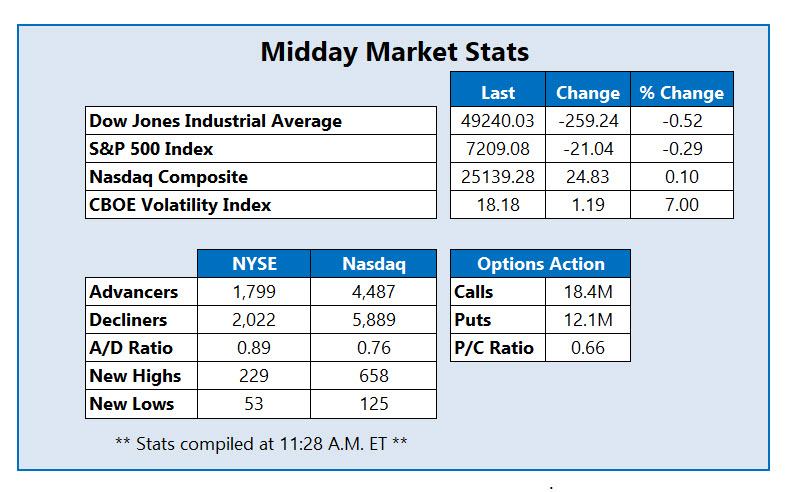
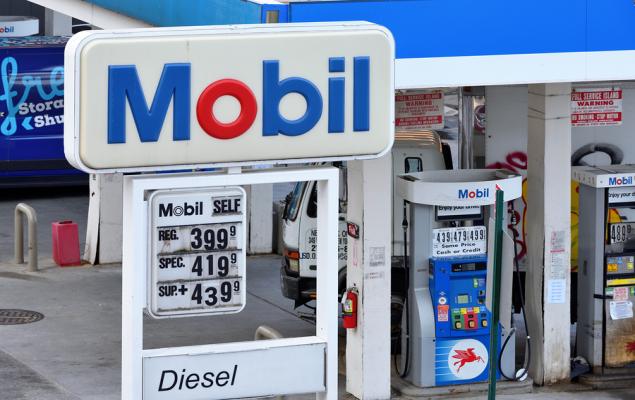
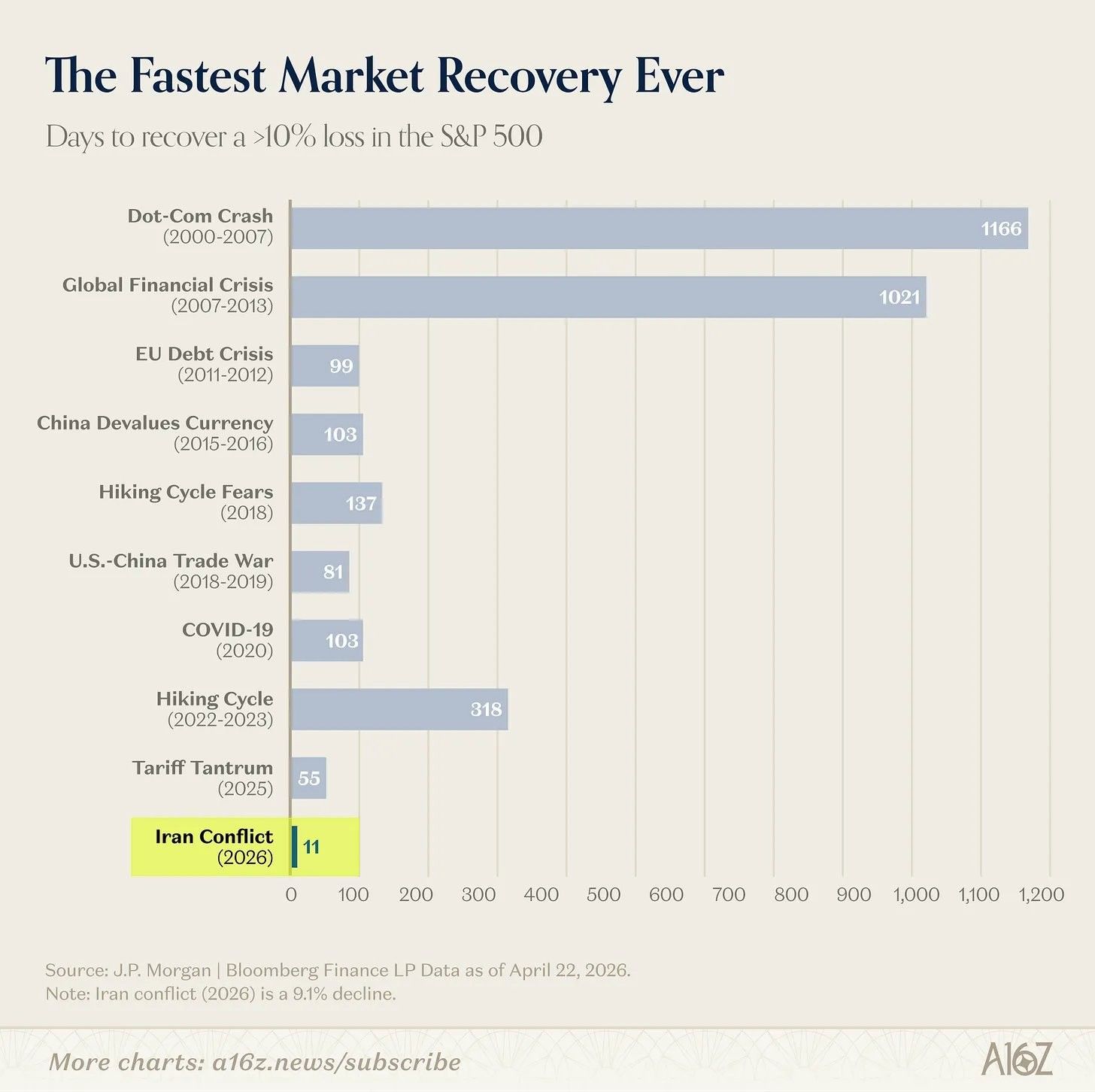
Geopolitical escalation in the Middle East is creating immediate cost pressures and strategic opportunities for cross-border e-commerce sellers. Following Iran's first attack on the UAE since the April ceasefire, Brent crude oil surged 5.8% to $114.44/barrel—a 63% increase from the $70 baseline before conflict began. This oil price spike directly impacts shipping costs for sellers relying on air freight and ocean freight through the Strait of Hormuz, a critical chokepoint now under enhanced U.S. military security. For sellers shipping inventory from Asia to North America and Europe, this translates to 8-15% increases in logistics costs within 30-60 days, compressing margins on categories with thin profit margins (electronics, apparel, home goods).
The logistics sector is experiencing a competitive realignment that benefits Amazon while pressuring traditional carriers. UPS dropped 9.7% and FedEx fell 9.3% following Amazon's announcement of expanded logistics services for major corporations including Procter & Gamble and 3M. Amazon's 0.9% gain signals market confidence in its ability to absorb fuel cost increases through scale and vertical integration. For third-party sellers, this creates a bifurcated market: large sellers with direct Amazon logistics partnerships face lower cost increases, while mid-market sellers (100-500 SKUs) relying on UPS/FedEx will see 12-18% shipping cost increases. Treasury yields rising to 4.44% (from 4.39%) simultaneously increase borrowing costs for inventory financing, making working capital more expensive for sellers with seasonal inventory cycles.
Strategic sourcing decisions are shifting as fuel surcharges accelerate. Companies like Tyson Foods achieved 11.5% beef revenue growth through pricing power despite lower volumes—a model unavailable to most e-commerce sellers facing price-sensitive consumers. The geopolitical uncertainty creates a 90-120 day window where sellers must decide: (1) absorb shipping cost increases and compress margins, (2) shift sourcing from China/Vietnam to nearshoring options (Mexico, Central America) with lower fuel-dependent logistics, or (3) increase retail prices 5-8% and accept potential volume declines. South Korea's index jumped 5.1% and Hong Kong rose 1.2%, suggesting Asian manufacturing hubs remain attractive despite fuel costs, while European markets (France CAC 40 down 1.7%) face dual pressures from fuel costs and reduced consumer travel spending to Europe.
Questions 8
Are there product opportunities in the geopolitical uncertainty and logistics disruption?
Yes—three product categories benefit from current conditions: (1) Domestic sourcing products (made in USA/Mexico) marketed as 'faster shipping' and 'lower costs' appeal to price-sensitive consumers; (2) Fuel-efficient shipping solutions (lightweight packaging, compressed products) reduce shipping costs; (3) Inventory management tools and logistics software for sellers managing cost increases. The news reports that Norwegian Cruise Line Holdings acknowledged war's impact on fuel costs and customer travel hesitancy, particularly to Europe—signaling consumers are price-conscious. Sellers can capitalize by emphasizing domestic sourcing, fast shipping, and cost savings in product listings. Additionally, sellers offering logistics consulting or inventory optimization services to other sellers face growing demand as margins compress. Consider launching complementary products targeting sellers managing shipping cost increases.
How does the eBay-GameStop acquisition bid affect third-party sellers?
GameStop's $125-per-share acquisition bid for eBay, citing $2B in annual cost-cutting opportunities, signals potential platform consolidation and fee restructuring. The news reports this as part of broader logistics sector realignment following Amazon's expanded services. If the acquisition succeeds, eBay sellers could face: (1) fee increases to fund cost-cutting investments, (2) platform integration with GameStop's retail operations, or (3) policy changes favoring certain seller segments. The $2B cost-cutting target suggests 15-25% operational efficiency gains, which could translate to 5-10% fee increases for sellers. Monitor eBay's official announcements for policy changes. Diversify your sales channels—if eBay represents >30% of revenue, accelerate Amazon and Shopify expansion to reduce platform concentration risk.