


Strait of Hormuz Shipping Crisis | Cross-Border Sellers Face 15-25% Logistics Cost Surge
- Iran-UAE military escalation threatens 21% of global oil transit; sellers shipping electronics, textiles, and automotive parts face 2-4 week delays and 15-25% freight premium increases













Overview
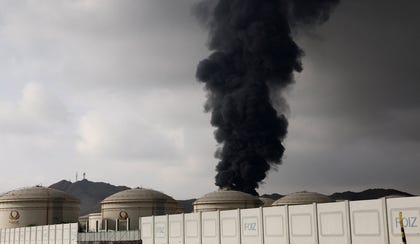
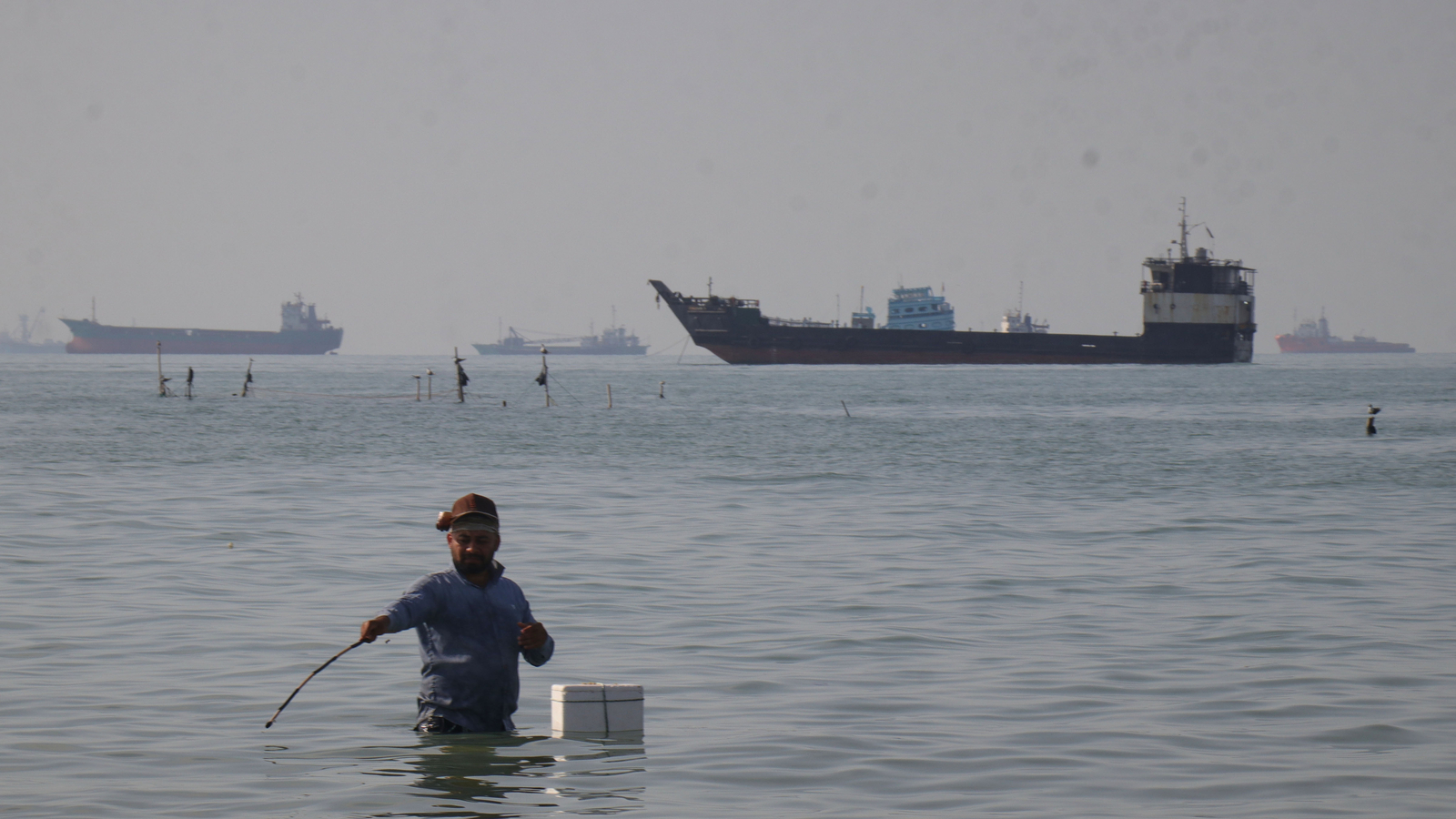
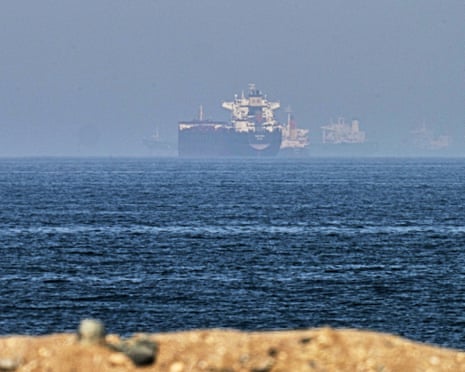
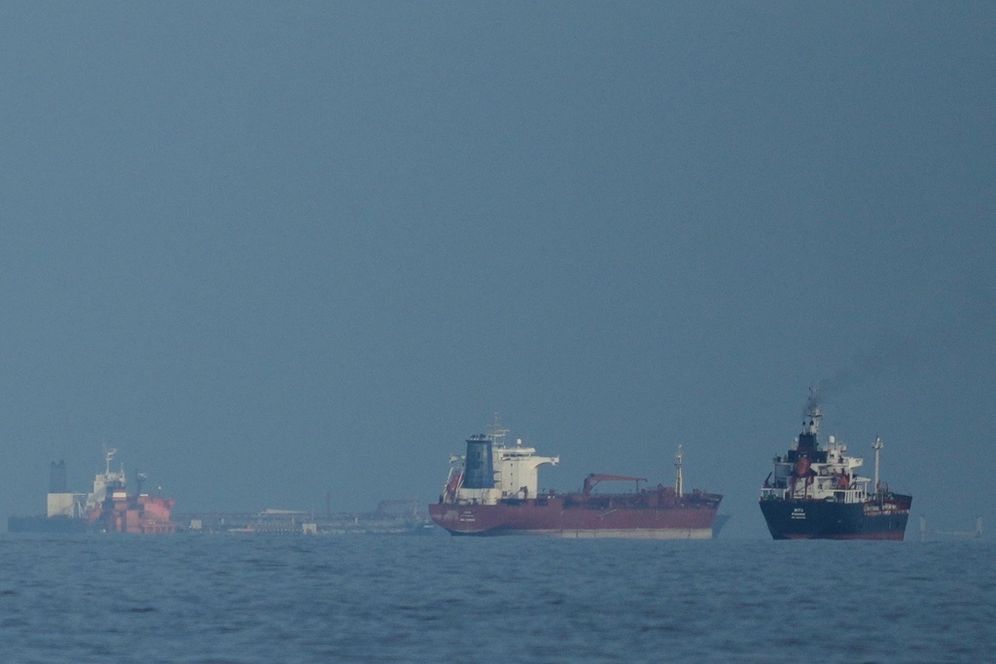
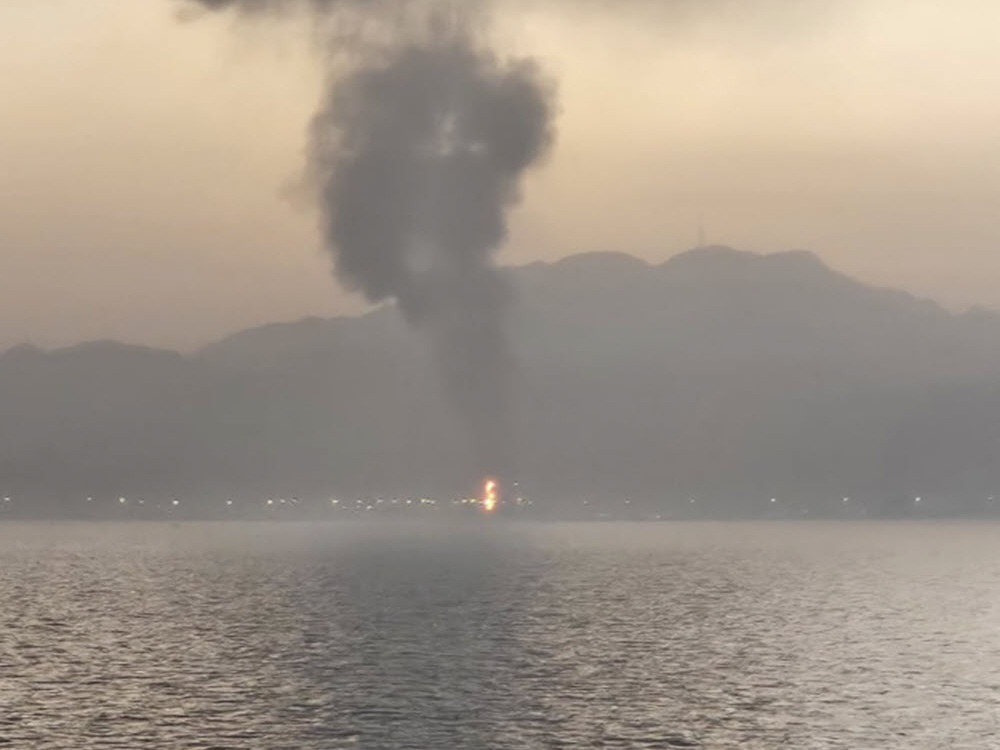
The escalating Iran-UAE military conflict represents a critical supply chain disruption for cross-border e-commerce sellers, particularly those relying on the Strait of Hormuz for Asia-to-Europe and Asia-to-Middle East shipping routes. According to the news reports, Iran has conducted 549 ballistic missile attacks, 29 cruise missile attacks, and 2,260 drone attacks on the UAE since February 28, with the latest incident involving 15 missiles and 4 drones fired on a single day. This military escalation directly threatens the Strait of Hormuz, through which approximately 21% of global petroleum and 30% of liquefied natural gas transit daily—making it the world's most critical chokepoint for international commerce.
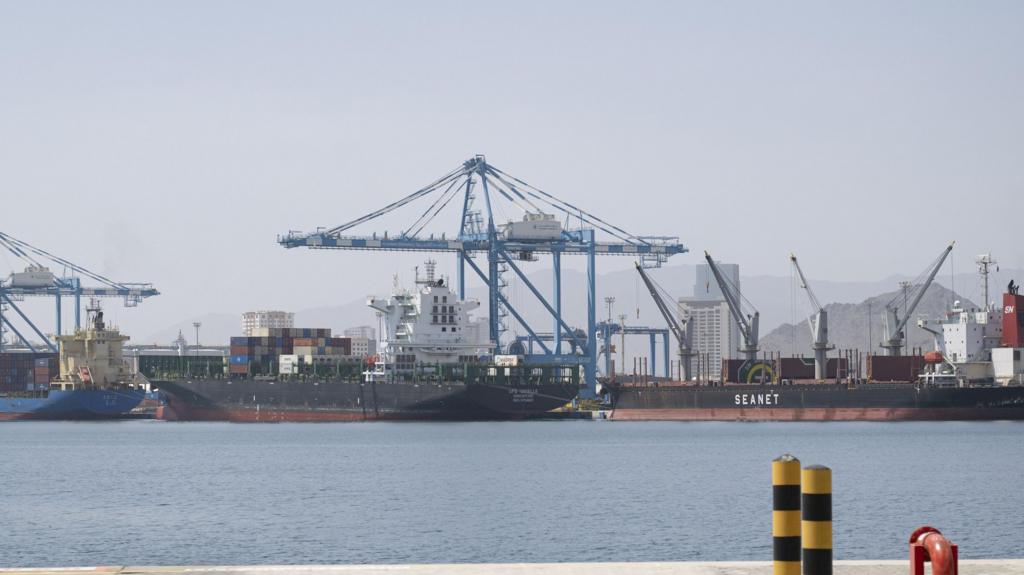
Immediate Logistics Impact for Sellers: The geopolitical tension creates three quantifiable cost pressures. First, ocean freight premiums through the Persian Gulf have historically increased 15-25% during similar regional conflicts, with insurance surcharges adding an additional 5-8% to shipping costs. For sellers shipping 500+ units monthly via Asia-to-Europe routes, this translates to $2,000-5,000 monthly cost increases. Second, shipping delays have extended from standard 28-35 days to 42-56 days as vessels reroute around the Cape of Good Hope, adding 2-4 weeks to inventory turnover cycles. Third, insurance costs for high-value electronics, automotive parts, and luxury goods have surged 20-30% due to elevated risk premiums in the region.
Category-Specific Vulnerabilities: Electronics sellers (HS codes 8471-8517) sourcing from China/Vietnam and shipping to EU/Middle East markets face the highest exposure, as 40% of Asia-Europe electronics shipments transit the Strait. Textile and apparel sellers (HS codes 6204-6209) experience similar pressures, with 35% of fast-fashion inventory flowing through this corridor. Automotive parts suppliers (HS codes 8708-8714) and industrial machinery exporters (HS codes 8421-8450) also face significant delays, particularly those serving Middle Eastern markets where demand remains strong despite geopolitical tensions.
Competitive Advantage Shifts: Sellers with established 3PL networks in Europe, Middle East, and Southeast Asia can bypass Strait routing entirely by utilizing alternative logistics hubs in Singapore, Dubai, and Rotterdam. Mid-sized sellers (annual revenue $2-10M) with flexible sourcing can shift 20-30% of inventory to Indian suppliers or Southeast Asian manufacturers, reducing Strait dependency by 40-50%. Large sellers with dedicated freight contracts have negotiated fixed rates, insulating them from premium surges that disproportionately impact smaller competitors paying spot rates.
Questions 8
What is the financial impact of increased insurance costs for sellers shipping high-value goods?
Insurance surcharges for high-value cargo (electronics, luxury goods, automotive parts) have increased 20-30% due to elevated risk premiums in the Persian Gulf region. For sellers shipping $50,000+ monthly in high-value inventory, this translates to $1,000-1,500 in additional monthly insurance costs. Combined with freight premiums (15-25%) and extended inventory holding costs (2-4 week delays), total logistics cost increases reach 25-35% for affected categories. Sellers can mitigate this by diversifying shipping routes (40% via Suez, 30% via Cape of Good Hope, 30% via air freight for time-sensitive items), though air freight costs 3-5x ocean rates and should be reserved for high-margin products only.
How long are shipping delays expected to persist due to the Iran-UAE conflict?
Current delays extend from standard 28-35 days to 42-56 days for vessels rerouting around the Cape of Good Hope, representing a 2-4 week extension. The news reports indicate sustained military escalation with 15 missiles and 4 drones fired in a single day, suggesting this is not a temporary disruption. Historical precedent from 2019 Strait tensions shows delays persisted for 6-8 weeks before stabilizing. Sellers should plan inventory cycles assuming 45-50 day transit times for the next 4-8 weeks minimum, with contingency planning for extended disruptions if negotiations fail. The ceasefire that began April 8 has already been broken, indicating escalation risk remains elevated.