



)
Austria Expels Russian Diplomats | EU Data Security & Cross-Border Seller Compliance Impact
- Escalating geopolitical tensions in Vienna affect 7,000+ international organizations and cross-border e-commerce logistics networks; new EU espionage legislation increases data protection compliance costs for sellers operating in Austria






































Overview
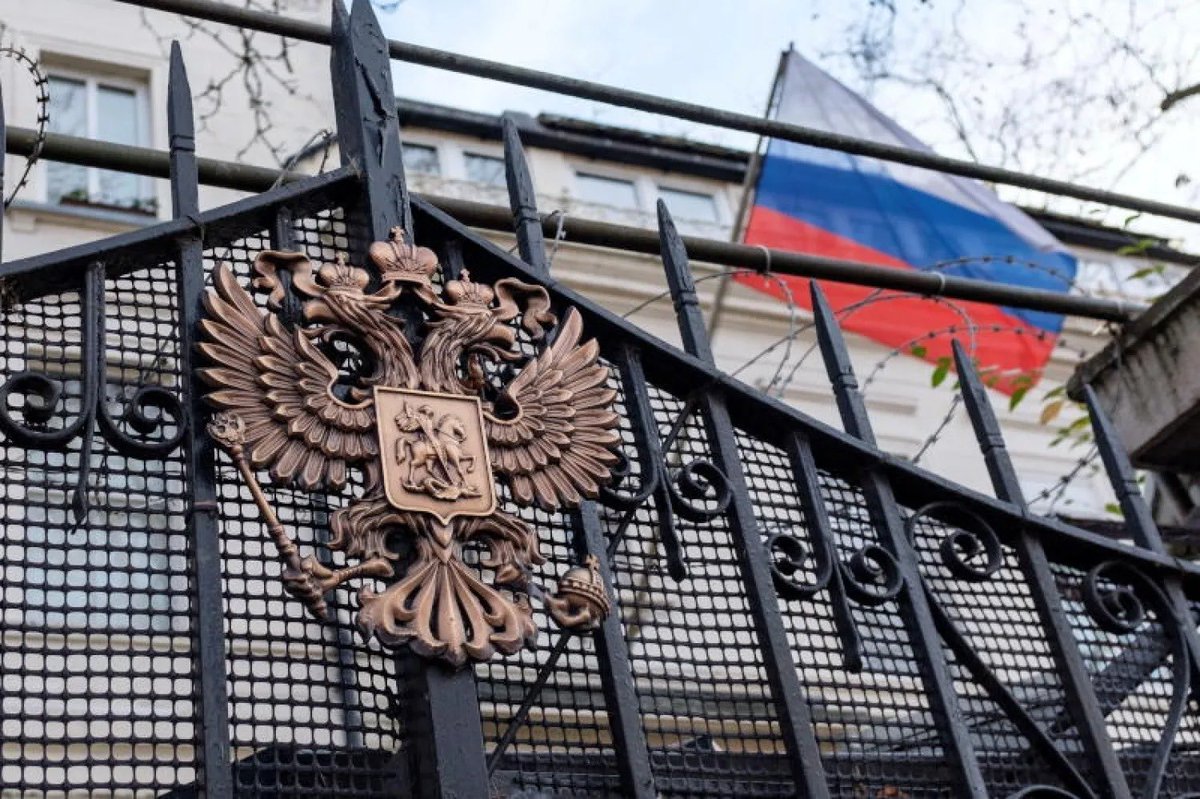
Austria's expulsion of three Russian diplomats on May 4, 2026, following the discovery of a "forest of antennae" used for satellite internet interception, signals a critical escalation in European cybersecurity enforcement with direct implications for cross-border e-commerce operations. The Austrian government's acknowledgment of a longstanding legal loophole that permitted espionage activities—with an estimated 7,000 secret agents operating among 17,000 accredited diplomats in Vienna—reveals systemic vulnerabilities in data protection infrastructure that affect international business operations. Vienna's status as headquarters for OPEC, the International Atomic Energy Agency, and the Organization for Security and Co-operation in Europe makes it a high-value intelligence target, creating operational risks for the estimated 220+ Russian diplomatic staff and broader international business community.
For cross-border sellers, this escalation triggers three immediate compliance concerns: First, Austria's newly drafted legislation to criminalize espionage against EU and Vienna-based international organizations expands the definition of espionage activities, potentially increasing data security audit requirements and compliance costs for sellers maintaining European distribution centers or headquarters in Austria. Second, the emphasis on signals intelligence and satellite internet interception underscores growing regulatory focus on cybersecurity and data protection in international business operations, particularly for sellers handling sensitive customer information across borders. Third, increased security measures and diplomatic friction could affect logistics networks, customs processing times, and operational costs for companies with Austrian fulfillment centers—a critical hub for Central European distribution.
The high-profile 2024 arrest of Egisto Ott, a former Austrian counter-espionage official accused of selling government phones and secure laptops to Russian intelligence, demonstrates how espionage vulnerabilities directly compromise business infrastructure security. This pattern reflects broader Central European espionage escalation, with Germany simultaneously expelling Russian spies and emphasizing zero tolerance for diplomatic cover operations. For sellers, this means heightened scrutiny of data transmission protocols, increased investment in encrypted communication systems, and potential delays in customs clearance as Austrian authorities implement stricter security protocols. The 14 Russian diplomats expelled since 2020 indicate sustained geopolitical pressure that will likely intensify compliance requirements for all international business operations in Austria, particularly those handling cross-border payment data, customer information, and supply chain logistics.
Questions 7
What are the implications of the Egisto Ott espionage case for seller data security?
The 2024 arrest of Egisto Ott, a former Austrian counter-espionage official who sold government phones and secure laptops to Russian intelligence, demonstrates how insider threats compromise business infrastructure. This case reveals that even government-grade security devices were vulnerable to compromise, suggesting sellers cannot rely solely on standard commercial security measures. Sellers should implement multi-factor authentication, regular security audits, employee background checks, and segregated access controls for sensitive systems. The case underscores the need for sellers to treat data security as a critical operational function, not just an IT checkbox.
How should sellers protect customer data from satellite internet interception?
The discovery of Russian antennas intercepting satellite internet data from international organizations highlights vulnerabilities in unencrypted data transmission. Sellers operating in Austria or using Austrian logistics hubs should implement end-to-end encryption for all customer communications, payment processing, and supply chain data. This includes upgrading to VPN services, implementing TLS 1.3+ protocols, and avoiding public WiFi for sensitive business operations. Estimated implementation costs range from $2,000-8,000 for small sellers and $15,000-50,000 for mid-sized operations. Compliance should be completed by Q2 2026 to align with anticipated EU regulatory updates.