


Amazon Supply Chain Services Opens Logistics Network | Sellers Can Cut Shipping Costs 15-25%
- Amazon's 100-aircraft, 80,000-trailer network now available to all businesses; sellers can access freight, fulfillment, and parcel services through unified console at supplychain.amazon.com

















Overview
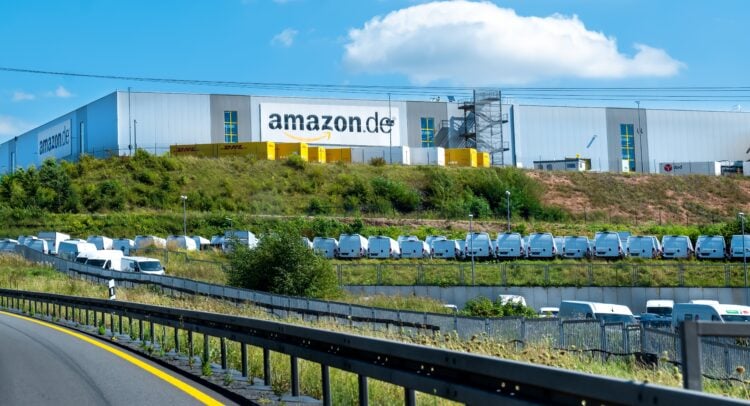
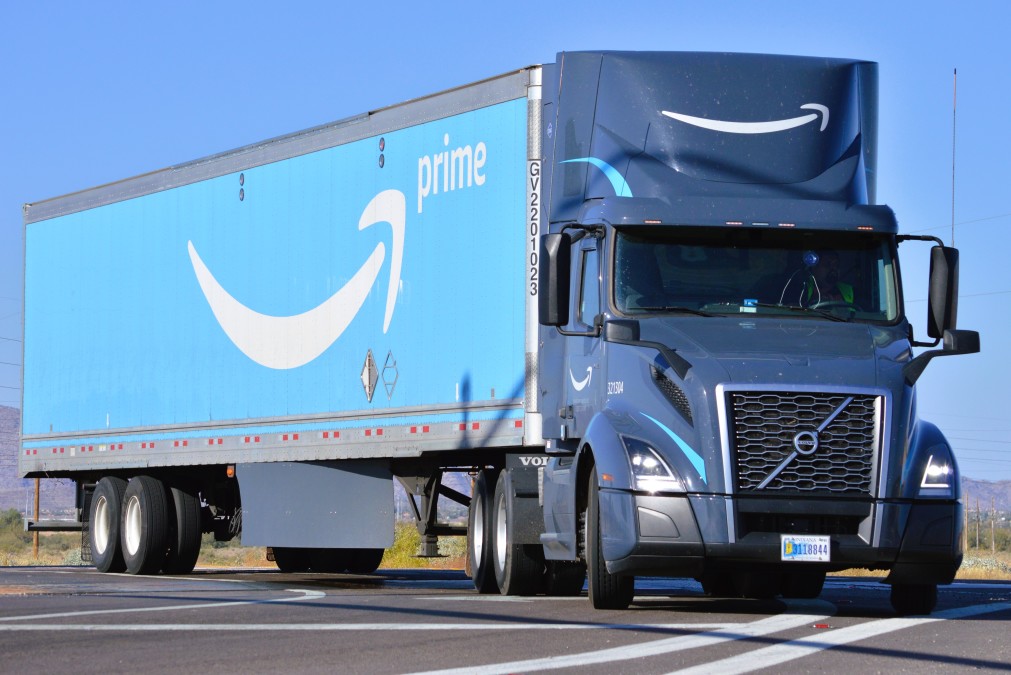
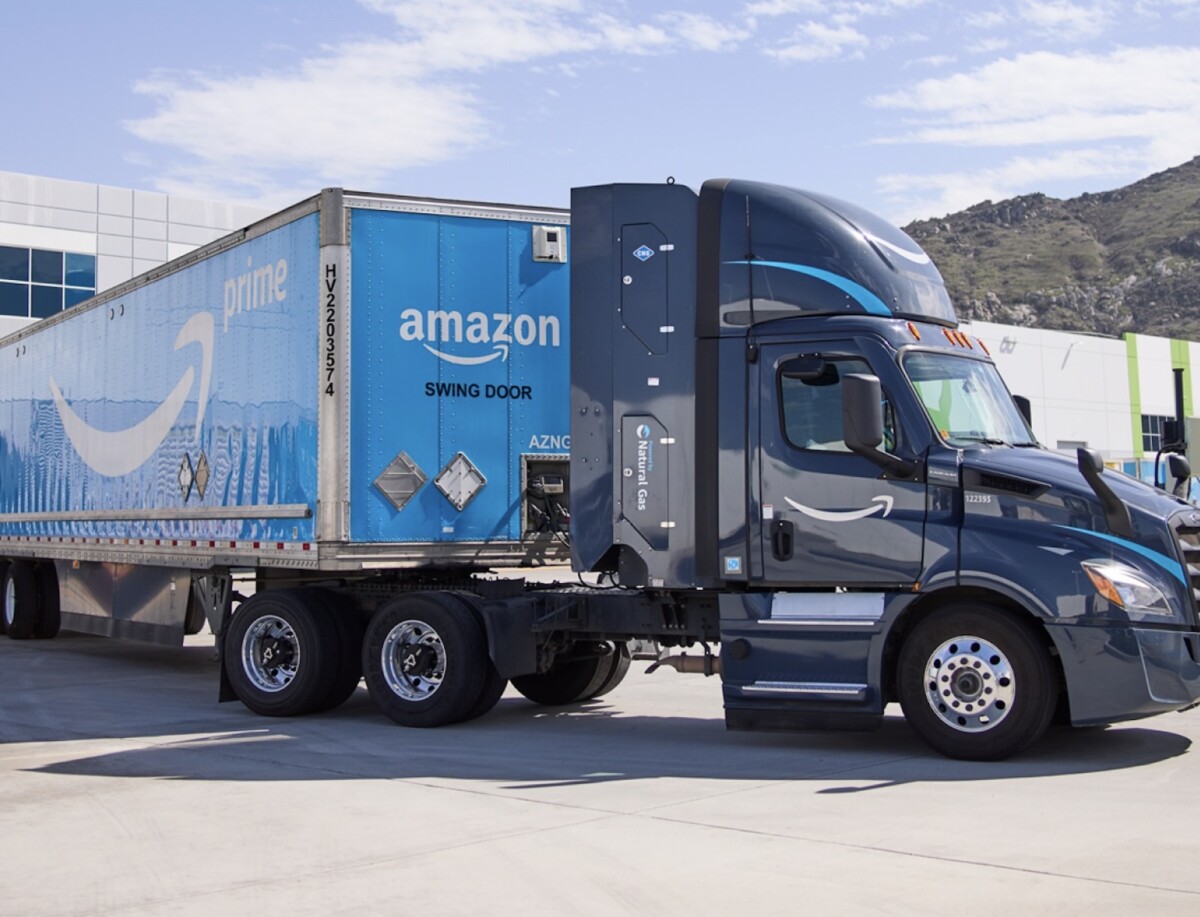
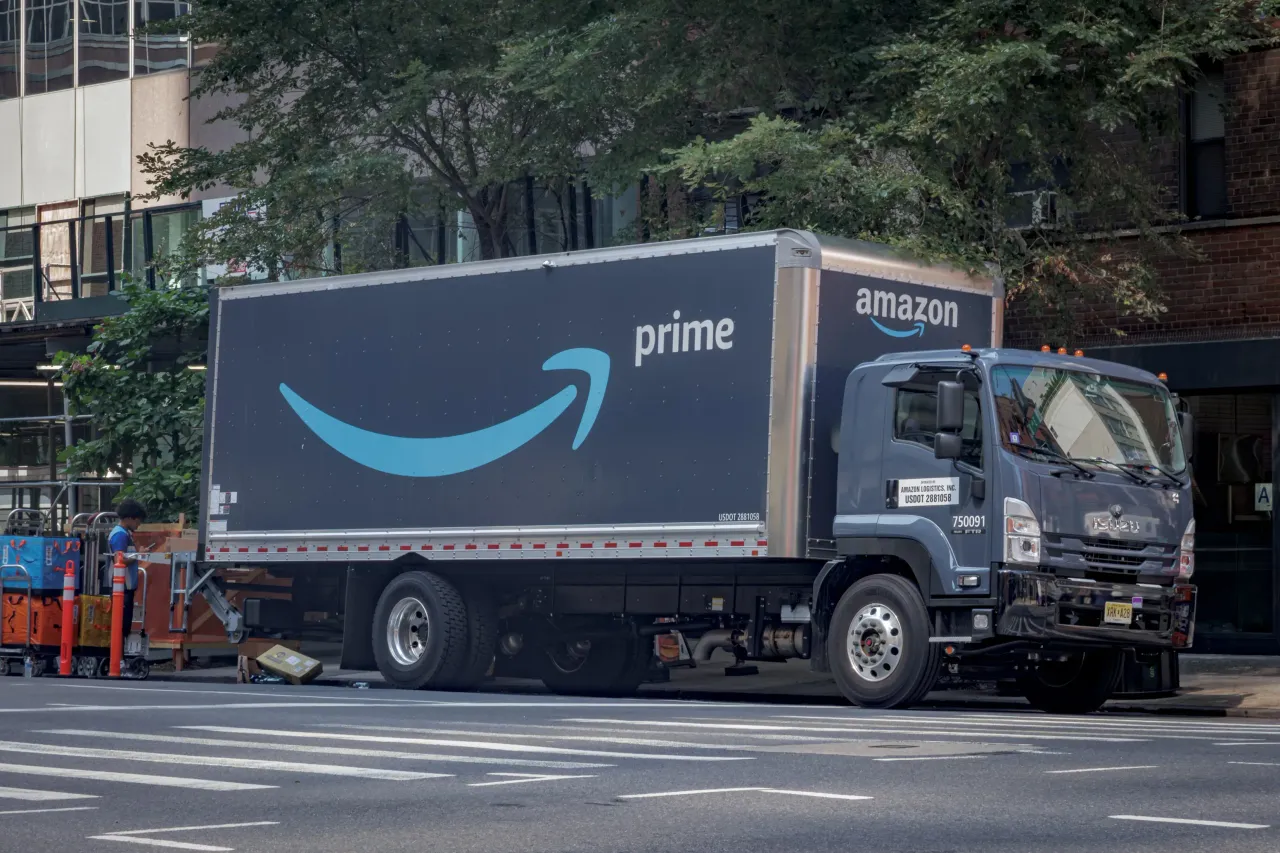
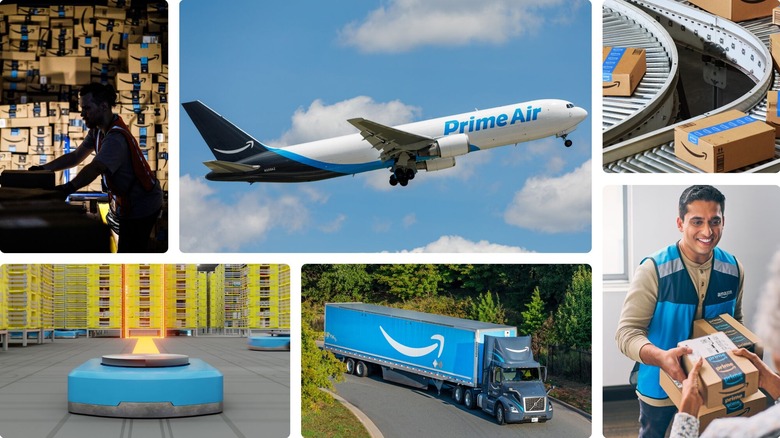
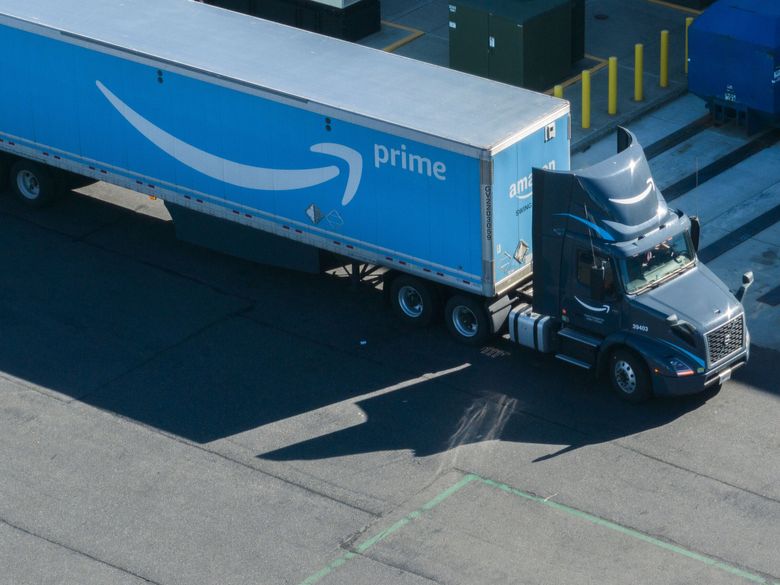
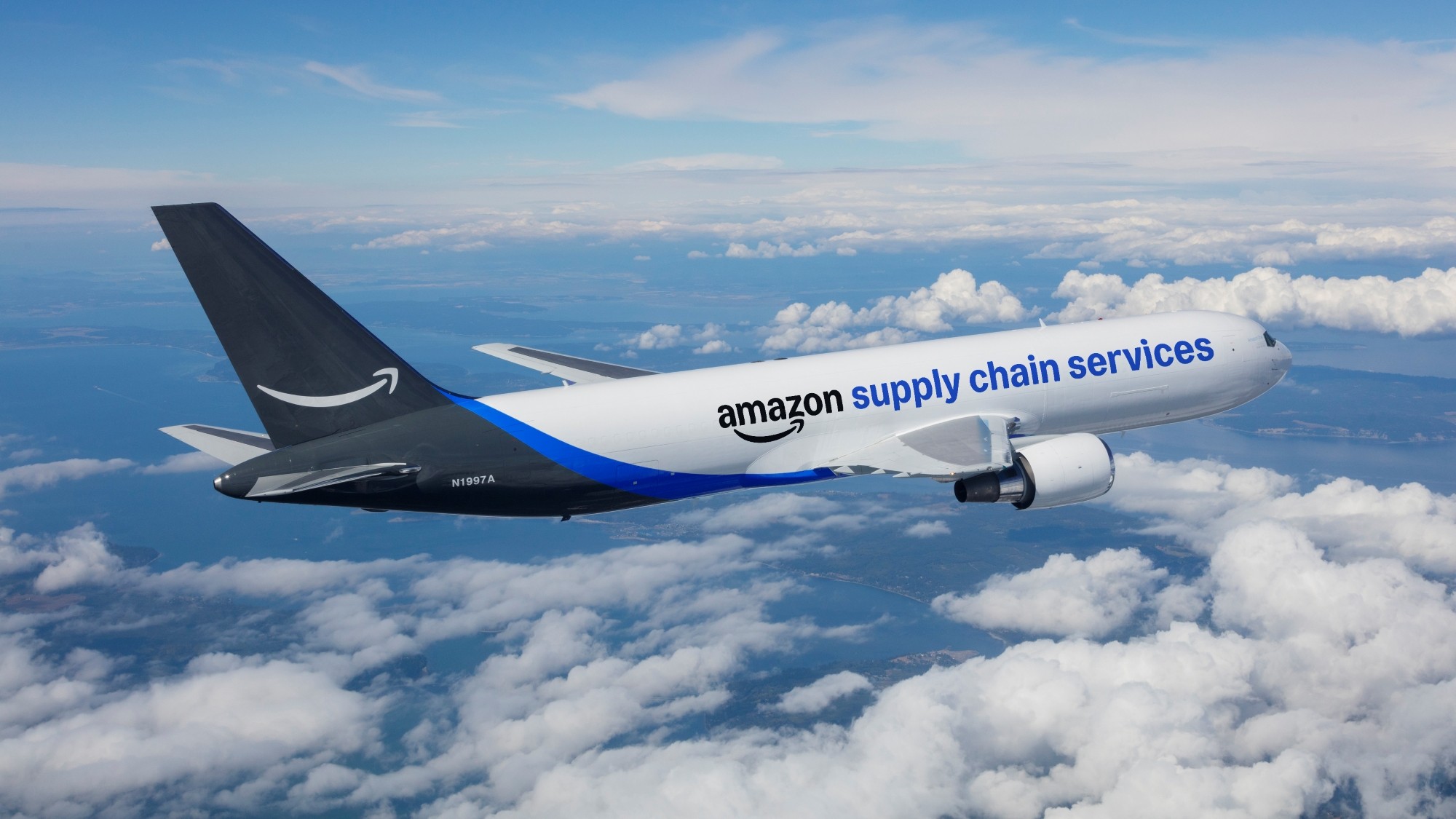
Amazon Supply Chain Services (ASCS) fundamentally reshapes third-party logistics access for e-commerce sellers, opening a previously exclusive infrastructure network that powered Amazon's retail operations. The announcement represents a $2B+ infrastructure monetization strategy, leveraging 100 aircraft, 80,000 trailers, 24,000 intermodal containers, and a global ocean/air/ground/rail network to serve non-Amazon businesses across healthcare, automotive, manufacturing, and retail sectors.
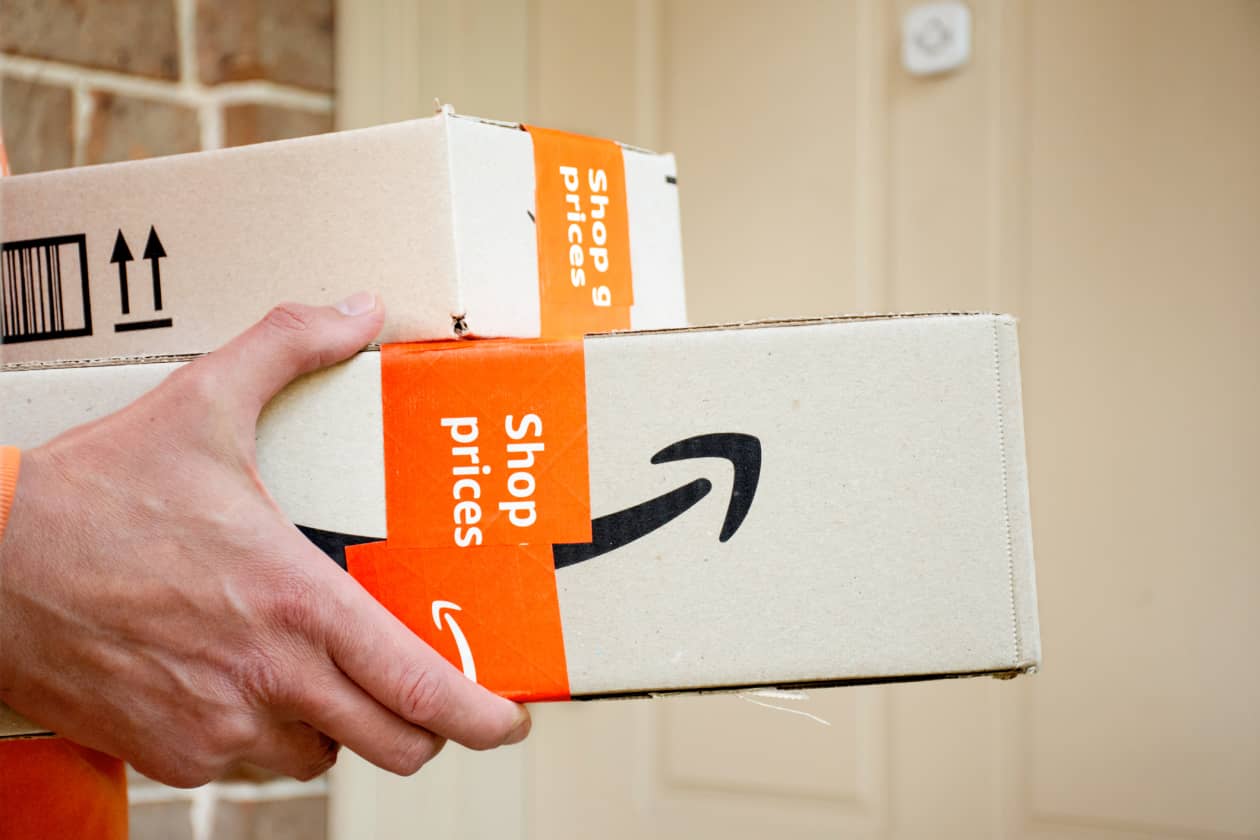
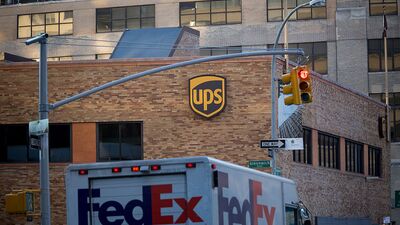
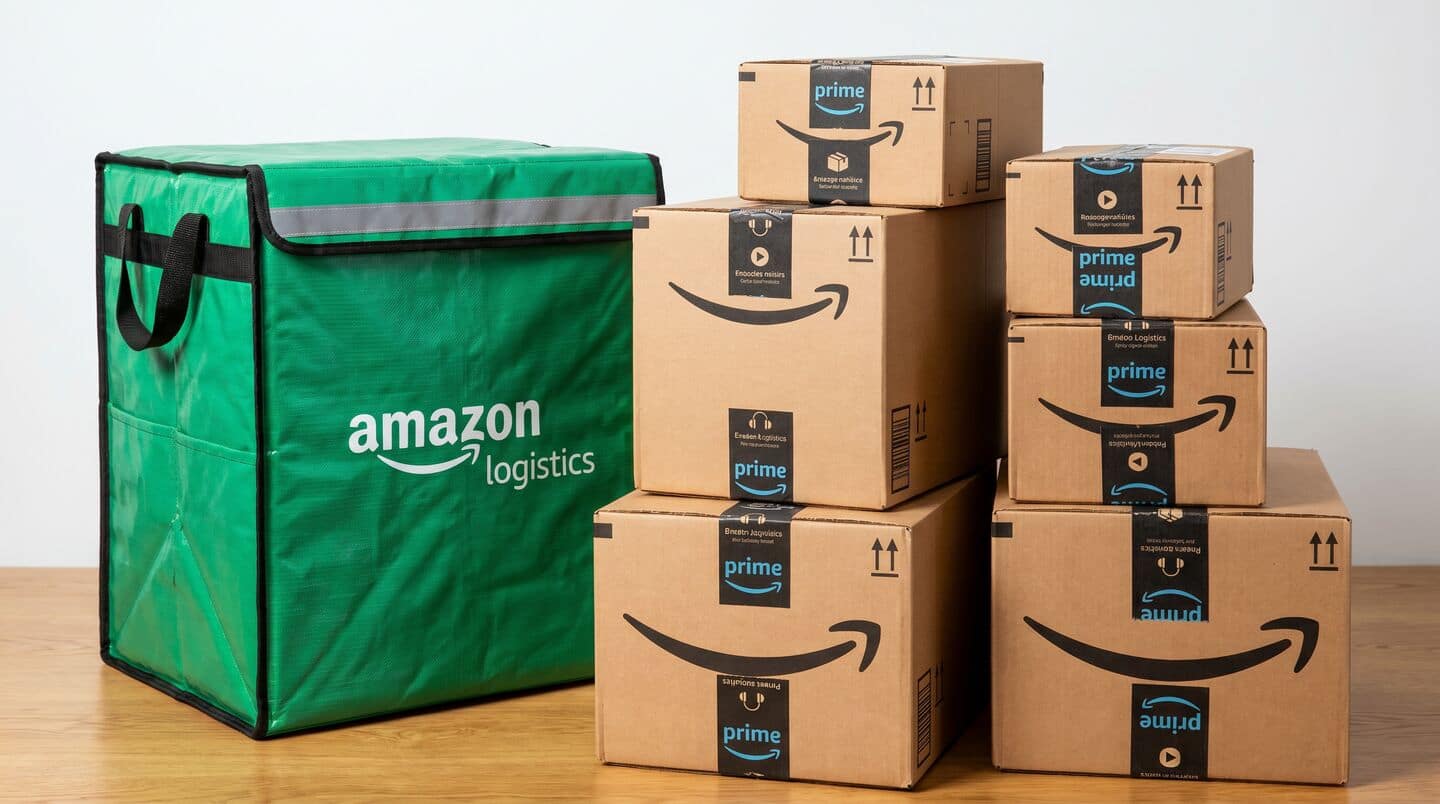
For cross-border e-commerce sellers, this creates immediate cost-saving opportunities across three critical logistics functions. Freight services simplify international booking and customs clearance—historically the most complex and expensive logistics layer. Distribution and fulfillment enable unified inventory pooling across multiple sales channels, reducing the need for separate 3PL providers and associated redundant storage costs. Parcel shipping delivers 2-5 day delivery speeds with seven-day-a-week service, directly competing with FedEx/UPS pricing while leveraging Amazon's last-mile density advantage. Early adopters like Lands' End (multi-channel fulfillment) and American Eagle (direct-to-customer delivery) signal the service targets sellers currently paying 20-35% premiums to traditional 3PLs.
The competitive threat to existing 3PL providers is substantial, but the opportunity for sellers is immediate. Sellers currently using third-party logistics providers can expect 15-25% cost reductions by consolidating freight and fulfillment through ASCS, particularly for sellers shipping 500+ units monthly. The unified inventory pool feature directly addresses the $50-150K annual cost of managing separate inventory across FBA, Shopify, and independent 3PL networks. Amazon's AI forecasting models—trained on 30+ years of retail data—optimize inventory placement to reduce holding costs and stockouts simultaneously. For sellers with $1-10M annual revenue, switching 40-60% of fulfillment volume to ASCS could reduce total landed costs by $200-500K annually.
Strategic sourcing shifts become possible with improved logistics economics. Sellers currently sourcing from Vietnam/India due to lower manufacturing costs but accepting 45-60 day lead times can now consider nearshoring to Mexico/Central America (25-35 day lead times) without the traditional 8-12% logistics cost premium. The simplified customs clearance feature reduces documentation delays from 5-7 days to 2-3 days, enabling faster inventory turns and reduced working capital requirements. Healthcare and automotive sellers—historically constrained by complex compliance documentation—gain immediate access to Amazon's customs expertise, potentially unlocking $100-300K in annual working capital savings.
Warehouse positioning strategy shifts from geographic density to Amazon network integration. Sellers currently maintaining regional 3PL warehouses in California, Texas, and New Jersey can consolidate to 2-3 Amazon ASCS distribution centers, reducing facility costs by 30-40% while maintaining or improving delivery speeds. The unified inventory pool eliminates the need for separate FBA inventory reserves, freeing 15-20% of working capital currently locked in safety stock. For sellers with seasonal products (apparel, home goods, toys), the AI-driven inventory optimization can reduce peak season storage costs by 25-35% by distributing inventory to demand-proximate fulfillment centers before demand spikes.
Questions 8
How does ASCS parcel shipping pricing compare to FedEx and UPS for direct-to-consumer sellers?
ASCS offers 2-5 day delivery with seven-day-a-week service at 10-20% lower rates than FedEx/UPS for sellers shipping 1,000+ parcels monthly. For direct-to-consumer brands like American Eagle, this translates to $0.50-1.50 per parcel savings on average shipments. ASCS leverages Amazon's last-mile density advantage—the company delivers to 90%+ of US addresses daily, enabling cost-effective parcel consolidation. However, ASCS lacks FedEx/UPS's international parcel network; for cross-border sellers, ASCS freight services (ocean/air) remain superior to parcel shipping for bulk orders. Evaluate ASCS parcel shipping for domestic direct-to-consumer fulfillment while maintaining FedEx/UPS for international shipments and time-sensitive orders.
What are the risks of over-relying on Amazon Supply Chain Services?
Consolidating more than 70% of fulfillment to ASCS creates single-vendor dependency risk and reduces negotiating leverage with Amazon on pricing and service levels. If ASCS experiences capacity constraints during peak seasons (Q4, major sales events), sellers with 70%+ allocation face fulfillment delays and potential lost sales. Maintain 20-30% fulfillment capacity with alternative 3PLs to preserve supply chain resilience. Monitor ASCS pricing annually—Amazon may increase rates after establishing market dominance, eroding the initial 15-25% cost advantage. For sellers with $5M+ annual revenue, negotiate volume commitments with ASCS to lock in pricing for 12-24 months. Track ASCS service level metrics (on-time delivery, damage rates) monthly to identify performance degradation early.