



Smartphone Price Surge 2025 | $100+ iPhone Hikes Signal Margin Compression for Electronics Sellers
- Apple and Samsung raising prices $40-$180 across product lines; semiconductor costs hit record highs, forcing sellers to adjust inventory strategies and pricing models for consumer electronics category




Overview
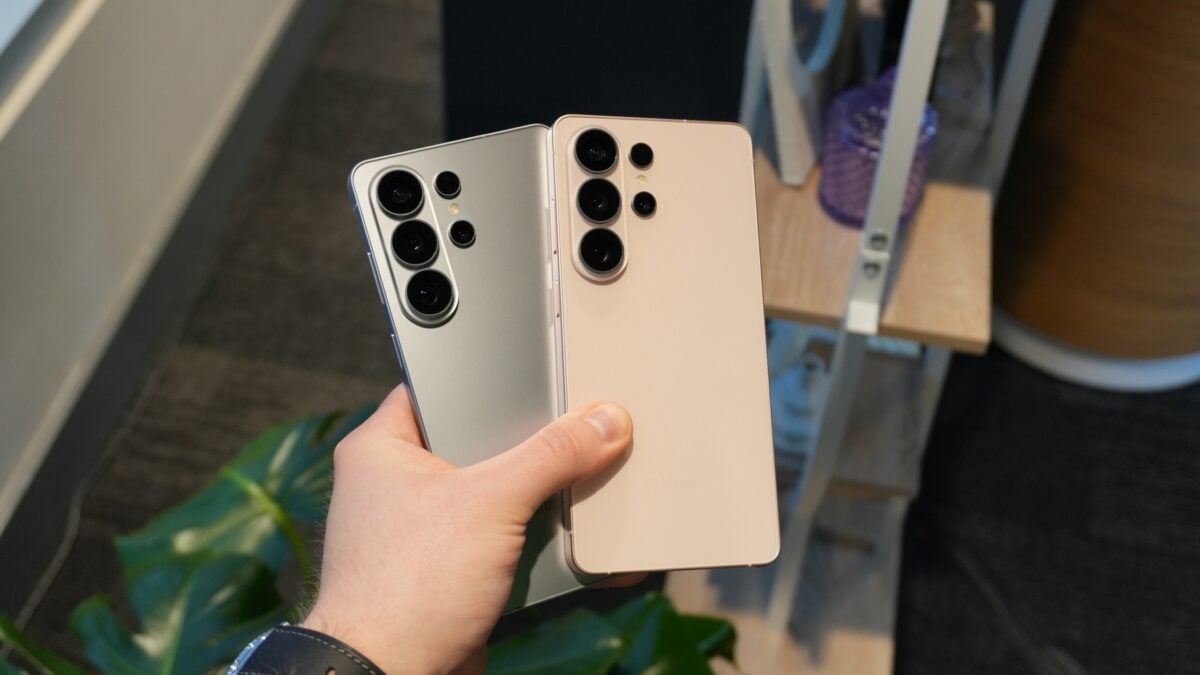
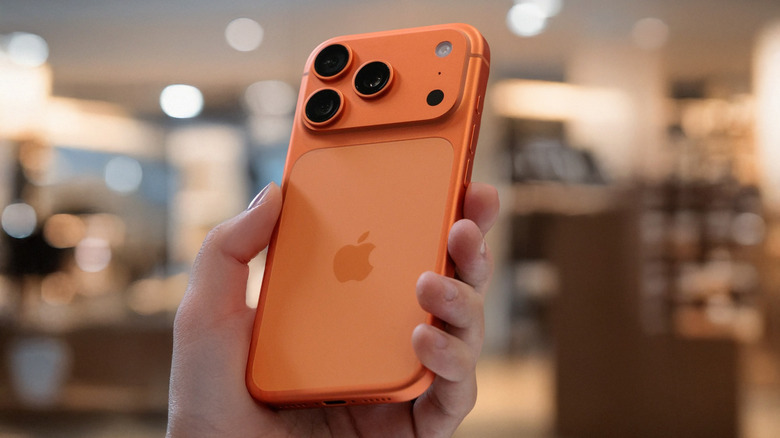
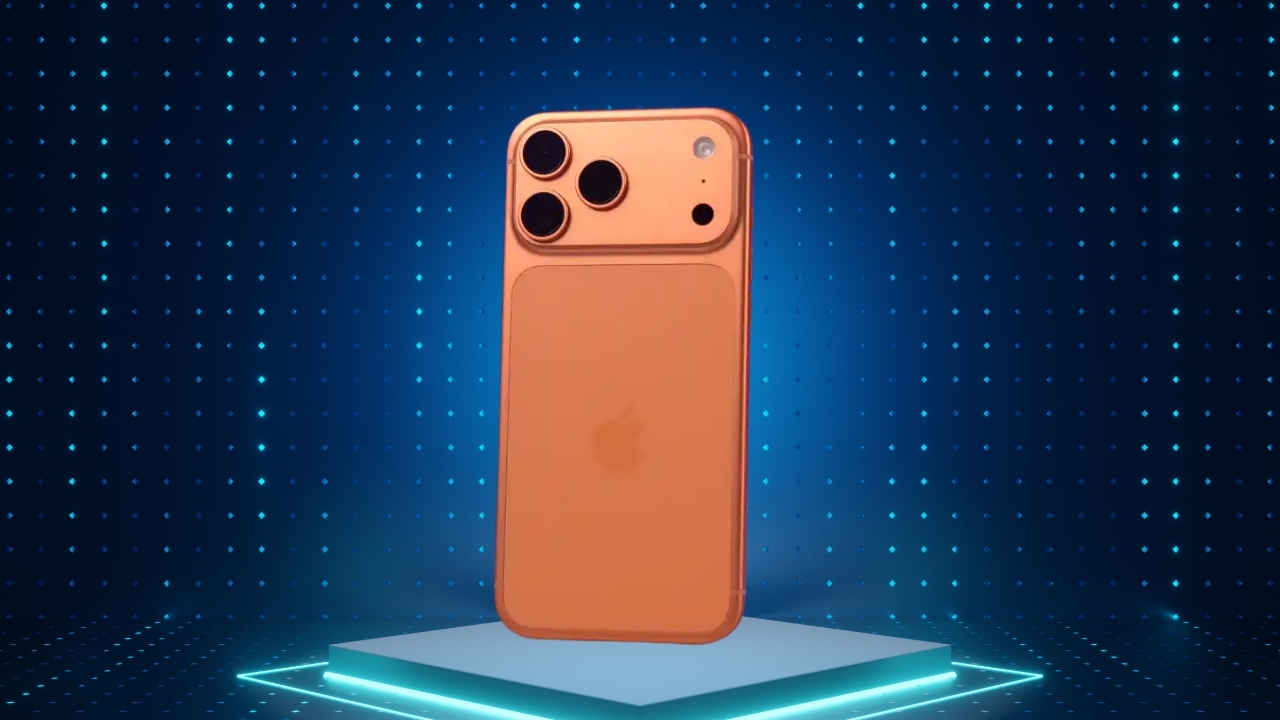
The smartphone market is entering a structural pricing reset that fundamentally reshapes e-commerce opportunities for electronics sellers. Apple's 10-Q disclosure reveals the company views pricing as a strategic tool to counter unprecedented NAND and DRAM costs, with Morgan Stanley predicting $100+ price increases across the entire iPhone 18 series. Samsung has already executed this strategy quietly, raising Galaxy phone and tablet prices by $40-$180 depending on configuration in the US market. This coordinated price escalation signals the end of predictable smartphone pricing—current prices represent a pricing floor, not temporary adjustments.
For cross-border e-commerce sellers, this creates three distinct market opportunities and challenges. First, refurbished and trade-in device markets are poised for explosive growth as consumers delay upgrades and seek alternatives to $1,200+ flagship phones. Sellers specializing in certified refurbished iPhones, Samsung Galaxy devices, and accessories can capitalize on this shift by positioning inventory as cost-effective alternatives. Second, smartphone accessories and protection products will see increased demand as consumers hold devices longer and invest more heavily in protection (cases, screen protectors, batteries). Third, regional arbitrage opportunities emerge as price increases vary by market—US prices rising faster than emerging markets creates potential for gray market imports and cross-border resale.
The underlying cost pressure is structural and irreversible. Semiconductor, storage, and memory component costs have reached unprecedented levels, exacerbated by AI companies acquiring available inventory at inflated prices. Neither Apple nor Samsung possesses sufficient market leverage to reverse this trend. Samsung's approach demonstrates strategic precision by maintaining base model prices (protecting volume) while extracting additional margins from premium segments (foldables, flagship tablets) where customer price tolerance is highest. Apple's narrative-driven announcement strategy suggests the company will justify price increases through feature enhancements or bundled deals. This divergence in communication strategy—Samsung's silent execution versus Apple's anticipated announcement—reveals different market positioning: Samsung protects volume while Apple protects brand perception.
Sellers must immediately reassess inventory positioning and pricing strategies. Electronics sellers holding stock of current-generation iPhones and Galaxy devices should accelerate sales before price increases take effect, as current inventory represents the lowest-cost acquisition opportunity for months. Conversely, sellers in accessories, protection, and refurbished categories should increase inventory investment now, as demand will spike as consumers adapt to higher device prices. The shift also impacts marketplace dynamics—Amazon, eBay, and Shopify sellers in consumer electronics will face compressed margins on new devices but expanded opportunities in complementary categories. Regional sellers should monitor price increases across US, EU, and Asia Pacific markets, as timing and magnitude vary by region, creating arbitrage windows.
Questions 8
How much will iPhone 18 prices increase and when should sellers expect changes?
Morgan Stanley analysts predict **$100+ price increases across the entire iPhone 18 series**, with Apple's 10-Q disclosure signaling these are structural adjustments, not temporary. Samsung has already raised prices **$40-$180 depending on device configuration** in the US market. Sellers should expect Apple's official announcement to include feature justifications or bundled deals to soften customer perception. Current prices represent the lowest available for an extended period, making this the optimal window for sellers to clear existing inventory before price increases take effect. Monitor Apple's earnings calls and official announcements for specific timing and regional variations.
What's driving smartphone price increases for both Apple and Samsung?
**Unprecedented NAND and DRAM memory component costs** are the primary driver, exacerbated by AI companies acquiring available semiconductor inventory at inflated prices. Both companies face identical supply chain pressures that neither possesses sufficient market leverage to reverse. Samsung's mobile division faces potential annual losses due to uncontrollable memory prices, forcing difficult margin protection decisions. These cost increases represent a structural shift in mobile device economics, not temporary market fluctuations. Sellers should understand this is a permanent pricing floor—costs will not return to previous levels, meaning customer expectations for device pricing have fundamentally changed.