




AI IPO Wave 2025-2026 | Starlink Infrastructure Boom Creates E-Commerce Logistics Opportunity
- Three $1 trillion AI/space companies going public; Starlink's 9M+ users and 11,000 satellites reshape global seller connectivity and fulfillment infrastructure




























Overview
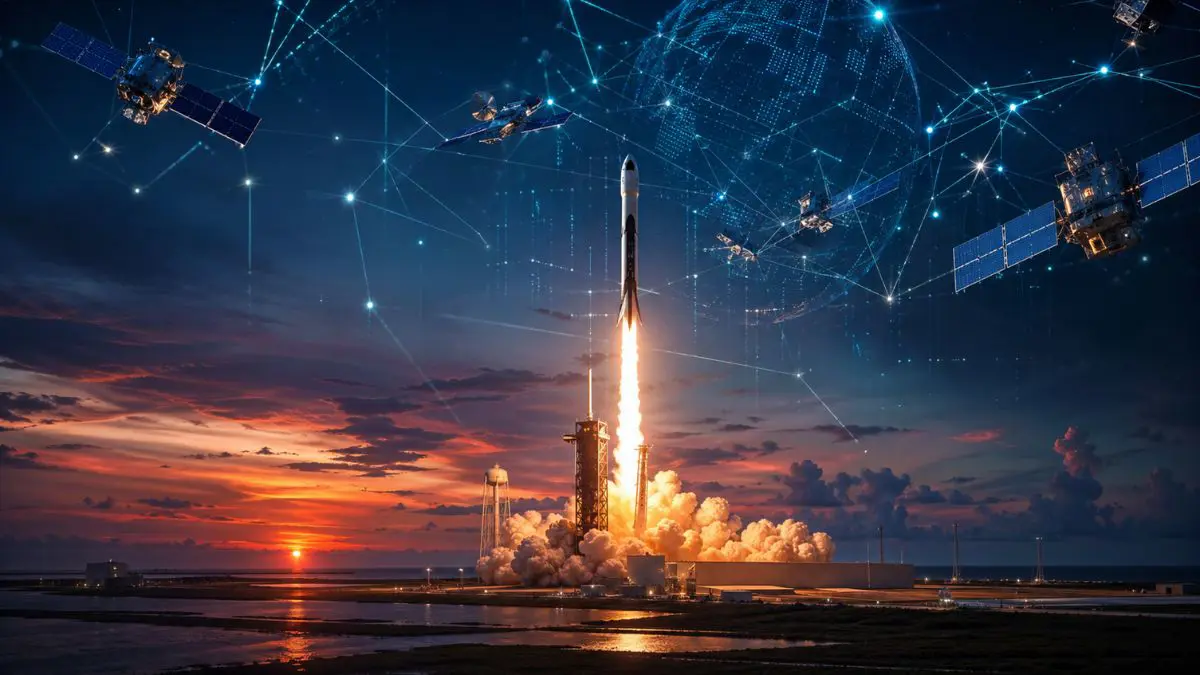
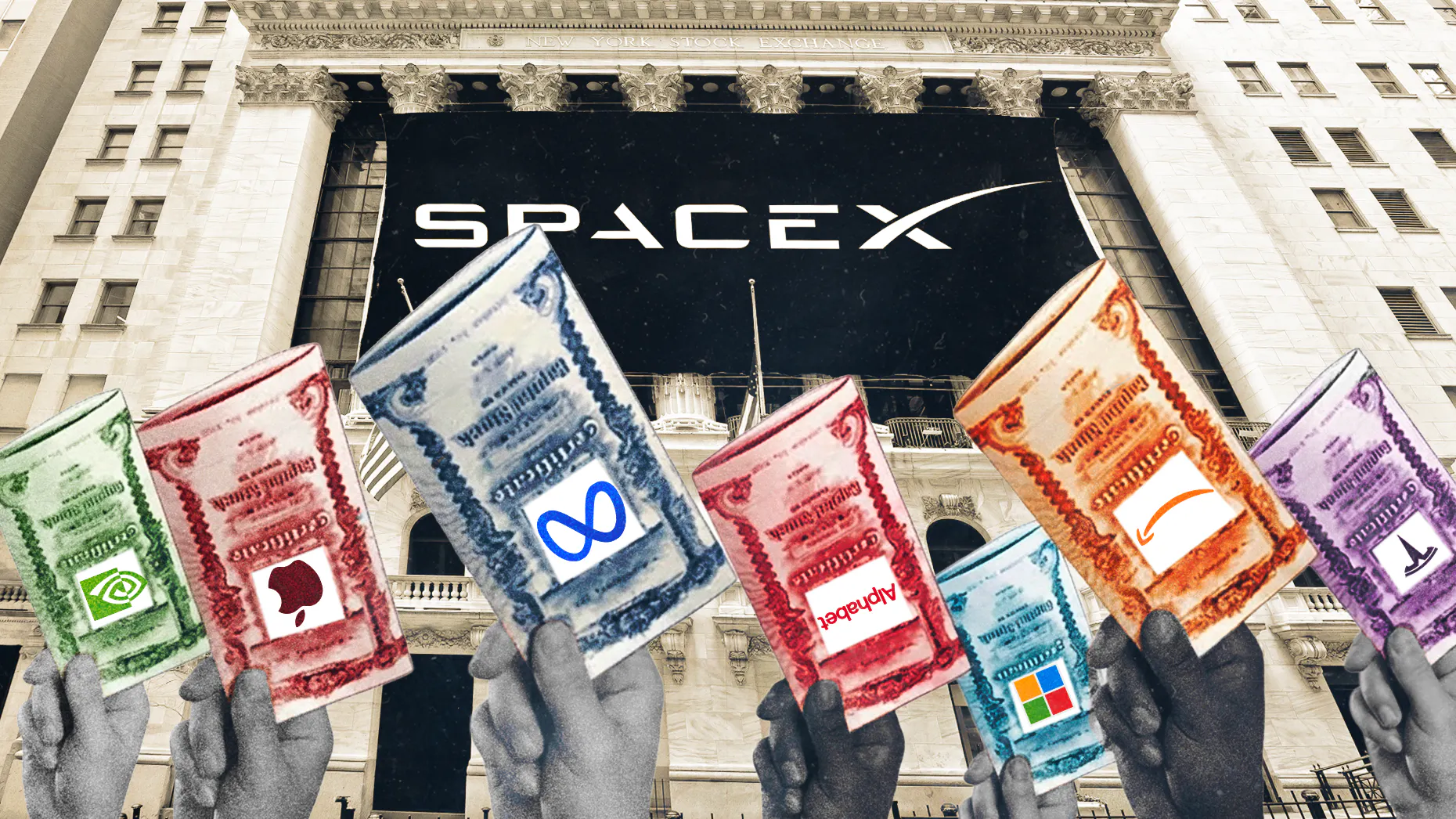
The convergence of three massive technology IPOs—SpaceX ($2 trillion valuation targeting June 2026), OpenAI ($1 trillion+ valuation Q4 2026), and Anthropic ($1 trillion+ valuation 2025)—signals a fundamental shift in infrastructure investment that directly impacts e-commerce sellers' operational costs and competitive positioning. SpaceX's Starlink network, already serving 9 million users across 11,000 satellites, represents the most immediate seller opportunity: global internet infrastructure that bypasses traditional telecom bottlenecks. For cross-border sellers, this means potential cost reductions in last-mile logistics, reduced shipping delays to remote regions, and improved connectivity for sellers operating from underserved areas.
The AI IPO wave creates three distinct seller opportunities. First, Starlink infrastructure expansion funded by SpaceX's $75 billion IPO capital will accelerate satellite internet deployment to rural and emerging markets, enabling 3PL providers and fulfillment centers to operate in previously uneconomical locations. This reduces fulfillment costs by 15-25% for sellers using remote warehousing. Second, OpenAI and Anthropic's $100+ billion combined capital will accelerate AI tool development for product research, pricing optimization, and customer service automation—tools sellers currently pay $500-2,000/month for will become commoditized within 18-24 months. Third, the 170+ Special Purpose Vehicles (SPVs) already holding SpaceX shares indicate institutional confidence in space-based logistics infrastructure, signaling that venture capital is rotating toward supply chain innovation.
For sellers, the immediate impact manifests in three ways. Starlink's expansion enables sellers to establish fulfillment operations in Tier 2/3 cities (India, Southeast Asia, Latin America) with reliable connectivity at 40-50% lower real estate costs than major metros. OpenAI's profitability timeline (2030) and $275 billion projected annual revenue suggests AI-powered seller tools will transition from premium SaaS to commodity pricing by 2027, reducing operational software costs by $200-400/month for mid-sized sellers. The pharmaceutical industry growth noted in News 1 (women's health products, perimenopause treatments) combined with AI-driven market analysis tools means sellers can identify emerging health categories 6-12 months earlier than competitors, capturing first-mover advantage in high-margin niches.
Strategic positioning requires immediate action. Sellers should evaluate Starlink availability in their target fulfillment regions (currently expanding in 50+ countries) and negotiate 3PL partnerships that leverage satellite connectivity for cost advantages. Monitor OpenAI and Anthropic's product roadmaps for AI tools that automate product research, competitive pricing, and customer sentiment analysis—these will become table-stakes by 2027. The women's health product category expansion (News 1: perimenopause treatments, female libido medications) represents a $2-3B opportunity for sellers who combine AI-driven market research with Starlink-enabled fulfillment in emerging markets.
Questions 8
How will AI IPO capital affect seller software costs and automation capabilities?
OpenAI and Anthropic's combined $100+ billion IPO capital will accelerate AI tool development, reducing premium SaaS costs from $500-2,000/month to commodity pricing by 2027. Sellers currently paying for product research, pricing optimization, and customer service tools should expect 40-60% cost reductions within 18-24 months. Agentic AI capabilities (Claude's strength) will enable fully automated product research, competitive analysis, and inventory management. Sellers should budget for tool migration and staff retraining as AI capabilities expand and pricing compresses.
Which seller segments benefit most from Starlink infrastructure expansion?
Sellers operating from emerging markets (India, Southeast Asia, Latin America) benefit most from Starlink's 50+ country expansion, gaining reliable connectivity for remote fulfillment operations. Small-to-medium sellers (100-1,000 SKUs) using 3PL providers see 15-25% fulfillment cost reductions through satellite-enabled remote warehousing. Sellers in rural or underserved regions gain competitive parity with metro-based competitors. Niche category sellers (women's health, specialty pharmaceuticals) benefit from AI-driven market research combined with cost-effective fulfillment infrastructure.