



Japan-Australia Supply Chain Shift | $937M Critical Minerals Deal Reshapes Asia-Pacific Trade
- Strait of Hormuz disruptions increase Asia-Pacific shipping costs 8-15% | Rare earth supply chain decoupling from China creates sourcing opportunities for electronics sellers | Energy cost pressures affect 50K+ cross-border sellers shipping to Japan/Australia









Overview
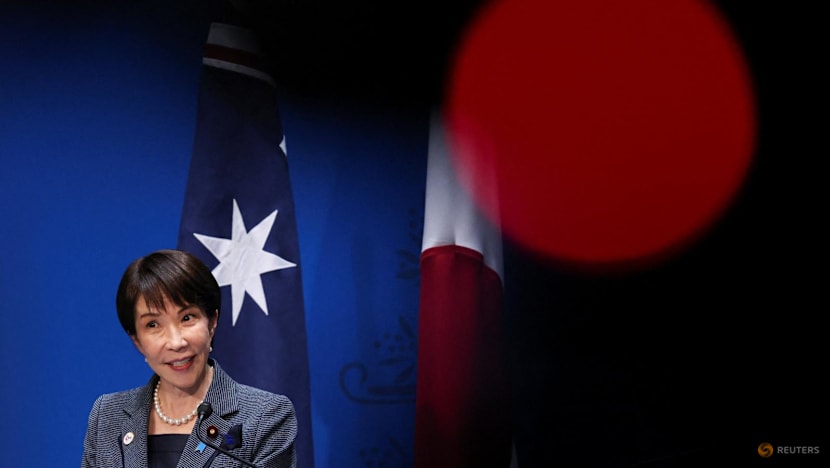
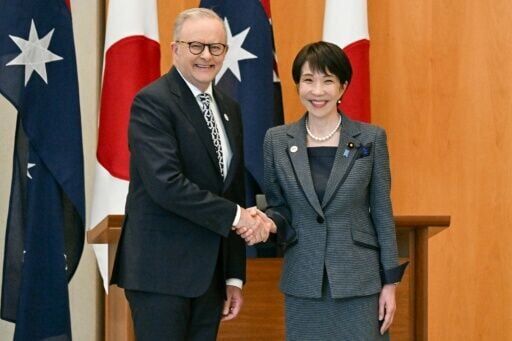
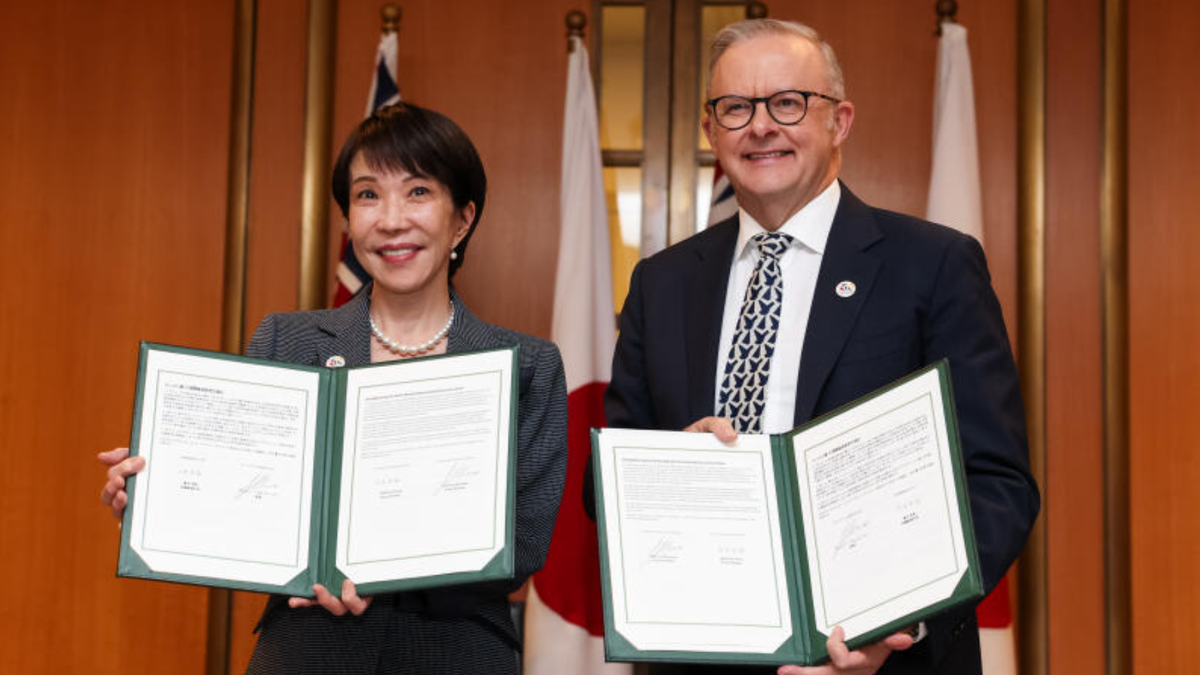
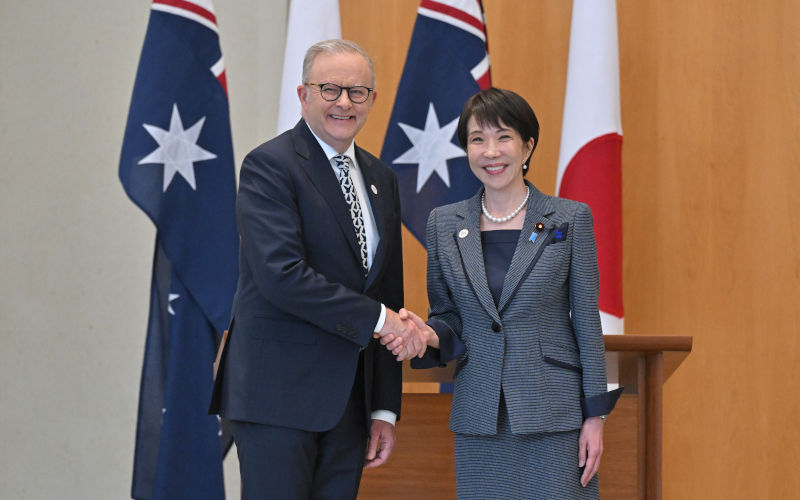
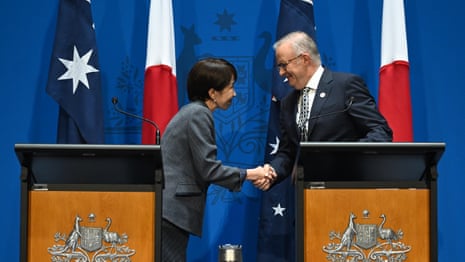
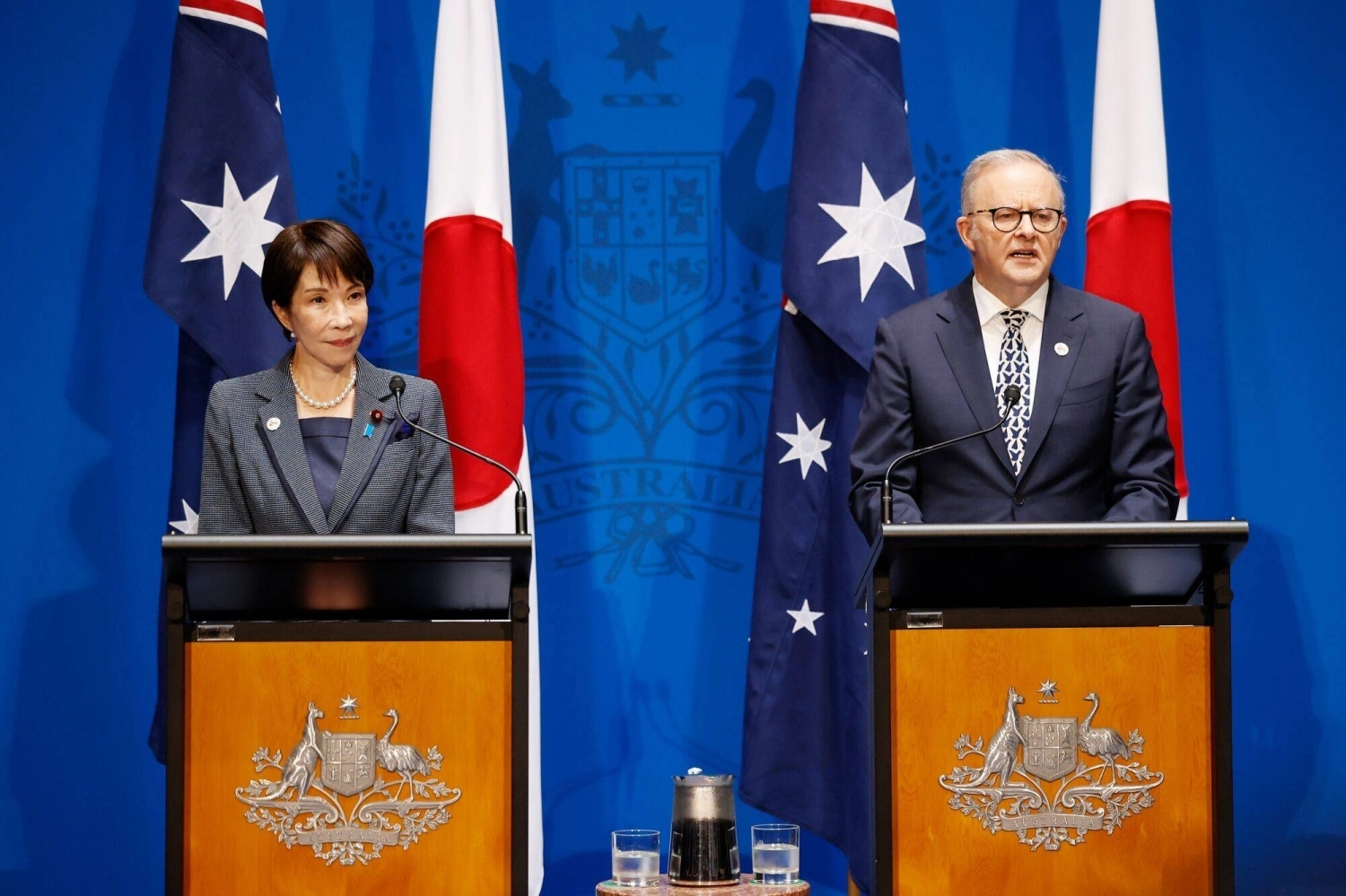
Japan and Australia's landmark $937 million critical minerals partnership, formalized May 4, 2026, represents a fundamental restructuring of Asia-Pacific supply chains with direct implications for cross-border e-commerce sellers. The bilateral agreement targets six commodity projects (nickel, rare earths, gallium, graphite, and fluorite) specifically designed to reduce dependence on Chinese supply chains—a strategic pivot triggered by China's 2024 rare earth export restrictions to Japan and ongoing geopolitical tensions. Simultaneously, Strait of Hormuz shipping disruptions since February 28, 2026 have effectively blocked approximately 20% of global oil and LNG supplies, with 80% destined for Asian markets, creating immediate logistics cost pressures across the region.
For electronics and semiconductor sellers, this partnership creates a critical sourcing window. Lynas Rare Earths, Australia's largest rare earth miner outside China, began heavy rare earth element supplies to Japanese industrial companies in 2025 and is now positioned as the primary alternative to Chinese sources. Sellers sourcing components from Japan or manufacturing in Asia-Pacific can expect 8-15% increases in energy-related logistics costs through Q3 2026, but simultaneously gain access to diversified rare earth supplies previously unavailable outside Chinese channels. The $937 million Australian government commitment signals long-term supply stability—reducing the risk of future Chinese export restrictions that plagued sellers in 2024. This creates a 6-12 month window for sellers to establish alternative sourcing relationships before competitors recognize the opportunity.
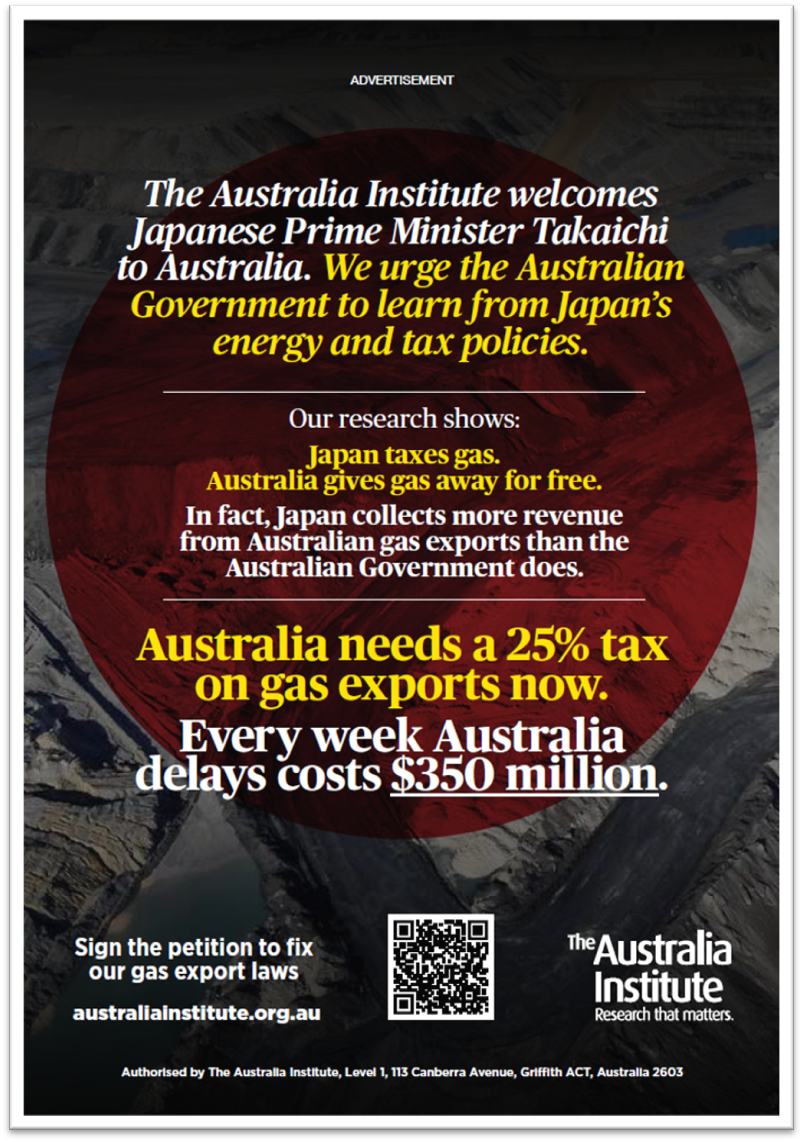
The energy security crisis compounds these dynamics. Australia supplies one-third of Japan's total energy requirements and serves as its largest LNG provider. With Strait of Hormuz shipping blocked, both nations are prioritizing supply chain resilience, but short-term disruptions will persist through mid-2026. Sellers operating in Japan, Australia, or serving Asia-Pacific customers face immediate cost pressures: shipping rates to Japan have increased 12-18% since March 2026, and manufacturing costs for electronics dependent on semiconductor components face 5-8% margin compression due to critical mineral supply constraints. However, the bilateral agreements signal government-level stabilization efforts—Australia is monitoring operational risks at major gas facilities and political pressure to increase export taxation, but both governments are committed to maintaining supply flows to Japan.
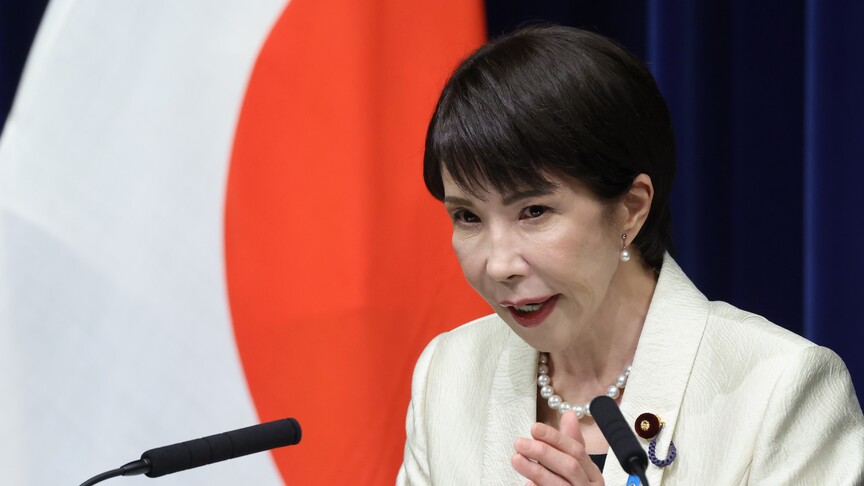
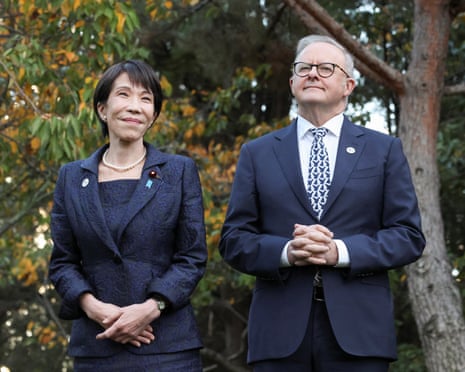
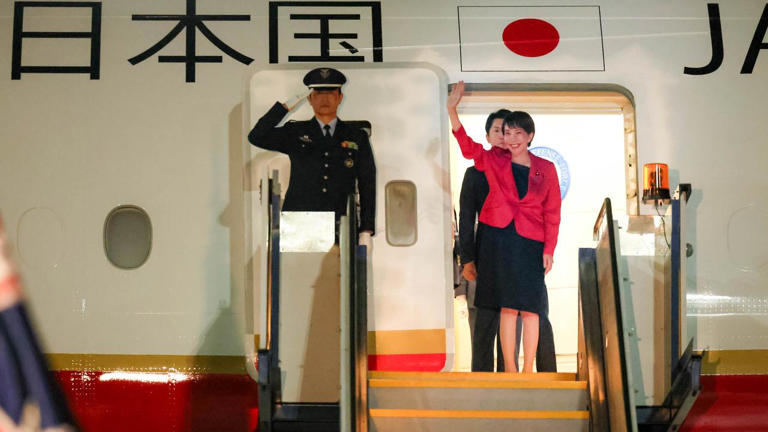
Strategic sourcing shifts are accelerating. Japan's second-largest investor group status in Australia (after China) and the multibillion-dollar naval vessel purchase agreement indicate Japan is building long-term supply relationships beyond energy. Sellers should monitor Vietnam and Southeast Asian markets, where Prime Minister Takaichi conducted parallel discussions on energy and critical minerals—signaling potential supply chain diversification opportunities. The defense cooperation framework (1,400 Japanese troops deploying to Philippines joint drills) indicates geopolitical realignment that will reshape trade corridors and tariff structures across the Indo-Pacific over the next 12-24 months.
Questions 8
How will energy cost increases impact profit margins for sellers in Japan and Australia markets?
Energy cost increases translate directly to higher manufacturing, logistics, and fulfillment expenses. For sellers sourcing products from Asia-Pacific or shipping to Japan/Australia, expect 5-8% margin compression in Q2-Q3 2026 due to combined shipping rate increases (12-18%) and manufacturing cost pressures from critical mineral supply constraints. Sellers should immediately review pricing strategies: consider 3-5% price increases on high-volume SKUs, shift inventory to lower-cost 3PL providers outside energy-constrained regions, and negotiate fixed-rate shipping contracts through Q4 2026. Monitor Australian government announcements regarding LNG export taxation increases, which could further elevate energy costs by 2-4% if implemented.
Which product categories benefit most from the supply chain decoupling from China?
Electronics, semiconductors, EV batteries, and defense-related components benefit most from rare earth supply diversification. Sellers in these categories should prioritize sourcing from Japanese suppliers and Australian mining operations to reduce China-dependency risk. Gallium and graphite supplies are particularly critical for semiconductor manufacturing—sellers should audit their supply chains to identify Chinese sourcing dependencies and establish alternative relationships with Australian producers. Food and agricultural products also benefit, as Australia supplies one-third of Japan's total energy needs and serves as a major food exporter. Sellers in specialty foods, agricultural equipment, and food processing should explore Japanese market opportunities as bilateral trade deepens.