
E-Commerce Waste Crisis Exposes $2B+ Inventory Management Opportunity for Sellers
- Viral cannabis disposal story reveals 120B lbs daily US retail waste; sellers can capture margin through discount liquidation platforms and circular economy models
Overview
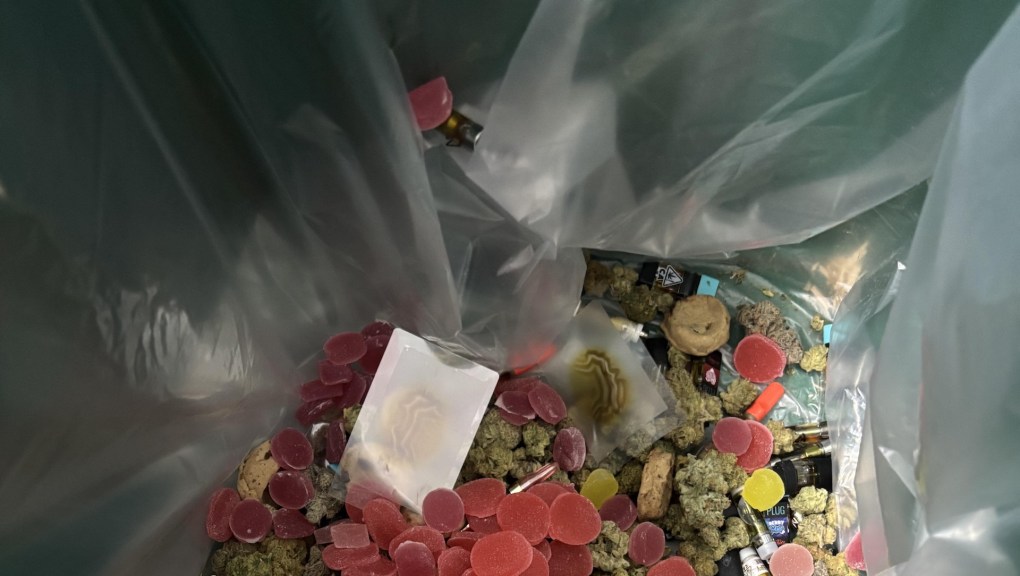
The viral Reddit post showing cannabis products destined for disposal (56,000+ votes, 5,500 comments) has exposed a critical e-commerce pain point affecting sellers across all categories: inventory waste management. While the cannabis industry faces regulatory destruction mandates, the underlying issue—120 billion pounds of food wasted daily in the U.S. affecting 7+ million households—signals a massive market opportunity for cross-border sellers. The core problem: Traditional retail and e-commerce sellers destroy excess inventory due to expiration dates, recalls, overstock, or regulatory requirements, creating both financial losses and environmental liability. The seller opportunity: Platforms like Flashfood demonstrate that discounted liquidation can recover 30-50% of lost margin on near-expiration products. For sellers managing perishables, beauty products, electronics with battery components, or regulated items (supplements, CBD, vape cartridges), this represents a 2-4% revenue recovery opportunity currently left on the table.
Specific seller impact by category: Food/beverage sellers lose $8-15 per unit on expired inventory; beauty/cosmetics sellers face 5-8% quarterly waste rates; electronics sellers with battery-powered items (vape cartridges, e-cigarettes, power banks) face dual losses—inventory write-offs plus environmental compliance costs. The news reveals that no nationwide recycling program exists for vape cartridges and batteries, creating regulatory uncertainty and potential liability for sellers shipping these items. Cannabis sellers specifically face mandatory destruction requirements with bleach application, but this extends to any category with contamination recalls (mold, pesticides, heavy metals).
Platform and operational implications: Amazon sellers with high IPI scores can leverage Fulfillment by Amazon (FBA) liquidation auctions, but recovery rates average only 10-20% of original cost. Shopify sellers lack native liquidation tools and must manually integrate third-party platforms. eBay sellers can list overstock as "Liquidation" category items, capturing 25-35% recovery. The environmental angle creates new B2B opportunities: sellers can partner with recycling-focused companies to offer take-back programs (similar to the credit system suggested for vape cartridges), converting waste into customer loyalty and brand differentiation. This is particularly valuable for sellers targeting Gen Z and millennial consumers who prioritize sustainability—a demographic representing 35-40% of e-commerce spending.
Risk and opportunity window: The viral moment indicates growing consumer awareness of retail waste, which will pressure platforms and sellers toward transparency. Sellers who proactively implement liquidation strategies, take-back programs, or circular economy models will gain competitive advantage. Those ignoring waste management face reputational risk (social media backlash) and operational costs (storage, disposal, regulatory fines). The opportunity window is 6-12 months before major platforms implement mandatory waste reporting or sustainability scoring.
Questions 8
What are the regulatory risks for sellers shipping cannabis, vape cartridges, and battery products?
The viral post highlights that cannabis sellers face mandatory destruction requirements with documented bleach application, creating compliance costs and environmental liability. For vape cartridges and batteries, the news confirms no nationwide recycling program exists, leaving sellers exposed to state-level regulations and potential fines. Sellers shipping these items must verify compliance with EPA battery regulations, state cannabis destruction laws, and emerging environmental standards. Non-compliance can result in $500-5,000 per violation fines plus inventory seizure. Sellers should audit their supply chain and implement take-back programs to mitigate regulatory risk.
Which e-commerce platforms offer the best inventory liquidation options?
Amazon FBA sellers can access liquidation auctions through Seller Central, though recovery rates average only 10-20% of original cost. eBay sellers can list overstock in the Liquidation category, typically recovering 25-35% of value. Shopify sellers lack native liquidation tools and must manually integrate third-party platforms like Flashfood or Liquidation.com. For cross-border sellers, regional platforms vary: Alibaba offers B2B liquidation, while Amazon EU has separate liquidation processes. Sellers should compare recovery rates across platforms—third-party liquidation platforms often outperform marketplace native tools by 5-10%.