
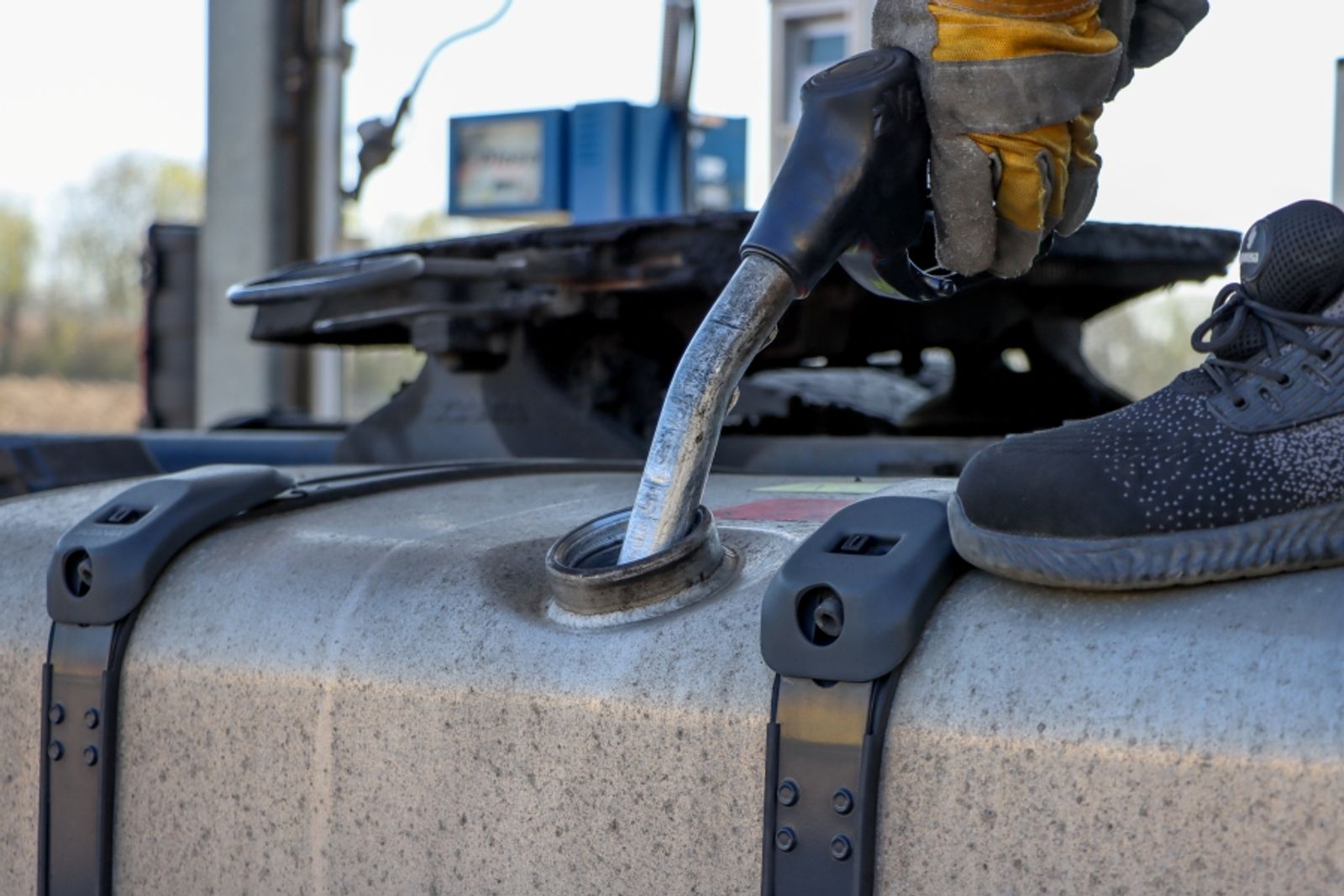
US Fuel Costs Force Logistics Restructuring | Seller Shipping Impact 2026
- Diesel exceeds $5/gallon, triggering 8-15% shipping cost increases and extended transit times for FBA sellers and 3PL operations nationwide
Overview
Rising diesel fuel costs exceeding $5 per gallon are fundamentally restructuring US domestic logistics networks, creating immediate cost pressures and operational challenges for e-commerce sellers relying on FBA and third-party fulfillment. According to the Journal of Commerce report (May 4, 2026), sustained fuel prices combined with capacity constraints and geopolitical uncertainty have triggered a structural shift in how carriers manage freight. Smithfield Foods exemplifies the industry response: CEO Charles Shane Smith disclosed the company eliminated one million road miles in 2025 through network optimization and increased intermodal adoption—a concrete indicator that major shippers are redesigning distribution networks to reduce fuel exposure rather than absorbing surcharges.
For e-commerce sellers, this creates three immediate operational impacts. First, shipping costs are rising 8-15% across major routes as carriers implement fuel surcharges and adjust capacity allocation. Sellers shipping 1,000+ units monthly via LTL (less-than-truckload) or parcel carriers should expect $150-400 monthly cost increases depending on weight and destination zone. Second, intermodal adoption is extending transit times by 3-7 days on certain routes as shippers consolidate lanes and shift freight to rail/maritime combinations. This affects Amazon FBA sellers managing inventory velocity and BSR rankings—slower replenishment cycles can degrade Buy Box eligibility. Third, lane consolidation is reducing shipping frequency and flexibility, meaning sellers may face longer pickup windows or minimum shipment requirements, forcing inventory redistribution across multiple fulfillment centers.
Strategic sourcing and inventory positioning are now critical. Sellers should evaluate nearshoring opportunities from Mexico and Central America for time-sensitive categories (apparel, electronics, home goods) where fuel costs represent 12-18% of landed cost. Mexican manufacturing hubs offer 40-50% fuel cost savings versus Asian sourcing when accounting for reduced domestic trucking miles. For inventory strategy, stock 60-90 days of fast-moving SKUs in regional 3PL warehouses (Texas, Georgia, California) before Q3 2026 to avoid peak fuel surcharge periods. Consolidate slow-moving inventory to single fulfillment locations to reduce handling costs. Consider hybrid fulfillment models: dropshipping for low-velocity items, FBA for high-velocity categories, and 3PL for mid-tier products requiring regional distribution. Warehouse positioning matters significantly—facilities near major rail hubs (Chicago, Memphis, Dallas) offer 5-8% cost advantages through intermodal access, while coastal ports (LA, Houston) provide maritime alternatives for heavy/bulky categories.
Questions 8
How does lane consolidation affect my shipping flexibility?
Lane consolidation reduces shipping frequency and flexibility—carriers may require longer pickup windows or minimum shipment quantities. This forces inventory redistribution across multiple fulfillment centers and increases planning complexity. Mitigate by consolidating your own shipments (combining multiple SKUs into single LTL shipments) to meet carrier minimums. Partner with 3PL providers offering flexible pickup schedules and smaller minimum quantities. Build 5-7 day buffers into replenishment timelines to accommodate consolidation delays. Monitor carrier service levels and switch providers if consolidation impacts your inventory velocity.
Should I lock in shipping rates with carriers now?
Yes, negotiate 6-12 month contracts with fixed fuel components with your primary carriers and 3PL providers. Fuel surcharges are typically indexed to weekly diesel prices, creating unpredictability. Fixed-rate contracts eliminate this volatility and improve margin forecasting. Expect to pay 2-4% premium for rate locks, but this protects against further fuel spikes. Prioritize contracts for your top 5 shipping lanes (highest volume). Review contract terms quarterly and renegotiate if fuel prices drop below contract baselines.