




Spirit Airlines Collapse Signals Logistics Cost Crisis for E-Commerce Sellers
- Airline industry consolidation and 50% regional airfare increases threaten shipping costs for cross-border sellers; jet fuel prices exceed $100/barrel amid Iran conflict










Overview
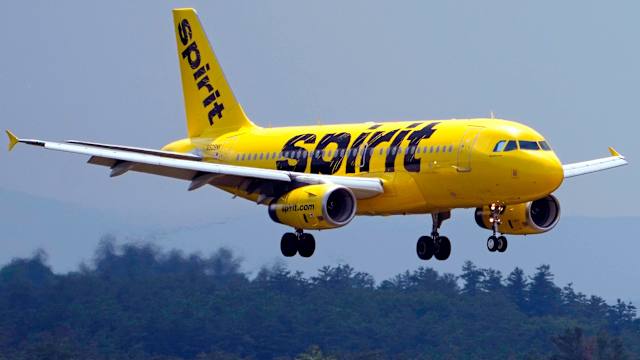
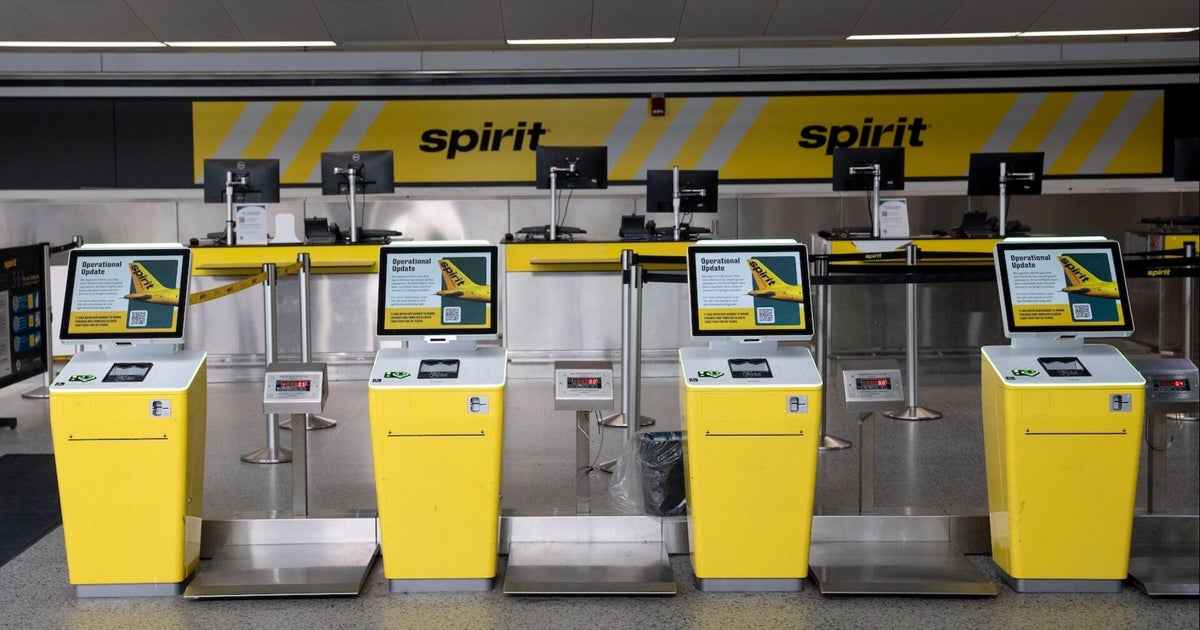
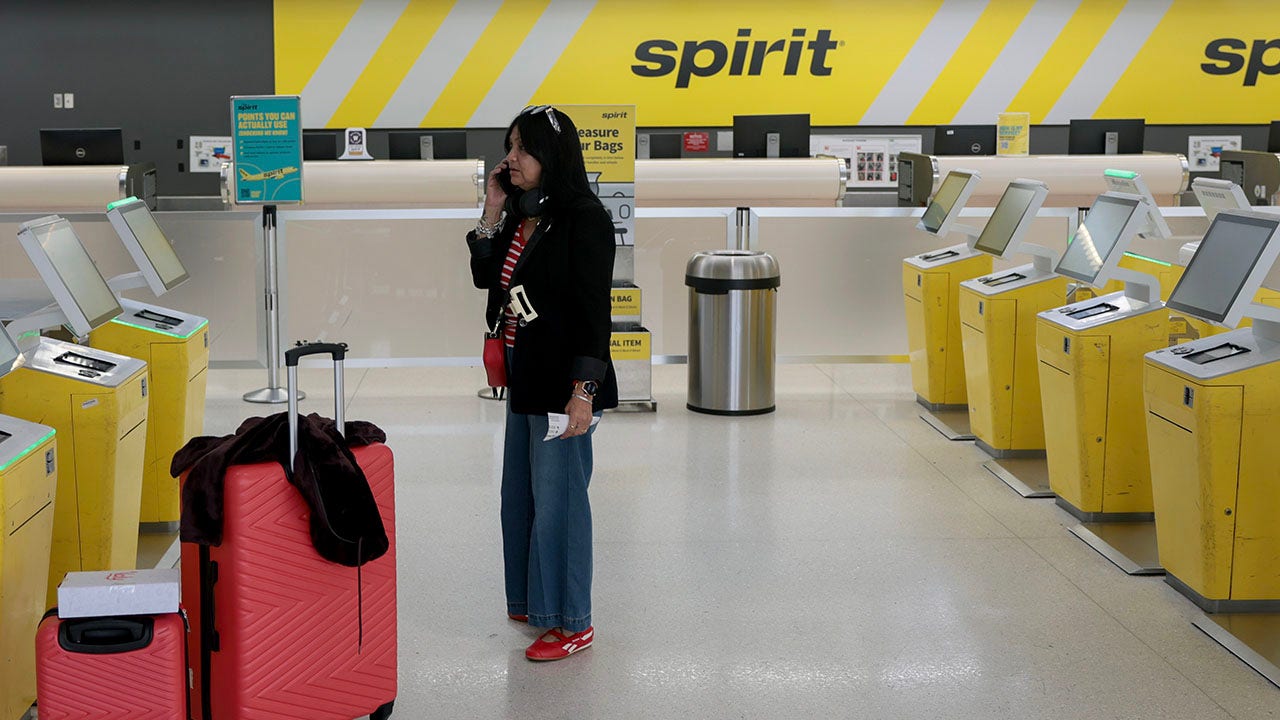
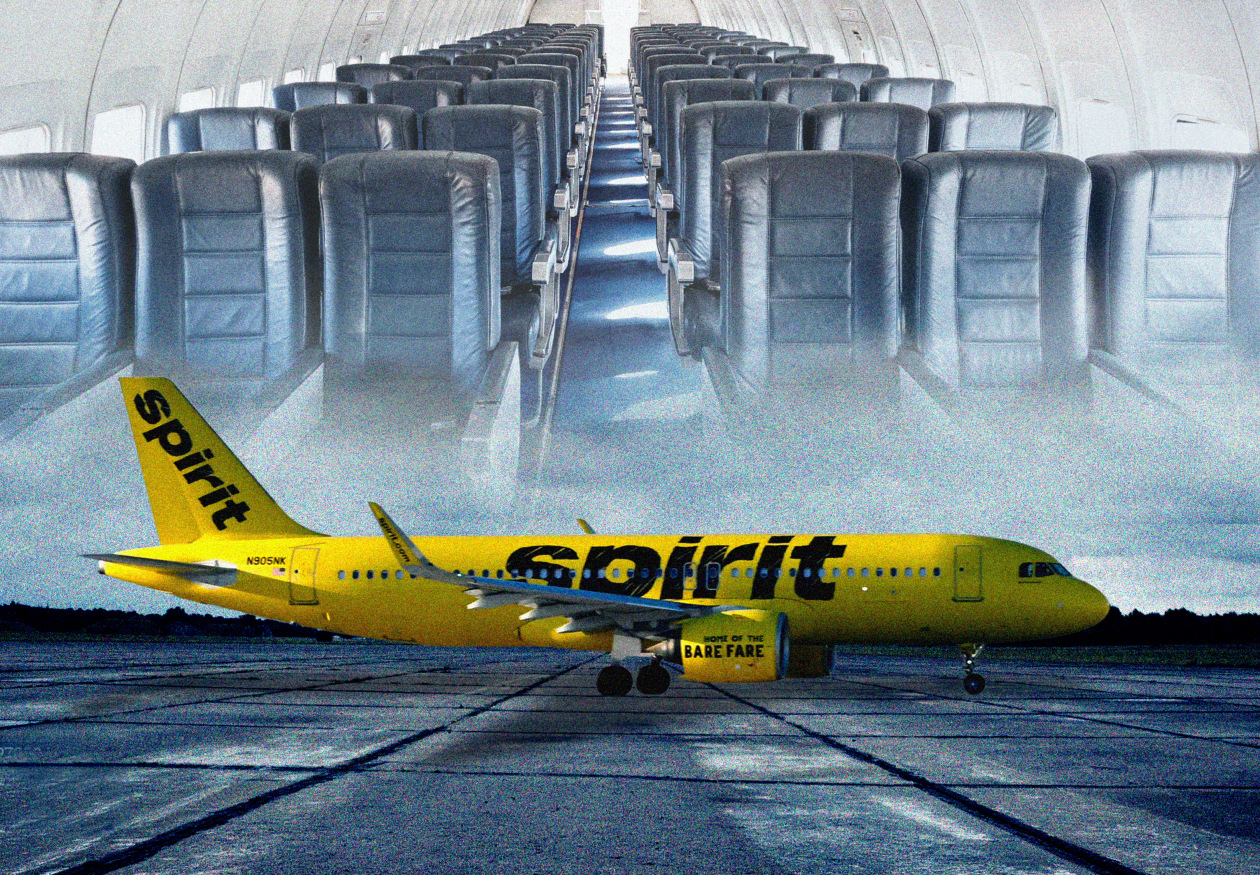
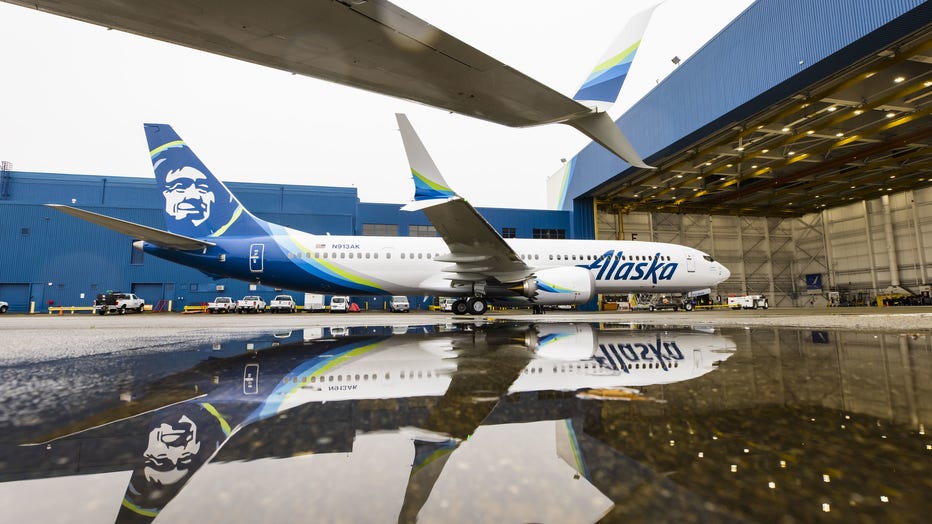
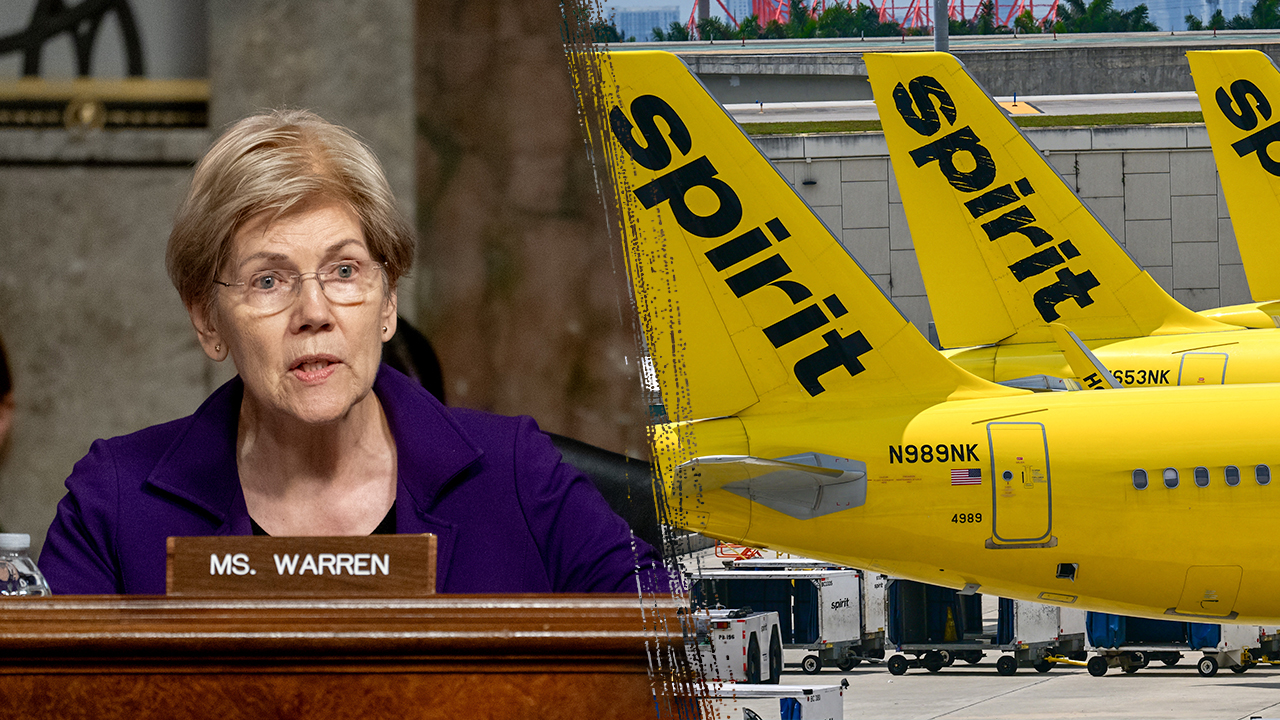
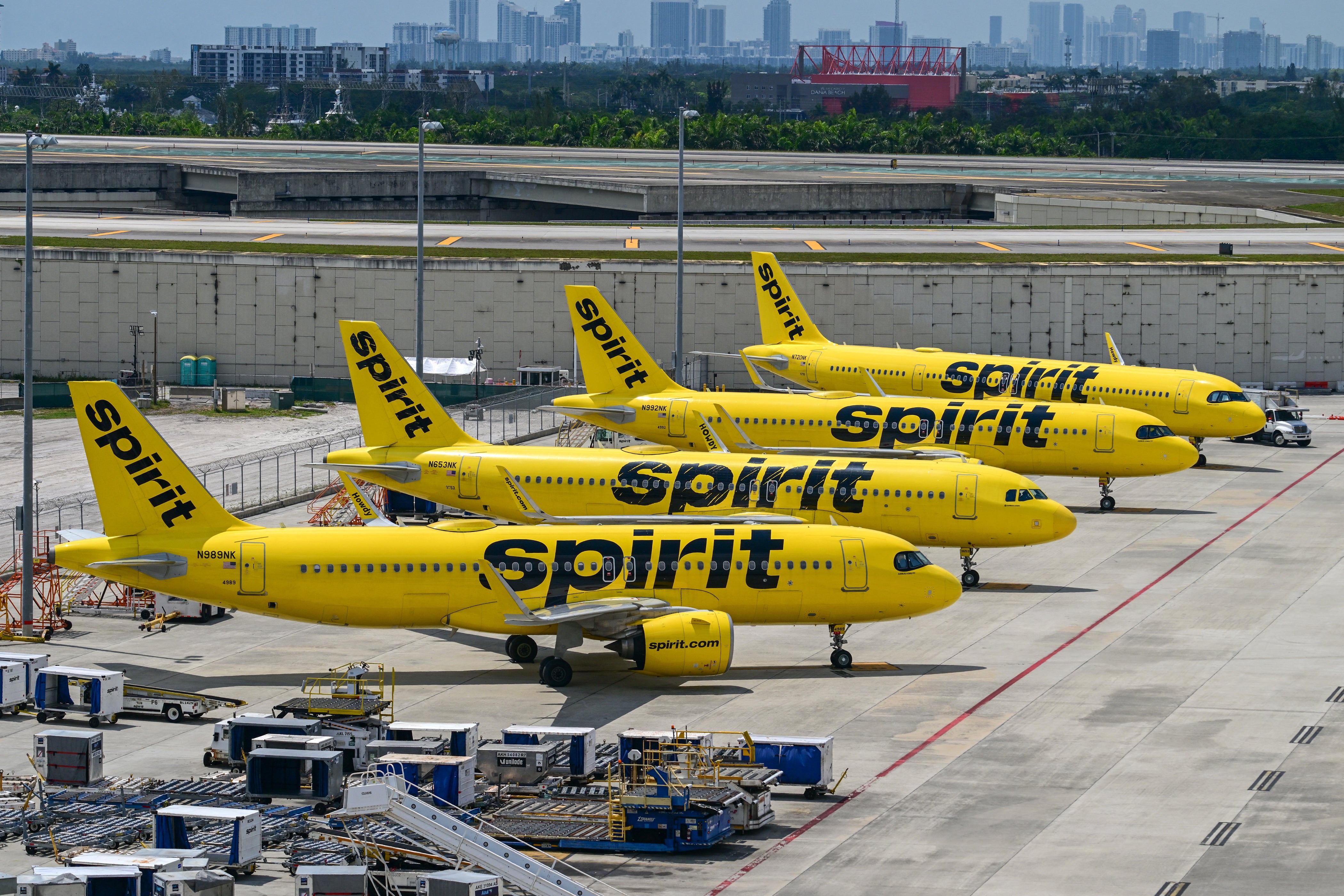
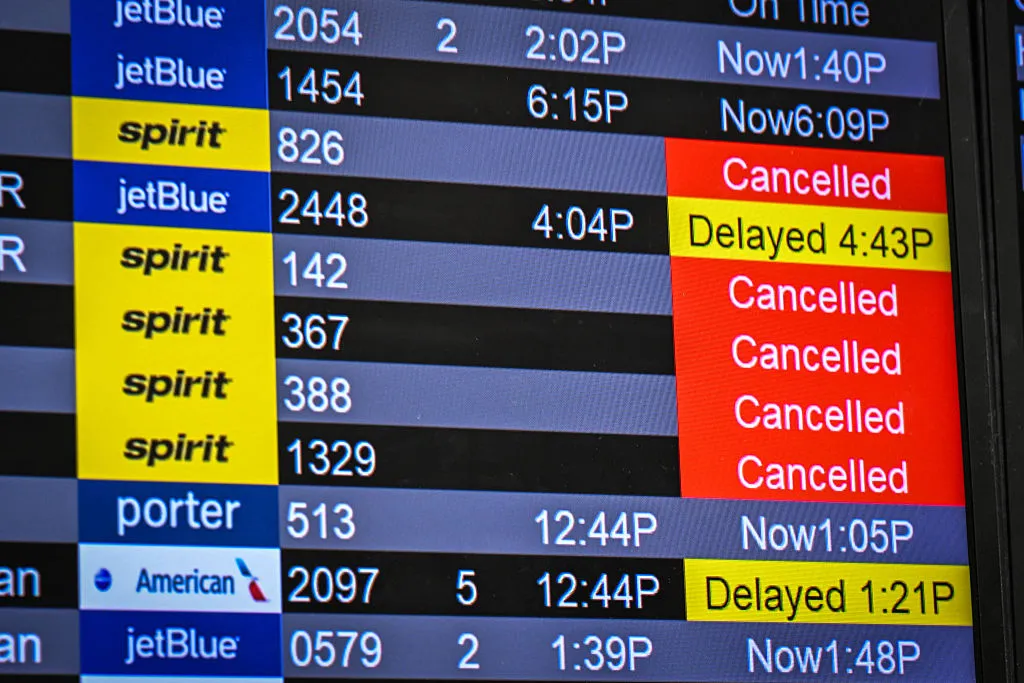
Spirit Airlines' May 2026 collapse represents a critical inflection point for e-commerce sellers relying on air freight and regional logistics networks. The ultra-low-cost carrier's shutdown—triggered by crude oil prices exceeding $100 per barrel following the Iran conflict, combined with structural business model failures—eliminates a key competitive pressure on airfare pricing. With four major carriers (United, Southwest, American, Delta) now controlling 80% of U.S. domestic capacity, the industry consolidation directly impacts seller fulfillment costs across multiple channels.
The immediate logistics impact is severe for cross-border and regional sellers. When Spirit ceased Minneapolis service in December 2025, Delta raised prices up to 50% on affected routes—a precedent now repeating nationwide. Sellers using air freight for time-sensitive inventory (electronics, fashion, perishables) face 8-15% cost increases on shipping to secondary markets. The 17,000 job losses in Spirit's supply chain (direct and indirect workers) also compress logistics capacity at regional hubs, forcing sellers to rely on consolidated carriers with higher ancillary fees. Jet fuel surcharges, already elevated at $4+ per gallon, will remain sticky even if crude prices moderate, as major carriers use consolidation to maintain margin expansion rather than pass savings to shippers.
For Amazon FBA and third-party logistics providers, the consolidation creates both risk and opportunity. Sellers shipping inventory via air to regional fulfillment centers will see 10-12% cost increases through 2026, compressing margins particularly for low-margin categories (apparel, home goods). However, this creates arbitrage opportunities: sellers can shift inventory to ground-based 3PL networks, negotiate volume discounts with remaining carriers, or accelerate adoption of regional warehousing to reduce air-freight dependency. The collapse also signals that pure price-competition business models (Spirit's strategy) fail in capital-intensive industries—a lesson directly applicable to sellers competing solely on price without service differentiation. Southwest and Frontier remain profitable by bundling service quality with low costs, mirroring successful e-commerce sellers who combine competitive pricing with superior customer experience and fulfillment speed.
Questions 8
What regulatory or policy changes might follow Spirit Airlines' collapse?
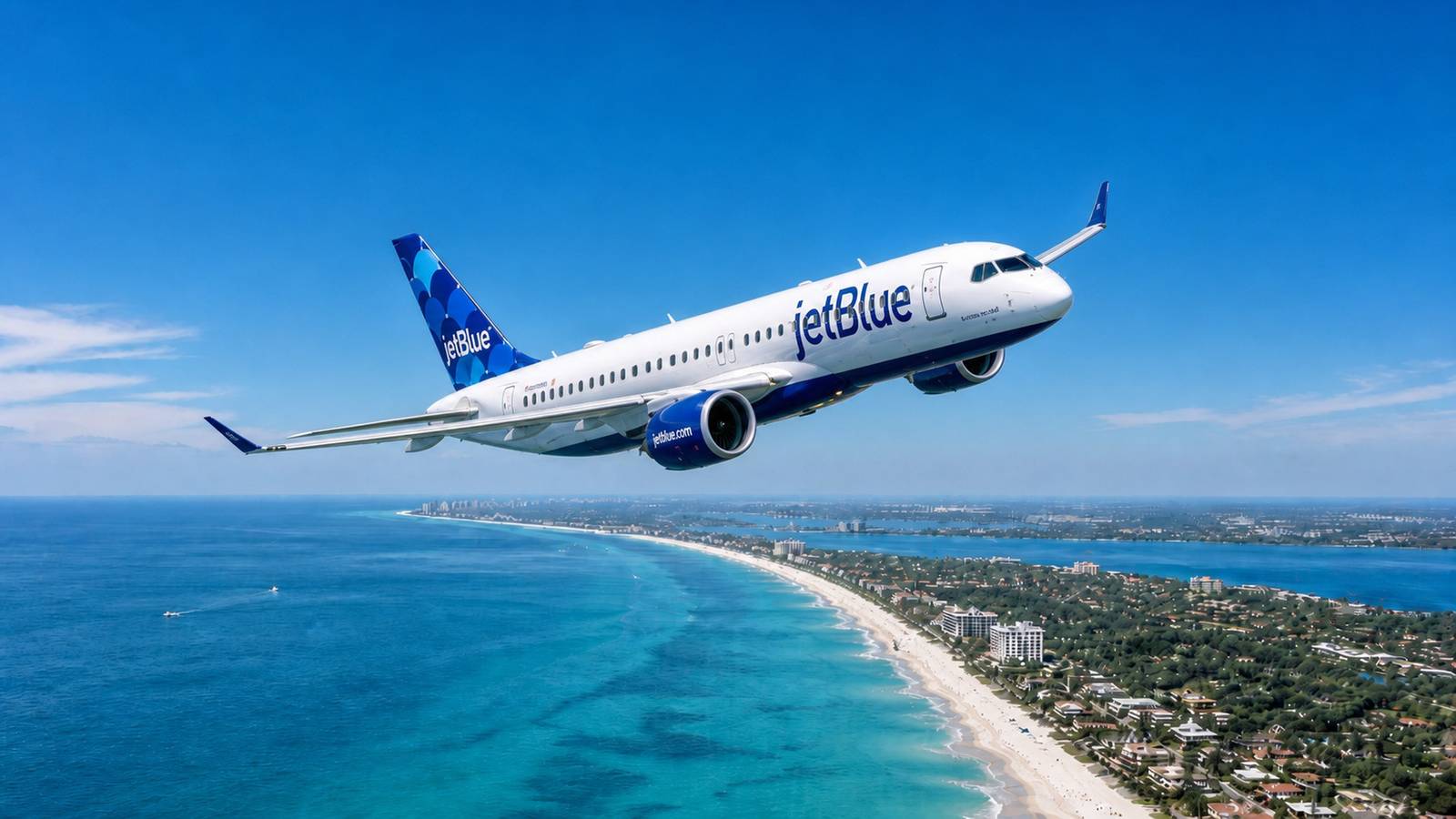
Spirit's failed $500 million government loan negotiation (which would have granted 90% equity stake) suggests limited appetite for airline industry bailouts despite 17,000 job losses. The Trump administration's involvement indicates potential policy shifts toward industry consolidation rather than competitive preservation. For sellers, monitor: (1) potential tariffs on imported goods (which increase shipping costs when combined with fuel surcharges); (2) labor policy changes affecting 3PL and fulfillment center operations; (3) infrastructure spending that might improve ground-based logistics alternatives to air freight; (4) international trade agreements affecting cross-border shipping routes. The blocked JetBlue-Spirit acquisition two years prior suggests regulatory barriers to consolidation may be easing, potentially accelerating further carrier mergers and rate increases.
What should I do immediately to protect my margins from shipping cost increases?
Take three immediate actions: (1) Audit your shipping mix—calculate the percentage of inventory shipped via air vs. ground, then model cost impact of 10-15% air freight increases; (2) Renegotiate 3PL and carrier contracts before Q3 2026, when fuel surcharges typically peak; (3) Shift non-time-sensitive inventory to ground-based regional fulfillment centers to reduce air freight dependency. For Amazon FBA sellers, review your fulfillment network and consider consolidating inventory at fewer, strategically-located centers to reduce inbound shipping costs. Monitor jet fuel prices weekly (EIA.gov) and set alerts for crude oil price changes—when prices stabilize, renegotiate carrier rates immediately to lock in savings before competitors do.