



OpenAI Governance Crisis Signals Regulatory Shift for AI-Powered E-Commerce Tools
- $150B lawsuit exposes conflicts of interest in AI leadership; sellers relying on ChatGPT integrations face platform uncertainty and potential governance restructuring












Overview
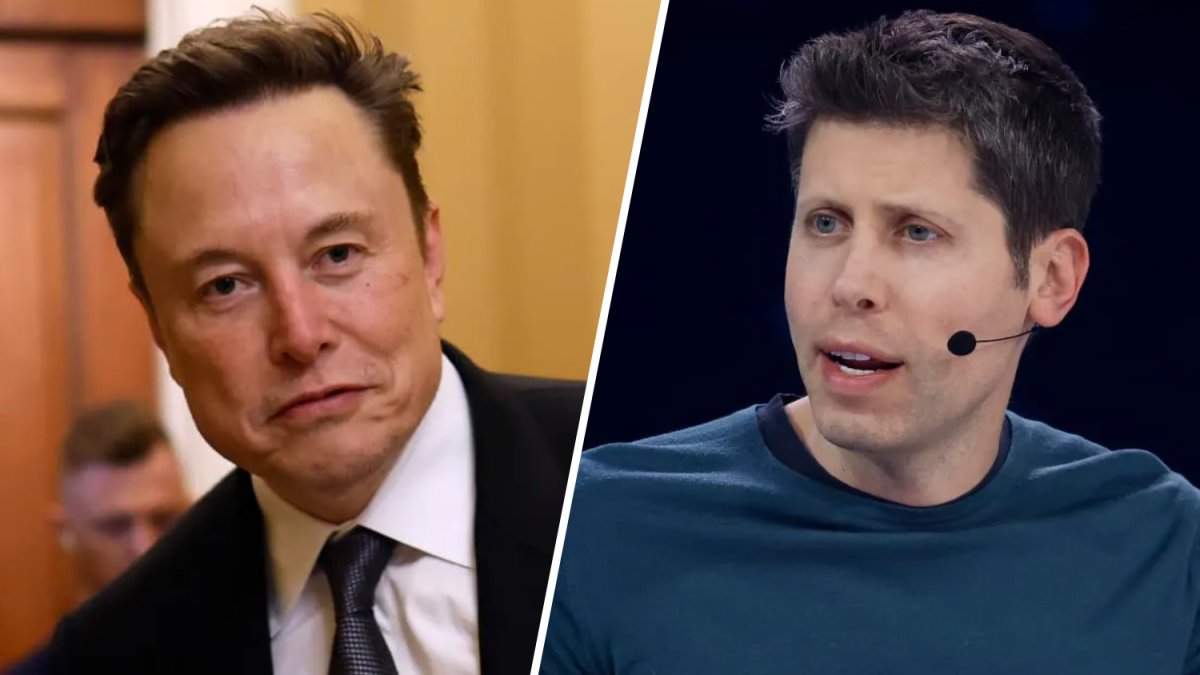
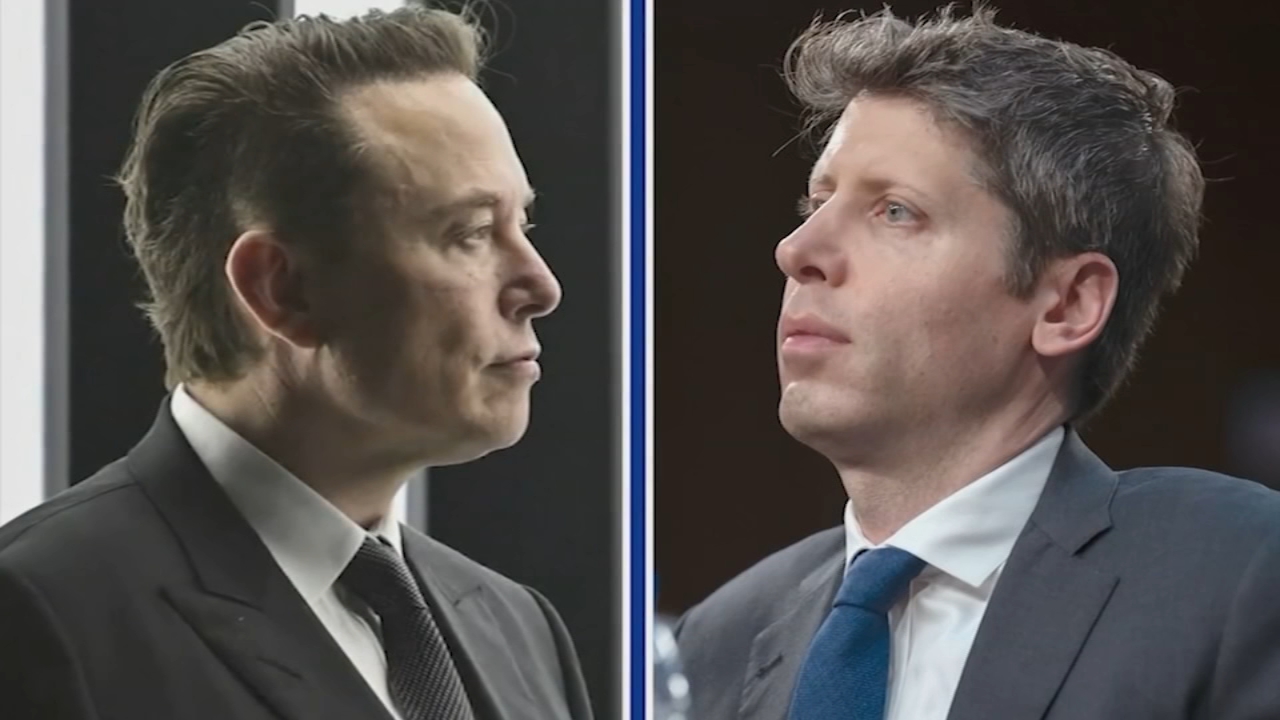
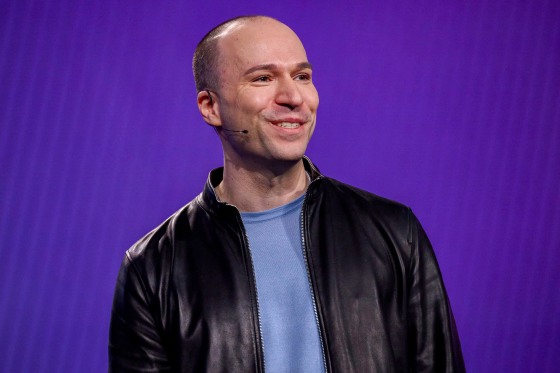
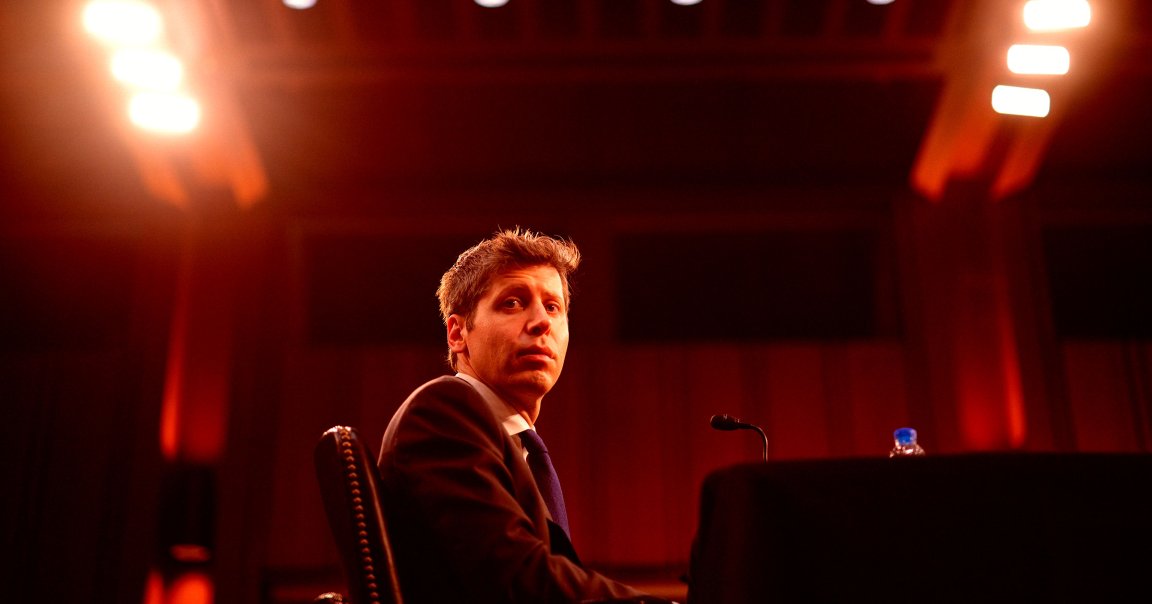
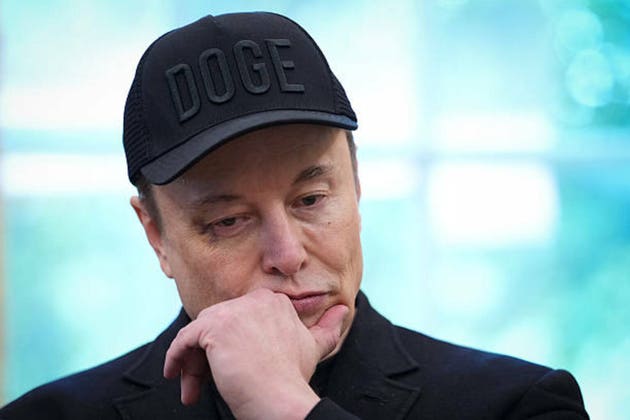
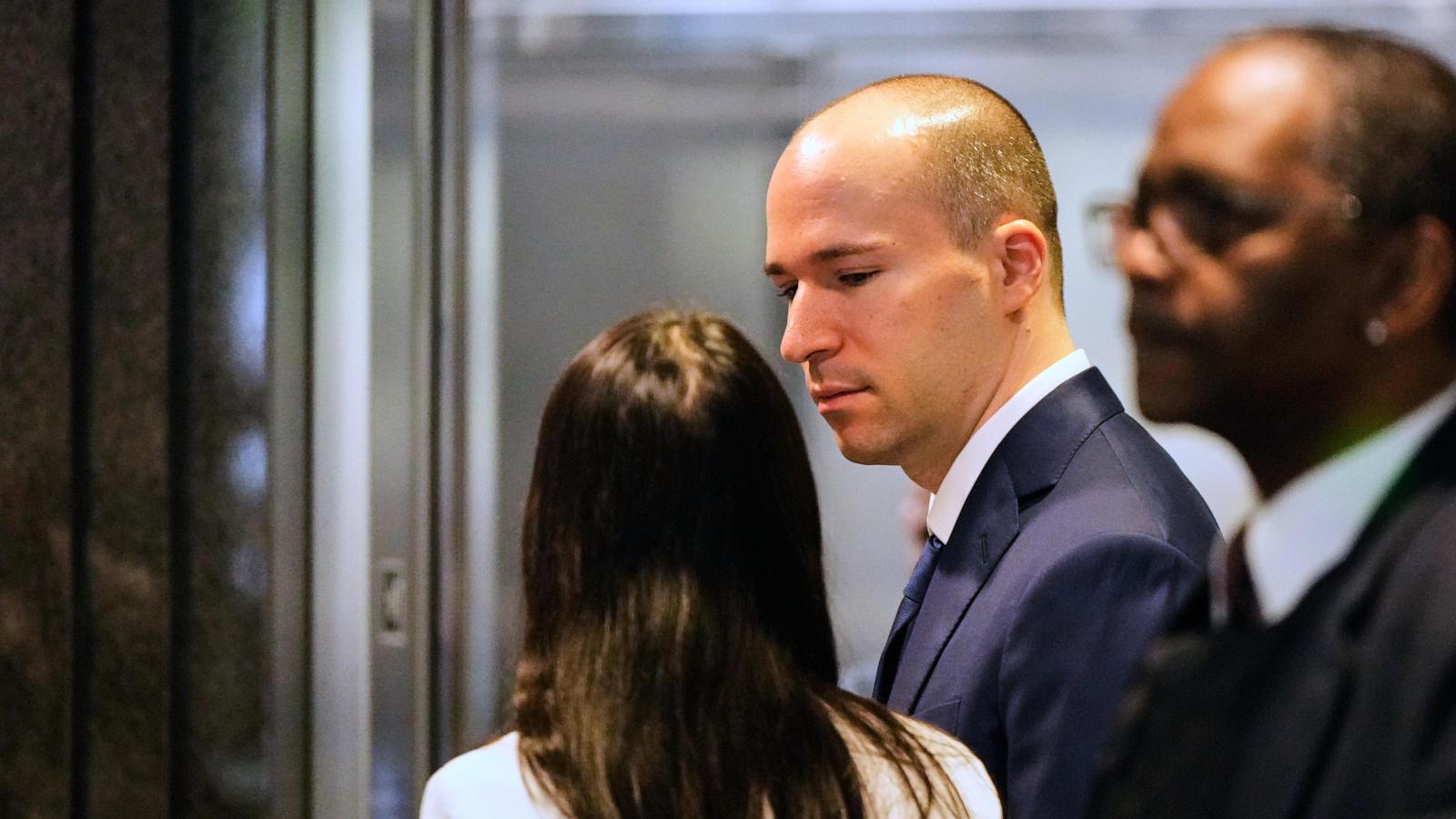
The May 2026 federal trial between Elon Musk and OpenAI represents a watershed moment for corporate governance accountability in the AI industry, with direct implications for e-commerce sellers leveraging AI-powered tools. The lawsuit centers on allegations that OpenAI abandoned its founding mission to develop safe AI by converting from nonprofit to for-profit status, with Greg Brockman's $30 billion stake and $10 million compensation from CEO Sam Altman's family office exemplifying the conflicts of interest at the company's core. Musk seeks $150 billion in damages and leadership removal, arguing OpenAI secured his $38 million in donations under false pretenses.
For e-commerce sellers, this trial outcome carries significant operational consequences. Thousands of sellers have integrated OpenAI's ChatGPT API into product listing optimization, customer service automation, and inventory management systems. The trial's focus on governance failures and potential leadership restructuring creates uncertainty around API stability, pricing models, and feature roadmaps. If the court mandates leadership changes or imposes operational restrictions on OpenAI, sellers could face service disruptions, API rate limit changes, or pricing increases—similar to how Twitter's acquisition under Musk led to API cost increases that forced many developers to migrate platforms.
The broader regulatory implications are equally significant. The trial highlights growing scrutiny of AI company governance structures and the tension between commercial interests and stated ethical missions. This precedent could trigger regulatory frameworks requiring AI companies to maintain transparent governance, independent boards, and clear conflict-of-interest policies. For sellers, this means future AI tools may face compliance requirements, audit obligations, or usage restrictions that affect how they can deploy AI in their operations. The $100+ billion in investor capital OpenAI has raised and its potential $1 trillion IPO valuation underscore the stakes—any governance restructuring could reshape the entire AI-as-a-service ecosystem that e-commerce platforms depend on.
Additionally, the trial exposes how leadership conflicts can compromise product safety and reliability. Brockman's undisclosed stakes in Cerebras (AI chips) and Helion Energy (fusion power) create potential conflicts in OpenAI's technology roadmap decisions. For sellers, this raises questions about whether AI tools they're using are optimized for their needs or for OpenAI leadership's financial interests. The court's examination of whether OpenAI violated charitable trust principles may establish precedents requiring AI vendors to disclose conflicts of interest to enterprise customers, creating new compliance obligations for sellers using these tools commercially.
Questions 8
How might OpenAI's potential $1 trillion IPO valuation affect seller costs?
OpenAI's IPO could trigger significant pricing changes as the company optimizes for shareholder returns rather than user growth. The trial reveals leadership conflicts that may have already influenced pricing decisions—Brockman's stakes in competing AI companies could bias OpenAI toward higher API costs to protect those investments. Post-IPO, expect ChatGPT API pricing to increase 20-40% as OpenAI prioritizes profitability. Sellers should lock in current API pricing through long-term contracts if available, or accelerate migration to alternative providers with more stable pricing models. Monitor OpenAI's IPO timeline (potentially 2026-2027) and plan budget adjustments accordingly.
What does Musk's $38 million donation claim reveal about AI company accountability?
Musk alleges OpenAI secured his $38 million in donations and personal assistance under false pretenses by promising to develop safe AI for humanity's benefit, then pivoting to commercial profit maximization. This highlights a critical accountability gap: founders and major donors have limited legal recourse if AI companies abandon their stated missions. For sellers, this underscores the importance of evaluating AI vendors' long-term stability and mission alignment. Companies with transparent governance, independent oversight, and clear accountability mechanisms are lower-risk partners. The trial may establish precedents requiring AI companies to honor their founding missions or face legal liability, which could reshape how AI vendors operate and communicate with customers.