
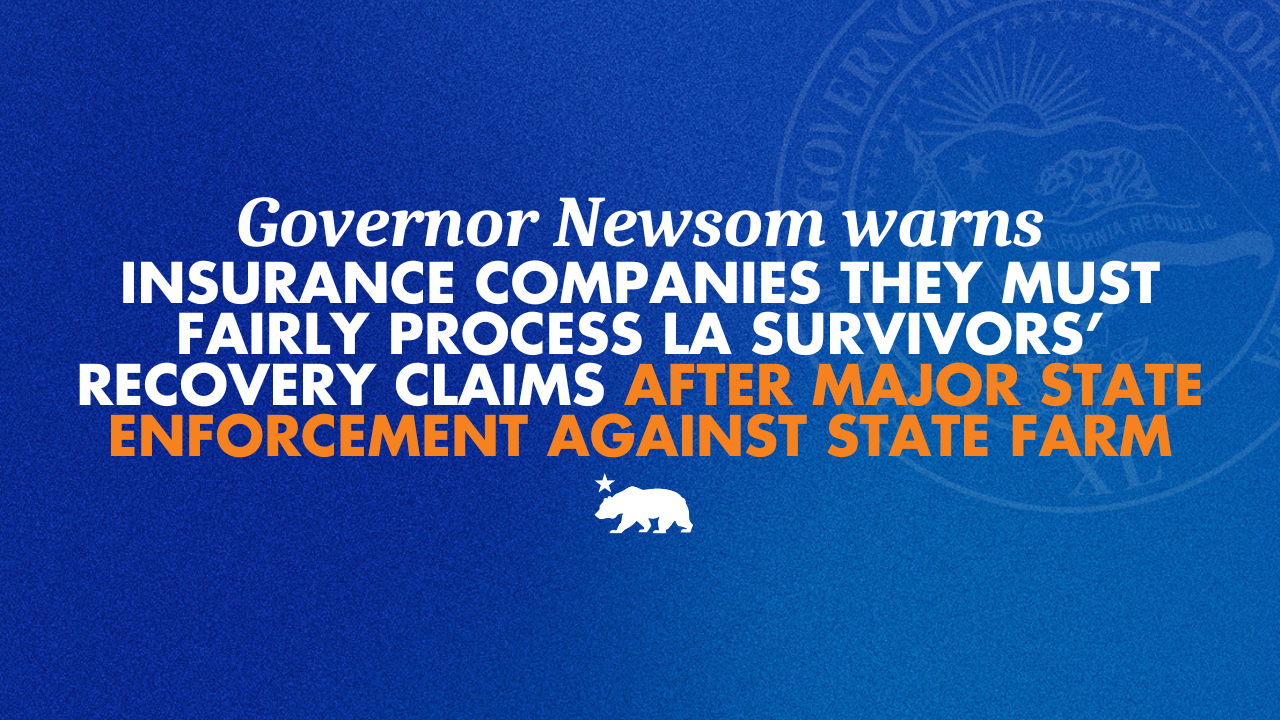




California Insurance Enforcement Creates Compliance Opportunity for Claims Management Tech Sellers
- State Farm faces $4M+ penalties and potential license suspension; creates demand for claims processing software, disaster recovery services, and compliance documentation tools across California's $240B insurance market







































Overview
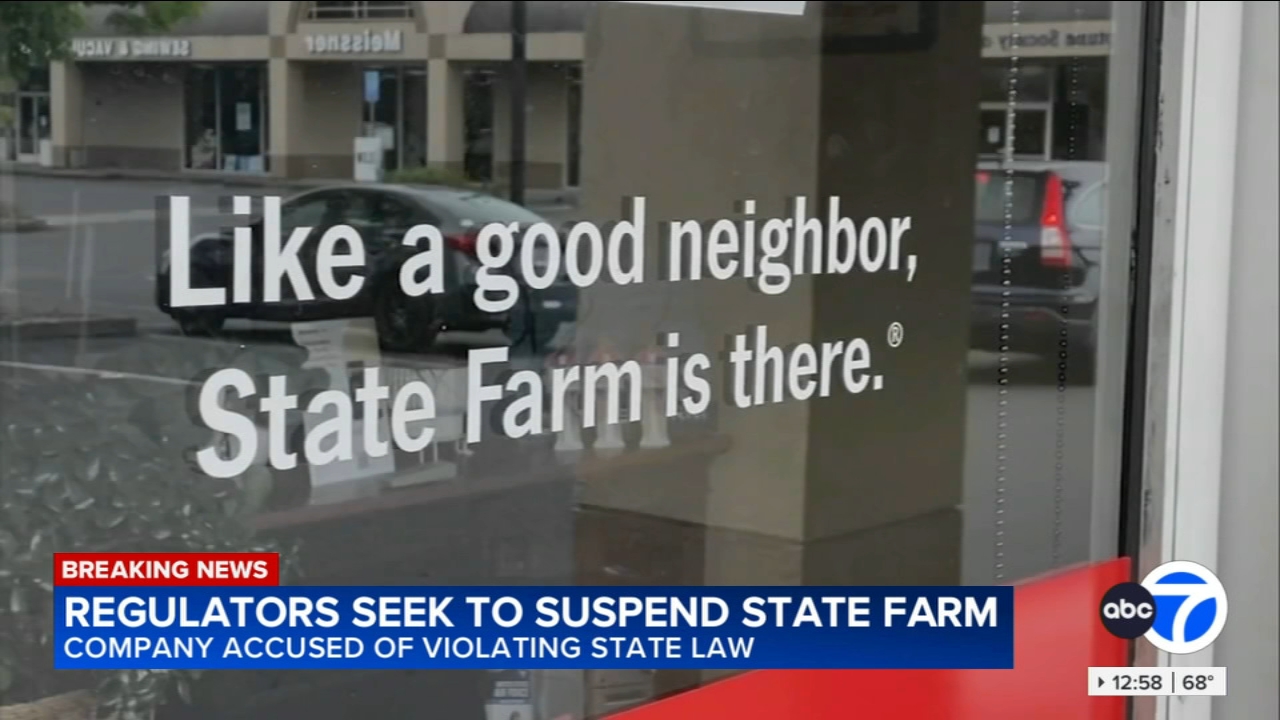
California's Department of Insurance enforcement action against State Farm for violations in handling 2025 Eaton and Palisades wildfire claims represents a critical regulatory inflection point that creates substantial B2B e-commerce opportunities. The investigation identified approximately 400-430 violations across 220 sampled claims, including delayed investigations (up to 3 months), underpayment of claims, and misclassification of remediation testing costs. State Farm, which handled one-third of residential claims (approximately 13,700 auto and home claims totaling $5.7 billion), faces potential penalties reaching $4-10 million per violation if willful violations are proven, plus possible license suspension prohibiting new policy sales in California for up to one year.
This enforcement action directly creates compliance-driven market opportunities for sellers of specialized software and services. The violations centered on claims processing delays and documentation failures—areas where digital solutions can establish competitive moats. Sellers offering claims management software, automated investigation tracking systems, and compliance documentation platforms now face a market where regulatory compliance is non-negotiable. California's insurance market, with State Farm insuring approximately one-fifth of property owners, represents a $240B+ addressable market where carriers must now implement enhanced claims handling procedures to avoid similar enforcement actions.
The regulatory precedent is significant: State Farm is the second insurer facing legal action over fire claim handling (following FAIR Plan enforcement), indicating California regulators are establishing systematic compliance requirements. This creates a "compliance barrier as moat" scenario where sellers of claims management solutions can position their products as regulatory-required infrastructure. The 3-month investigation delay and documented internal acknowledgments that payments should have been approved months earlier highlight specific process failures that technology solutions directly address.
For B2B sellers, this enforcement action signals that California insurance carriers will prioritize compliance spending over operational efficiency. Carriers facing similar regulatory scrutiny will invest in automated claims investigation tracking, real-time communication logging with policyholders, and audit-ready documentation systems. The market for these solutions is accelerating due to California's ongoing insurance crisis, where major carriers have restricted coverage or exited high-risk regions, concentrating remaining carriers' regulatory exposure. Sellers offering claims management platforms, disaster recovery coordination software, and compliance monitoring tools can now market directly to California's insurance carriers with regulatory enforcement as the primary value driver.
Questions 7
How does California's insurance crisis amplify the compliance opportunity?
California's ongoing insurance crisis has forced major carriers to restrict coverage or exit high-risk regions, concentrating remaining carriers' regulatory exposure and market share. State Farm's potential license suspension would create coverage gaps for thousands of policyholders, increasing pressure on remaining carriers to handle claims flawlessly. This consolidation means fewer carriers handling higher claim volumes, making claims processing automation and compliance documentation more critical. Carriers cannot afford regulatory violations when they already face market exit pressures. The combination of regulatory enforcement and market consolidation creates a 'compliance barrier as moat' scenario where sellers of claims management solutions can establish defensible market positions by helping carriers achieve regulatory compliance.
What timeline do California insurance carriers have to implement compliance improvements?
The administrative law judge hearing will determine the merit of California's accusations, after which Insurance Commissioner Ricardo Lara will decide on penalties and potential license suspension. State Farm faces potential suspension of its certificate of authority for up to one year, creating urgency for carriers to demonstrate compliance improvements before regulatory decisions. The investigation was initiated in June 2024 and examined claims from the 2025 Eaton and Palisades fires, indicating regulators are actively monitoring claims handling practices in real-time. Carriers should implement compliance solutions immediately to avoid similar enforcement actions. The regulatory timeline suggests 6-12 months for carriers to demonstrate systemic improvements in claims processing and documentation.