

Steam Controller Sellout Exposes E-Commerce Gaps | Gaming Hardware Scalping Surge 200-600%
- Valve's $99 controller sold out in 30 minutes on May 4, 2026; eBay scalpers list units at $250-$700; reveals critical platform infrastructure vulnerabilities affecting gaming peripherals category










Overview
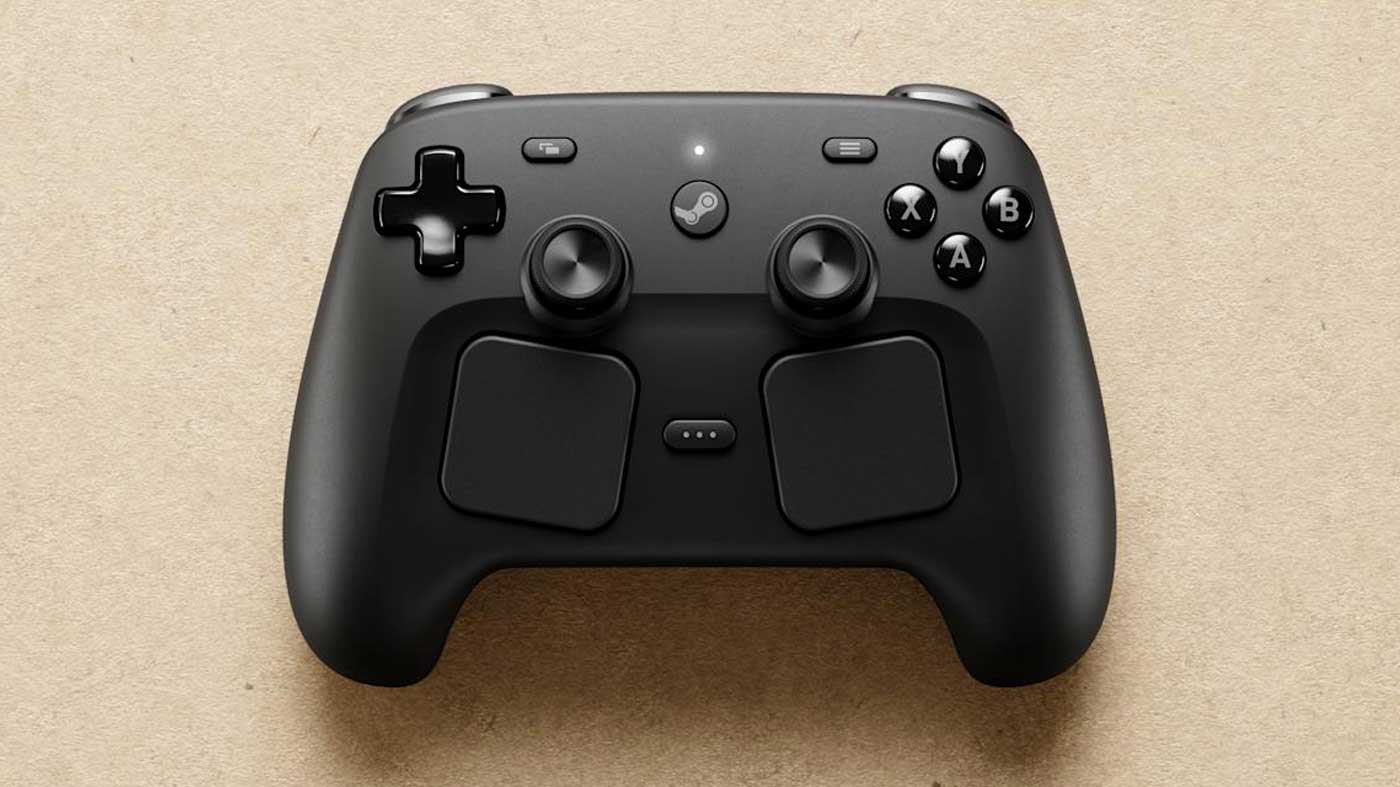
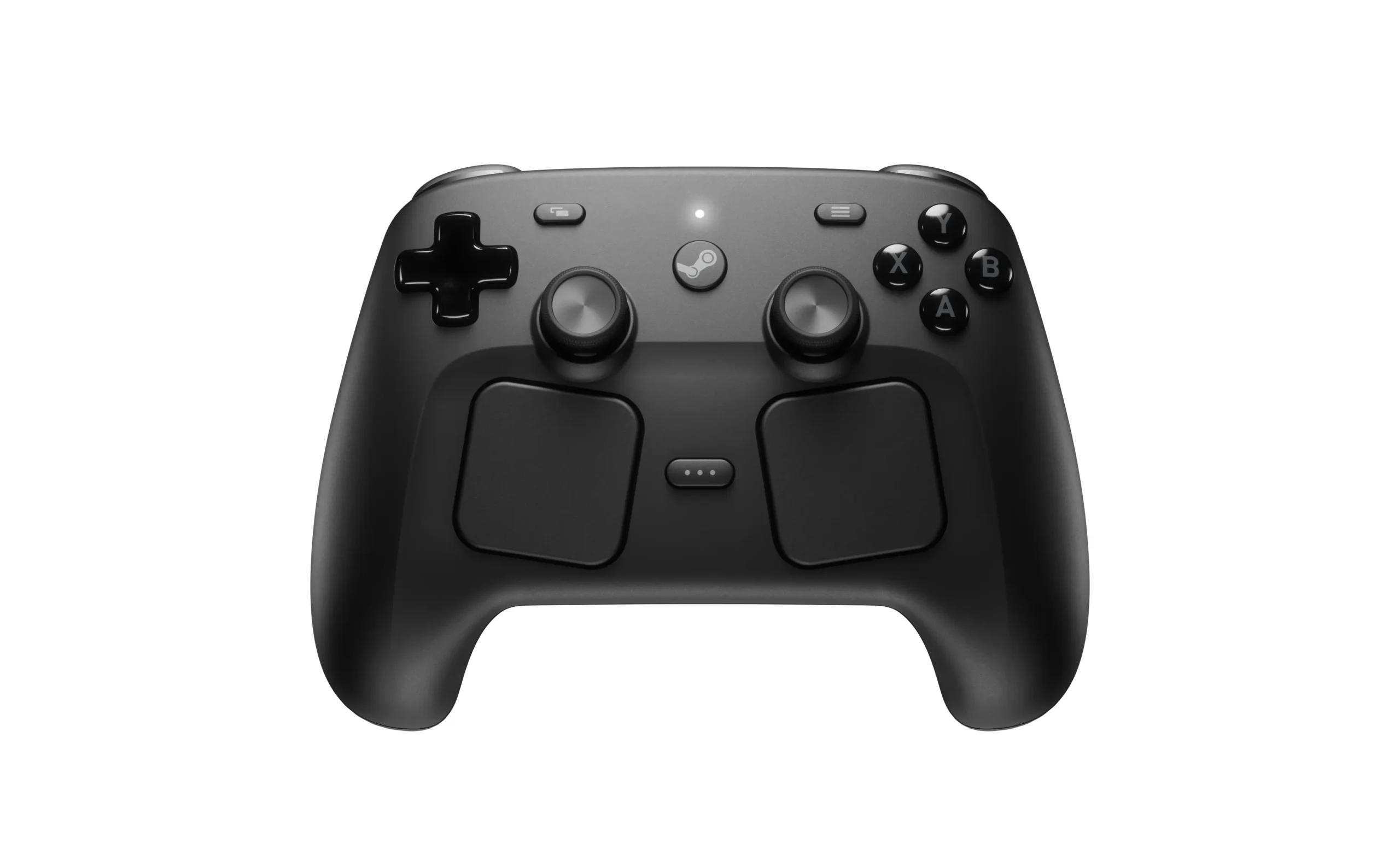
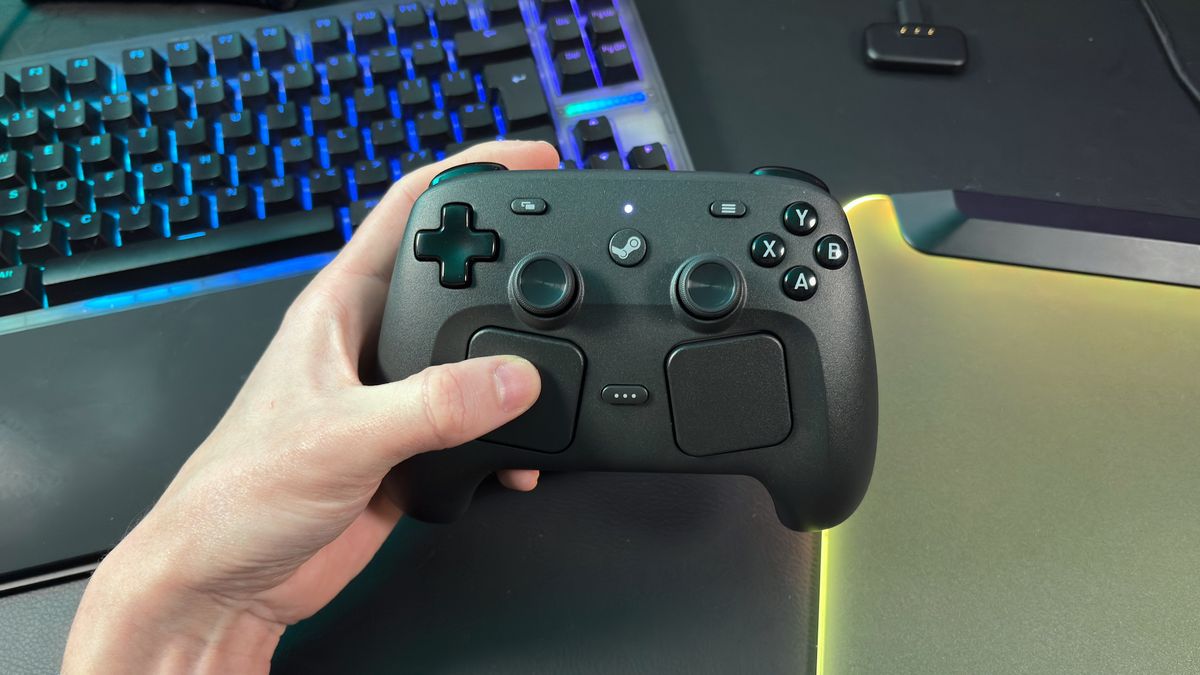
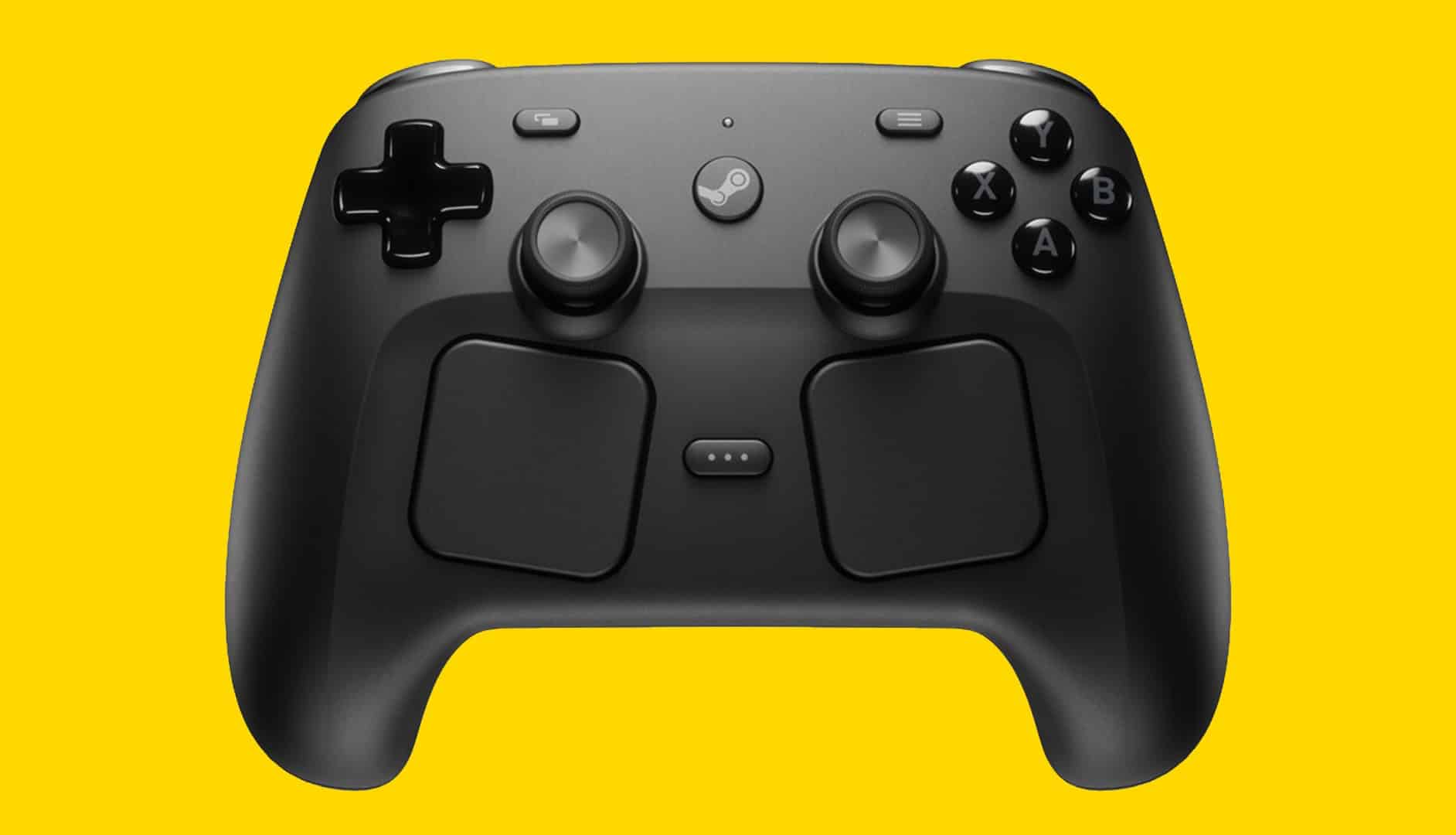
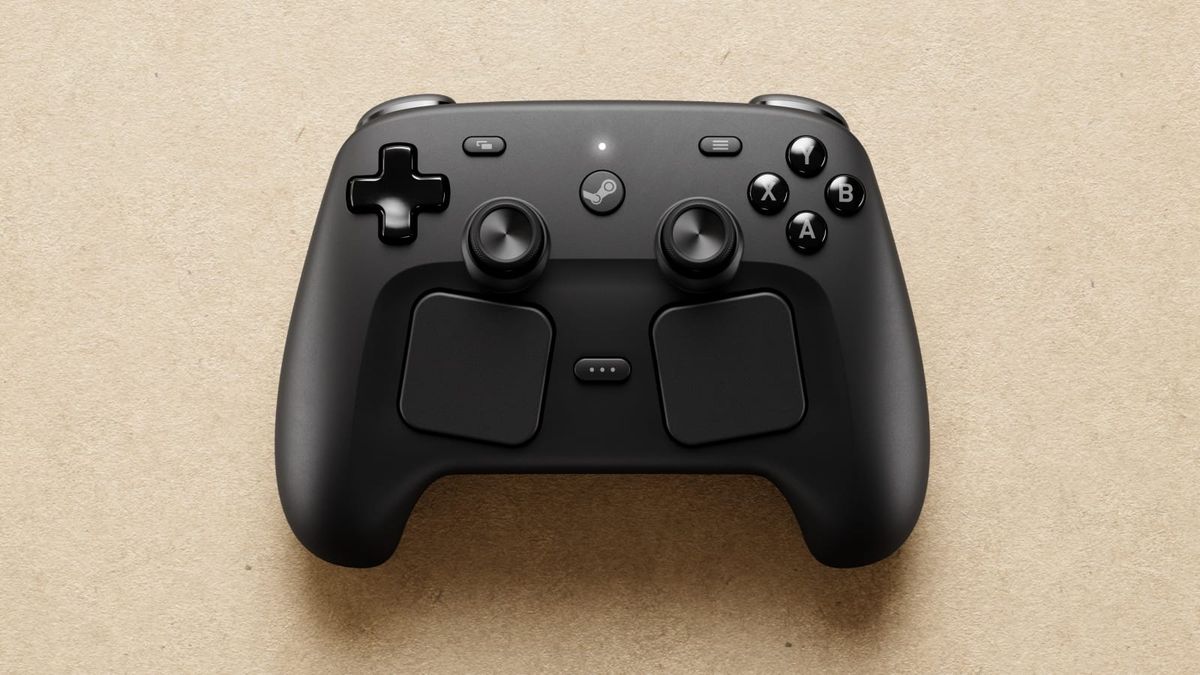
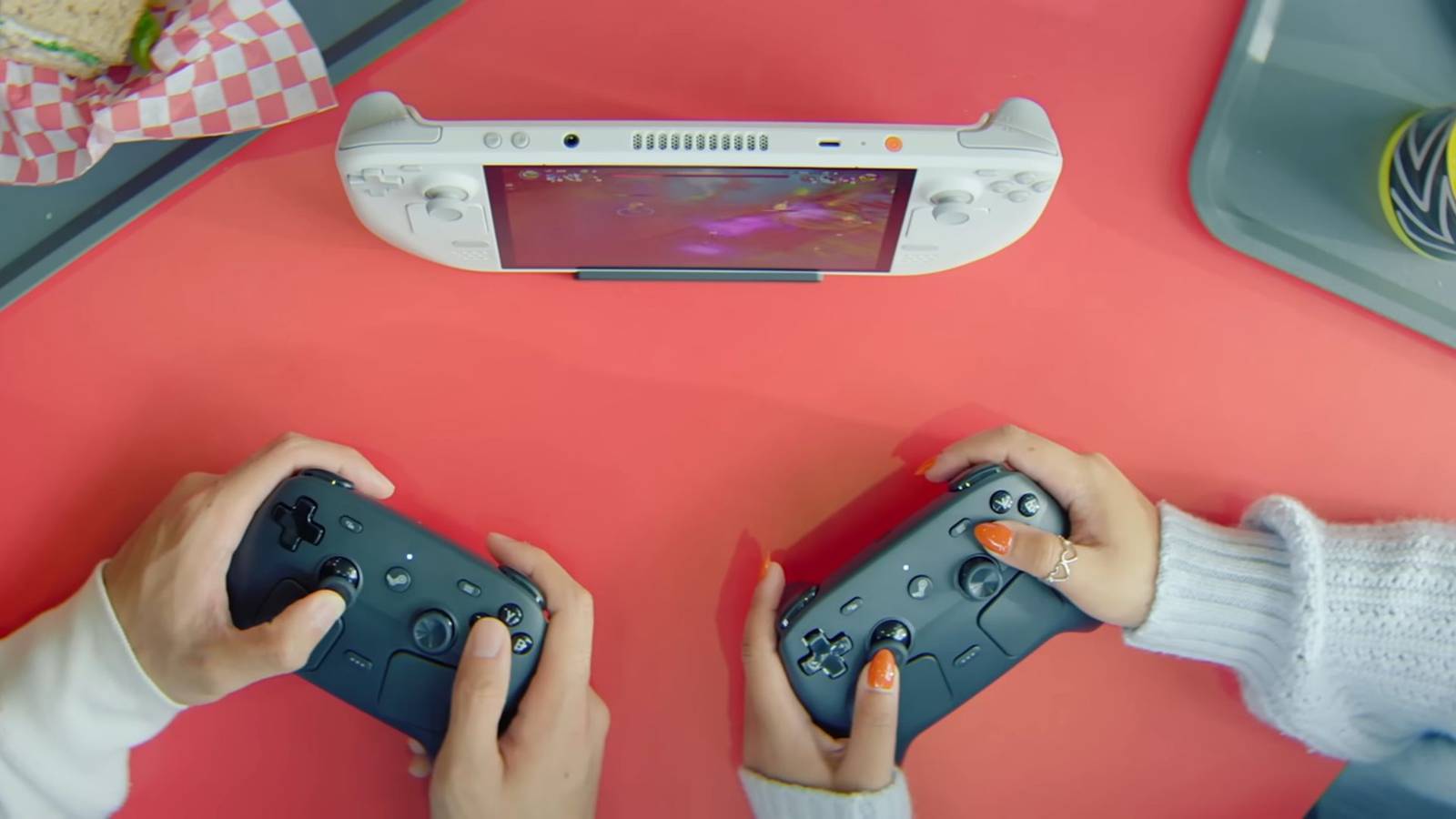
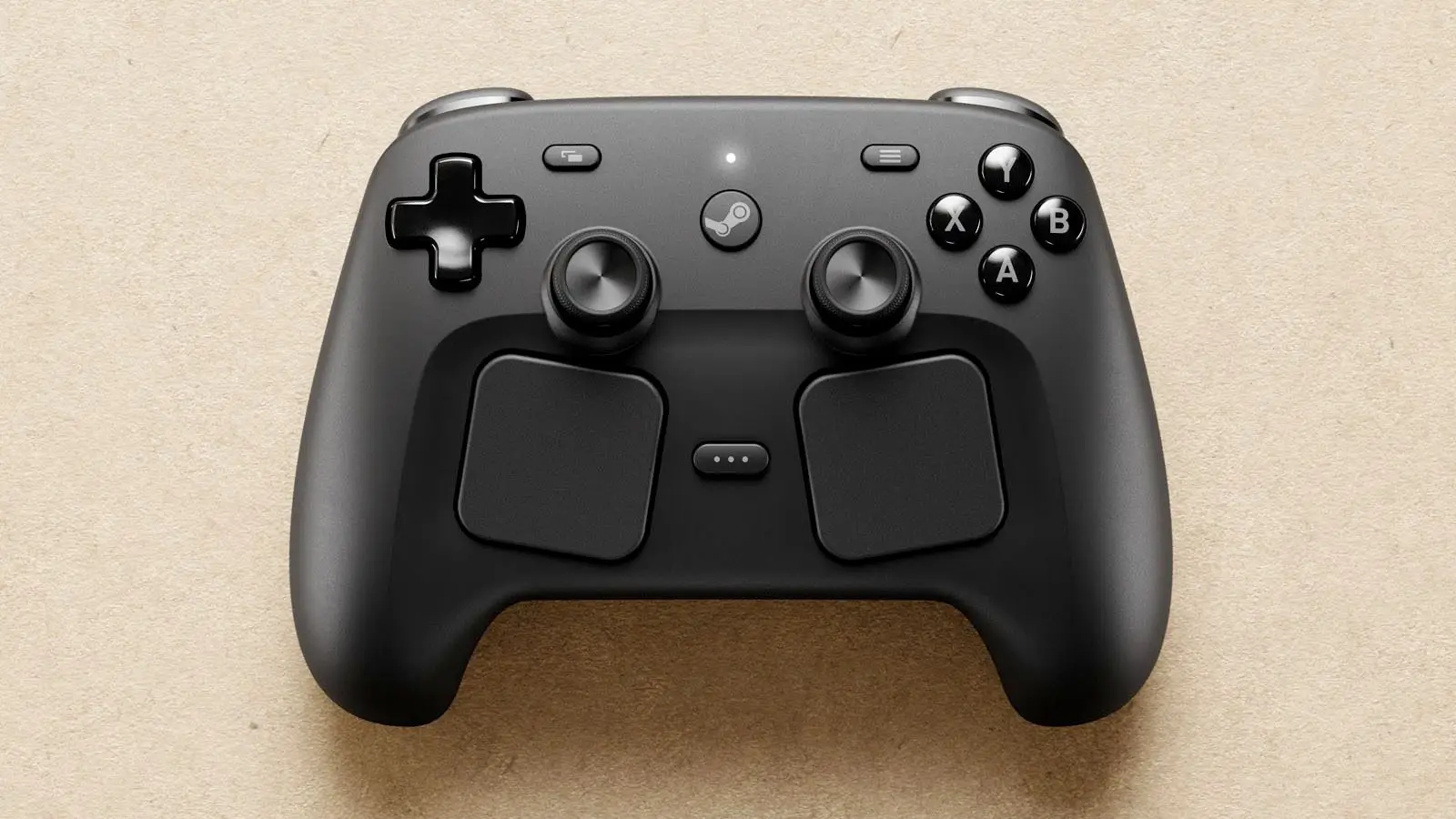
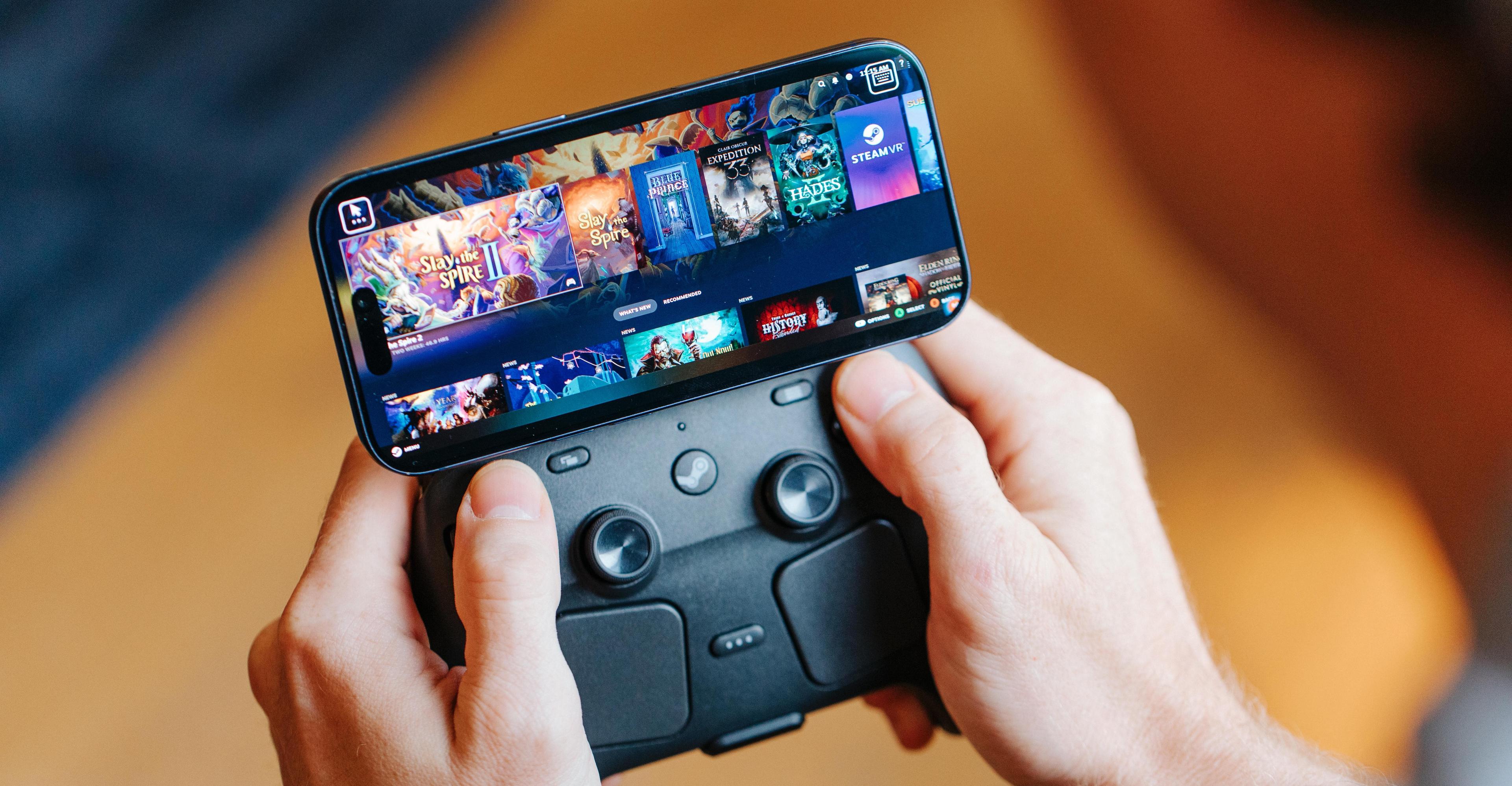
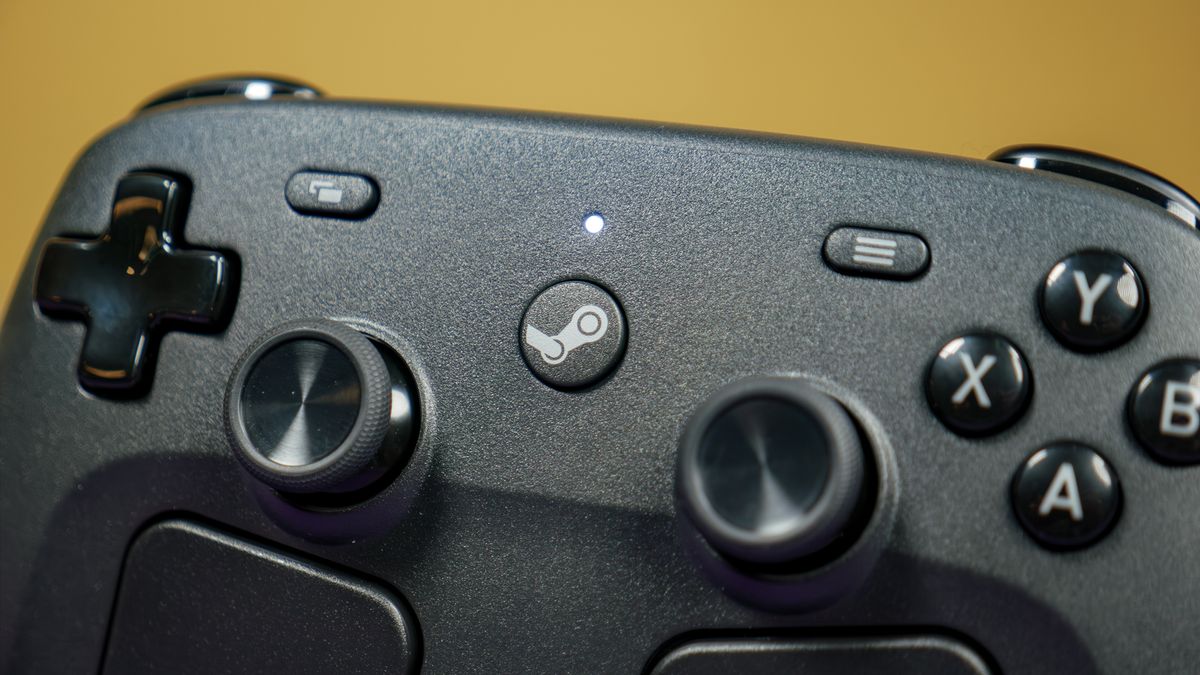
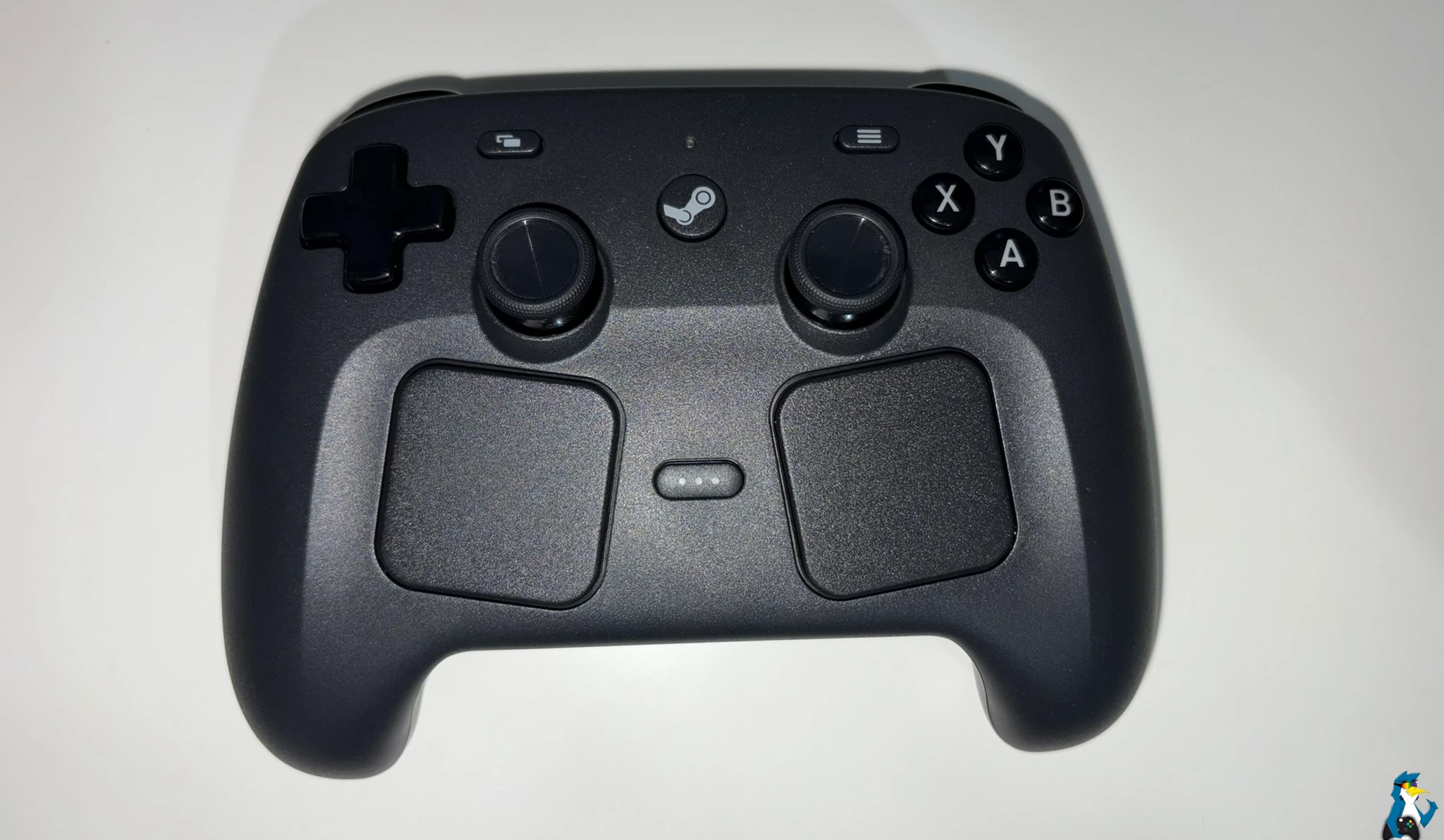
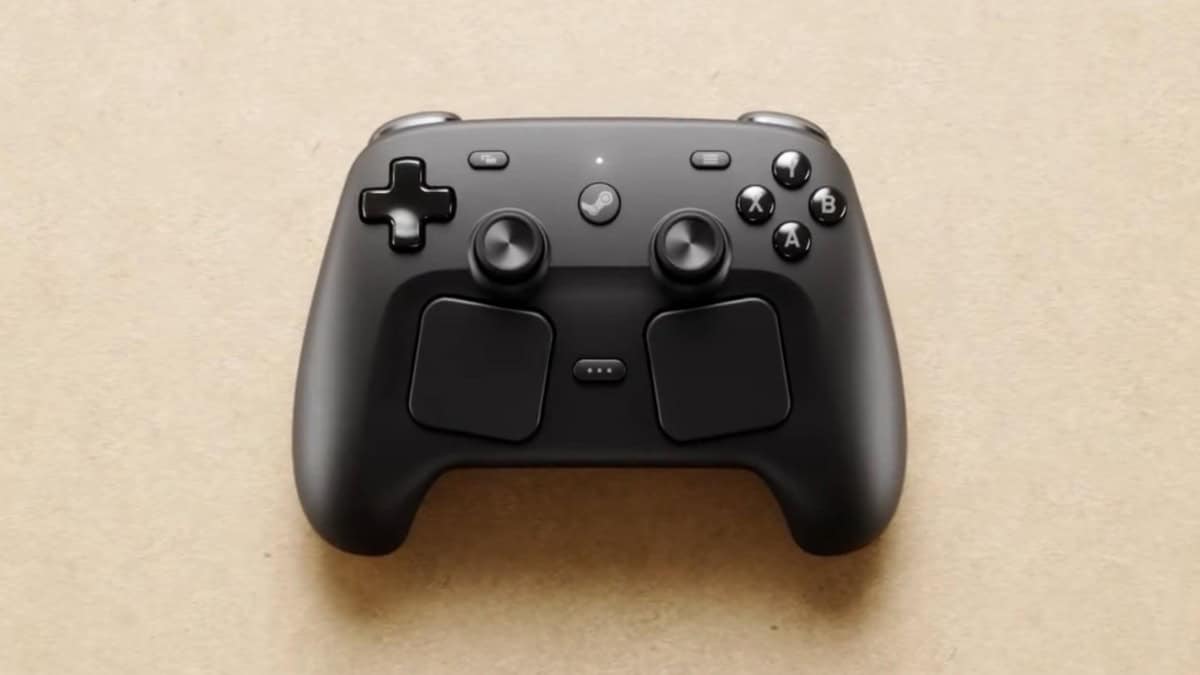
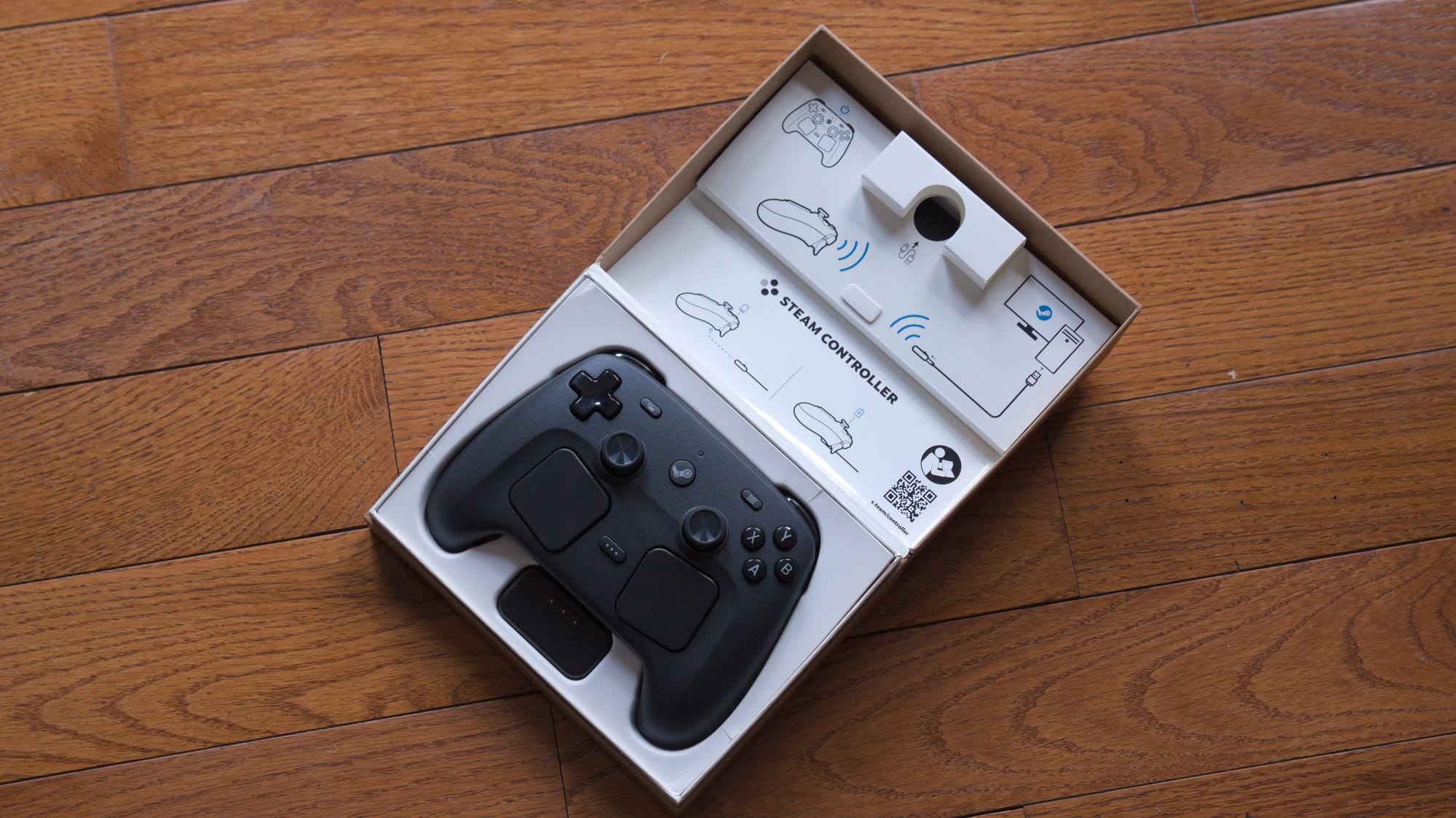
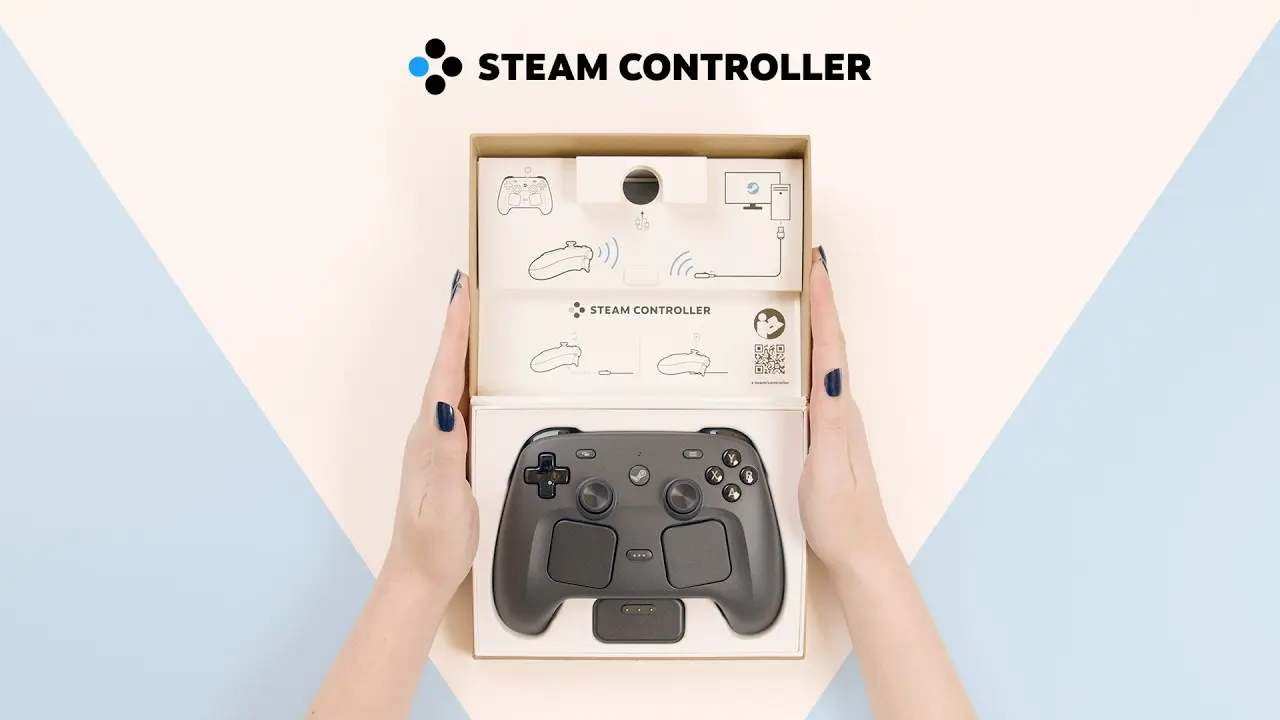
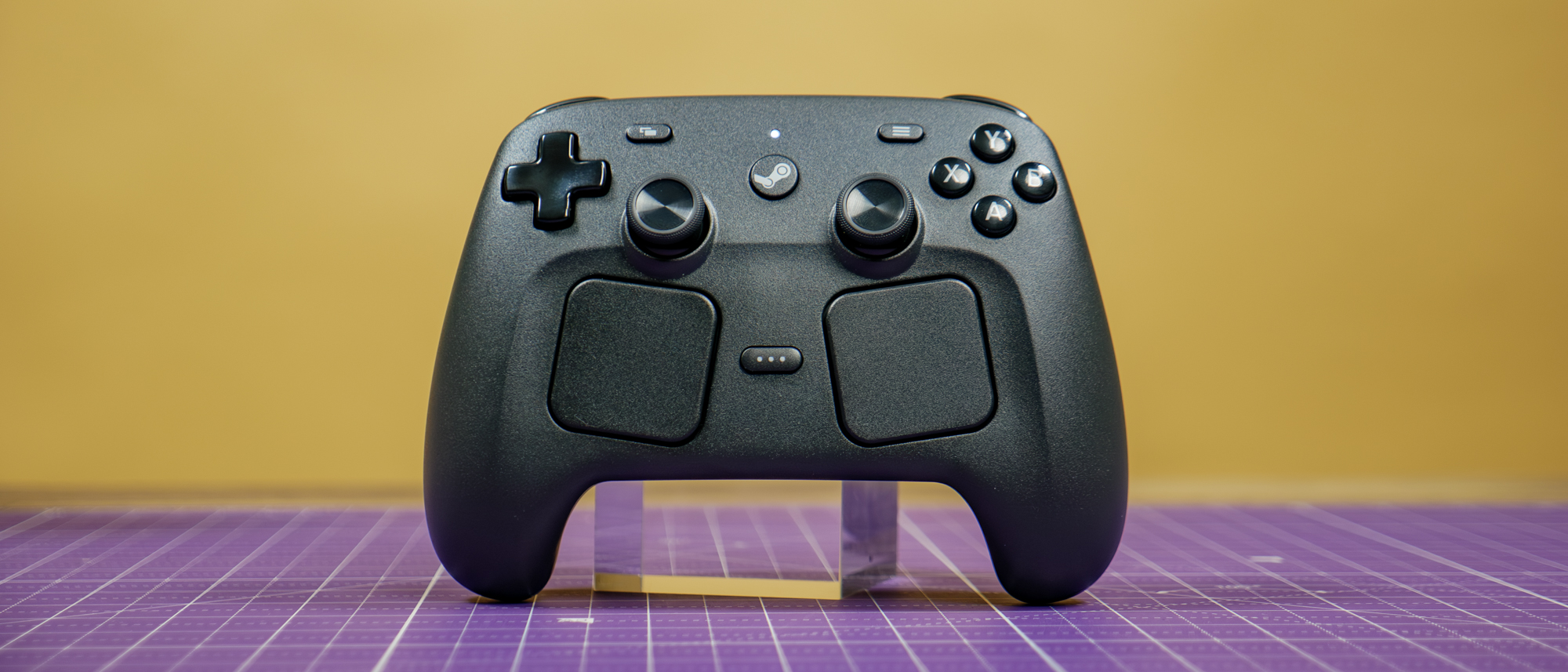
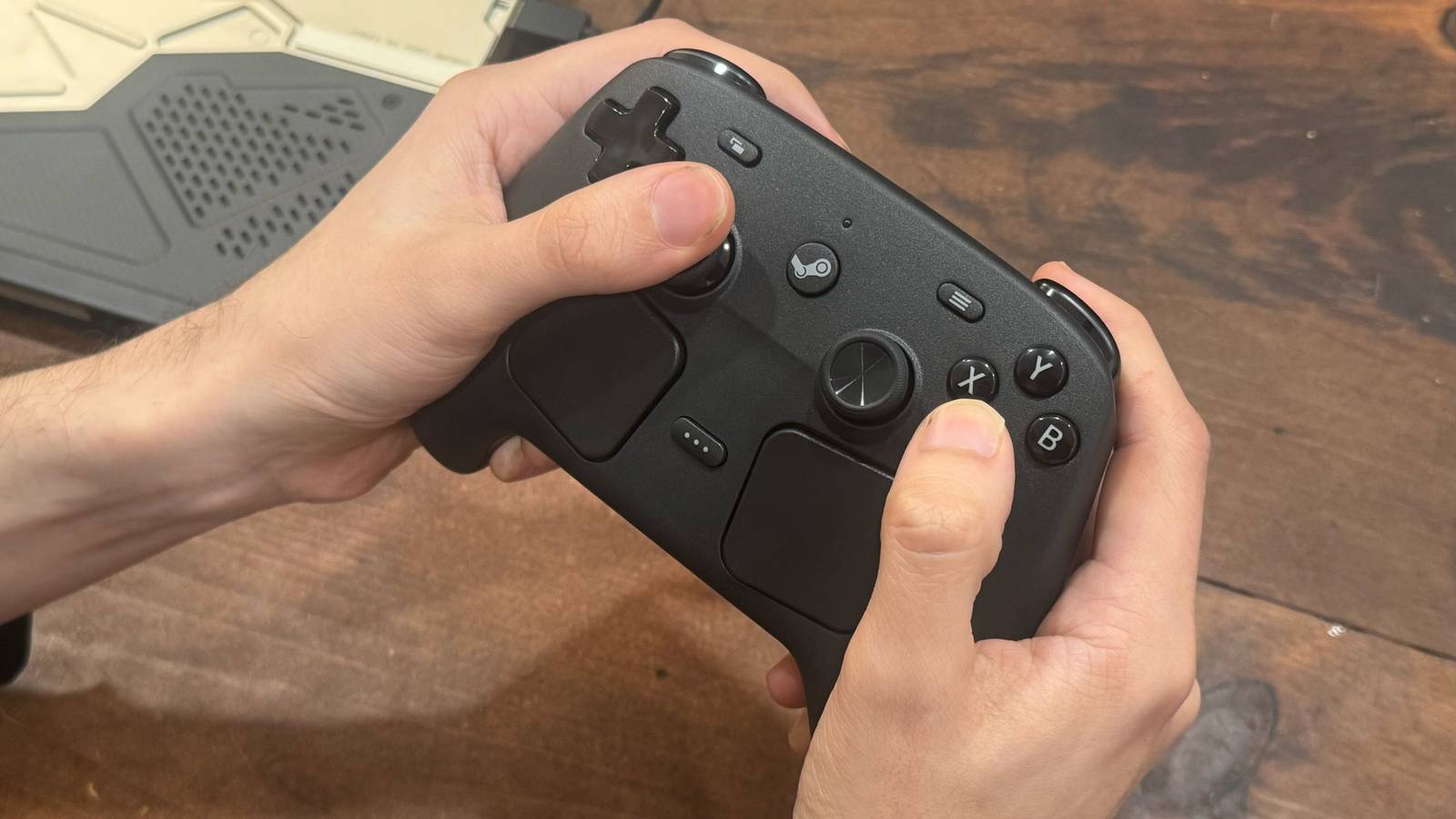
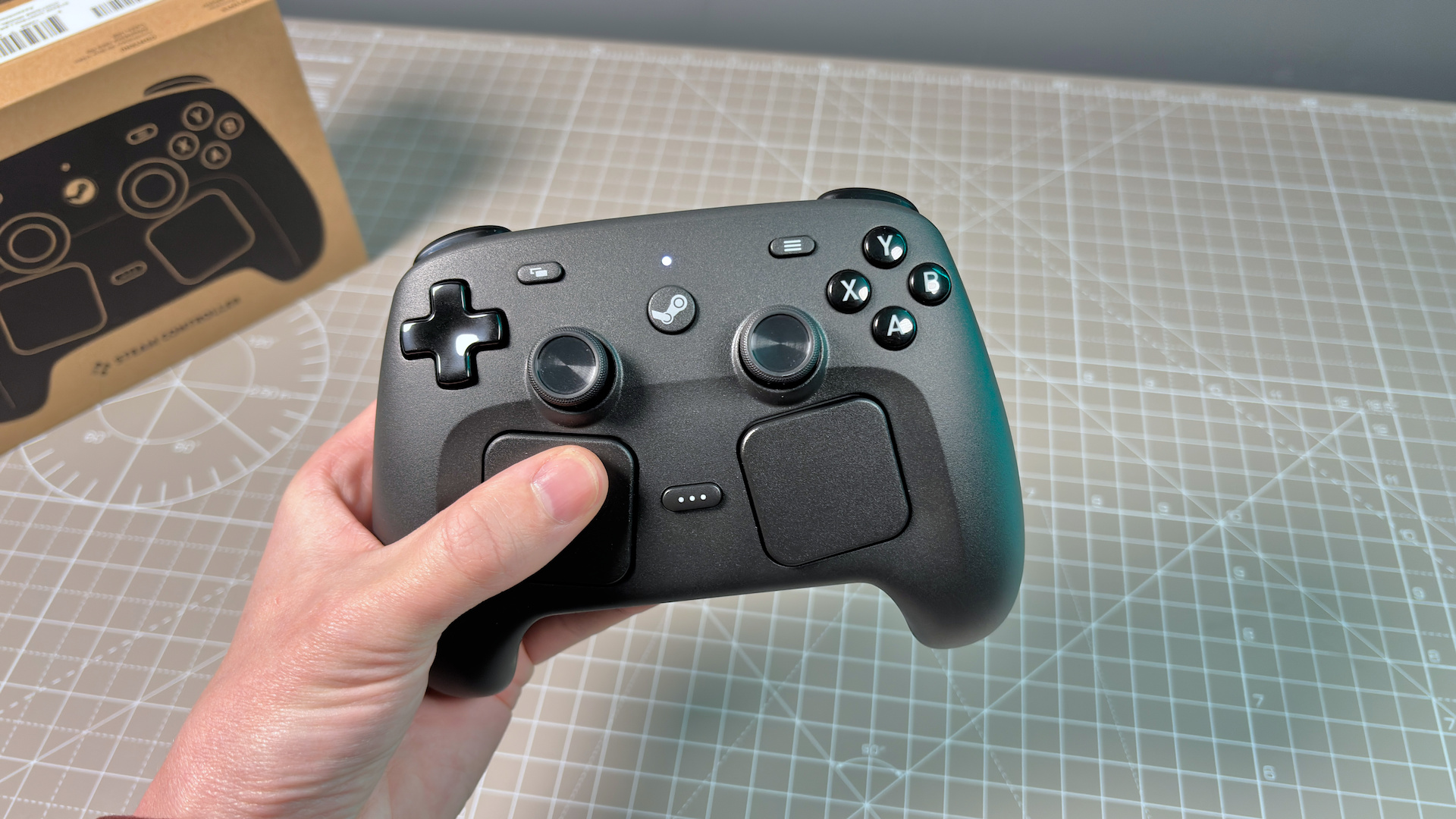
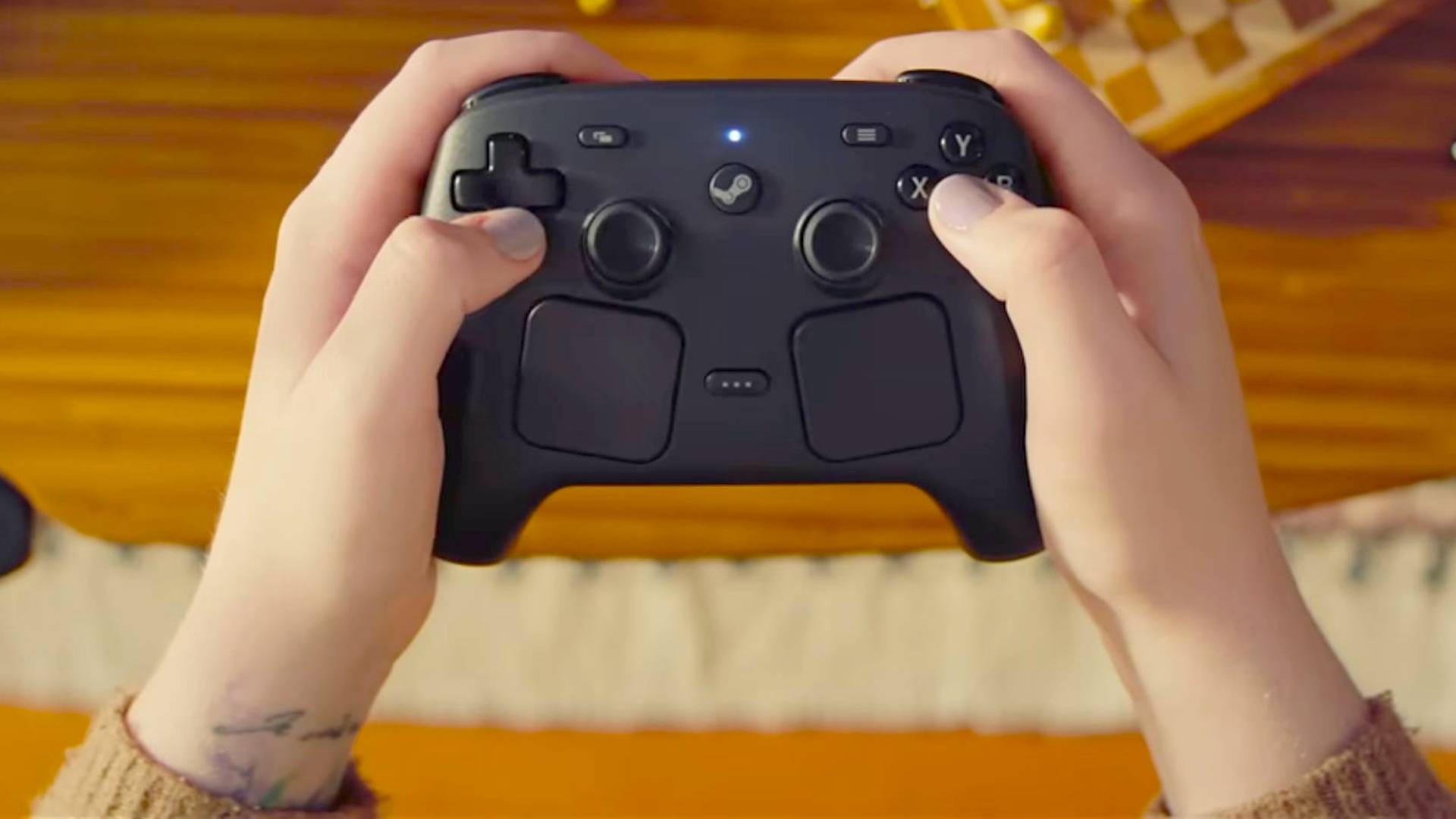
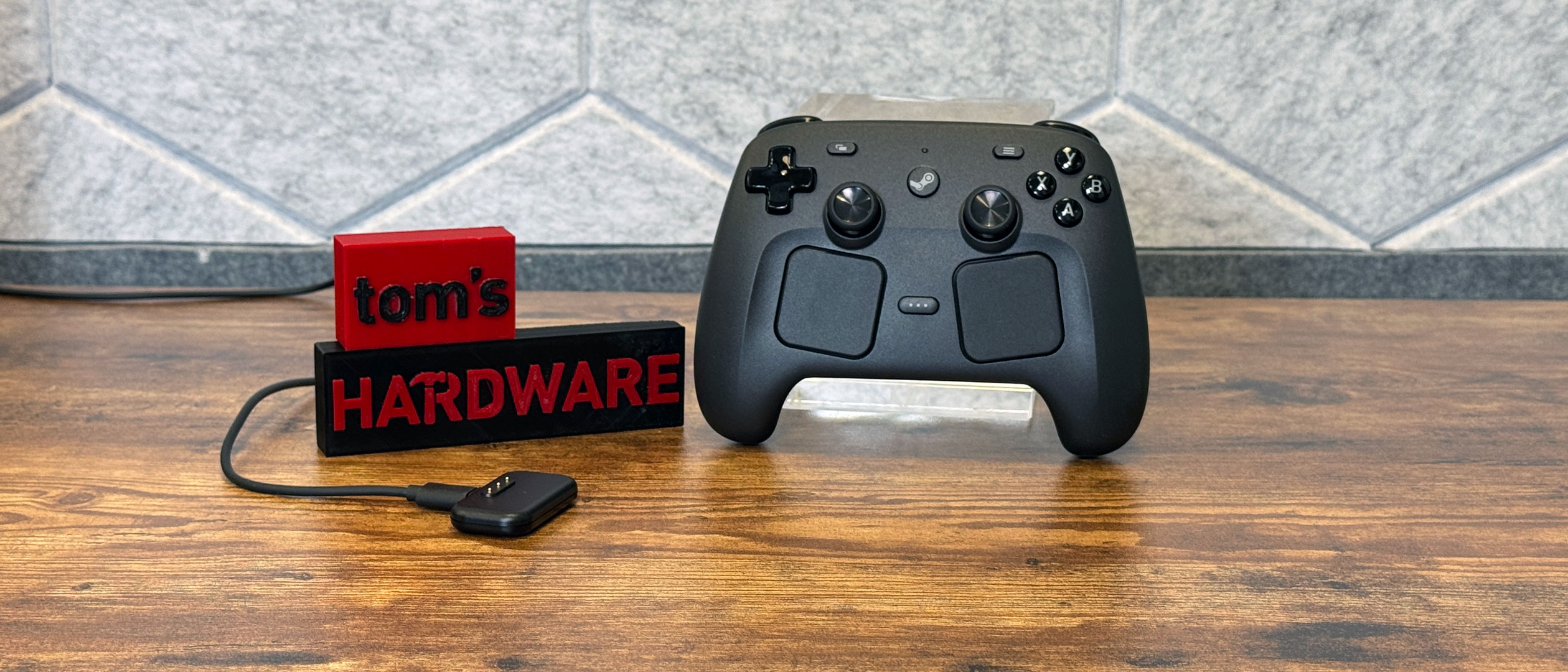
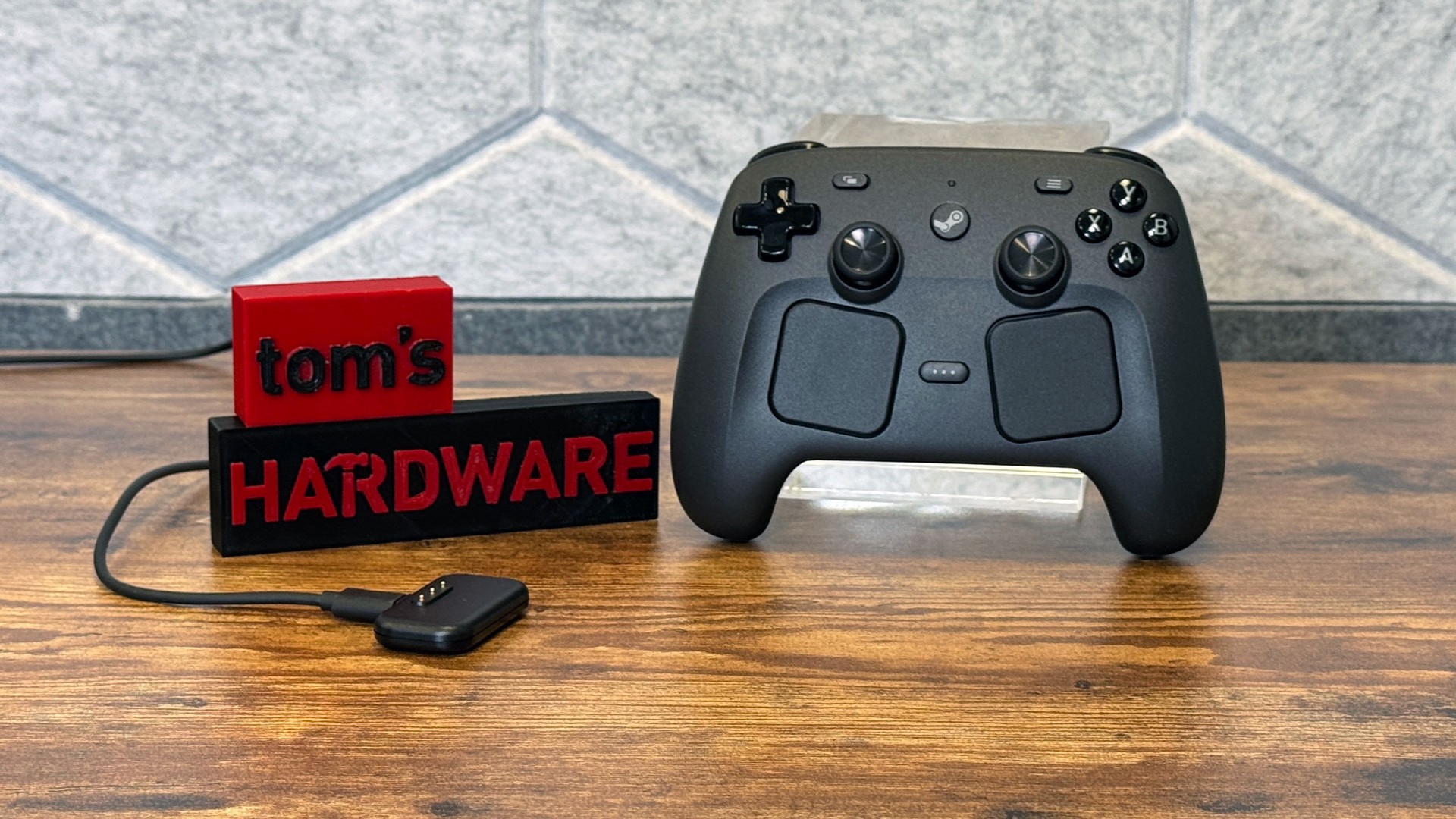
Valve's May 4, 2026 Steam Controller launch ($99 MSRP) represents a critical case study in e-commerce infrastructure failure and secondary market arbitrage opportunities. The product sold out within 30 minutes of its 10 a.m. PST release on store.steampowered.com, immediately overwhelming Valve's transaction systems and triggering widespread checkout failures. Customers reported repeated error messages requiring up to 30 clicks to complete purchases, exposing fundamental platform usability gaps that modern retail infrastructure should prevent. This incident directly impacts cross-border sellers operating on eBay, Amazon, and Shopify by demonstrating how supply-demand imbalances create 150-600% markup opportunities in gaming peripherals.
Secondary Market Scalping Dynamics: Within hours of the Valve store sellout, eBay resellers capitalized on artificial scarcity by listing Steam Controllers at $250-$700—representing 150-600% markups over the $99 retail price. This scalping phenomenon reflects broader e-commerce market dynamics where supply constraints enable price arbitrage. Sellers leveraging global marketplaces can source products at retail and resell internationally at premium prices, though this practice increasingly faces platform scrutiny. The rapid inventory depletion (complete sellout within 2 hours, with brief restock at 11:52 a.m. PST showing 6-10 business day delivery windows) suggests Valve significantly underestimated demand or allocated insufficient initial inventory—a pattern that historically repeats across high-demand gaming hardware launches.
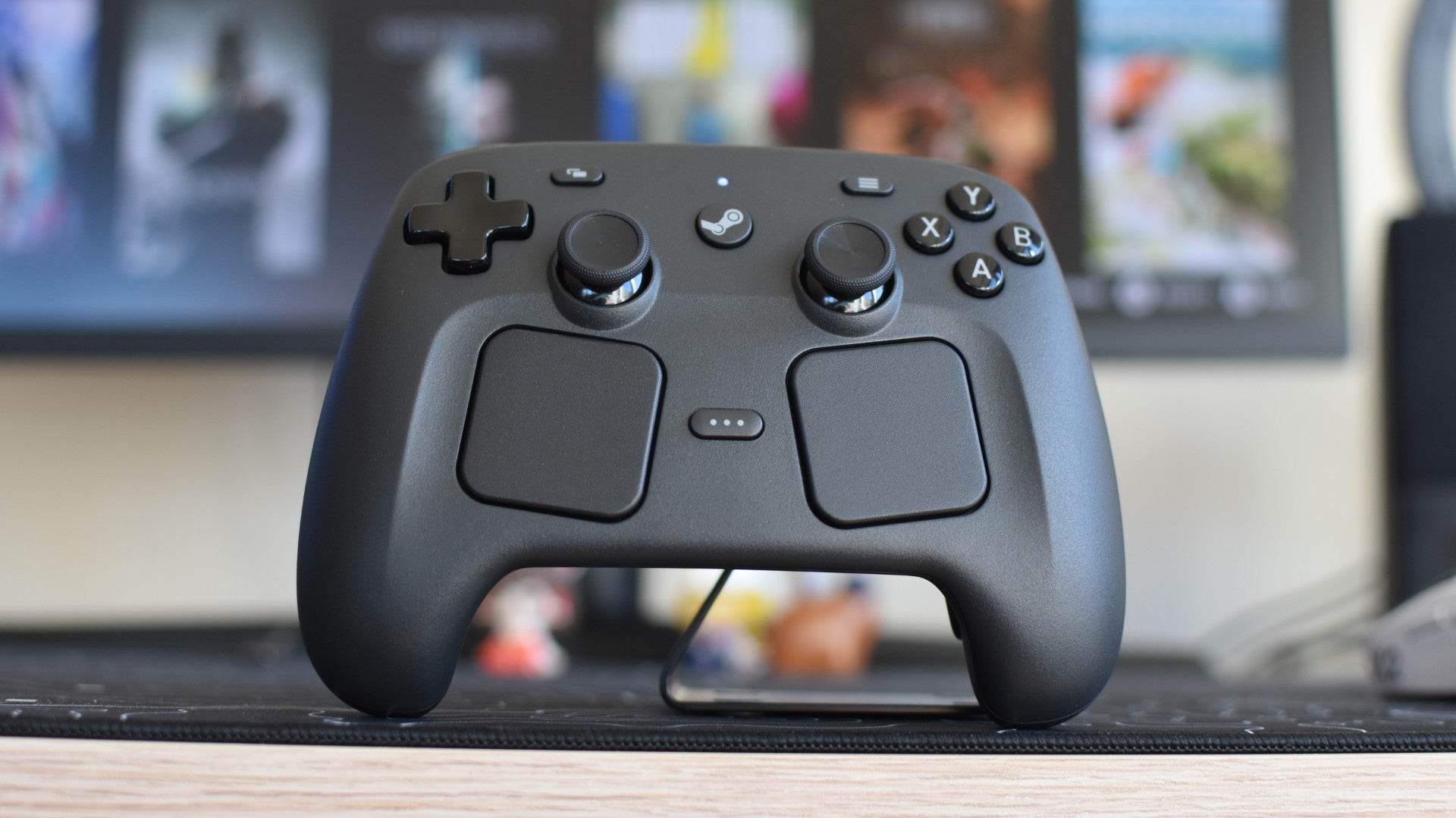
Category Opportunity & Competitive Positioning: The gaming peripherals category demonstrates sustained premium pricing power, with Valve defending its $85-$99 price point by emphasizing advanced TMR thumbsticks, ecosystem integration, and build quality comparable to Sony's DualSense Edge and Microsoft's Xbox Elite controllers. This positions gaming controllers as a high-margin category where brand authority and feature differentiation sustain 40-50% gross margins. For sellers, the Steam Controller launch reveals underserved demand in PC gaming accessories—a category growing 15-20% annually but facing supply constraints from component shortages affecting the broader hardware ecosystem (Steam Machine and Steam Frame delayed to H1 2026). Sellers can capitalize by sourcing compatible third-party controllers, customization accessories, and protective cases targeting the 125+ million Steam platform users seeking premium input devices.
Platform Infrastructure Lessons for Sellers: Valve's platform failure—lacking basic inventory protection mechanisms, queue systems, and transaction redundancy—demonstrates why established sellers prioritize Amazon FBA, eBay Managed Payments, and Shopify Plus infrastructure. These platforms implement anti-scalping measures, dynamic pricing controls, and transaction processing redundancy that Valve's direct store lacks. The incident signals that direct-to-consumer hardware launches remain vulnerable to operational failures, creating opportunities for marketplace sellers to capture demand through more reliable fulfillment channels. Sellers should monitor upcoming Valve releases (Steam Machine, Steam Frame) as these will likely face similar infrastructure challenges, creating secondary market opportunities on established platforms with superior transaction reliability and buyer protection mechanisms.
Questions 7
What gaming peripherals categories offer the best opportunity after the Steam Controller launch?
The Steam Controller launch reveals three high-opportunity categories: (1) **Compatible Accessories** ($15-40 price point)—protective cases, custom thumbstick covers, charging docks, and cable organizers targeting the 125+ million Steam users; (2) **Third-Party Controllers** ($60-120 price point)—alternative PC gaming controllers from brands like 8BitDo, Corsair, and SteelSeries that offer similar features at competitive prices; (3) **Customization Products** ($20-80 price point)—programmable button kits, haptic feedback upgrades, and wireless adapters. Gaming peripherals category grows 15-20% annually with 40-50% gross margins. Amazon and eBay show highest conversion rates for gaming accessories, with search volume for 'gaming controller' exceeding 500K monthly searches across both platforms.
How much profit can sellers make from Steam Controller scalping on eBay?
eBay resellers are listing Steam Controllers at $250-$700, representing 150-600% markups over the $99 retail price. A seller purchasing at retail ($99) and reselling at $300 generates $201 gross profit per unit (203% markup), though eBay's 12.9% final value fees ($38.70) and payment processing costs reduce net profit to approximately $160-170 per unit (161-171% net margin). However, this scalping practice increasingly faces platform scrutiny—eBay and Amazon are implementing anti-scalping measures and price monitoring systems. Legitimate sellers should focus on complementary products (protective cases, custom thumbstick covers, charging docks) rather than direct scalping, which risks account suspension and regulatory penalties.