


Taiwan-Africa Trade Corridor Expansion | New Market Access for Cross-Border Sellers
- US-Taiwan diplomatic strengthening opens Eswatini and African markets; tariff opportunities for electronics, textiles, and consumer goods sellers targeting 1.3M+ population
















Overview
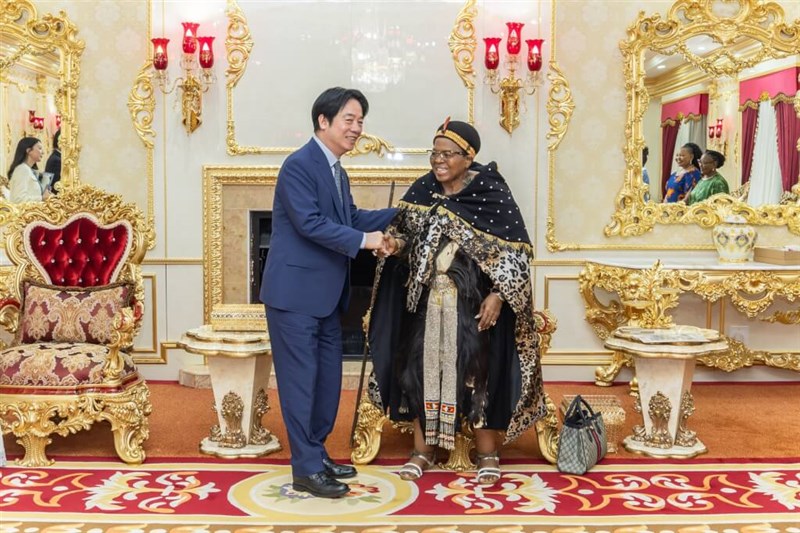
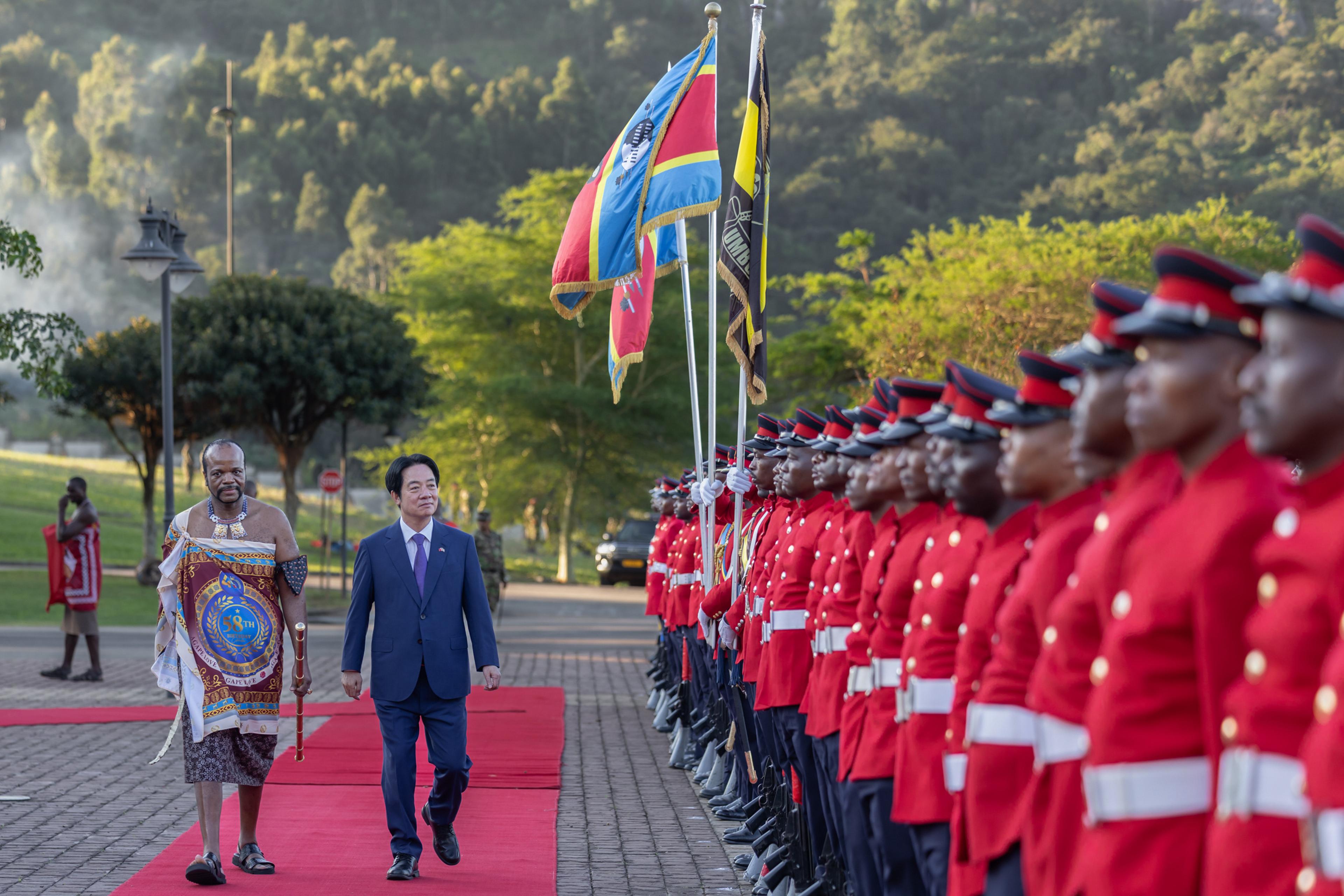
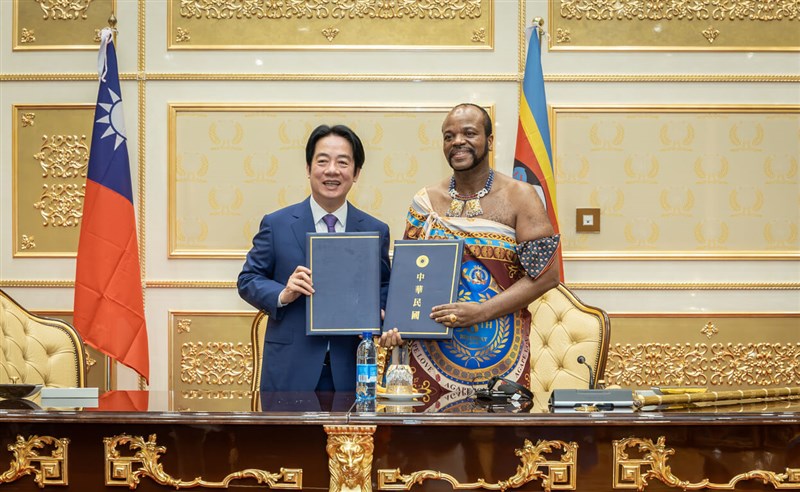
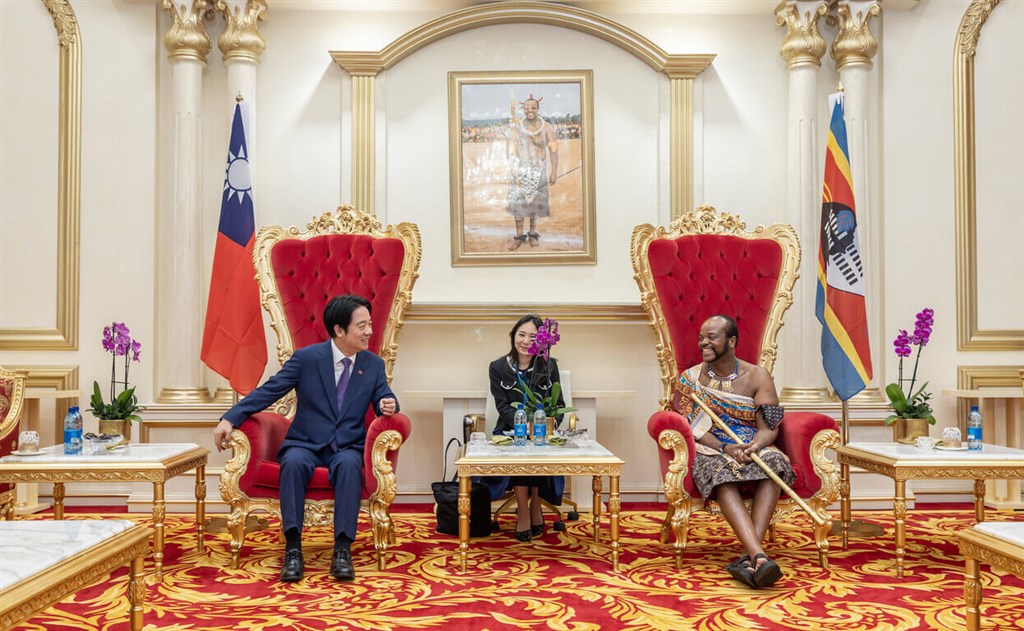
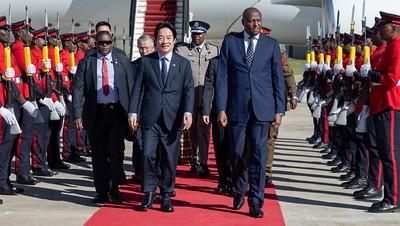
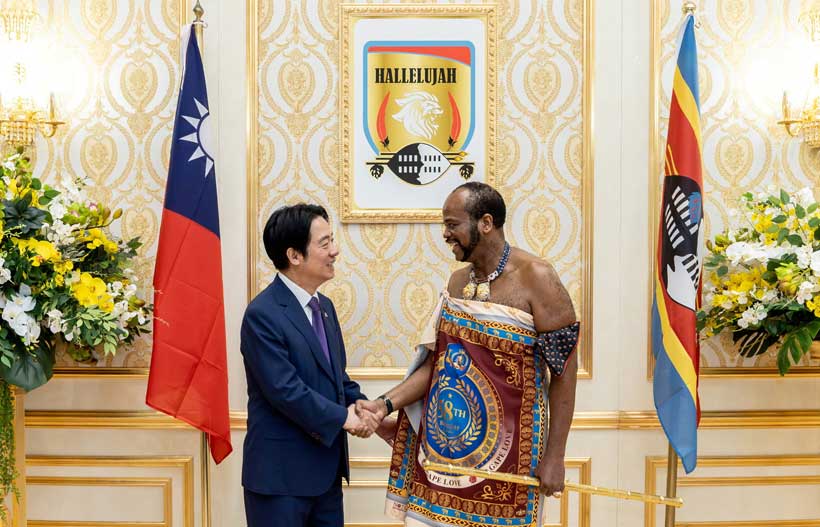
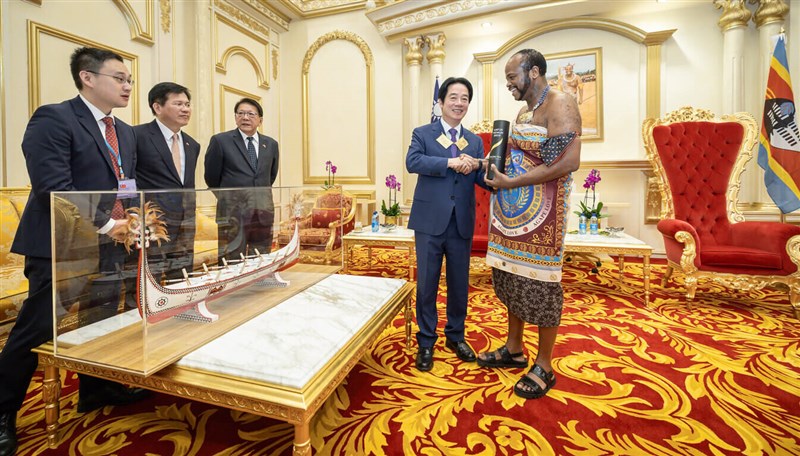
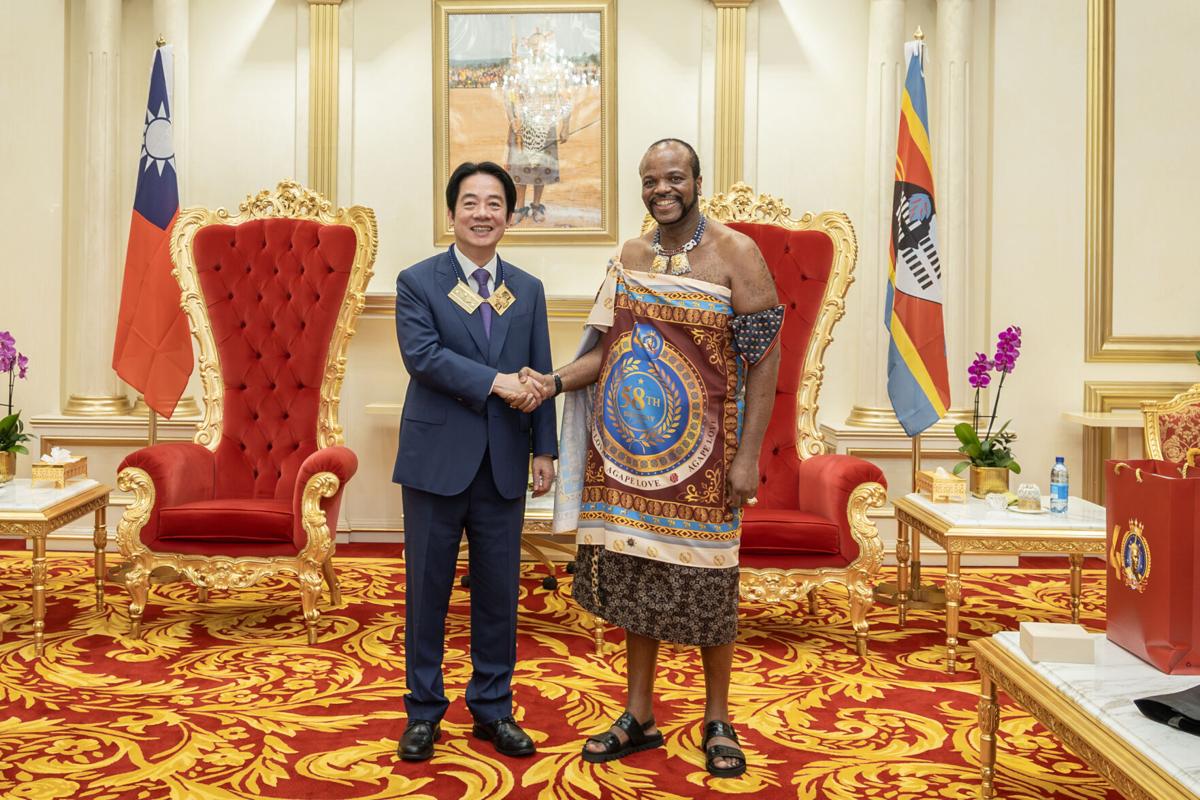
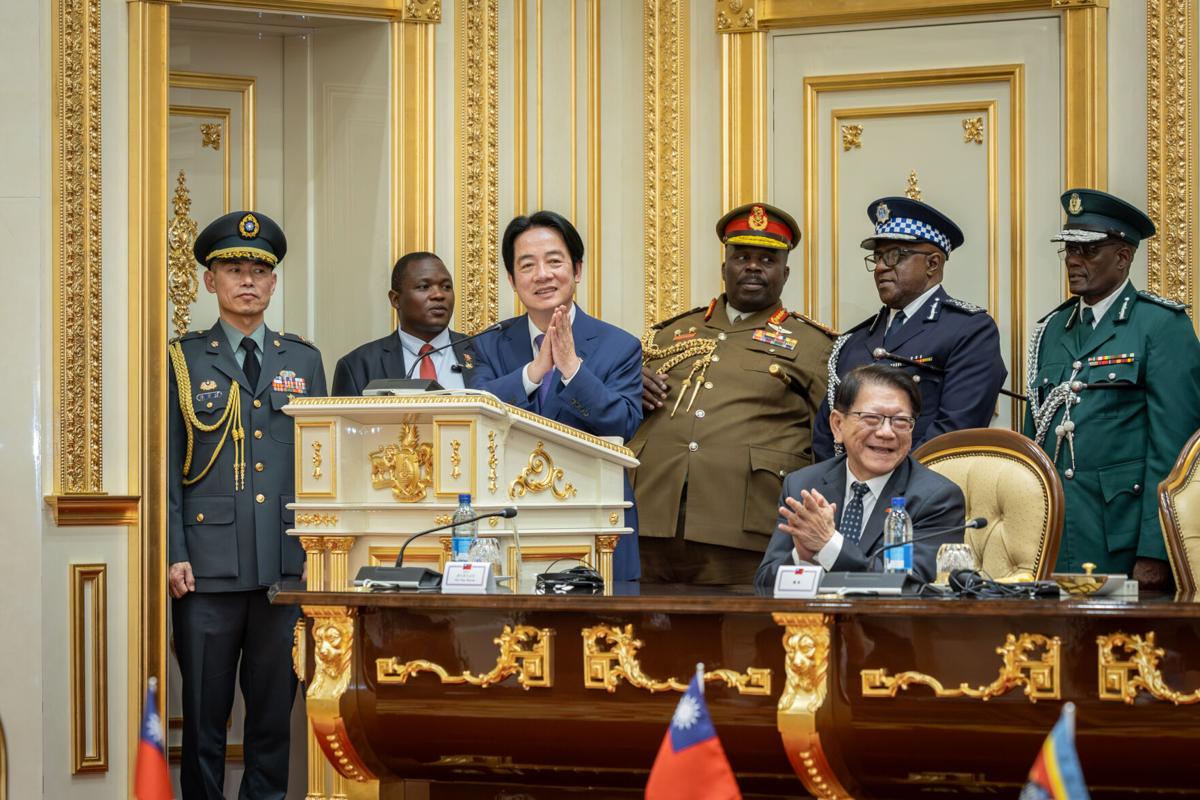
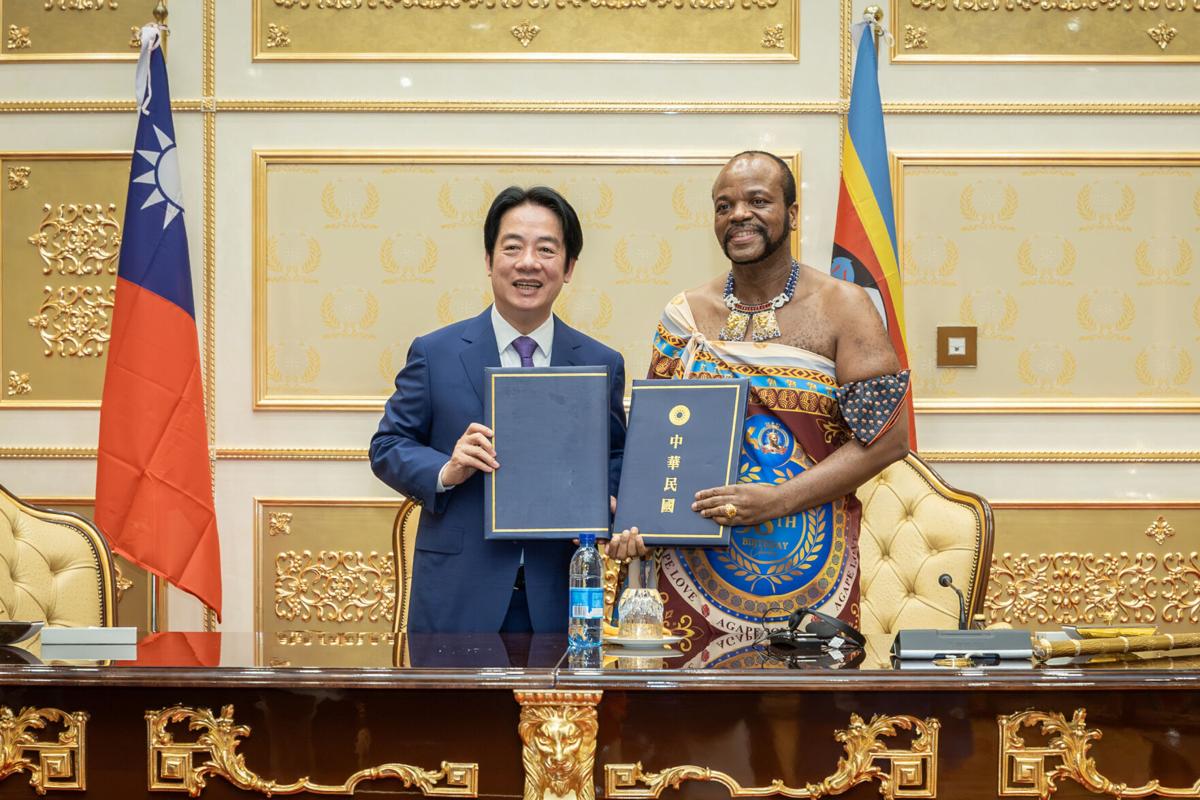
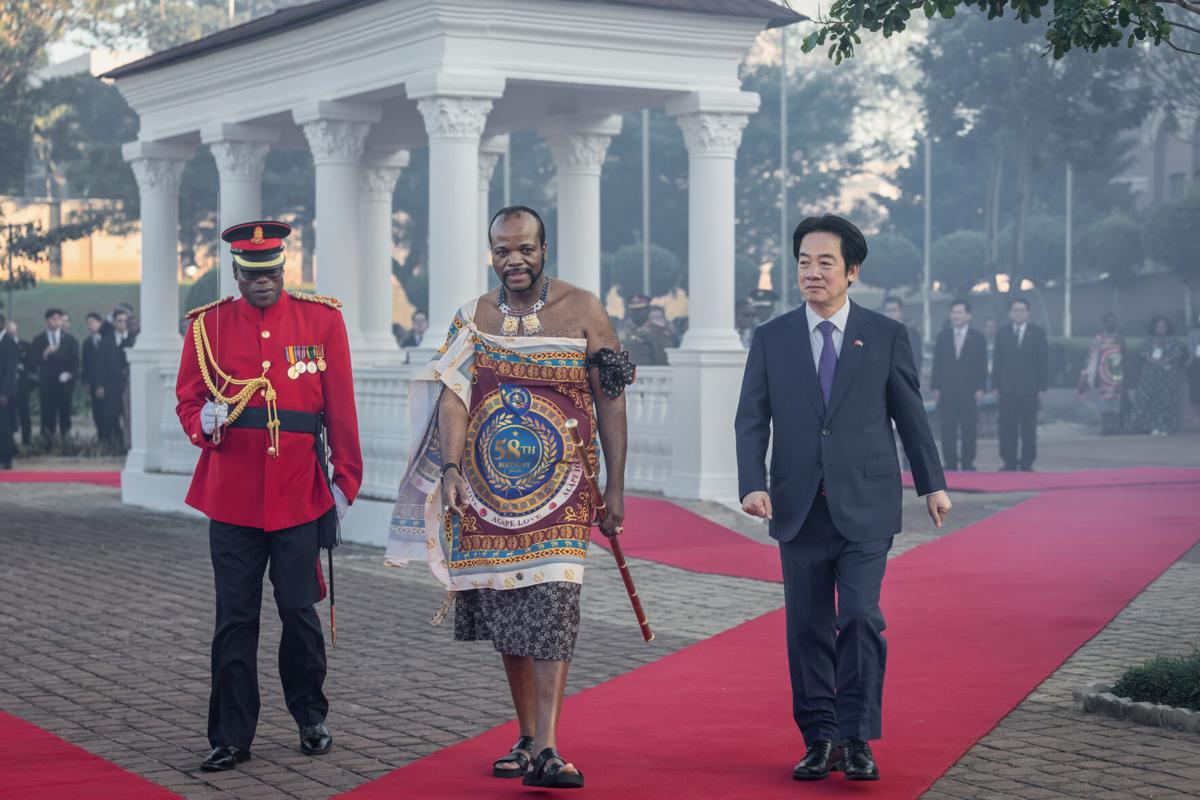
Taiwan's diplomatic strengthening in Africa, endorsed by the U.S. State Department, creates significant trade corridor opportunities for cross-border sellers. The U.S. public endorsement of Taiwan as a "trusted and capable partner" during President Lai Ching-te's visit to Eswatini (Africa's sole formal Taiwan ally with 1.3 million people) signals accelerating Taiwan-Africa economic integration. This geopolitical shift directly impacts tariff structures, market access, and sourcing strategies for e-commerce sellers.
Tariff Arbitrage Opportunities: Taiwan-origin products (electronics, semiconductors, consumer electronics, textiles) now face reduced trade friction entering African markets through Eswatini as a gateway. Sellers sourcing from Taiwan manufacturers can leverage preferential trade relationships emerging from this diplomatic alignment. Eswatini's strategic position as Africa's sole Taiwan diplomatic ally creates a potential hub-and-spoke distribution model for sellers targeting the broader Southern African Development Community (SADC) region—14 countries with 350+ million combined population. Electronics (HS codes 8471-8517), textiles (HS 6204-6209), and machinery (HS 8401-8450) categories see the most immediate tariff reduction potential as Taiwan-Eswatini bilateral trade agreements develop.
Market Access Expansion: The U.S. backing of Taiwan's international engagement signals policy support for Taiwan-led trade initiatives. Sellers can expect reduced customs friction and faster clearance times for Taiwan-origin shipments entering Eswatini and potentially other African nations. The 23 million population of Taiwan represents a manufacturing powerhouse for consumer electronics, textiles, and precision instruments—categories with high cross-border e-commerce demand. Eswatini's 1.3 million population, while modest, serves as a distribution gateway to SADC's 350+ million consumers. Sellers currently sourcing from China face competitive pressure as Taiwan-origin products gain diplomatic legitimacy and reduced trade barriers.
Competitive Dynamics Shift: Taiwan-based sellers and sellers sourcing from Taiwan manufacturers gain first-mover advantages in African market entry. Chinese sellers face headwinds as Beijing's opposition to Taiwan engagement creates trade friction. Small-to-medium sellers (SMEs) can capitalize on emerging Taiwan-Africa supply chains before large competitors establish operations. The timing window is critical: diplomatic momentum typically translates to tariff reductions within 6-18 months of formal endorsements. Sellers should monitor Taiwan-Eswatini bilateral trade negotiations and position inventory accordingly. Compliance complexity remains moderate—standard African customs documentation applies, but Taiwan origin certification (HS code verification, certificate of origin) becomes increasingly valuable for tariff optimization.
Questions 8
How does China's opposition to Taiwan engagement impact seller sourcing strategies?
China's strong condemnation of Taiwan's diplomatic activities (as reported by Foreign Minister Wang Yi) creates trade friction for China-origin products entering markets aligned with Taiwan. Sellers currently sourcing from China face potential tariff increases, customs delays, and reduced market access in Taiwan-aligned regions. The competitive advantage shifts toward Taiwan-based sellers and those sourcing from Taiwan manufacturers. Sellers should diversify sourcing away from China-dependent supply chains, particularly for categories targeting African markets. This represents a 6-12 month window before competitors recognize the shift—early movers gain first-mover advantage in Taiwan-Africa supply chain positioning.
What is the timeline for tariff changes and market access improvements in Eswatini?
Diplomatic endorsements typically translate to formal trade negotiations within 3-6 months and tariff reductions within 12-18 months. The U.S. State Department's public backing of Taiwan as a 'trusted and capable partner' accelerates this timeline. Sellers should expect preliminary tariff discussions by Q2 2025 and potential rate reductions by Q3-Q4 2025. Eswatini's 1.3M population provides immediate market entry opportunity, while SADC regional expansion (14 countries, 350M+ people) follows within 18-24 months. Sellers should position inventory and establish distribution partnerships in Eswatini during Q1-Q2 2025 to capture first-mover advantages before tariff rates stabilize.