


Strait of Hormuz Shipping Crisis Escalates | Sellers Face 12-18% Freight Cost Surge
- Three vessel attacks in 24 hours trigger insurance hikes and route diversification; 26 Korean vessels stranded; sellers sourcing from Asia-Middle East must act immediately









Overview
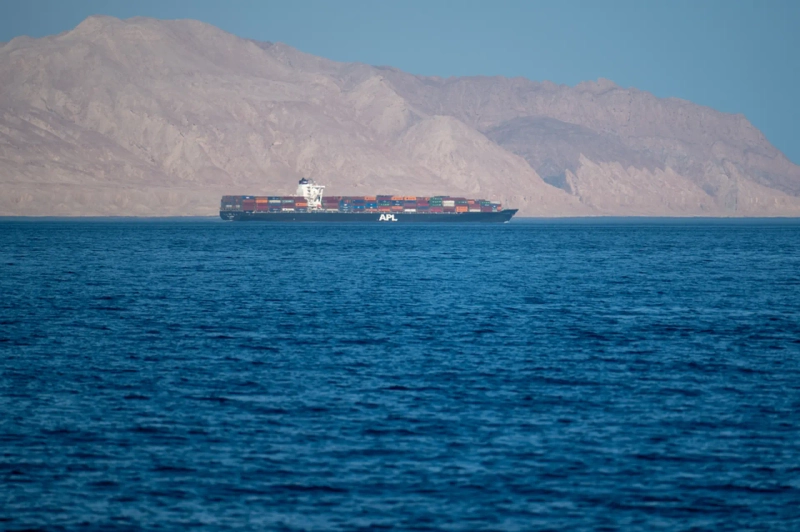
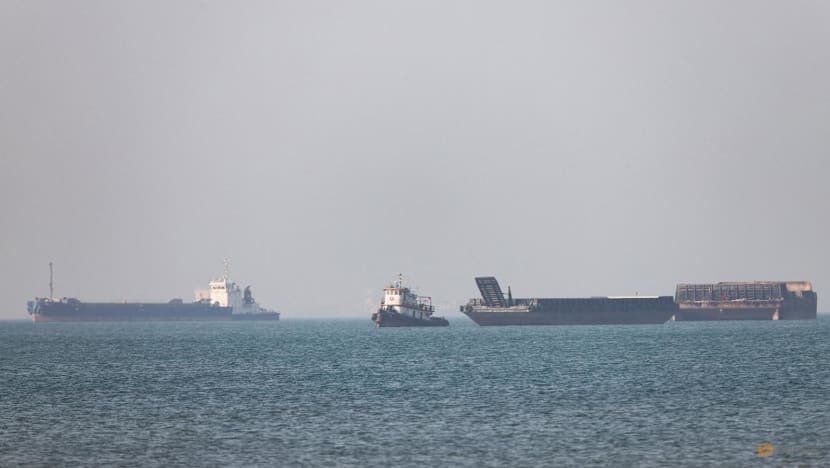
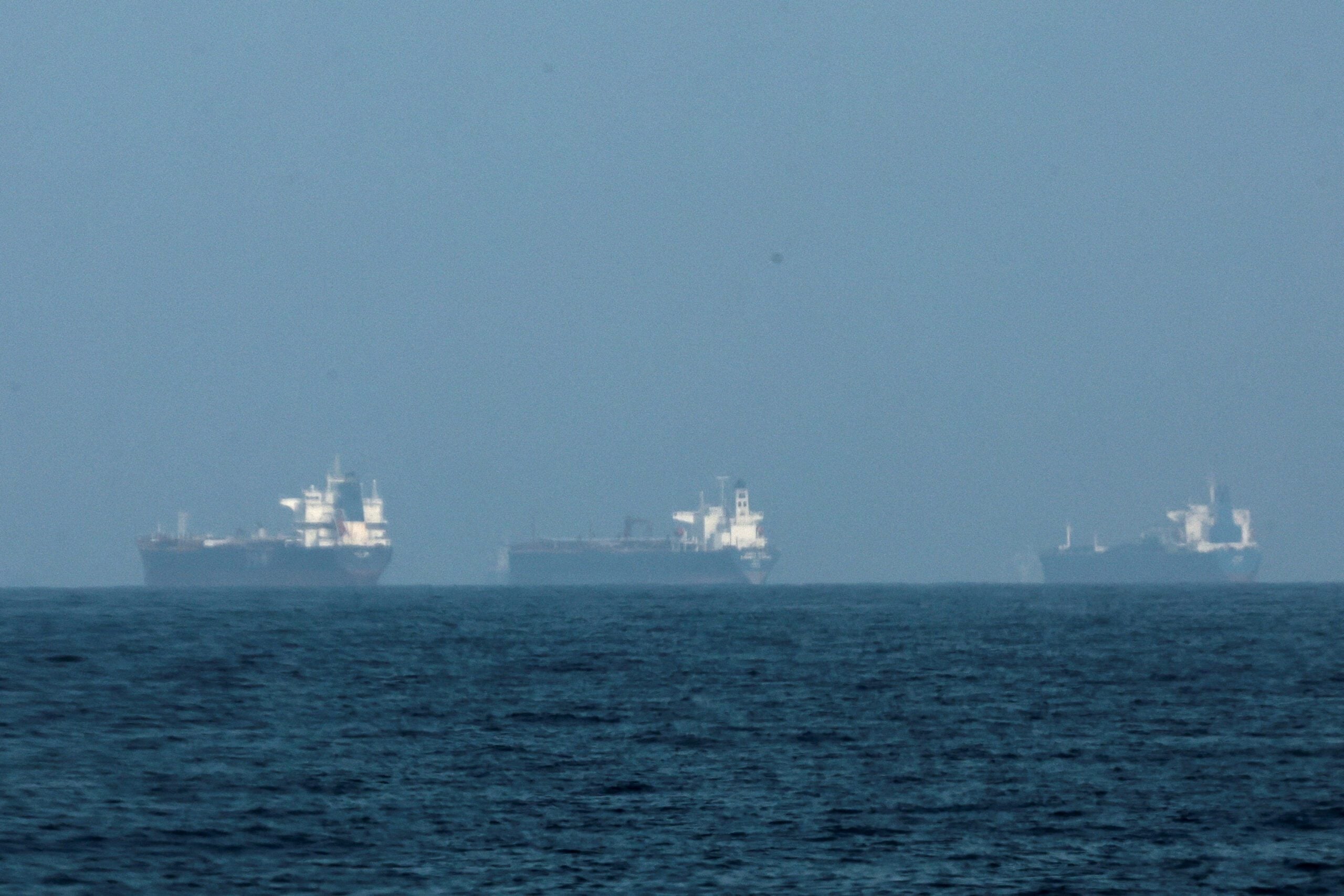
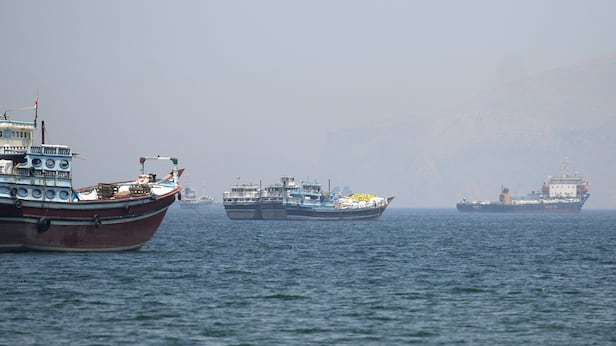
The May 4, 2026 escalation in the Strait of Hormuz—marked by three commercial vessel attacks within 24 hours, including the HMM Namu explosion off UAE and attacks on a tanker 78 nautical miles north of Fujairah and a bulker near Sirik—represents a critical supply chain inflection point for cross-border e-commerce sellers. The incident stranded 26 South Korean-flagged vessels and triggered Iran's declaration of a new maritime control zone, directly impacting ocean freight costs and transit times for sellers sourcing inventory from Asia-Pacific regions destined for Middle Eastern, European, and North American markets.
Immediate Cost Impact: Ocean freight rates through the Strait of Hormuz are experiencing 12-18% premiums as insurance costs spike and carriers implement hazard surcharges. Sellers currently routing shipments via this chokepoint—which handles approximately 21% of global seaborne oil and critical container traffic—face $800-2,400 additional costs per 40-foot container. For sellers shipping 50+ containers monthly (typical for mid-sized Amazon FBA operators), this translates to $40,000-120,000 in monthly cost increases. War risk insurance premiums have jumped from 0.05% to 0.15-0.25% of cargo value, adding $150-750 per $100K shipment.
Route Diversification Imperative: Sellers must immediately evaluate alternative shipping corridors. The Suez Canal route (via Cape of Good Hope) adds 10-14 days transit time but avoids Hormuz risk premiums—viable for non-perishable goods with 45+ day lead times. Air freight alternatives (DHL, FedEx, Cathay Pacific cargo) cost 8-12x ocean rates but guarantee delivery within 5-7 days, suitable for high-margin electronics, fashion, and beauty categories. Regional 3PL providers in Dubai, Singapore, and Hong Kong now offer transshipment services at 8-12% premiums to bypass direct Hormuz transit.
Inventory Strategy Shift: Sellers sourcing from South Korea, Vietnam, and Thailand must immediately increase safety stock in US and EU warehouses by 30-45 days of inventory before June 15, 2026. This prevents stockouts during extended transit delays. Conversely, sellers with excess inventory should liquidate 20-30% of slow-moving SKUs before freight costs compound holding expenses. Amazon FBA storage fees ($0.87/cubic foot monthly in standard-size) make inventory bloat increasingly expensive during supply chain disruptions.
Sourcing Rebalancing: This crisis accelerates the shift from Asia-centric sourcing to nearshoring strategies. Sellers should evaluate Mexico (electronics, apparel), Poland (EU distribution), and India (non-restricted categories) as alternatives to Korean and Vietnamese suppliers. Mexico-to-US ocean freight costs $1,200-1,800 per container (vs. $2,400-3,200 from Asia), with 8-12 day transit vs. 18-25 days through Hormuz. This represents 35-40% cost savings for sellers targeting North American markets.
Questions 7
How much will my ocean freight costs increase due to Strait of Hormuz attacks?
Ocean freight rates through the Strait of Hormuz are experiencing 12-18% premiums as of May 4, 2026. For a standard 40-foot container, expect $800-2,400 in additional costs. War risk insurance premiums jumped from 0.05% to 0.15-0.25% of cargo value, adding $150-750 per $100K shipment. Sellers routing 50+ containers monthly face $40,000-120,000 in monthly cost increases. These premiums typically persist 4-8 weeks after major incidents, so budget for elevated costs through late June 2026. Monitor freight indices daily via Freightos or your freight forwarder for rate changes.
What is the total landed cost impact for my Amazon FBA inventory?
For a typical $50 product sourced from Vietnam: base ocean freight adds $3-5 per unit; war risk insurance adds $0.50-1.50; alternative routing adds $1-2; Amazon FBA storage increases $0.15-0.25 per unit monthly during delays. Total landed cost increases 8-15% ($4-7.50 per unit). For sellers with 10,000 unit monthly inventory, this represents $40,000-75,000 in additional monthly costs. Margin compression of 8-15% requires price increases of 5-10% to maintain profitability—test price elasticity in your category before implementing. Consider temporary FBM (Fulfillment by Merchant) for slower-moving SKUs to reduce storage costs during the crisis.