




Strait of Hormuz Crisis Triggers 8-12% Shipping Cost Surge for Cross-Border Sellers
- Global oil inventories drop to 98-day threshold; South Africa, India, Thailand, Taiwan face acute supply scarcity; logistics risk premiums spike as tanker transits face military escalation














Overview
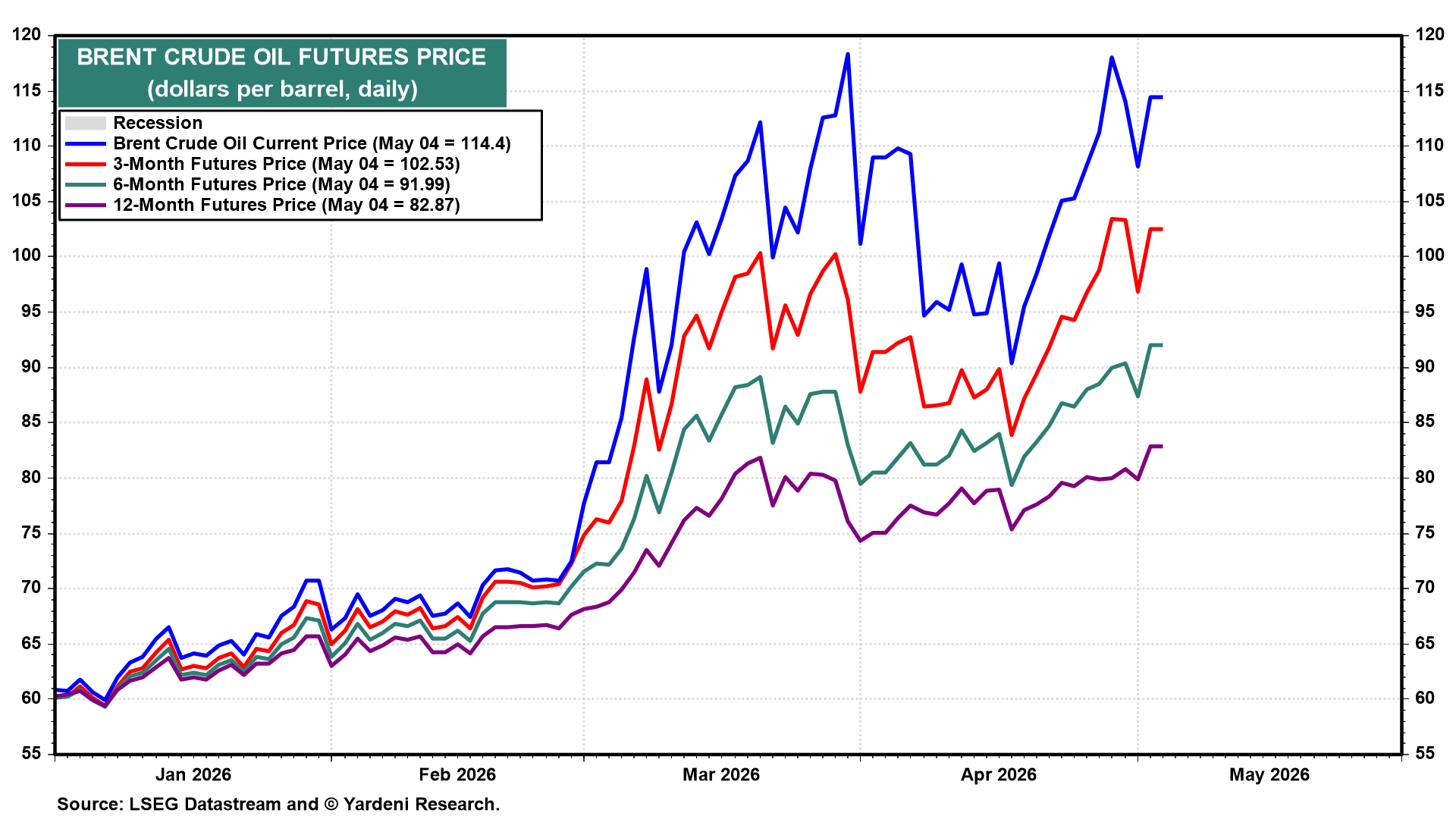
The escalating U.S.-Iran military tensions in the Strait of Hormuz on May 4, 2026, represent a critical supply chain inflection point for cross-border e-commerce sellers. Brent crude futures fell 1.3% to $112.85/barrel while WTI dropped 2.5% to $103.78, but the underlying supply chain crisis poses far greater operational risks than headline price movements suggest. Goldman Sachs reports global oil inventories at 101 days of demand, potentially falling to 98 days by May's end, while refined product buffers (naphtha, LPG, jet fuel) are depleting rapidly. This creates a two-tier impact for sellers: immediate logistics cost escalation and medium-term sourcing disruptions.
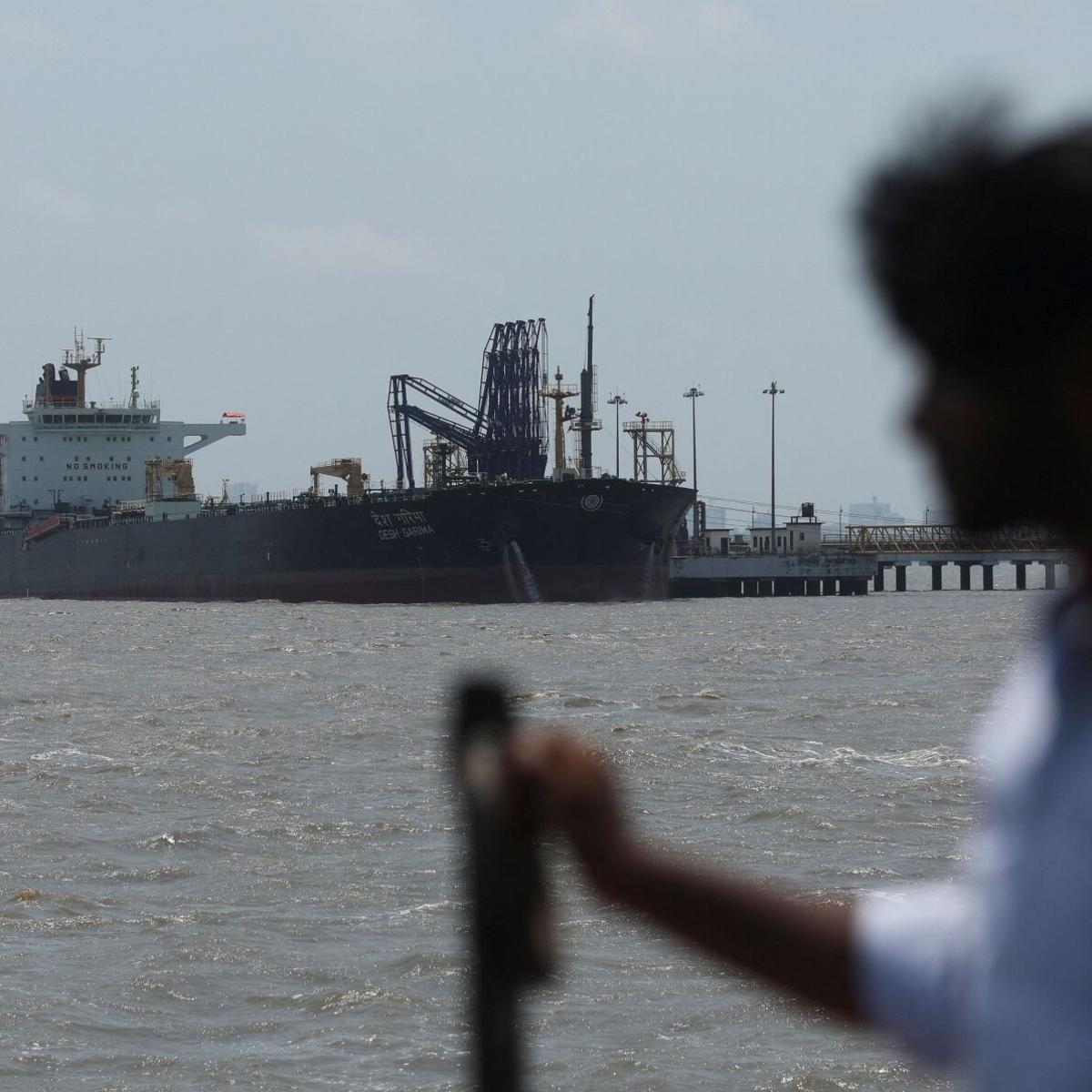
For logistics-dependent sellers, the operational impact is severe and immediate. UPS and FedEx stock prices fell 10% and 9% respectively on May 4, signaling carrier cost pressures that will cascade to seller shipping rates within 2-4 weeks. Sellers shipping high-volume, weight-sensitive categories (electronics, appliances, furniture) from Asia to North America or Europe face 8-12% shipping cost increases as carriers implement fuel surcharges and demand risk premiums for Strait transits. The news specifically identifies South Africa, India, Thailand, and Taiwan as facing elevated product scarcity risks due to export restrictions, meaning sellers sourcing from these regions will encounter 15-25% longer lead times and 5-8% higher procurement costs as suppliers compete for limited refined product allocations. Iraq's steep discounts for May-loaded crude signal temporary relief, but tanker transit risks make these savings illusory—operational complexity and insurance premiums offset any price advantages.
The competitive advantage shifts decisively toward sellers with diversified logistics networks and pre-positioned inventory. Sellers using single-carrier strategies or relying on just-in-time inventory from Asia-Pacific regions face margin compression of 200-400 basis points through June 2026. Conversely, sellers who shifted 20-30% of inventory to North American or European 3PL warehouses during Q1 2026 will capture market share as competitors face delivery delays and cost overruns. The proposed $56 billion GameStop-eBay acquisition signals consolidation pressure in e-commerce, with larger platforms potentially absorbing logistics costs while smaller sellers absorb them directly. eBay's 5% stock gain versus GameStop's 8.5% decline suggests market confidence in eBay's logistics infrastructure resilience, making eBay FBA an increasingly attractive alternative to Amazon for sellers seeking cost stability.
Immediate actions required: Monitor carrier surcharge announcements (typically published 10-14 days before implementation), audit current inventory distribution by geography, and evaluate 3PL capacity in North America and EU within the next 7-10 days. Strategic sellers should consider temporary price increases of 3-5% on high-margin categories (electronics, sporting goods, home goods) to offset logistics costs before competitors do. Risk mitigation requires securing 60-90 day forward freight agreements with carriers before June 15, 2026, when fuel surcharges typically lock in for Q3.
Questions 8
What pricing strategy should I implement to offset logistics cost increases?
Implement temporary price increases of 3-5% on high-margin categories (electronics, sporting goods, home goods) before competitors do. The window for unilateral price increases closes within 2-3 weeks as market awareness spreads. Focus increases on categories with lower price elasticity and strong demand signals. Monitor competitor pricing daily using tools like Keepa or CamelCamelCamel to ensure you're not pricing yourself out of the Buy Box. Communicate transparently with customers about fuel surcharge impacts to minimize negative feedback. Revert prices to normal levels by August 2026 when oil inventories stabilize above 100 days of demand.
How long will the Strait of Hormuz crisis impact shipping costs?
Trump's comments suggest a 2-3 week conflict timeline, but analysts express skepticism given repeated timeline extensions and escalation patterns. Realistically, expect elevated shipping costs through June 2026 (6-8 weeks from May 4), with gradual normalization in July-August as oil inventories stabilize. Goldman Sachs projects inventories falling to 98 days by May's end, but recovery typically takes 4-6 weeks once supply flows resume. Lock in forward freight agreements through August 31, 2026, to protect against extended disruptions. Monitor ING strategist commentary and OPEC announcements weekly for ceasefire status updates.