


Taiwan Strait Tensions & Asia-Pacific Supply Chain Disruption Risk | Seller Impact 2026
- Escalating U.S.-China military exercises threaten Luzon Strait shipping corridor affecting 10,000+ cross-border sellers; emerging drone/3D printing tech creates manufacturing opportunities in Philippines logistics hub







Overview
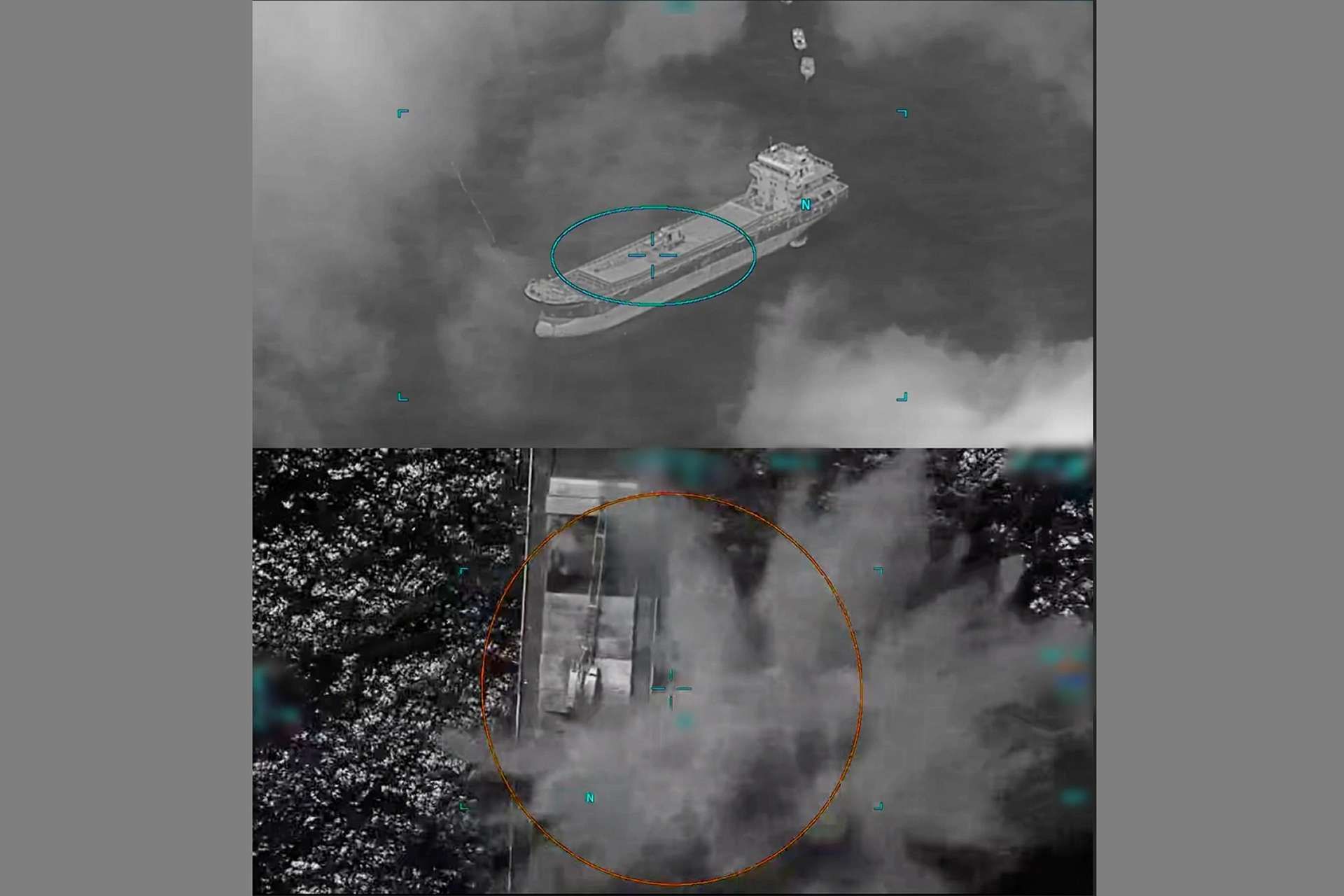
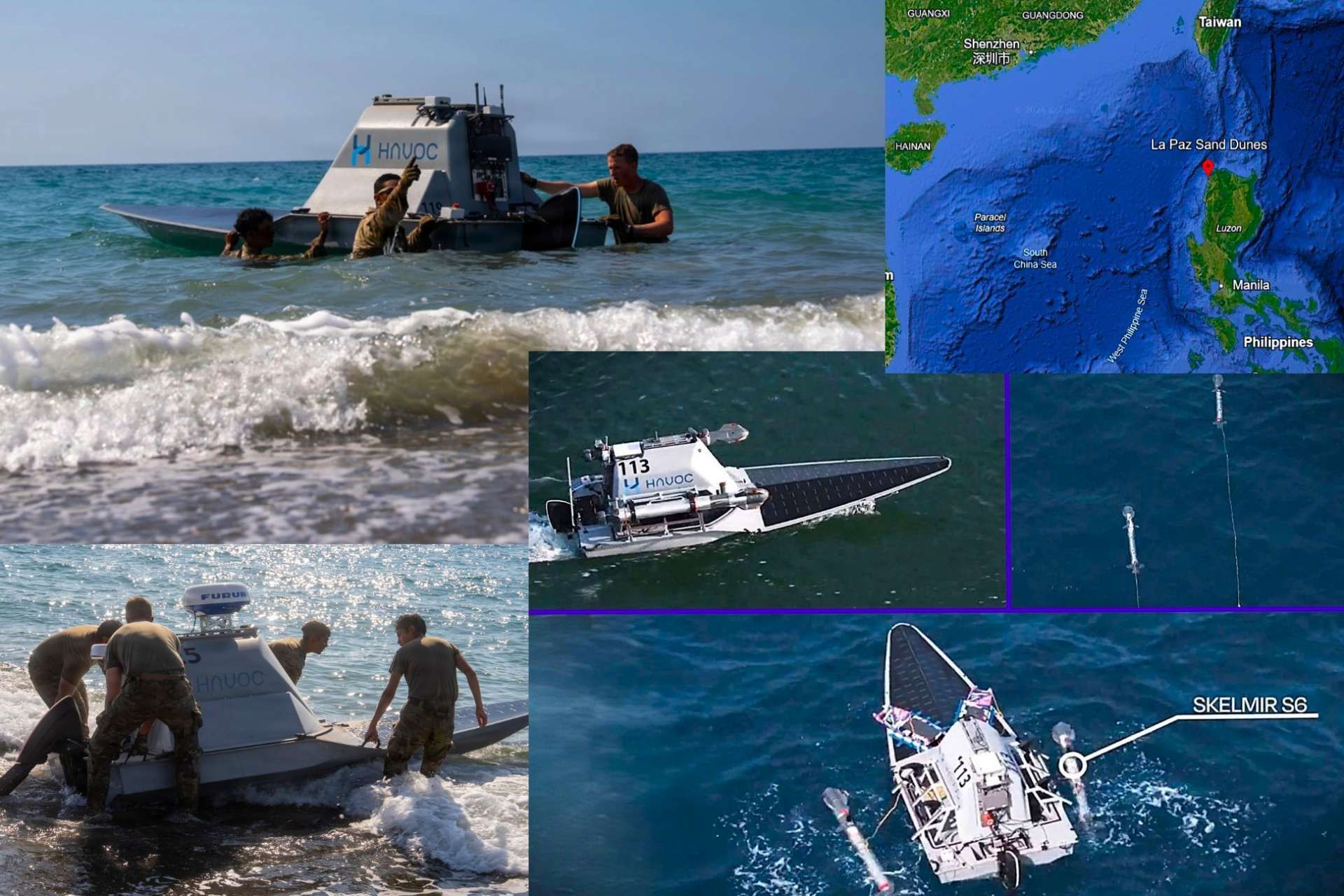
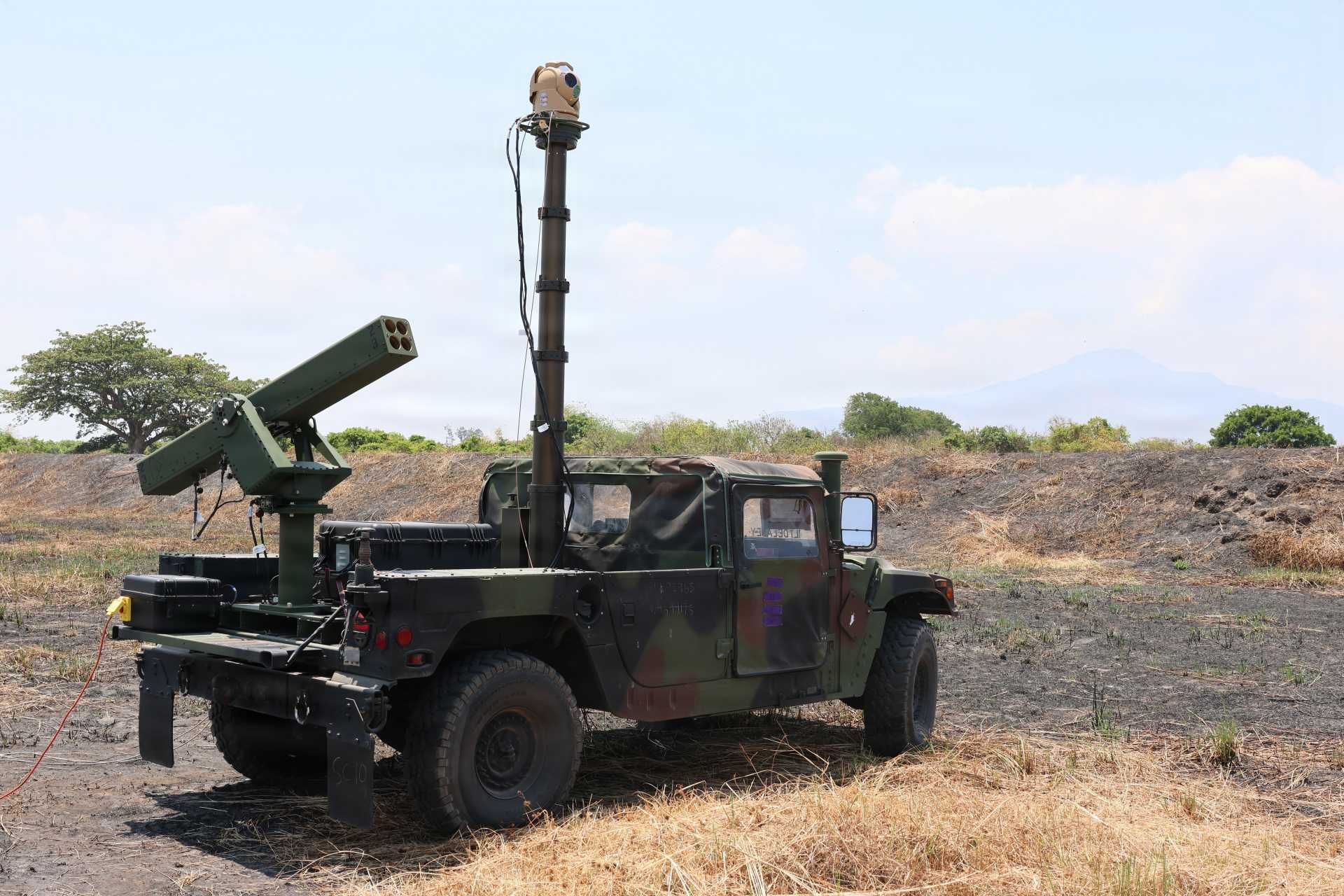
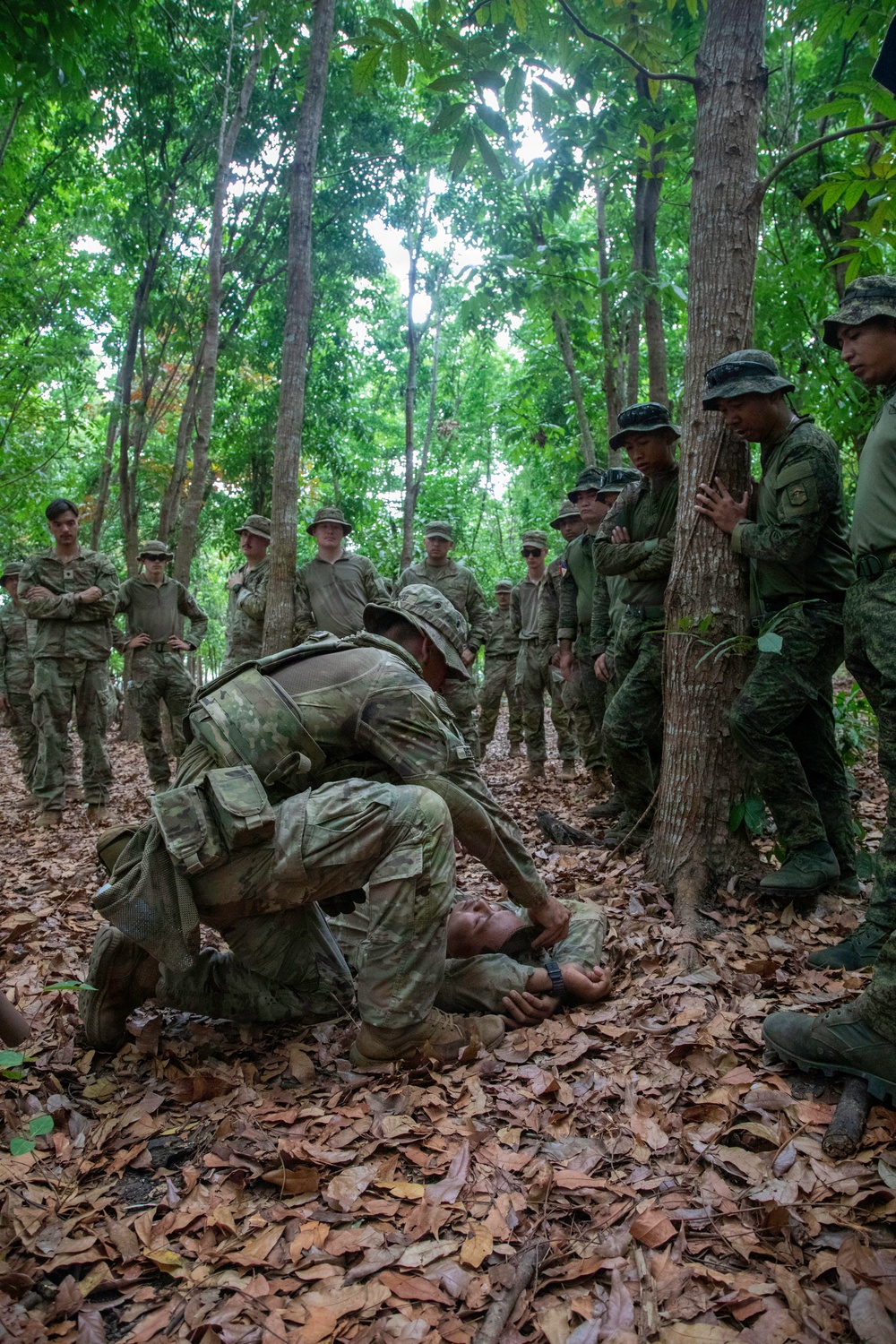
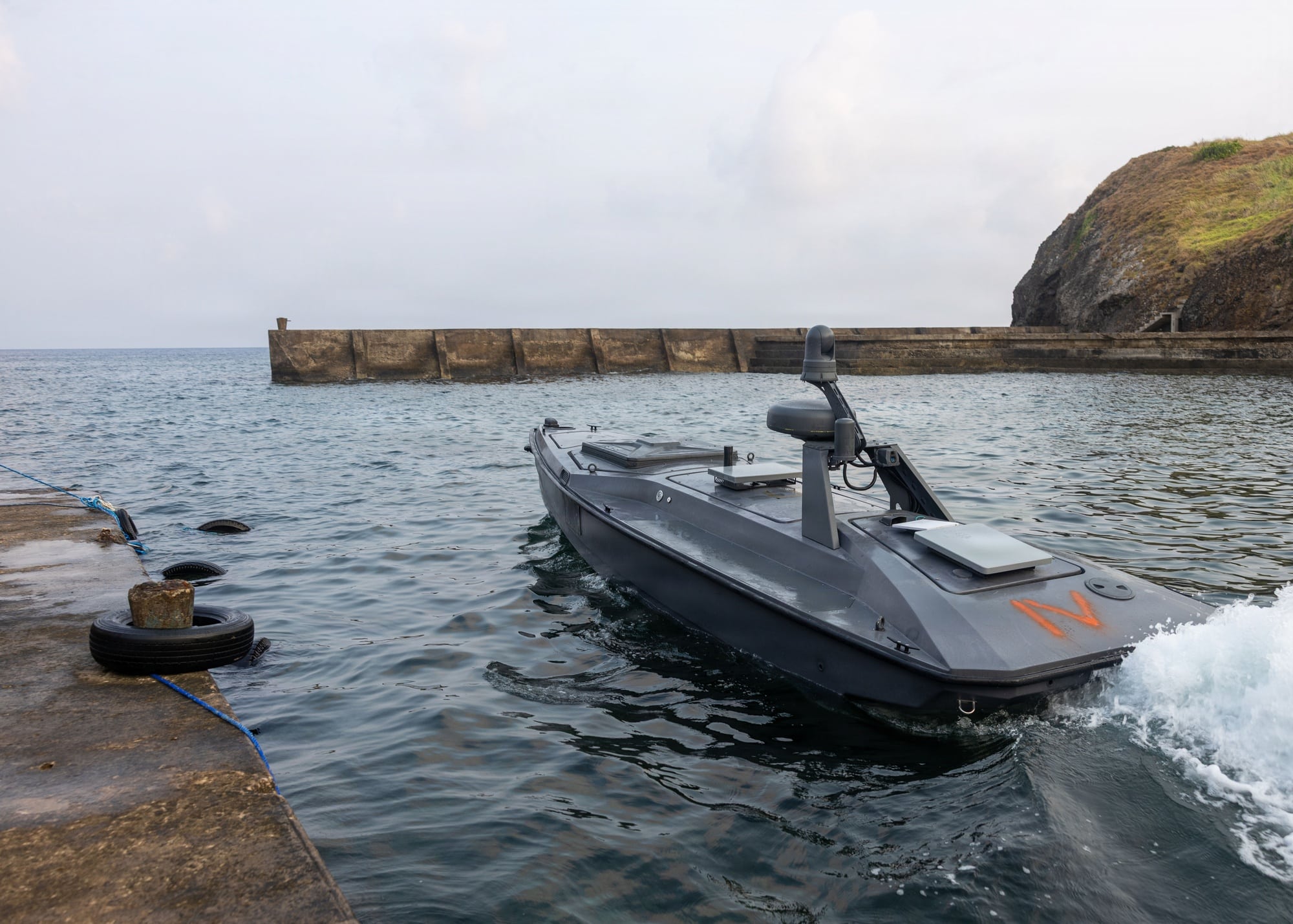
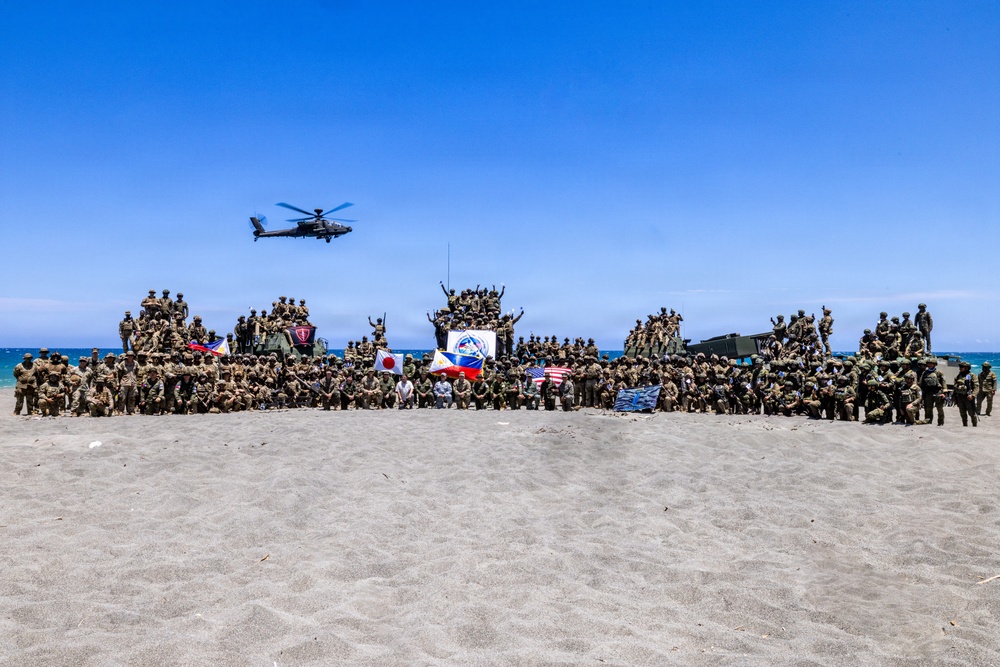
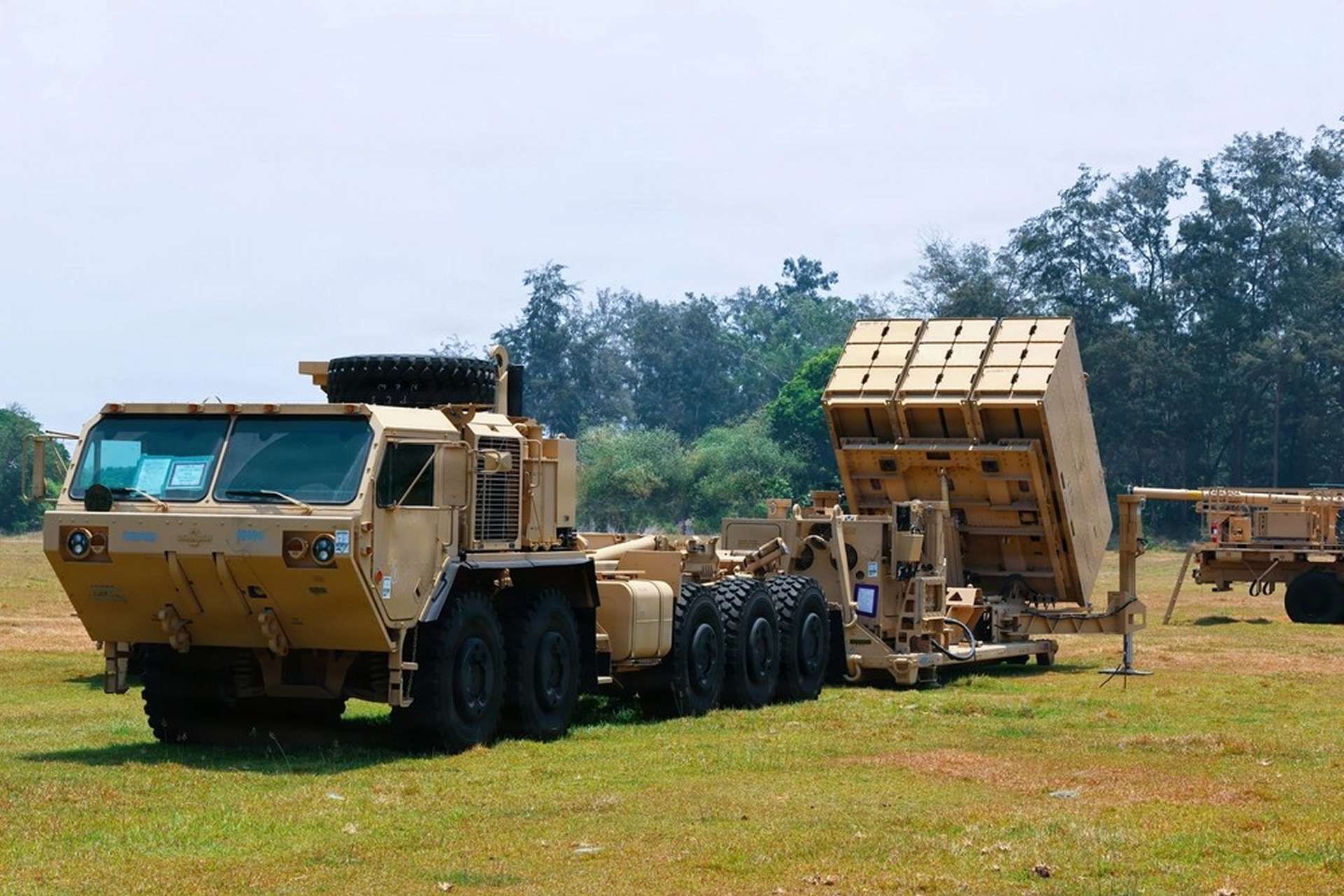
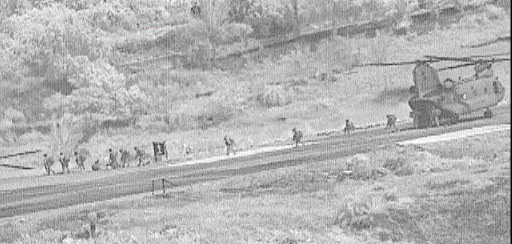
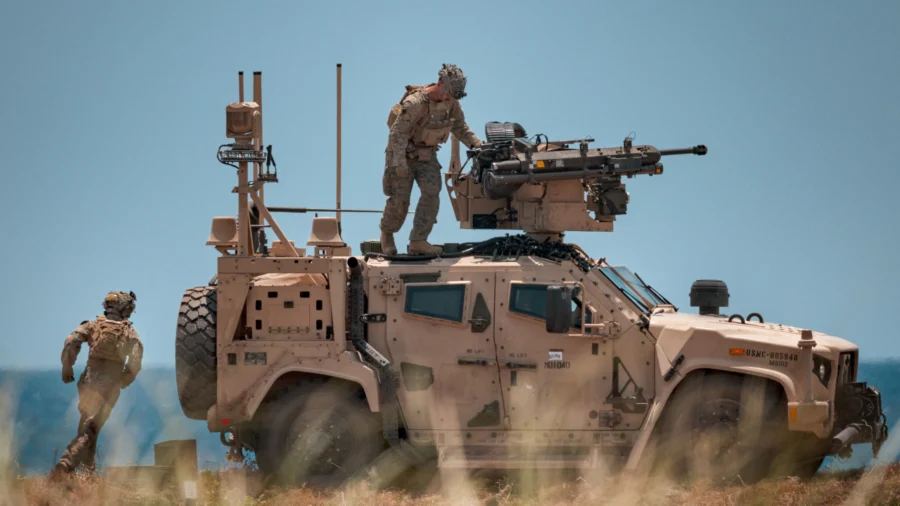
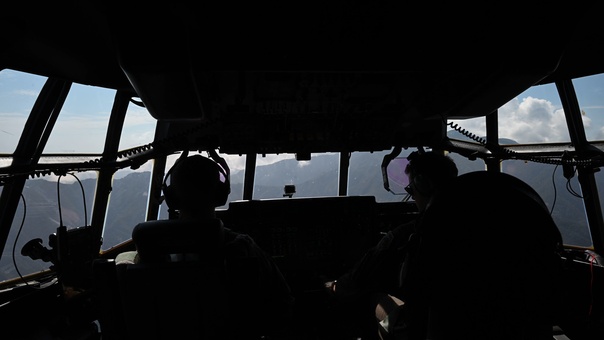
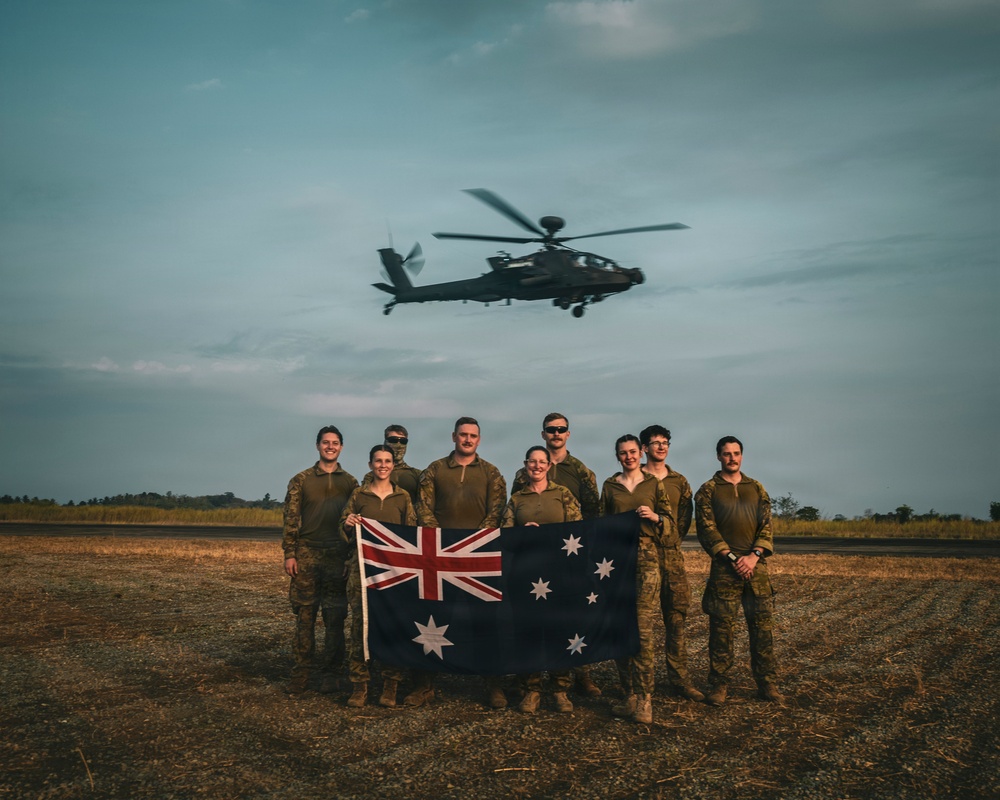
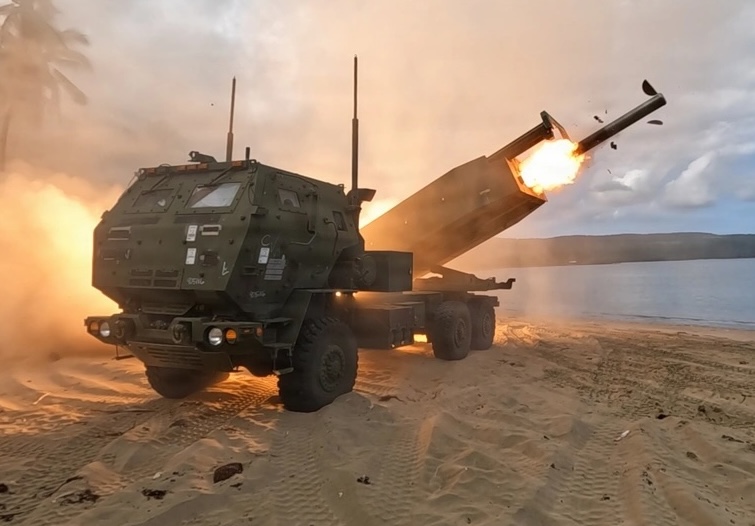
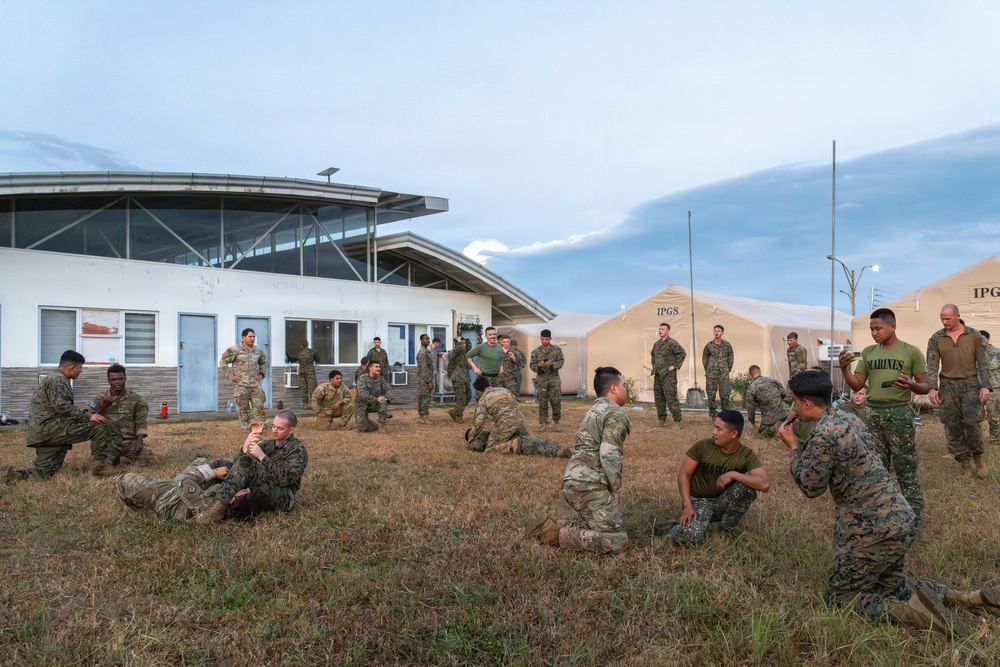
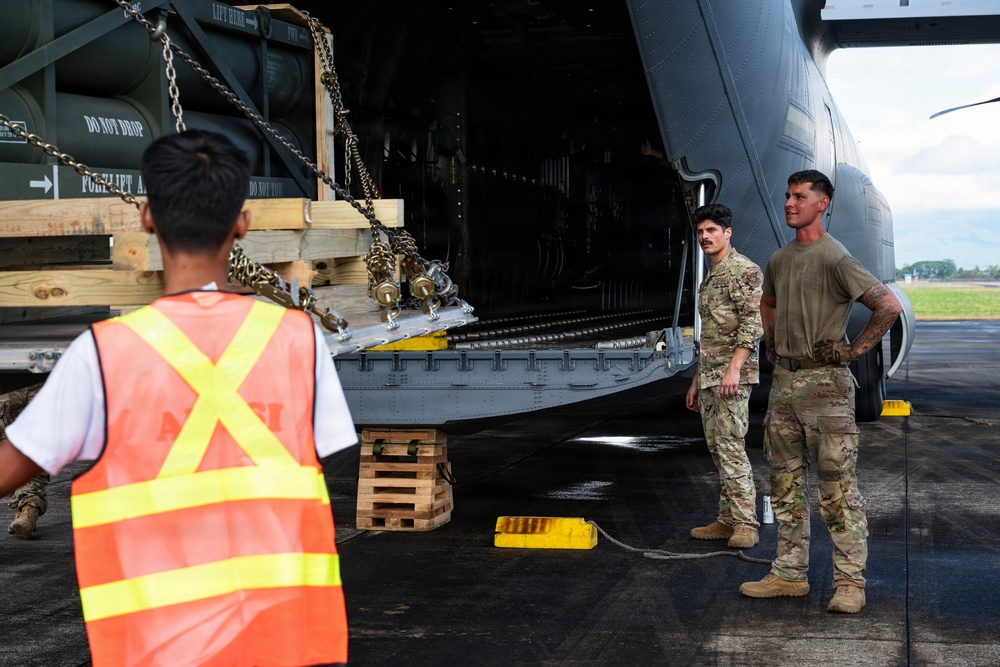
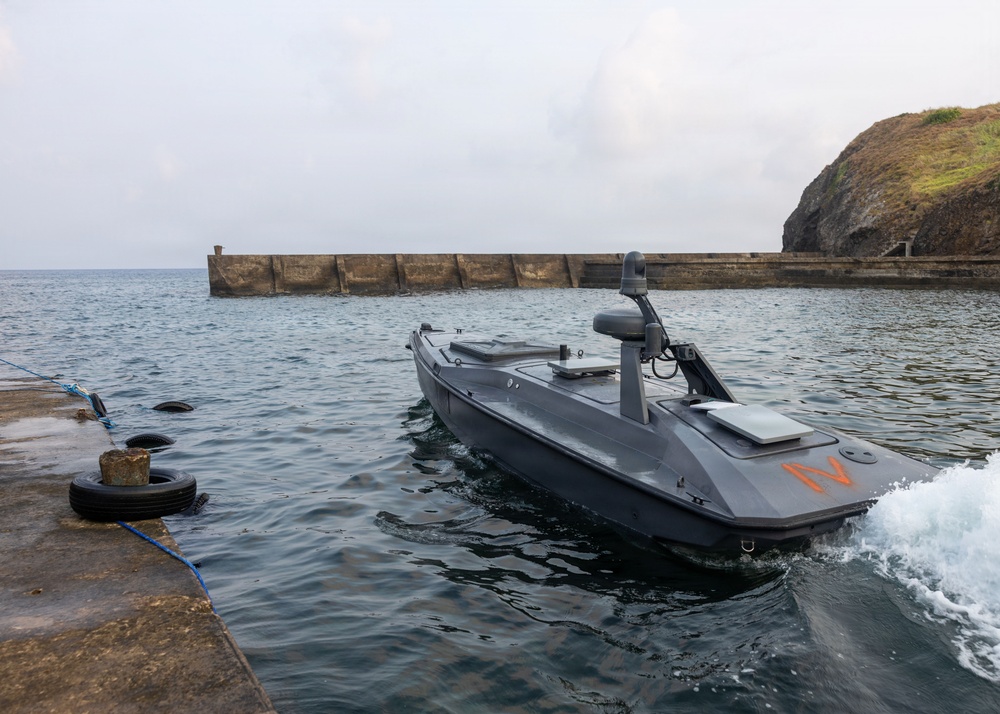
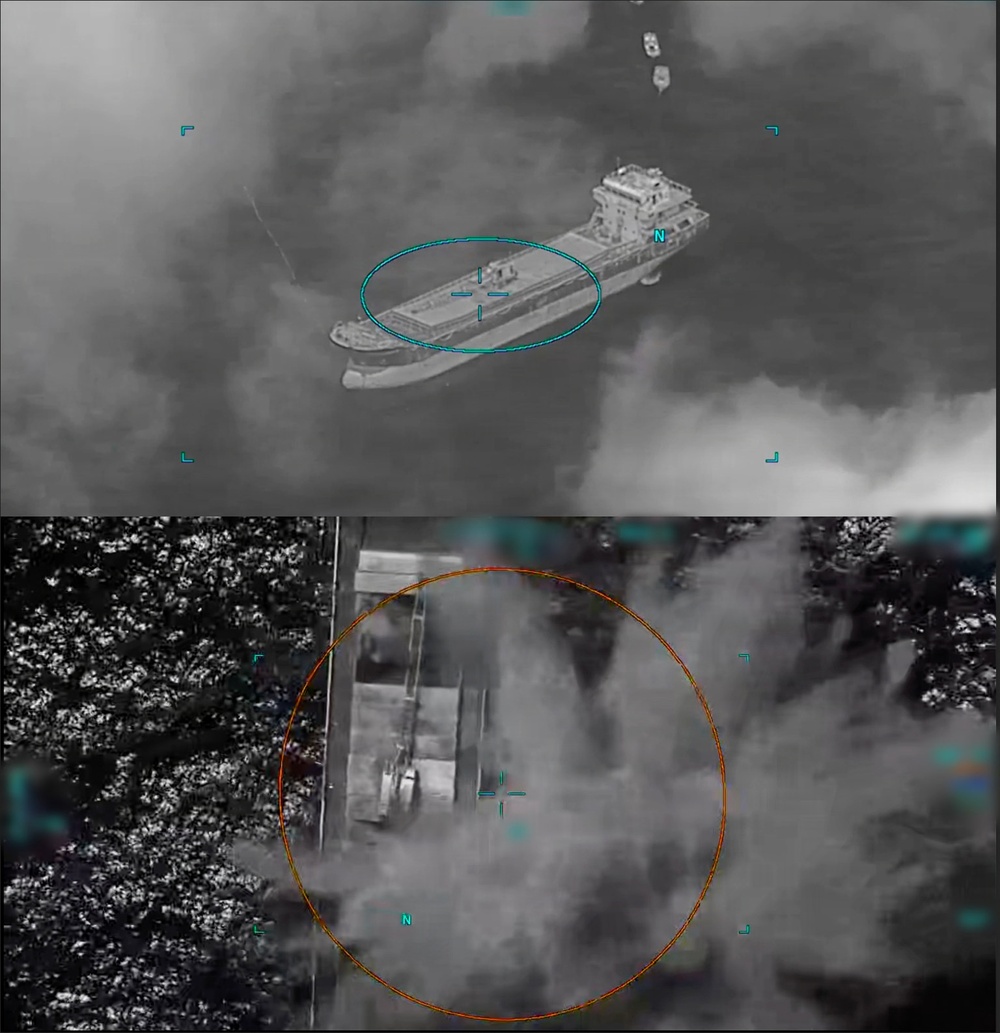
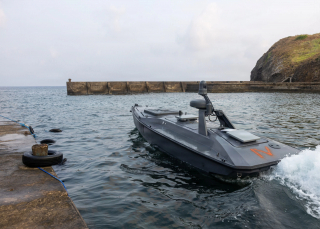
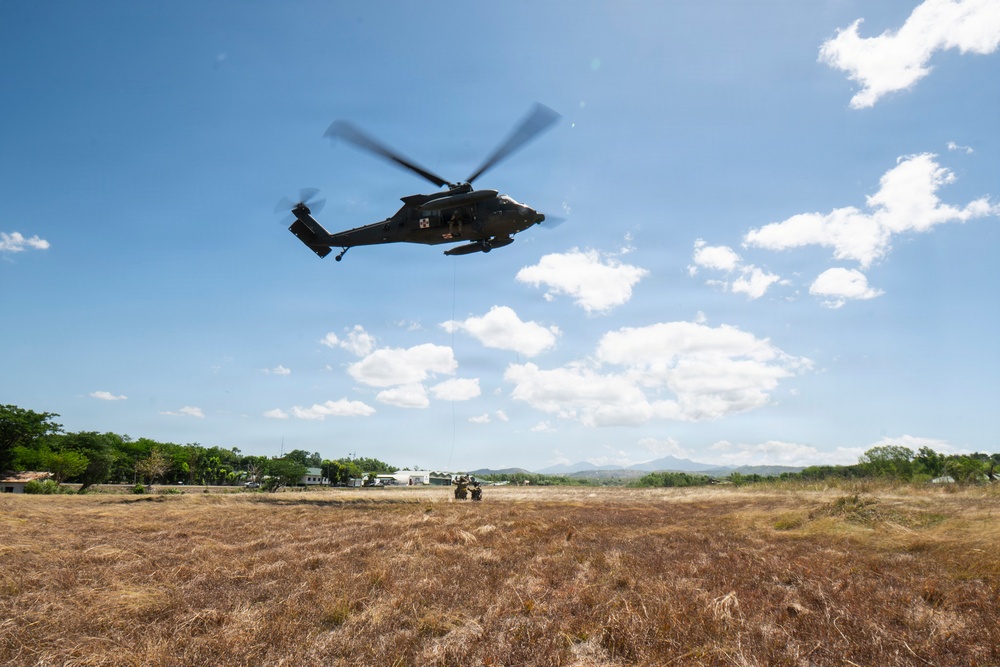
Exercise Balikatan 2026 represents a critical inflection point for cross-border e-commerce sellers operating in Asia-Pacific markets. The U.S.-Philippines joint military exercises (April 20-May 8, 2026) involving 17,000 troops and advanced weapons systems—including ship-killing drones, NMESIS anti-ship missiles with 115-mile range, and expeditionary 3D printing manufacturing units—signal both immediate supply chain risks and emerging technology opportunities for sellers. The Luzon Strait, positioned 88 miles from Taiwan and serving as a strategic maritime commerce corridor, faces increased military activity that directly impacts shipping routes, insurance costs, and delivery timelines for sellers with Asia-Pacific supply chains.
Supply Chain Risk Assessment: The NMESIS system's rapid deployment capability (airlifted to any Philippine coastline within hours) creates unpredictable operational disruptions. Security analyst Chester Cabalza's assessment indicates potential for sudden route closures affecting sellers shipping through the Taiwan Strait. Philippine President Ferdinand Marcos Jr.'s statement that conflict would "drag the Philippines kicking and screaming into the conflict" underscores real destabilization risks. China's intensified South China Sea activities—including naval presence increases and strategic barriers at Scarborough Shoal—create uncertainty for sellers with supply chains transiting these waters. The Philippines hosts significant e-commerce infrastructure and serves as a logistics hub for regional sellers, making geopolitical instability directly relevant to operational continuity.
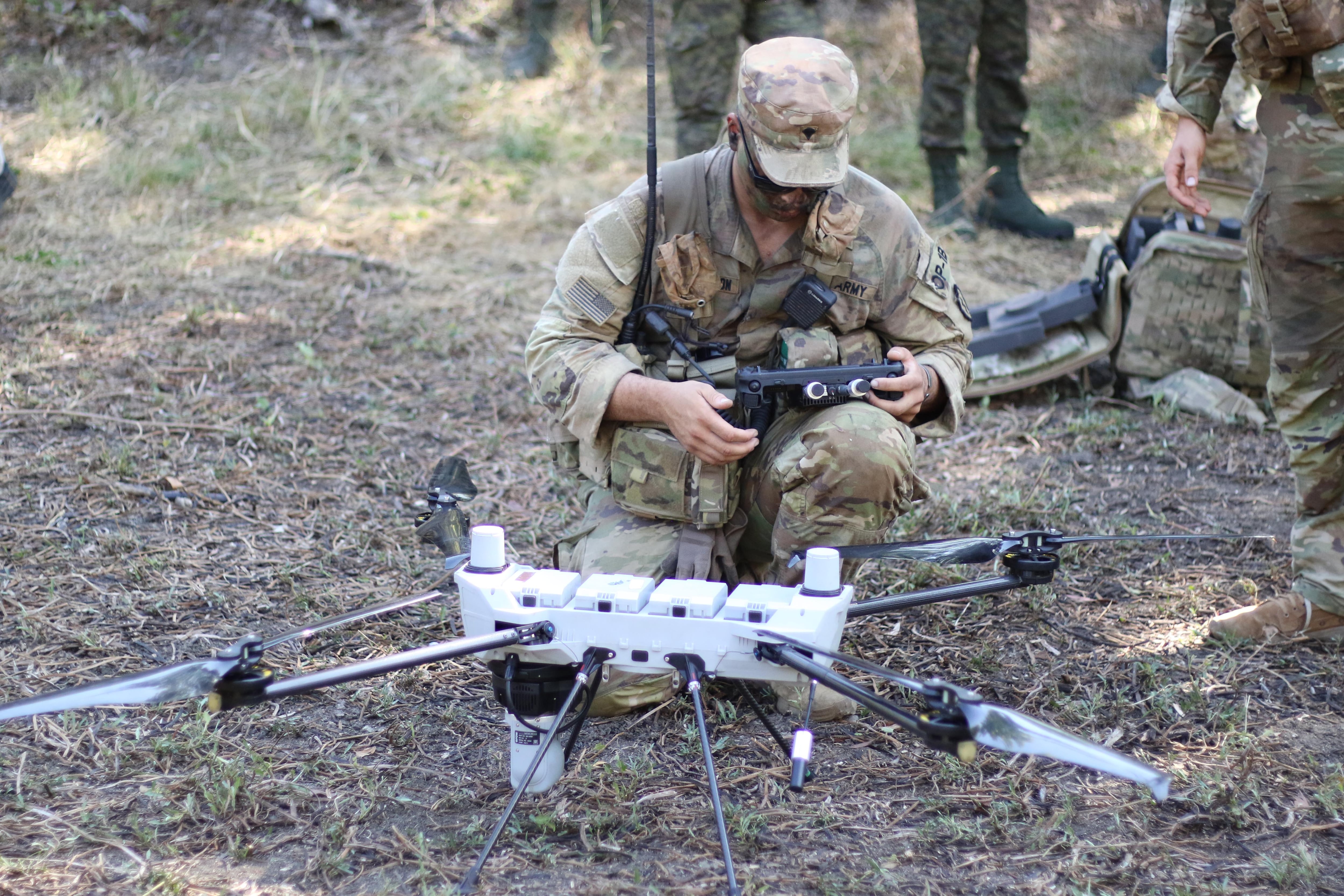
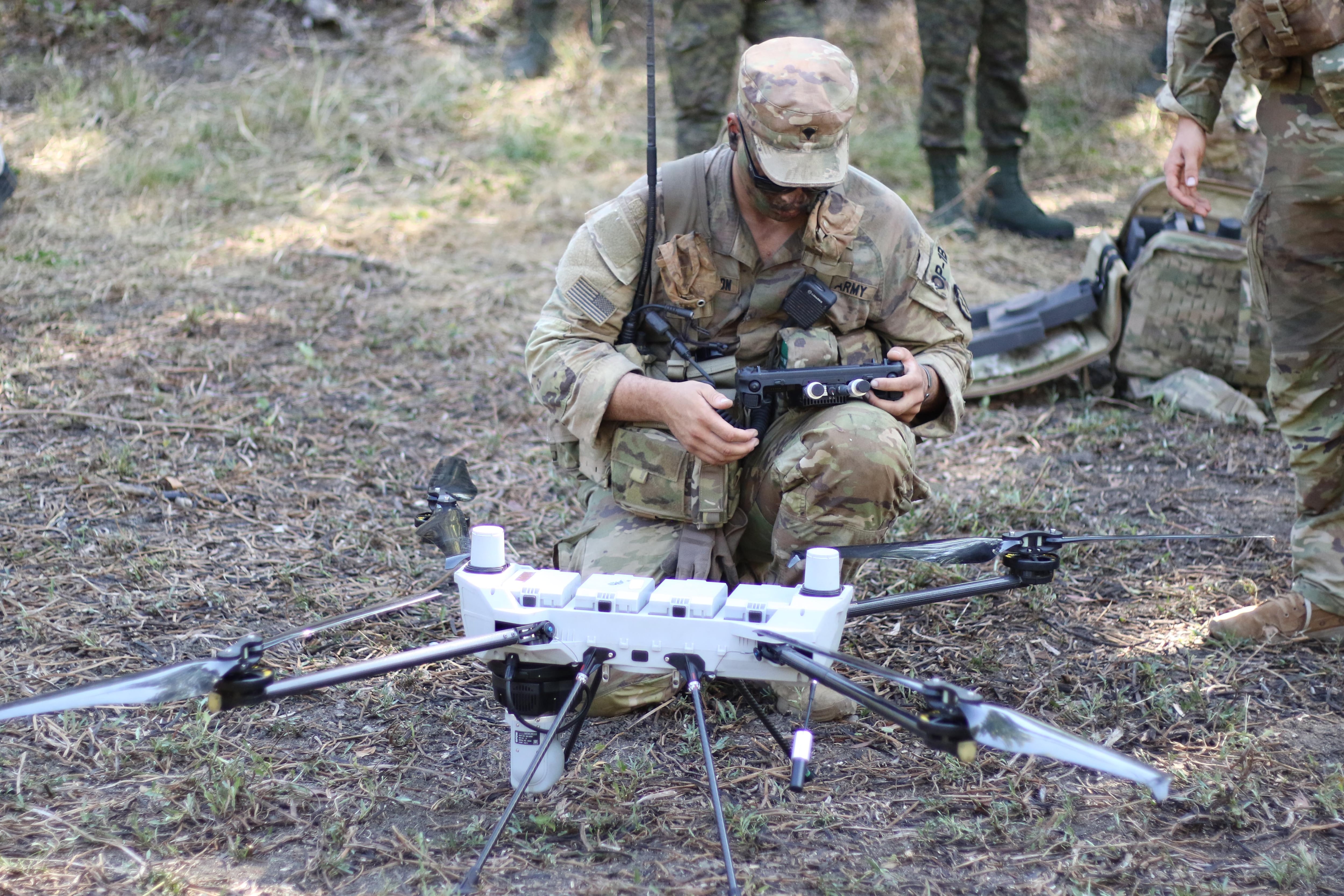
Technology Opportunity Angle: Paradoxically, the same exercises showcase emerging manufacturing technologies with commercial applications. The Forge—INDOPACOM's expeditionary manufacturing unit equipped with industrial-grade 3D printers (polymer and metal), milling machines, and 3D scanners—completed 12 projects by mid-exercise, manufacturing 300 Kestrel drone frames and reverse-engineering broken bolts in 6 hours versus standard 10-week procurement timelines. CW2 Kevin Ton reported $23,000 savings and 96 cumulative months in waiting time during the first week alone. This validates rapid prototyping and additive manufacturing viability for field operations, signaling potential commercialization of expeditionary manufacturing services in the Philippines. Sellers in electronics, drone components, and industrial parts categories can monitor this technology trajectory for future sourcing opportunities and manufacturing partnerships in Southeast Asia.
Seller Segment Impact: Small-to-medium sellers (1,000-10,000 monthly units) with direct Taiwan/Philippines sourcing face highest risk from route disruptions and insurance cost increases (estimated 8-15% premium during elevated tensions). Large sellers (10,000+ units) with diversified supply chains and 3PL partnerships have greater flexibility to reroute through alternative corridors (Singapore, Malaysia, Vietnam). Sellers in drone components, military-adjacent electronics, and industrial manufacturing categories should monitor technology developments from Balikatan exercises for future B2B sourcing opportunities.
Questions 8
How do Taiwan Strait military exercises affect cross-border sellers' shipping costs?
Exercise Balikatan 2026 increases maritime insurance premiums for vessels transiting the Luzon Strait by an estimated 8-15% during elevated tension periods. The NMESIS anti-ship missile system deployment (115-mile range) and ship-killing drone operations create perceived risk that insurers price into coverage. Sellers shipping 1,000+ monthly units through this corridor face $200-500 monthly cost increases. The Philippines hosts significant e-commerce infrastructure, making route disruptions directly impact sellers using Manila and Cebu as distribution hubs. Diversifying through Singapore or Malaysia routes adds 3-5 days transit time but reduces geopolitical risk exposure.
What supply chain diversification strategies should sellers implement now?
Sellers should implement a three-tier approach: (1) Immediate—audit current supply chains to identify Taiwan Strait dependency and map alternative routes through Singapore, Malaysia, or Vietnam (30-day deadline); (2) Medium-term—negotiate 3PL partnerships with providers offering multiple routing options and real-time geopolitical risk monitoring; (3) Strategic—consider nearshoring to Philippines manufacturing for certain categories, leveraging emerging expeditionary manufacturing capabilities demonstrated in Balikatan exercises. The Forge's success manufacturing 300 drone frames and reverse-engineering parts in 6 hours (versus 10-week standard timelines) signals viability of rapid prototyping services in the region. Sellers in electronics, drone components, and industrial parts should monitor Philippines manufacturing ecosystem development.