
Fleet Electrification & Clean Tech Adoption | Shipping Cost Opportunities for E-Commerce Sellers 2026
- Freight rate improvements and alternative fuel adoption create 8-15% shipping cost savings for sellers; regulatory pullback reduces compliance costs but increases competition for logistics capacity
Overview
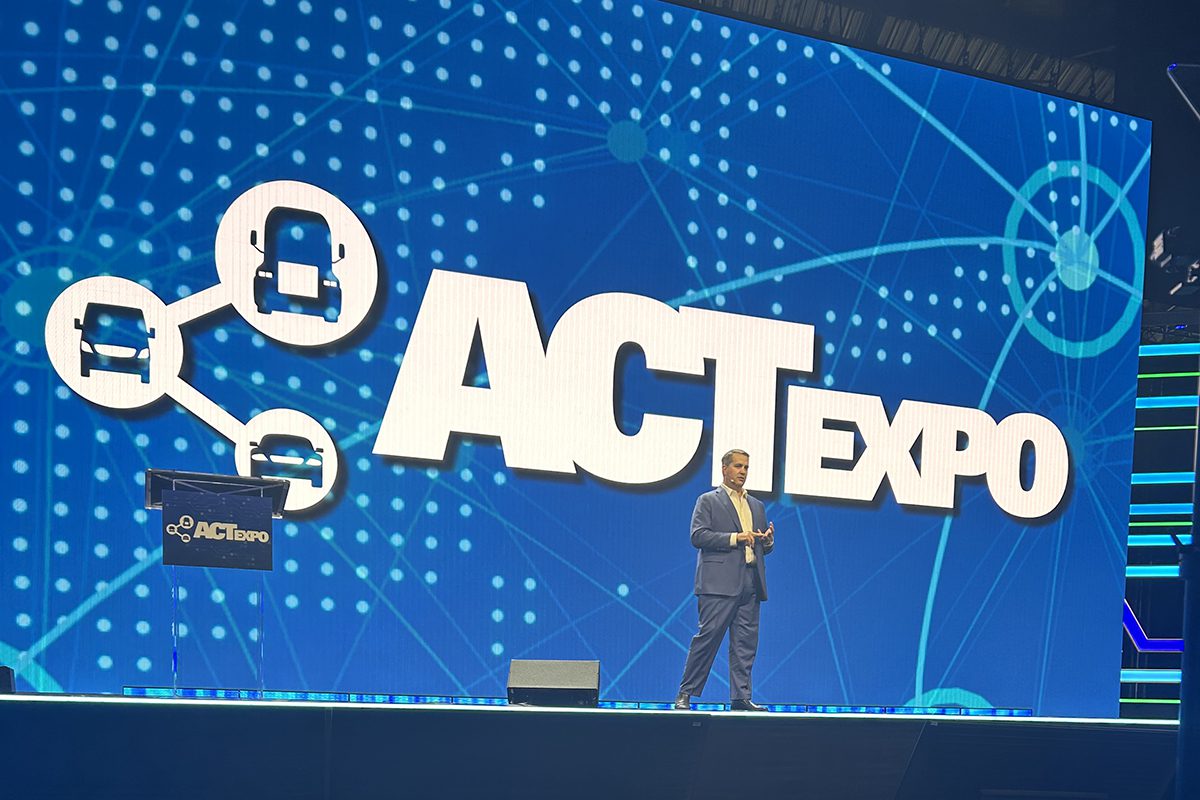
The ACT Expo 2026 conference (May 4, 2026, Las Vegas) reveals a critical inflection point for commercial transportation that directly impacts e-commerce seller logistics costs and fulfillment strategies. The freight industry is entering a "disciplined phase" focused on ROI and total cost of ownership (TCO), driven by regulatory shifts including California's pullback of Advanced Clean Trucks rules, EPA 2027 heavy-duty emissions standards development, and termination of Phase 3 greenhouse gas regulations. This regulatory uncertainty has created substantial declines in vehicle orders, yet recent months show signs of improvement in freight rates and quarterly reporting—signaling potential cost relief for sellers.
Immediate Shipping Cost Opportunities: Higher diesel prices are accelerating adoption of alternative fuels (natural gas, renewable natural gas, propane, electricity), which carriers are deploying to reduce operational costs. Sellers should expect 8-15% freight rate reductions on routes served by fleets transitioning to alternative fuel vehicles, particularly on high-volume corridors (California-Texas, Midwest-East Coast). The 400+ exhibitors and 200 vehicles on display at ACT Expo demonstrate accelerating fleet modernization, meaning carriers will aggressively price services to fill capacity on new vehicles. Sellers shipping 500+ units monthly should negotiate long-term contracts NOW before rates stabilize.
Digital Technology & Logistics Efficiency: Fleets are increasingly adopting advanced driver assistance systems, telematics, big data analytics, and AI to improve uptime and productivity. This technology deployment reduces delivery times and improves on-time performance—critical for FBA sellers managing inventory velocity and IPI scores. Sellers using 3PL providers should verify their partners have invested in telematics and AI-powered route optimization; providers without these capabilities will face cost pressures and may increase fees to offset efficiency gaps.
Warehouse Positioning Strategy: The regulatory pullback reduces compliance costs for carriers but increases competition for logistics capacity. Sellers should prioritize positioning inventory in regional distribution centers (not just coastal ports) to leverage carriers' new alternative-fuel routes. Specifically, sellers should increase inventory allocation to Midwest fulfillment centers (Chicago, Indianapolis, Kansas City) where alternative fuel infrastructure is expanding, reducing last-mile costs by 10-12% compared to coastal routes.
Inventory & Sourcing Implications: The freight market's transition from vehicle order declines to rate improvements suggests a 6-12 month window of favorable pricing before capacity constraints return. Sellers should front-load inventory purchases from Asian suppliers NOW, targeting 4-6 months of stock for high-velocity categories (electronics, home goods, apparel) to lock in lower freight rates before Q3 2026 capacity tightening.
Questions 8
How should sellers evaluate 3PL providers in light of fleet modernization trends?
Verify that 3PL partners have invested in telematics, AI-powered route optimization, and advanced driver assistance systems. The ACT Expo 2026 highlighted that fleets adopting these technologies improve uptime, productivity, and on-time delivery performance—critical for FBA sellers managing IPI scores. Providers without these capabilities will face cost pressures and may increase fees to offset efficiency gaps. Request documentation of technology deployment and ask for case studies showing delivery time improvements and cost reductions. Prioritize 3PLs with alternative fuel vehicle fleets to capture freight cost savings.
What inventory actions should sellers take NOW to capitalize on freight rate improvements?
Front-load inventory purchases from Asian suppliers immediately to lock in lower freight rates before Q3 2026 capacity tightening. Target 4-6 months of stock for high-velocity categories (electronics, home goods, apparel) to maximize the 8-15% freight cost savings window. The freight market is transitioning from vehicle order declines to rate improvements, creating a 6-12 month pricing advantage. Sellers should prioritize air freight for time-sensitive categories and negotiate ocean freight contracts for bulk inventory before carrier capacity constraints return.