


The Convergence of AI and User-Centric Tech Innovation in 2025
- Transformative technologies redefining human-machine interaction across consumer electronics







)



Overview
The technological landscape of 2025 reveals a profound shift towards intelligent, empathetic design that transcends traditional product boundaries. At the heart of this transformation lies a critical insight: technology is no longer about mere functionality, but about creating seamless, adaptive experiences that anticipate and enhance human capabilities.
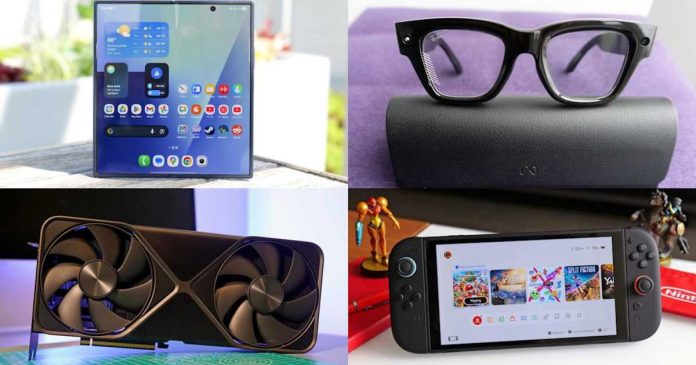
The emergence of devices like the Huawei Mate XT Ultimate represents more than just hardware innovation—it signals a fundamental reimagining of mobile computing. With its tri-fold design transforming from a 6.4-inch smartphone to a 10.2-inch tablet, the device embodies the growing trend of adaptive form factors that dynamically respond to user needs. Similarly, Meta's Ray-Ban Display smart glasses and Neural Band demonstrate a breakthrough in contextual AI interaction, where technology becomes an intuitive extension of human perception and intention.
What distinguishes the 2025 tech ecosystem is its move towards purposeful minimalism. Products like the Fairphone 6 and Light Phone 3 challenge the notion that technological sophistication requires complexity. Instead, they prioritize sustainability, repairability, and intentional design. The Inxects Gaia Communication System takes this philosophy further, translating environmental data into human-perceivable sensations—a radical approach to technology that sees devices as conduits for deeper understanding rather than mere information processors.
The underlying driver of these innovations is a profound AI-powered personalization that goes beyond traditional customization. Devices are increasingly capable of anticipatory intelligence—understanding context, adapting in real-time, and creating experiences tailored to individual users. From the Roborock Saros Z70's object manipulation capabilities to the Modem Dream Recorder's ability to visualize subconscious experiences, we're witnessing a technological paradigm where AI doesn't just assist but actively collaborates with human experience.
For entrepreneurs and technologists, this represents an unprecedented opportunity. The most successful innovations will emerge from understanding technology not as a product category, but as an adaptive ecosystem that seamlessly integrates with human potential. The future belongs to creators who can design technologies that are simultaneously powerful and invisible—tools that enhance our capabilities without demanding our constant attention.
Questions 3
What trends are driving sustainability in consumer electronics?
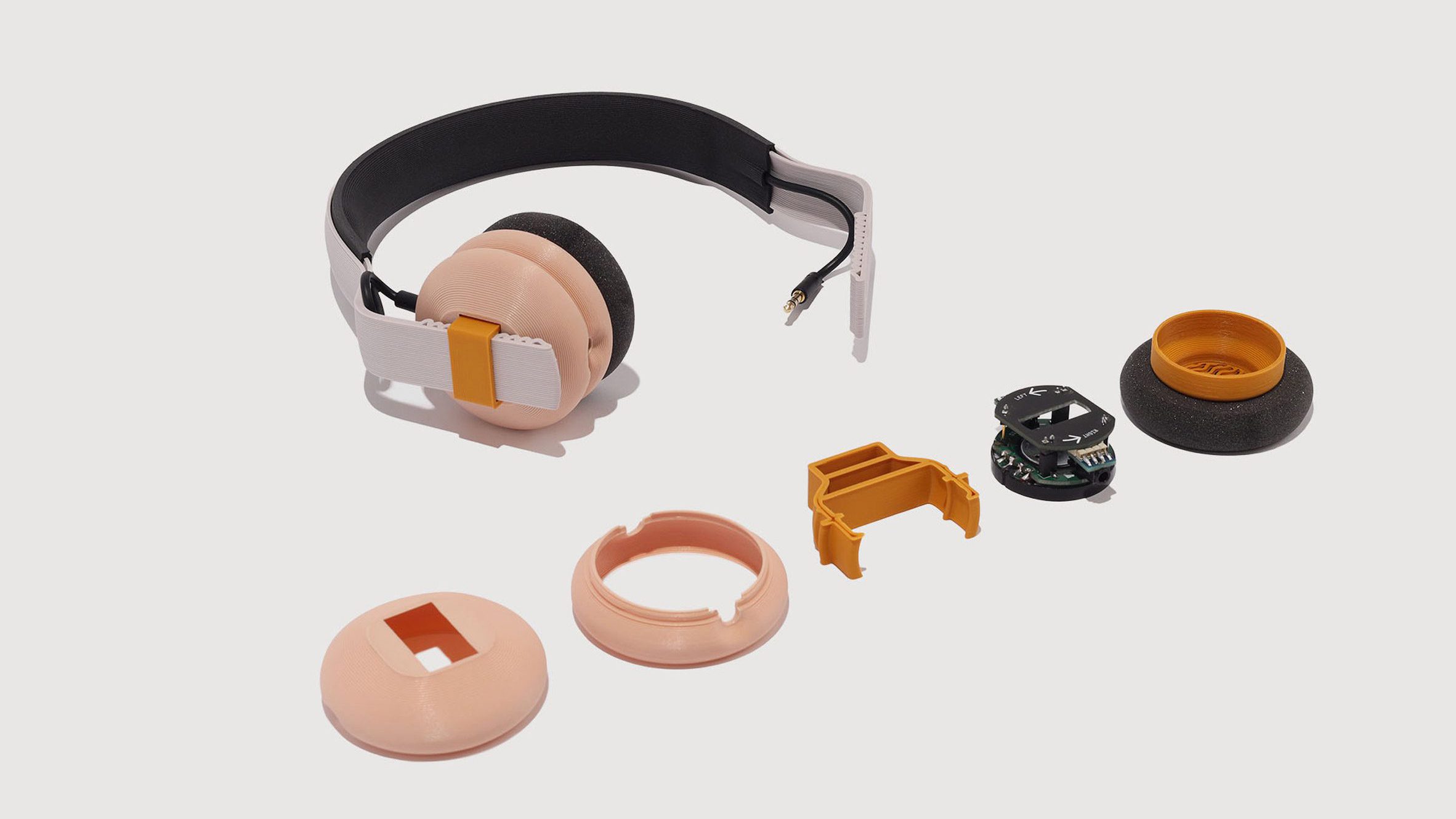
Manufacturers are prioritizing repairability, ethical sourcing, and circular economy principles. The Fairphone 6 and Kibu headphones exemplify this trend, offering products designed for longevity, self-assembly, and minimal environmental impact, signaling a shift from disposable to purposeful technology.
How are AI and design converging to create more intuitive technologies in 2025?
The 2025 tech landscape shows AI moving beyond traditional interfaces, creating devices that adapt to human needs. Examples like Meta's Neural Band and Ray-Ban smart glasses demonstrate contextual AI that understands user intent, translating complex interactions into natural, almost invisible technological experiences.