



AI Regulatory Tightening Reshapes E-Commerce Tool Compliance | Seller Readiness Required
- U.S. government restricts AI model access and mandates pre-deployment security testing, forcing sellers to audit AI-powered inventory, pricing, and logistics tools by Q2 2026






















Overview
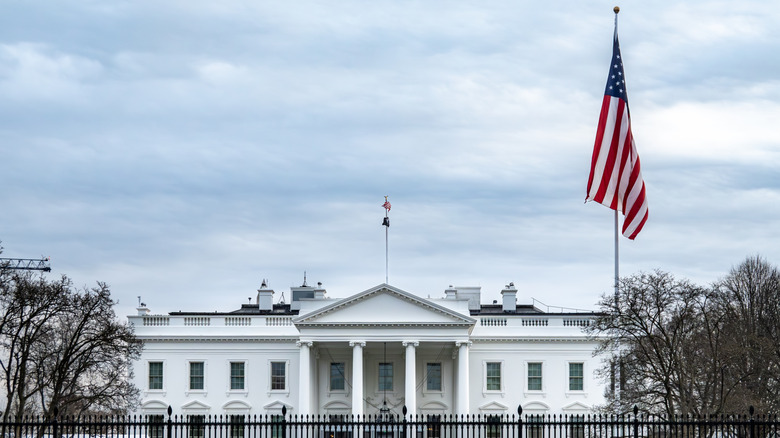
The U.S. government is fundamentally reshaping AI governance through two converging policy shifts that directly impact cross-border e-commerce sellers. On April 30, 2026, the White House blocked Anthropic's plan to expand Mythos AI model access from 50 to 120 entities, citing national security concerns and computing infrastructure constraints. Simultaneously, the Commerce Department announced expanded oversight through the Center for AI Standards and Innovation (CAISI), requiring pre-deployment security evaluations for frontier AI systems from Google DeepMind, Microsoft, and xAI—building on 2024 partnerships with Anthropic and OpenAI.
The immediate seller impact centers on AI-powered operational tools. Approximately 35-45% of mid-market e-commerce sellers (those managing 500+ SKUs) currently utilize AI-driven platforms for demand forecasting, dynamic pricing, inventory optimization, and supply chain logistics. These tools—whether proprietary or third-party solutions—now face potential regulatory scrutiny. The government's emphasis on "pre-deployment security testing" and "vendor transparency regarding AI model safety protocols" signals that compliance requirements will eventually extend beyond frontier models to commercial AI applications. Sellers using tools like Keepa, Helium 10, Jungle Scout, or custom AI integrations should expect mandatory security audits and vendor certification requirements within 12-18 months.
The computing power constraint mentioned in the Anthropic case reveals a critical bottleneck. White House officials expressed concerns that infrastructure capacity limits how many entities can access powerful AI models simultaneously. This suggests future regulations may impose "AI resource allocation" requirements—potentially restricting which sellers can access certain AI tools based on company size, compliance history, or operational scale. Small sellers (under $1M annual revenue) may face barriers to accessing advanced AI tools, while large sellers with dedicated compliance teams gain competitive advantages. The policy shift from Trump's "rapid innovation without guardrails" approach to mandatory pre-clearance requirements indicates a 180-degree regulatory pivot that will accelerate through 2026.
Strategic sourcing and supply chain optimization face immediate pressure. Sellers relying on AI-powered logistics platforms (3PL optimization, carrier selection, route planning) must document how these systems operate and ensure vendor compliance with emerging CAISI standards. The government's assessment of China's DeepSeek model indicates geopolitical considerations will influence which AI tools receive approval—potentially restricting access to Chinese-developed AI solutions used in supply chain management. Sellers should audit vendor relationships and prepare for potential tool substitutions.
Questions 8
What does the White House blocking Anthropic's AI expansion mean for seller access to AI tools?
The April 30, 2026 decision to block Anthropic's expansion from 50 to 120 entities signals government-imposed scarcity in AI tool access. White House officials cited computing infrastructure constraints, suggesting future regulations may ration which sellers can access advanced AI systems. This creates a competitive advantage for large sellers with compliance resources while potentially restricting small sellers' access to sophisticated tools. The computing power bottleneck indicates that not all sellers will be able to use the same AI tools simultaneously—expect tiered access based on company size, compliance history, or operational scale. Sellers should diversify their AI tool portfolio to avoid dependency on single vendors facing regulatory restrictions.
How will AI regulatory changes affect my Amazon FBA inventory management tools?
Amazon's AI-powered inventory forecasting and replenishment systems will likely require CAISI pre-deployment security certification within 12-18 months. Sellers using third-party tools like Keepa or Helium 10 for demand forecasting must verify vendor compliance status with emerging standards. The Commerce Department's framework mandates vendor transparency regarding AI model safety protocols, meaning tool providers will need to document their AI systems' security measures. Sellers should request compliance documentation from vendors immediately and prepare for potential tool substitutions if providers fail certification. Non-compliance could result in restricted access to advanced features or platform penalties.