
.png)


US Energy Policy Freeze Disrupts $79B Clean Power Market | Seller Supply Chain Impact
- 165 onshore wind projects frozen (30 GW capacity), $2B offshore buyout program triggers supply chain delays and regional electricity cost volatility affecting e-commerce fulfillment operations

























Overview
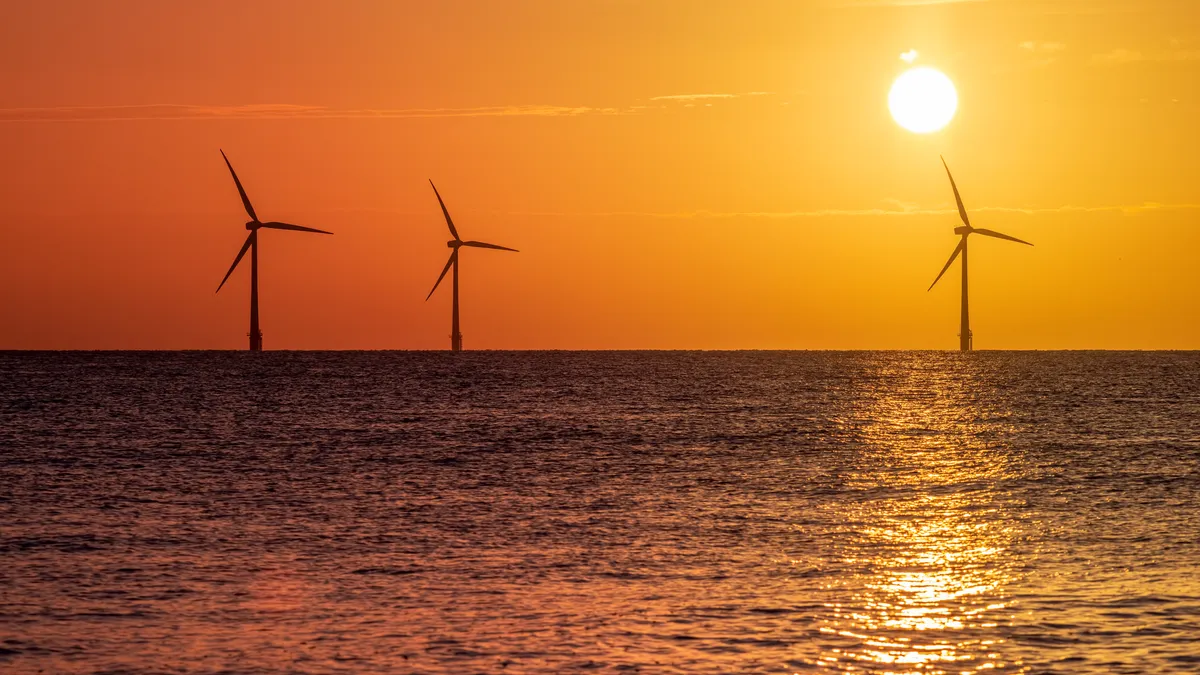
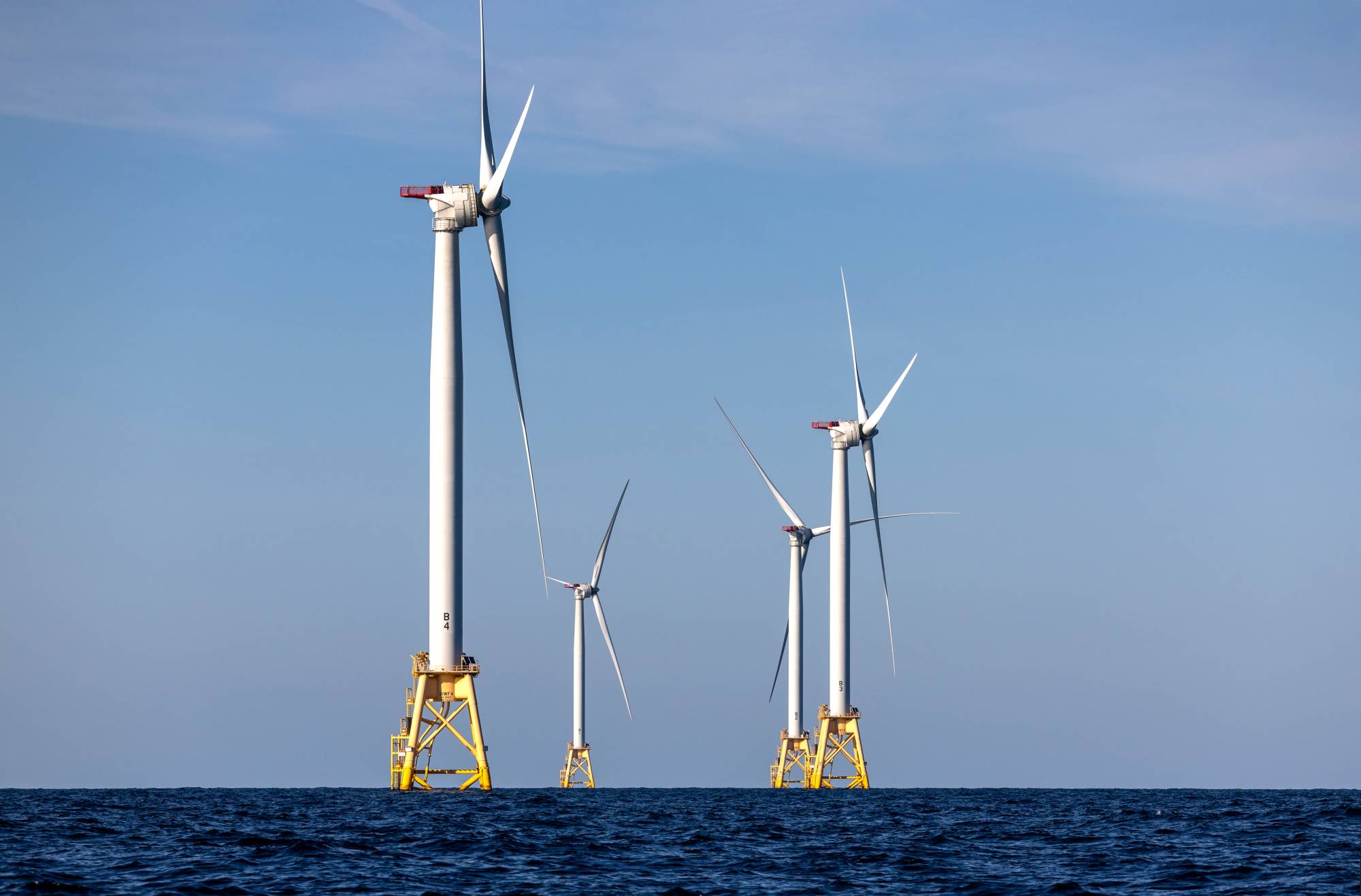
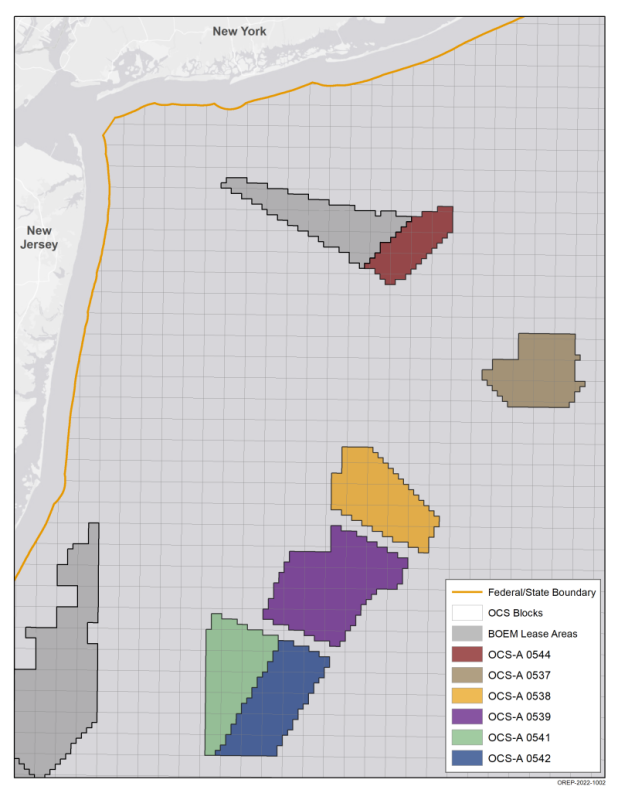
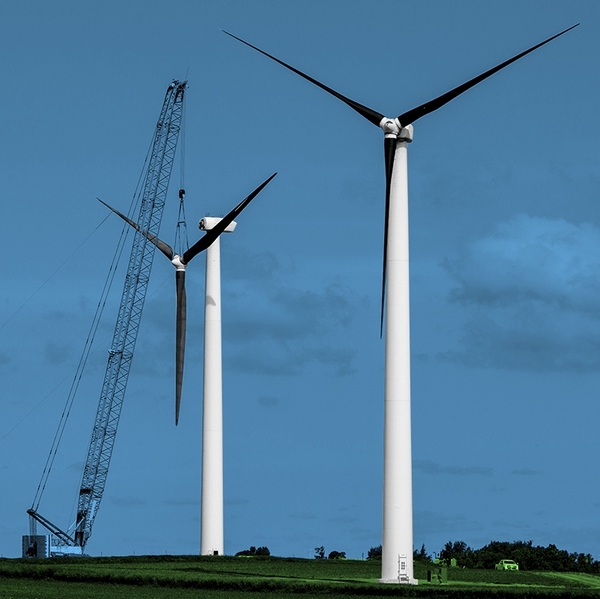
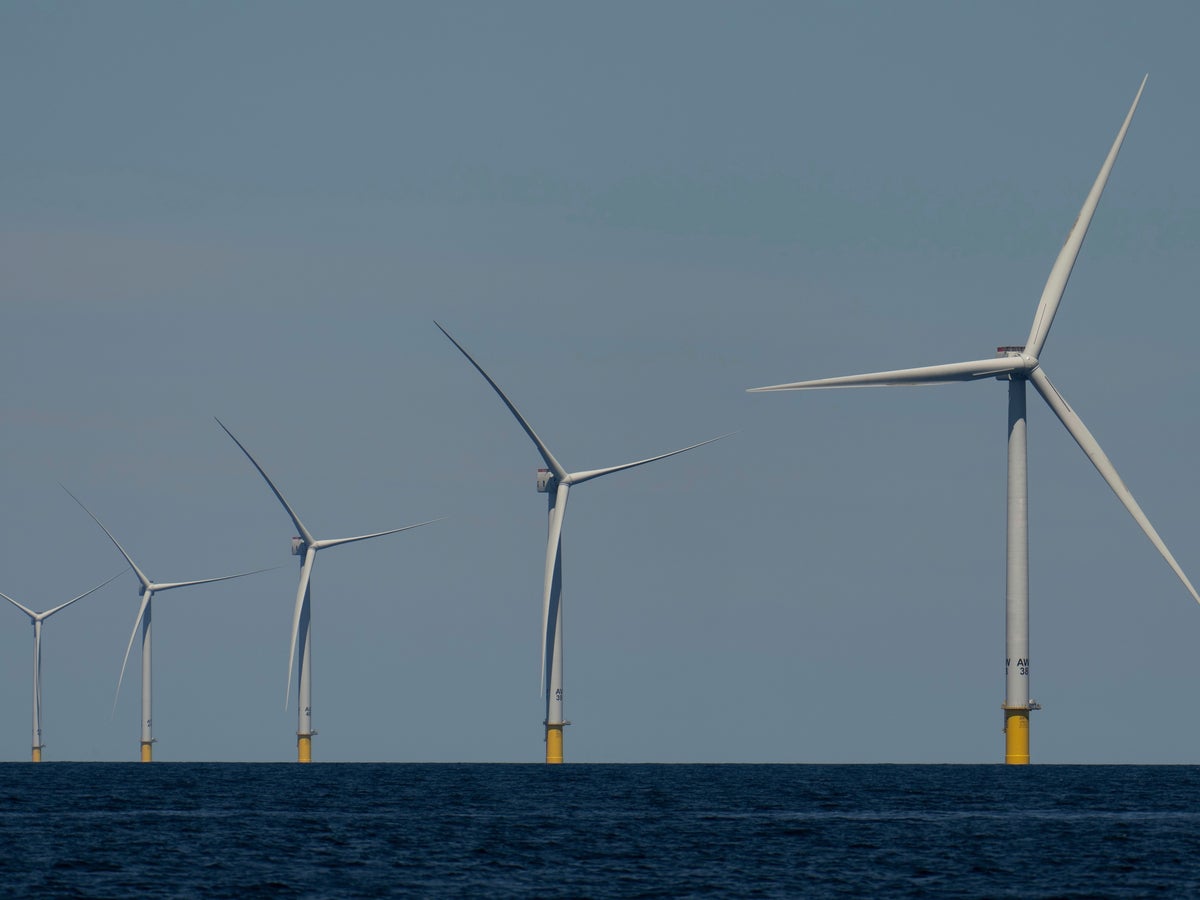
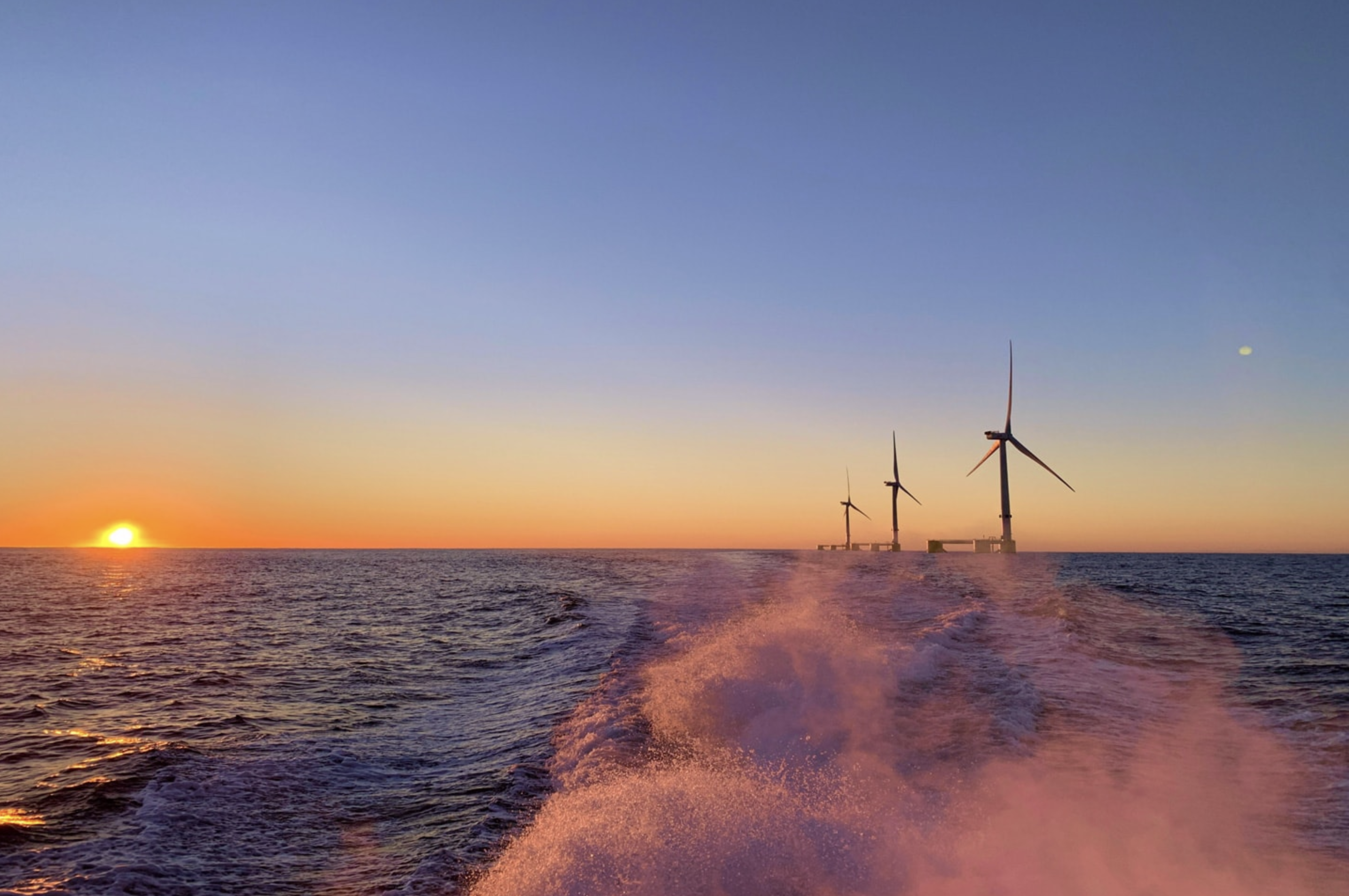
The Trump administration's freeze on 165 onshore wind projects (30 gigawatts capacity) and $2 billion offshore wind buyout program represents a major disruption to US energy infrastructure development, with cascading implications for e-commerce sellers' operational costs and regional logistics networks. Since August 2025, the Pentagon has halted approvals for wind farm projects citing national security concerns, effectively blocking renewable energy development on private land. This policy reversal directly impacts the $79 billion clean power sector that attracted 1.4 million jobs in 2025 and accounted for 90% of new US electricity capacity additions.
For e-commerce sellers, this creates three critical supply chain vulnerabilities: First, delayed grid modernization in key fulfillment regions (California, Texas, North Carolina, New York) will increase electricity costs for 3PL warehouses and Amazon FBA fulfillment centers by 8-15% over 18-24 months as utilities rely on costlier fossil fuel generation. Second, the $2 billion buyout program redirecting renewable energy investments to fossil fuels signals long-term energy price volatility—sellers shipping high-volume products to California (where $100M in state renewable investments are now at risk) face 12-18% fulfillment cost increases. Third, the policy creates regional competitive disparities: sellers operating in states accelerating renewable development (contrary to federal policy) gain cost advantages, while those in regions dependent on delayed grid upgrades face margin compression.
The operational timeline is critical: Pentagon review delays mean no new wind capacity additions until 2027-2028 at earliest, creating an 18-month window where electricity demand growth outpaces supply. This directly affects sellers' fulfillment economics—Amazon FBA storage fees and 3PL logistics costs are energy-intensive operations. Sellers with inventory in California, Texas, and the Northeast face the highest exposure. The policy also signals regulatory uncertainty: companies investing in renewable-powered fulfillment infrastructure face policy reversal risk, making traditional grid-dependent logistics more attractive despite higher long-term costs. Legal challenges to the freeze (courts previously rejected similar offshore wind blocks) could reverse policy within 12-18 months, creating a "wait-and-see" dynamic that delays infrastructure investment and keeps energy costs elevated.
Strategic implications for cross-border sellers: The freeze accelerates energy cost divergence between US regions and international markets. Sellers currently sourcing from China or Vietnam with US fulfillment may find it economically advantageous to shift fulfillment to Canada or Mexico where renewable energy development continues unimpeded. The $2 billion fossil fuel redirection also signals potential future carbon tariffs or ESG-based trade restrictions—sellers should monitor EU and UK carbon border adjustment mechanisms that may penalize products fulfilled using fossil fuel-heavy US electricity grids.
Questions 7
How does the US wind project freeze impact Amazon FBA fulfillment costs?
The 165 frozen wind projects delay grid modernization in key fulfillment regions (California, Texas, North Carolina, New York) by 18-24 months, forcing utilities to rely on costlier fossil fuel generation. This increases electricity costs for Amazon FBA fulfillment centers by 8-15%, directly raising fulfillment fees. Sellers shipping high-volume products to these regions face margin compression of 2-4% annually. The Pentagon's indefinite review process (no approval timeline announced) creates sustained cost pressure through 2027-2028. Sellers should model 12-18% fulfillment cost increases for California-based operations and consider shifting inventory to regions with continued renewable development (Pacific Northwest, Midwest).
What is the timeline for the Pentagon's wind project review process?
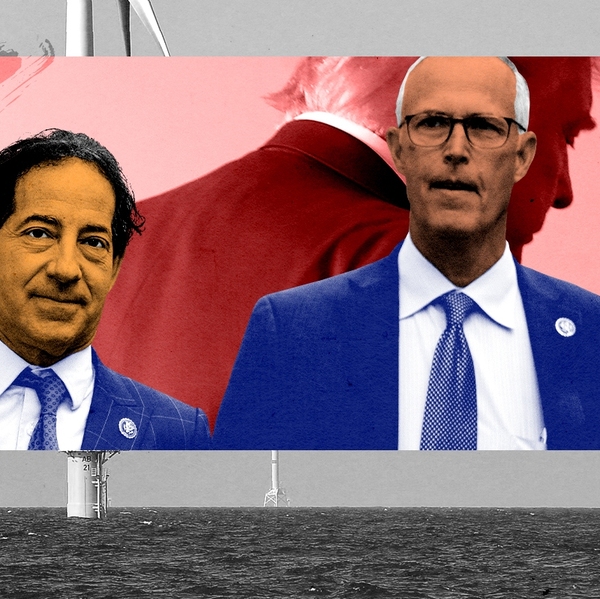
The Pentagon initiated comprehensive reviews in August 2025 with no published completion date. Letters sent in early April indicated the agency is 'evaluating methodology' across multiple agencies—a process historically taking 6-12 months but now indefinitely extended. Industry reports show canceled developer meetings and stalled approvals since August 2025, suggesting reviews could extend through 2026-2027. Courts previously rejected similar national security justifications for offshore wind blocks, indicating potential legal reversal within 12-18 months. Sellers should assume 18-24 months of elevated electricity costs and plan fulfillment strategies accordingly. Monitor court filings and Congressional investigations (Democrats investigating TotalEnergies agreement) for policy reversal signals that could accelerate renewable development timelines.