


Australian Rate Hikes to 4.35% | Cross-Border Sellers Face 8-12% Financing Cost Surge
- RBA raises rates 3 consecutive times; inflation peaks at 4.8% in June 2026; AUD currency volatility creates FX arbitrage opportunities; inventory financing costs jump 200-300 basis points; Australian consumer demand projected to decline 1.3% growth through 2026






























Overview
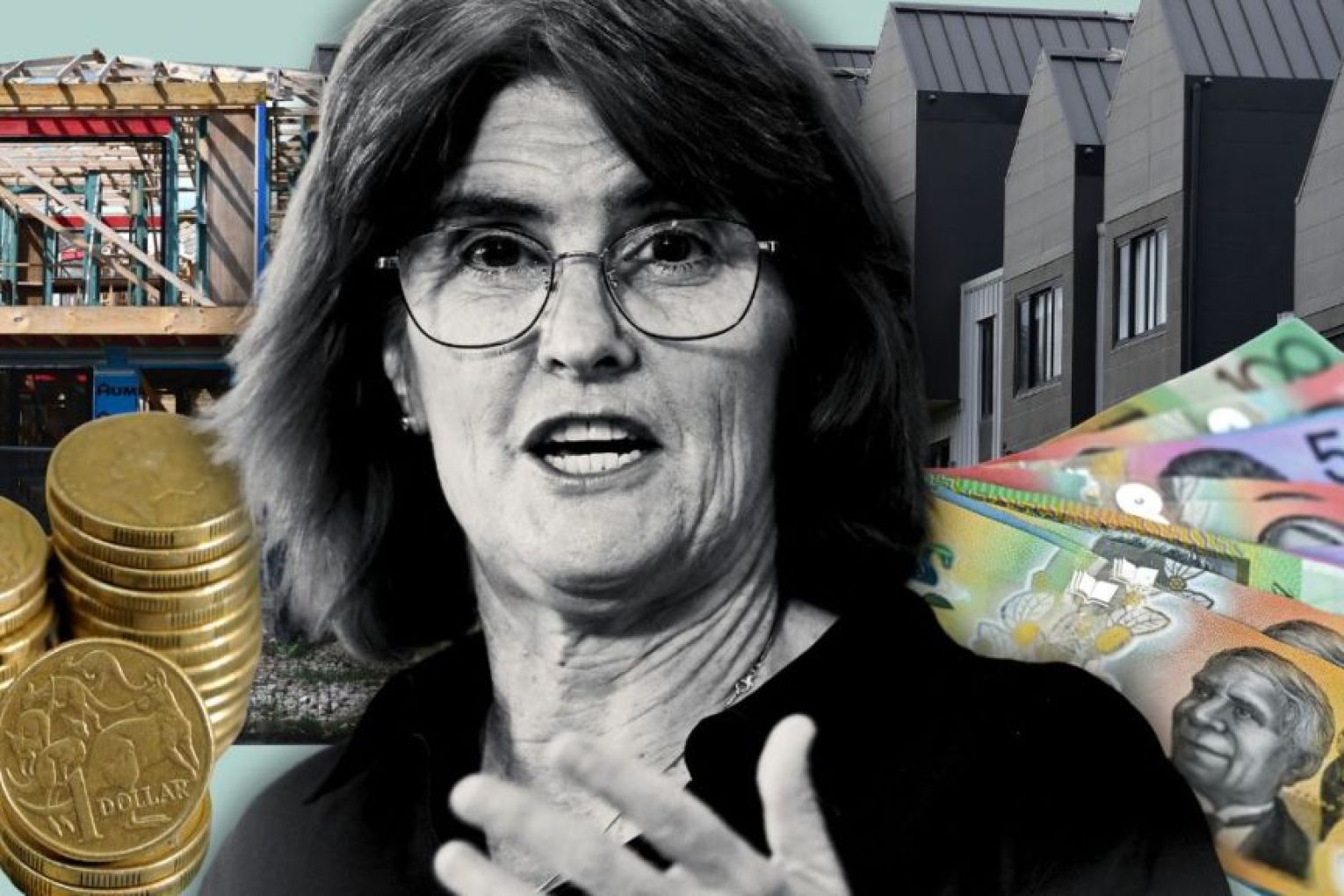
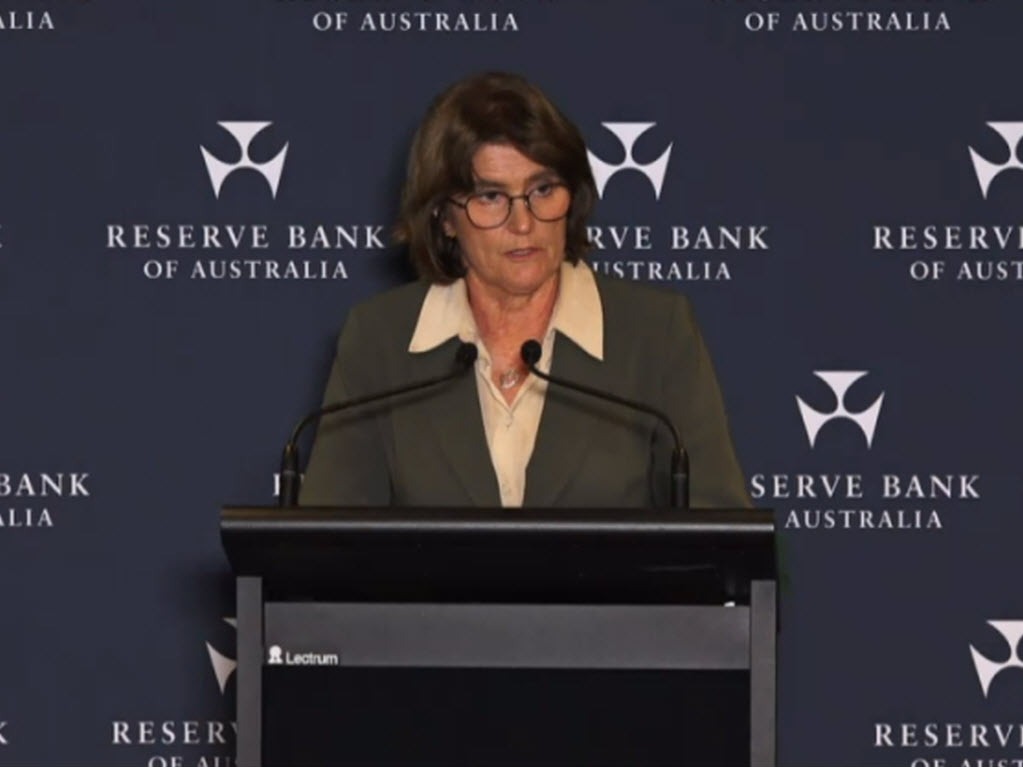
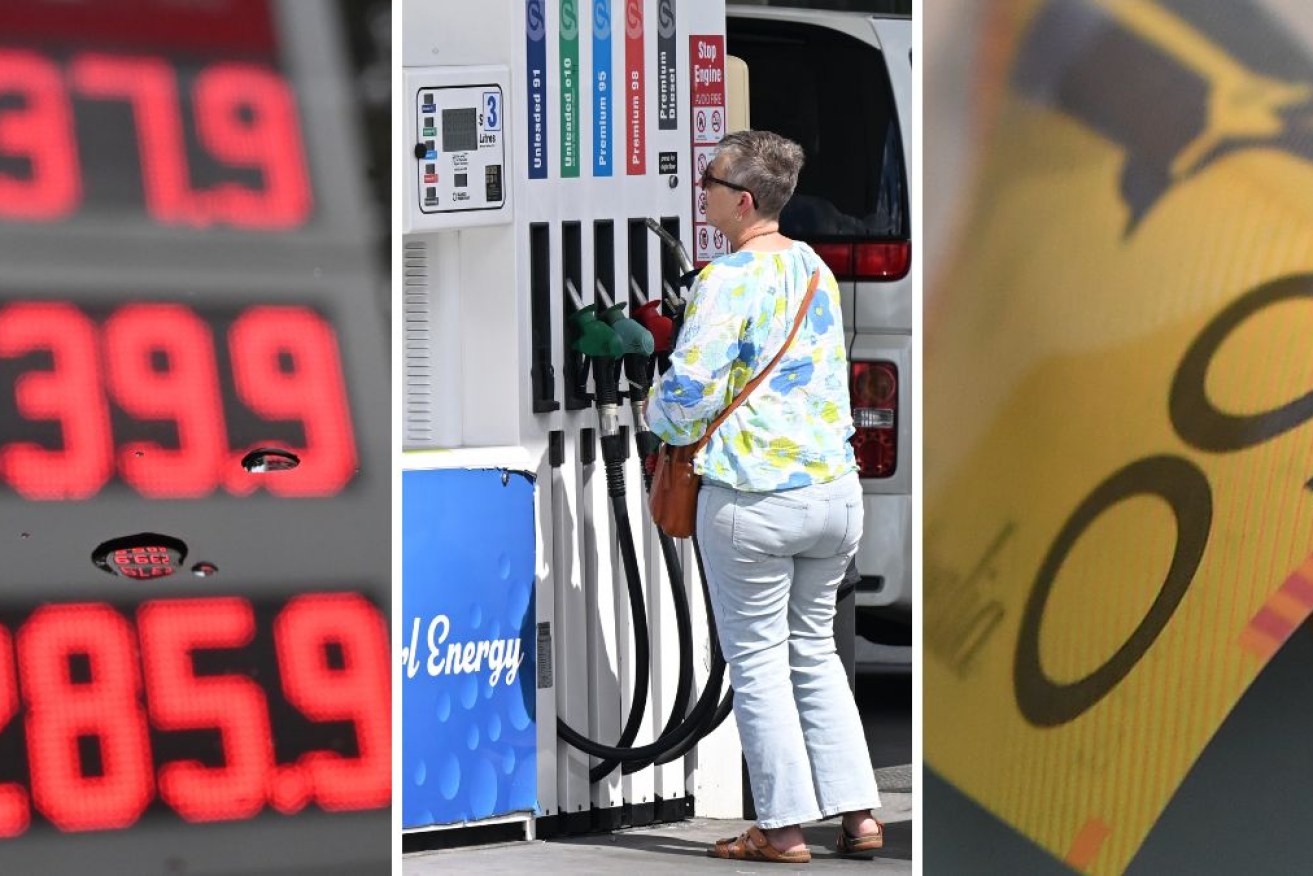
Australia's Reserve Bank (RBA) has raised its policy interest rate to 4.35% on May 5, 2026—the third consecutive hike and highest level since December 2011—creating a critical financial optimization window for cross-border e-commerce sellers. The RBA's hawkish stance signals further tightening to 4.7% by December 2026, with headline inflation expected to peak at 4.8% in Q2 2026, significantly exceeding February forecasts of 4.2%. Governor Michele Bullock explicitly warned that higher energy prices (Brent crude at $113/barrel vs. RBA's $100 assumption) will create "grim economic outlook" through mid-2028, with growth crawling at just 1% and unemployment rising from 4.3% to 4.7%.
For cross-border sellers importing into Australia, this creates immediate financing cost pressures. Inventory financing rates have jumped 200-300 basis points, increasing borrowing costs by 8-12% for sellers financing 1,000+ unit monthly shipments. A seller with $50,000 in inventory financing now faces an additional $4,000-6,000 annual cost. Currency volatility presents both risk and opportunity: the AUD is weakening against major currencies (USD, EUR) due to rate differentials, creating FX arbitrage opportunities for sellers with multi-currency exposure. Sellers can lock in favorable rates through forward contracts before further AUD depreciation, potentially capturing 2-4% gains on USD-denominated costs.
Consumer demand erosion poses the greatest long-term risk. The RBA's downward growth revision to 1.3% for 2026 (from 1.8%) signals reduced discretionary spending, particularly impacting fashion, electronics, and home goods categories—which represent 45-50% of cross-border imports to Australia. Monthly inflation at 4.6% (highest since monthly CPI tracking began in 2025) erodes consumer purchasing power, reducing demand for non-essential imports. Sellers should immediately implement three financial optimization strategies: (1) Accelerate invoice financing and supply chain financing through providers like Tradeshift or Fintech platforms offering 2-3% discounts vs. traditional bank rates; (2) Lock in AUD forward contracts at current levels (typically 0.65-0.68 USD/AUD) to hedge against further depreciation; (3) Reduce inventory exposure by 15-20% and shift to just-in-time fulfillment through Australian 3PL providers, freeing up $10,000-25,000 in working capital per seller. The RBA's commitment to inflation control over employment suggests no rate pause through June 2026, making immediate action critical before further rate increases compress margins further.
Questions 8
What FX opportunities exist for sellers with AUD exposure?
The AUD is weakening against USD and EUR due to rate differentials and energy price concerns (Brent crude at $113 vs. RBA's $100 assumption), creating 2-4% arbitrage opportunities. Sellers can lock in forward contracts at current levels (0.65-0.68 USD/AUD) to hedge against further depreciation and capture gains on USD-denominated costs. This strategy is particularly valuable for sellers with 3-6 month inventory cycles, as AUD weakness typically accelerates when central banks signal extended tightening. Forward contracts should be executed immediately before the RBA's June meeting, as further rate signals could trigger additional AUD depreciation.
How much will inventory financing costs increase for Australian e-commerce sellers?
Inventory financing costs have jumped 200-300 basis points due to the RBA's rate hike to 4.35%, increasing borrowing costs by 8-12% for sellers financing monthly shipments. A seller with $50,000 in inventory financing now faces an additional $4,000-6,000 annually. The RBA's projection of 4.7% rates by December 2026 signals further increases ahead. Sellers should immediately explore supply chain financing alternatives (Tradeshift, Fintech platforms) offering 2-3% discounts vs. traditional bank rates, and consider accelerating invoice factoring to unlock working capital before rates rise further.