




GLP-1 Pill Market Explosion | Novo Nordisk vs Eli Lilly Competition Reshapes Weight-Loss Drug Landscape
- Novo Nordisk captures early market dominance with 721,000 Q1 prescriptions; Eli Lilly faces brand-building challenges; $150B global market faces pricing pressure from Trump administration drug cost initiatives




Overview
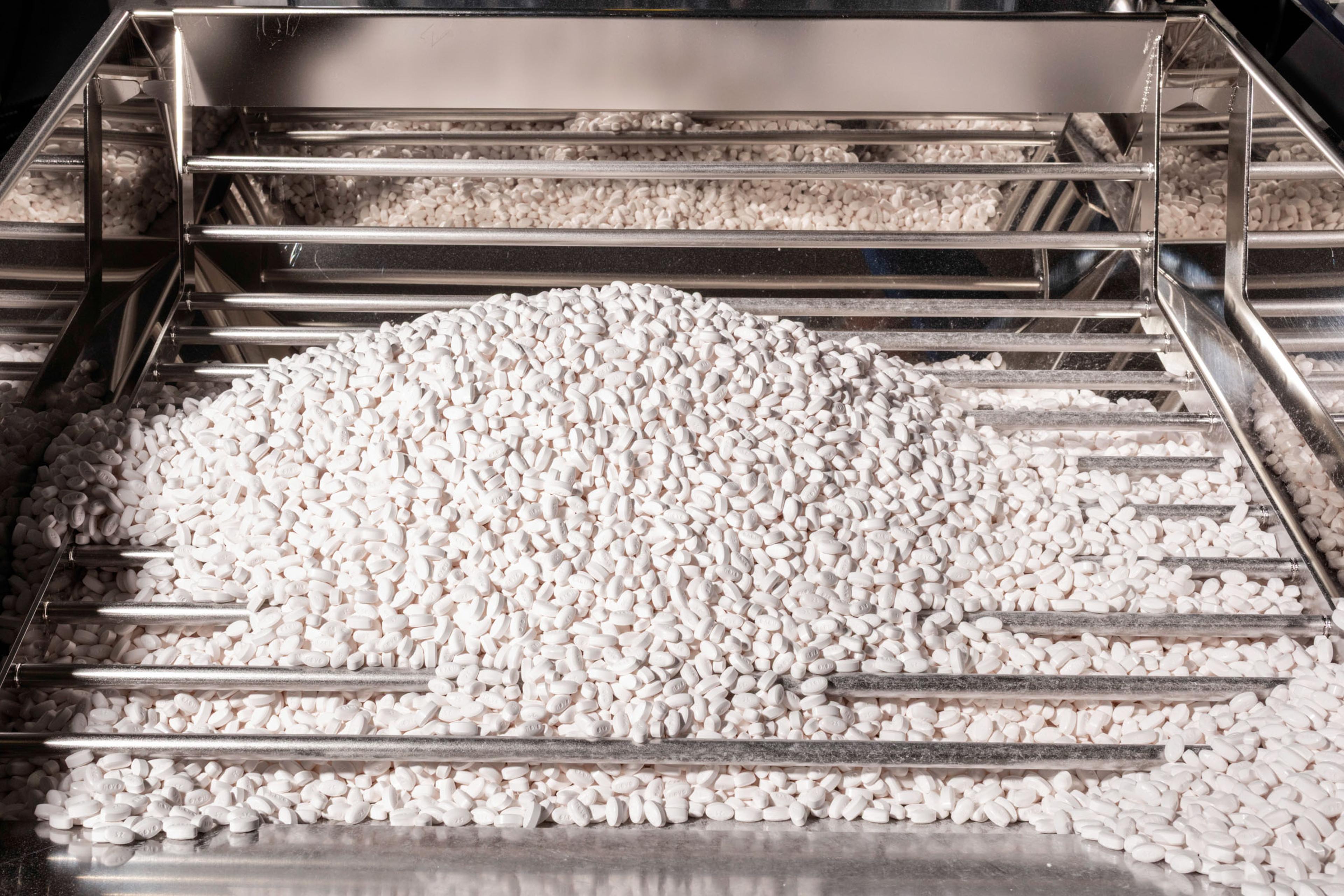
The GLP-1 pharmaceutical market is experiencing a fundamental shift from injectable to oral formulations, creating unprecedented opportunities for health and wellness e-commerce sellers. Novo Nordisk's January 2025 launch of Wegovy semaglutide pill achieved 721,000 U.S. prescriptions in Q1 2025, with patient intake doubling from 300-400 to 600-1,000 daily within weeks at LifeMD telehealth platforms. The pill's $149 monthly price point, combined with 17% average weight loss efficacy (versus Eli Lilly's Foundayo at 12%), positioned Novo as the market leader despite Lilly's historical dominance in injectable GLP-1s like Zepbound.
Market dynamics reveal critical e-commerce implications. Approximately 450,000 of Novo's Q1 prescriptions were for the lowest-cost 1.5mg starter dose, indicating price-sensitive consumer behavior and extended dose escalation timelines. Eli Lilly's Foundayo, approved March 2025, attracted only 20,000 initial patients with 1,000+ daily initiations—80% new to GLP-1 category—but faces brand-building disadvantages since Foundayo uses different active ingredients than Zepbound, requiring separate marketing campaigns. Telehealth platforms like Sesame report patients overwhelmingly prefer pills over injections due to needle anxiety and convenience factors, expanding addressable market beyond traditional pharmaceutical channels.
Competitive landscape reshaping creates seller opportunities. Novo's €500 million Irish manufacturing investment signals European expansion with EMA approval expected late 2025, while Trump administration pressure on drug pricing adds 12% revenue headwinds (BMO Capital Markets estimates Q1 pill revenue 12% below $1B consensus). The broader $150B projected annual global obesity drug market faces downward pricing revision, but oral formulation adoption is accelerating market penetration into price-sensitive demographics. DHL's $1B warehouse automation investment (45,000 electric vehicles, 8,000 robots) and "globally local" logistics model demonstrate supply chain infrastructure evolution supporting pharmaceutical distribution scaling.
For cross-border sellers, this represents a multi-layered opportunity. Health supplement and wellness product categories benefit from expanded GLP-1 user base seeking complementary products (vitamins, meal replacement, fitness equipment). Telehealth platform growth (LifeMD, Sesame) signals rising digital health commerce integration. Manufacturing investments in Ireland and international EMA approvals indicate supply chain diversification away from concentrated production, creating sourcing opportunities. Consumer behavior shift toward oral medications over injectables mirrors broader e-commerce preference for convenience-driven products, suggesting sellers should prioritize pill-compatible packaging, subscription models, and digital marketing aligned with telehealth platforms.
Questions 8
What does Novo Nordisk's TIME100 recognition signal about future market consolidation in obesity treatment?
Novo Nordisk's TIME100 recognition for democratizing obesity treatment through affordable oral medication signals market consolidation around pill-based formulations and telehealth distribution. The company's $149 monthly pricing under White House pharmaceutical agreements indicates government-backed pricing strategies will dominate future market dynamics. This suggests sellers should expect: (1) increased regulatory scrutiny of complementary product pricing, (2) expansion of government-subsidized GLP-1 access through Medicare/Medicaid, (3) consolidation of telehealth platforms as primary distribution channels. Sellers should position products as 'government-approved' or 'insurance-covered' compatible to align with policy trends. The broader implication is that obesity treatment is transitioning from luxury wellness to essential healthcare, expanding addressable market but increasing price competition and regulatory complexity.
How do Tencent's geopolitical risks and potential Western gaming divestment affect e-commerce seller exposure?
Tencent's Pentagon designation as a 'Chinese military company' (January 2025) and Trump administration pressure for forced divestment of Western gaming assets create indirect e-commerce implications. Tencent controls Riot Games, maintains stakes in Supercell and Epic Games (1B+ players globally), and integrated AI agents into WeChat (1.4B monthly users). Forced divestment would reshape cross-border technology partnerships and gaming merchandise supply chains. Sellers with exposure to gaming collectibles, esports merchandise, or WeChat-based fulfillment should monitor regulatory developments. The TikTok precedent suggests 6-12 month timelines for forced divestitures. Sellers should diversify platform dependencies away from Tencent-controlled channels and establish alternative supply chains for gaming-related products by Q3 2025.