


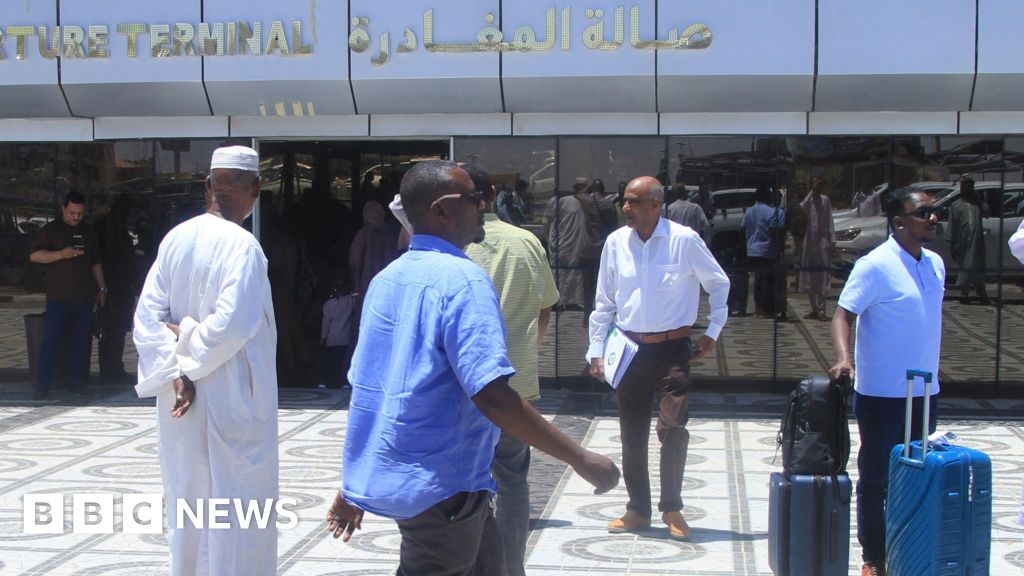

East Africa Supply Chain Disruption | Khartoum Airport Closure Impacts Cross-Border Sellers
- 72-hour airport suspension disrupts logistics to 14M+ displaced persons; sellers relying on East African routes face 2-4 week delays and 15-25% shipping cost increases

















)






Overview
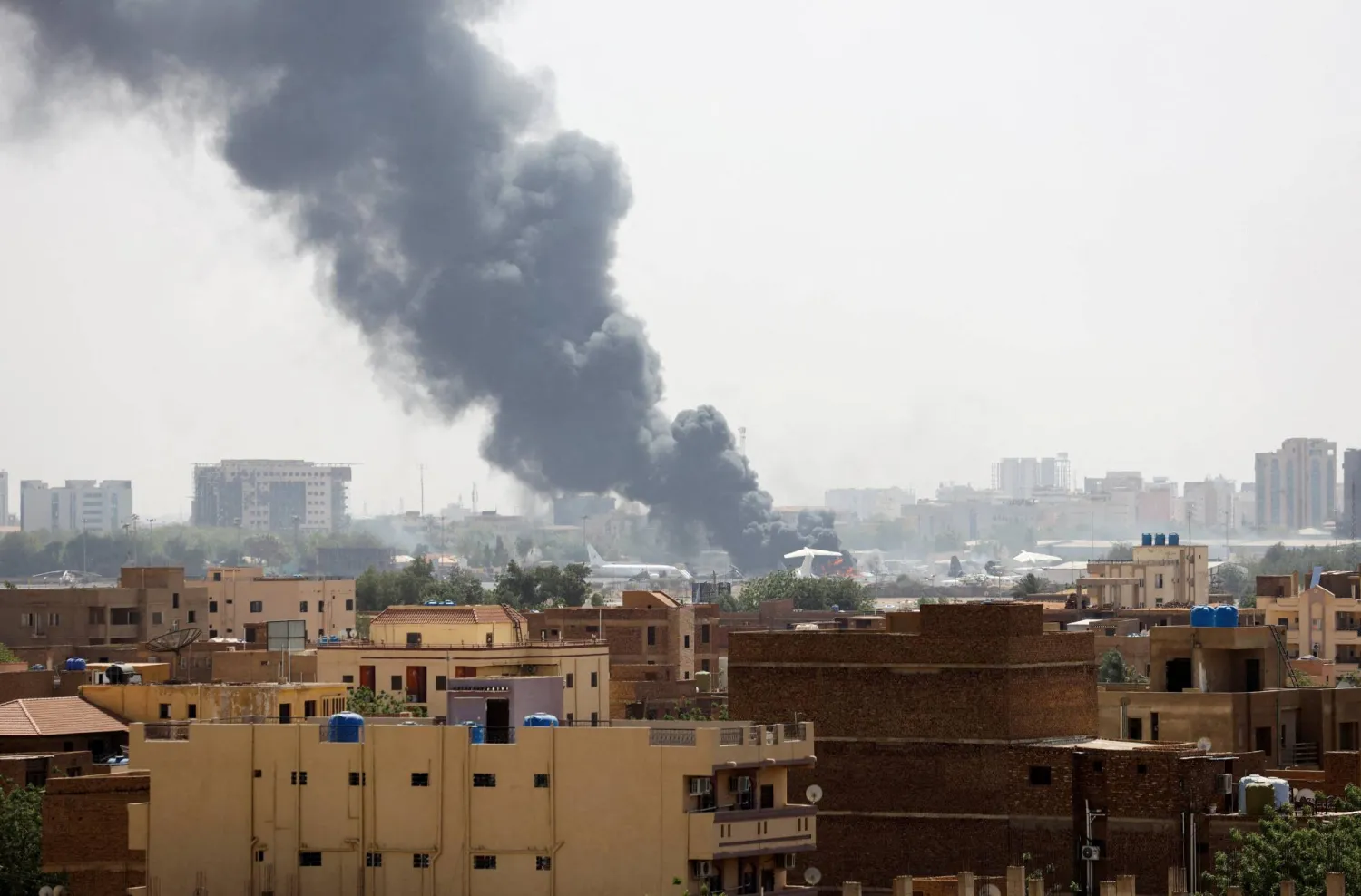
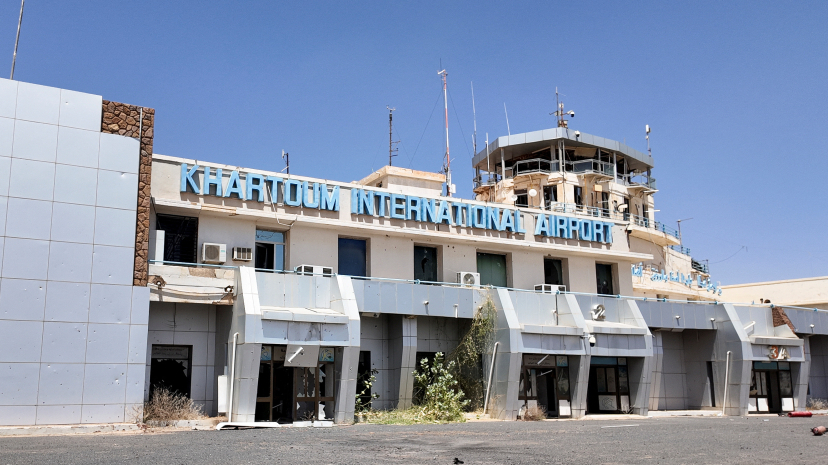
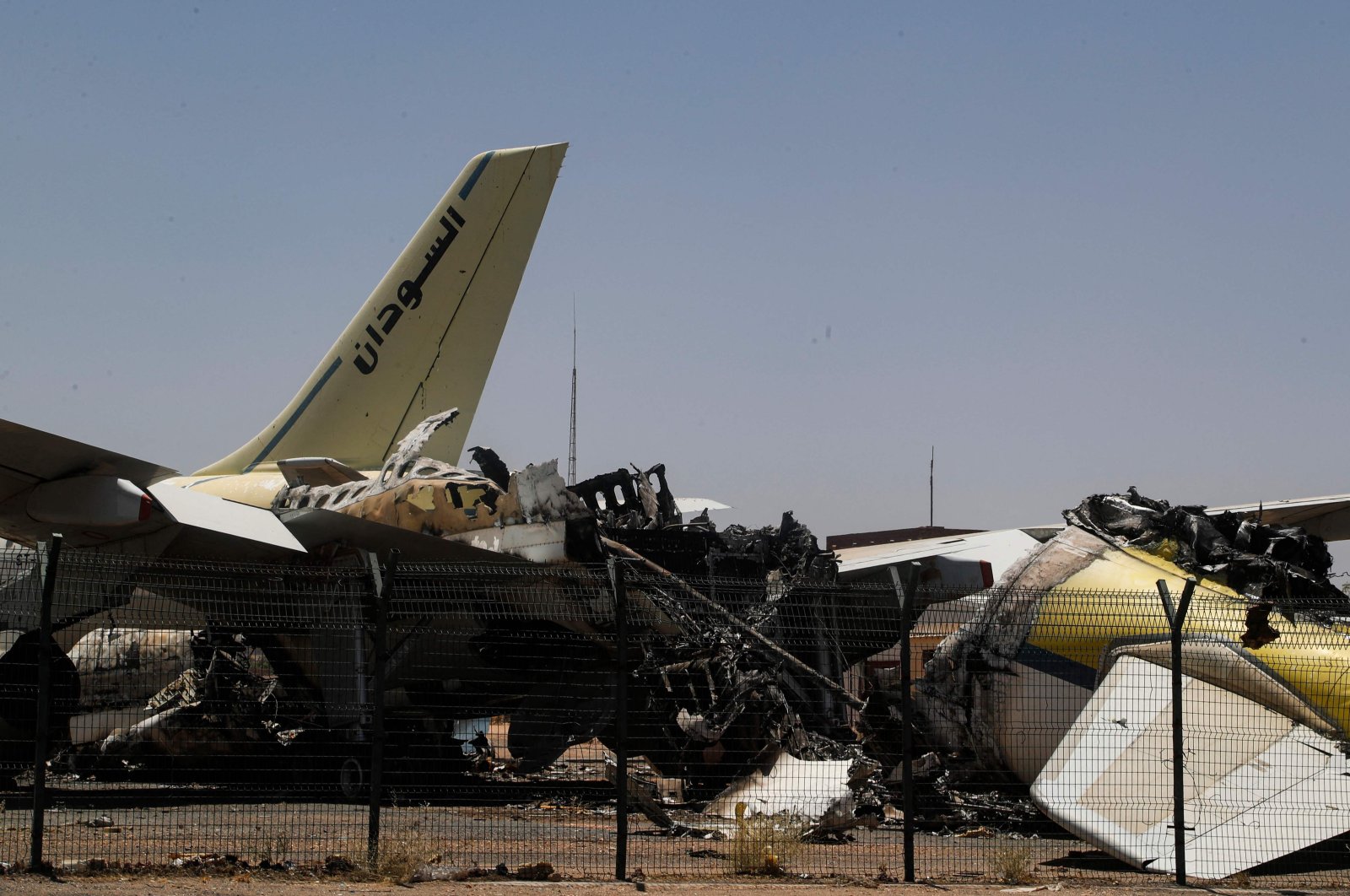
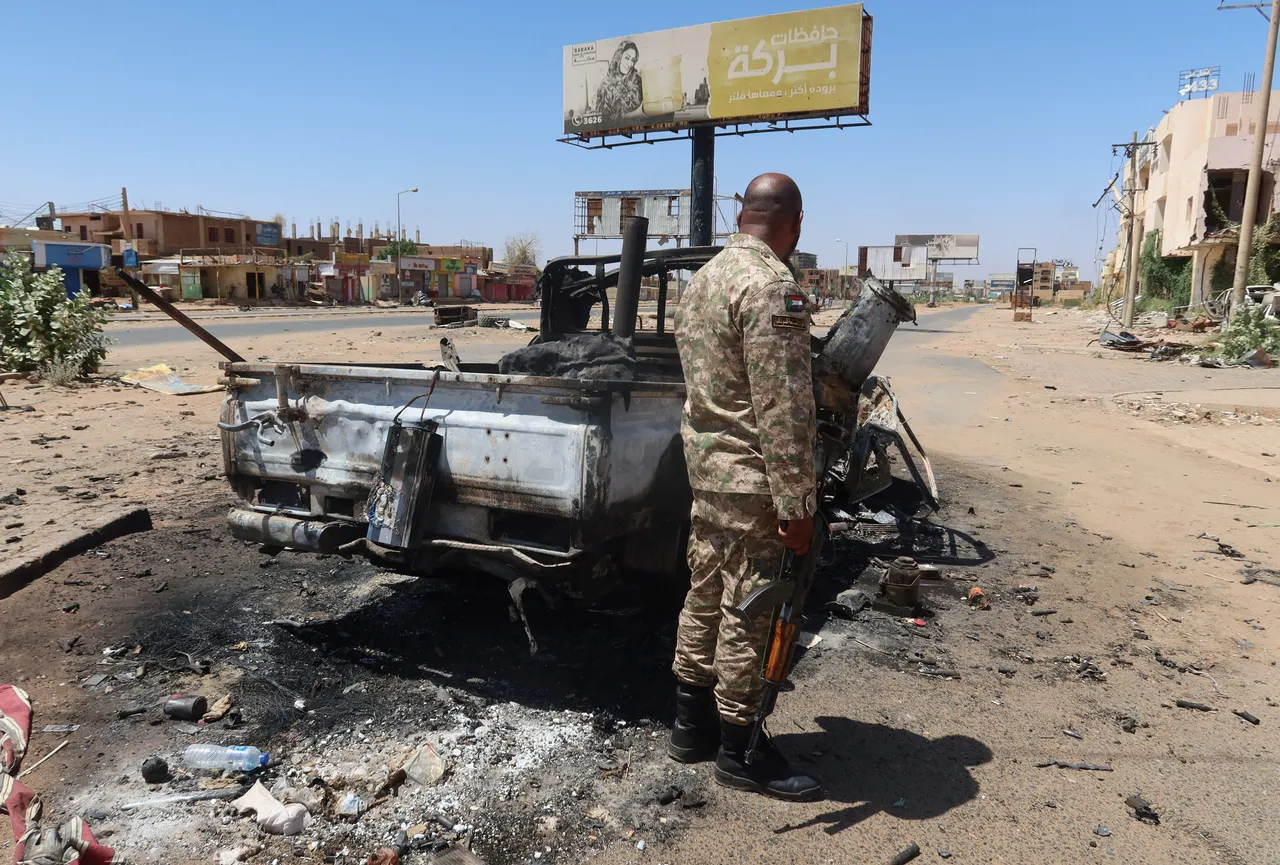
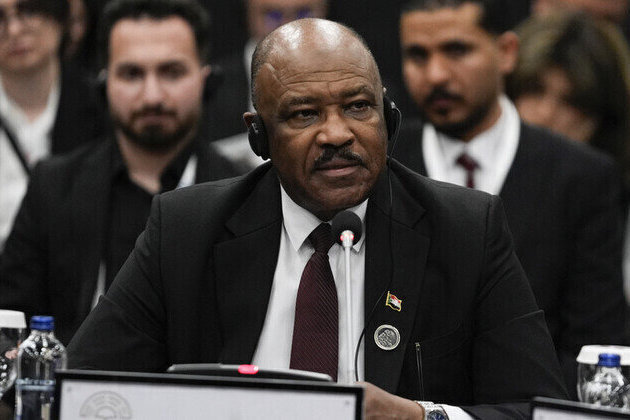
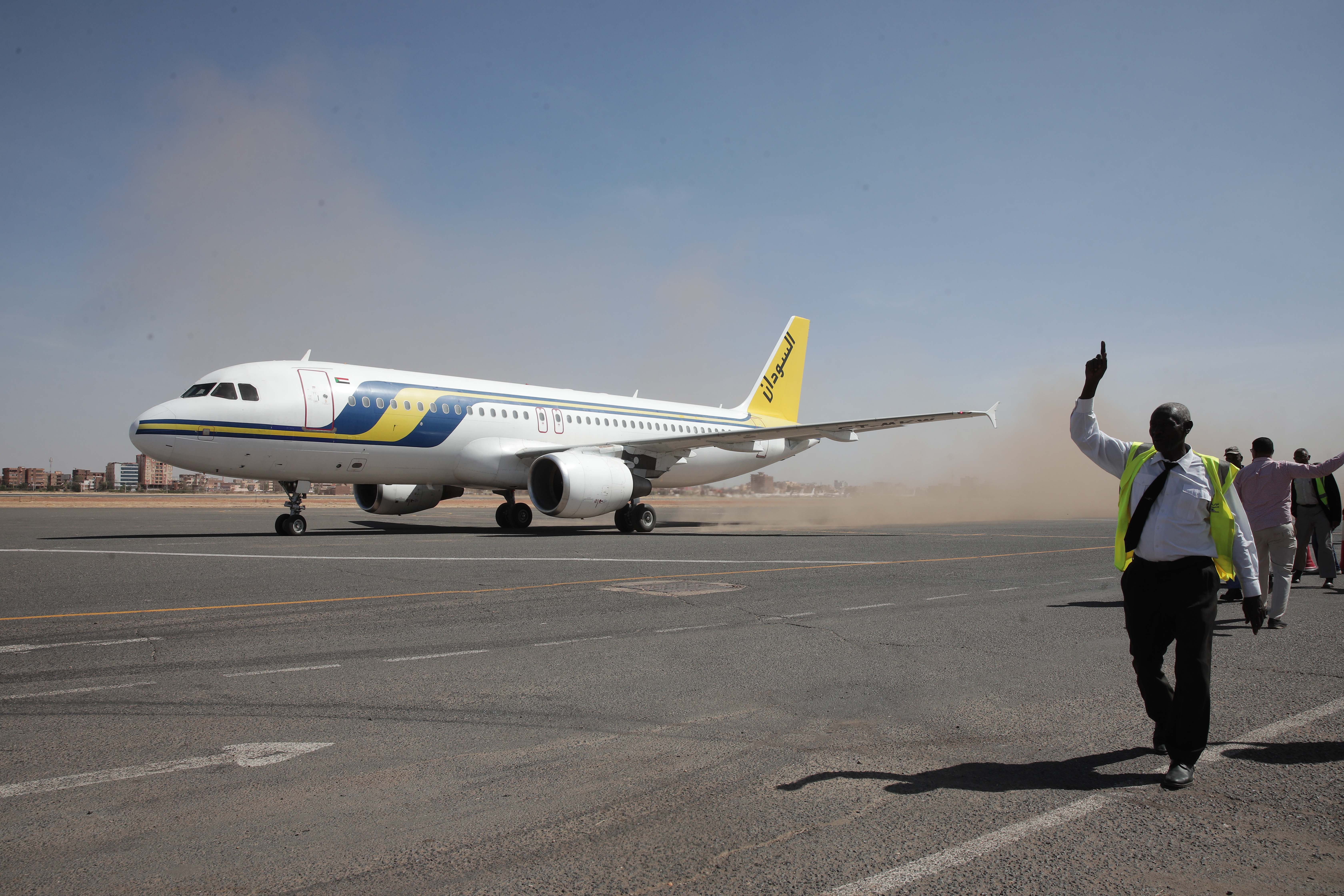
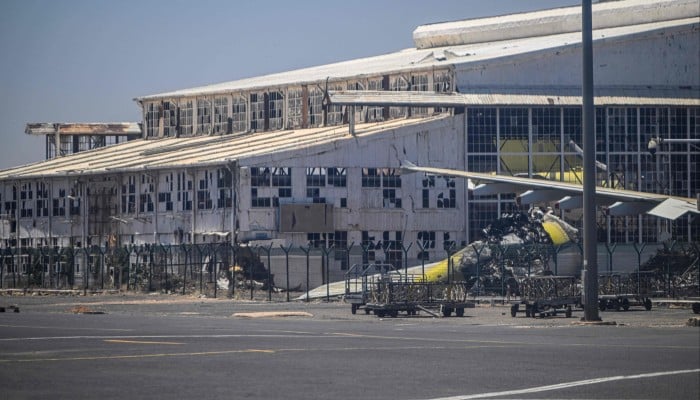
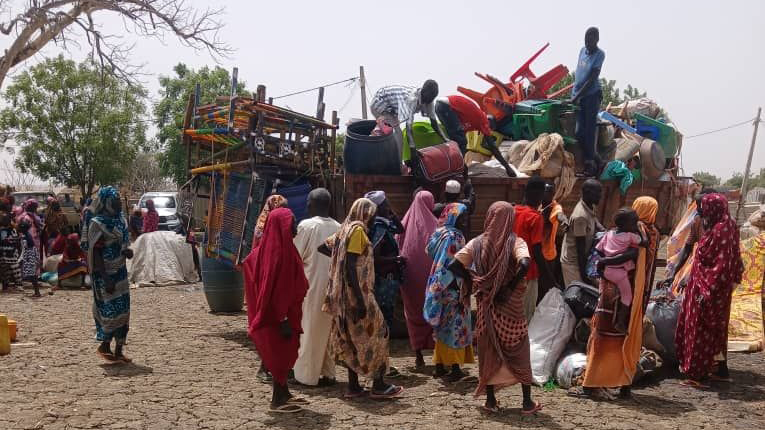
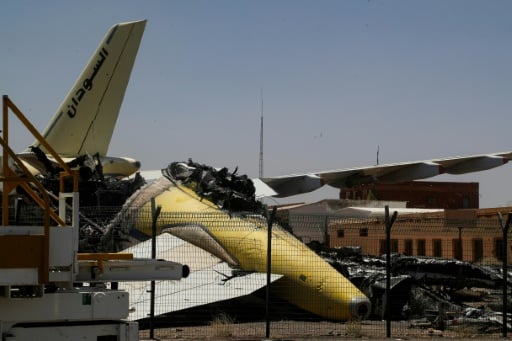
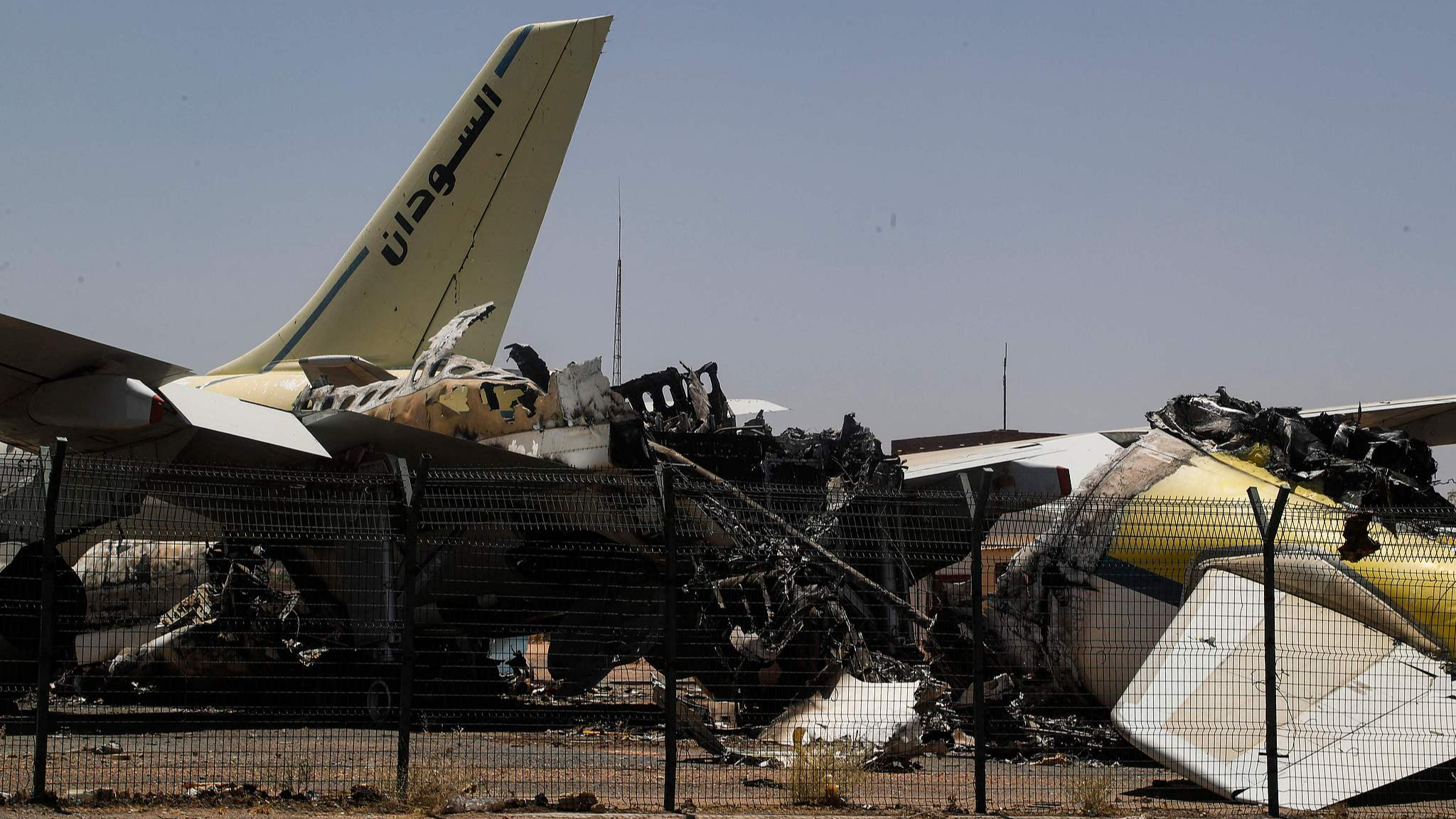
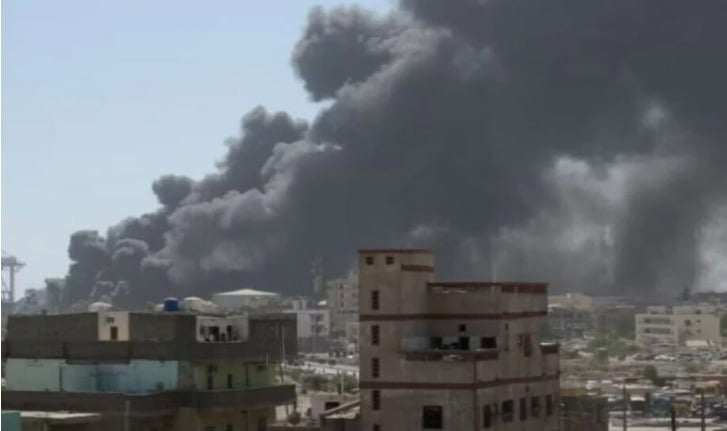
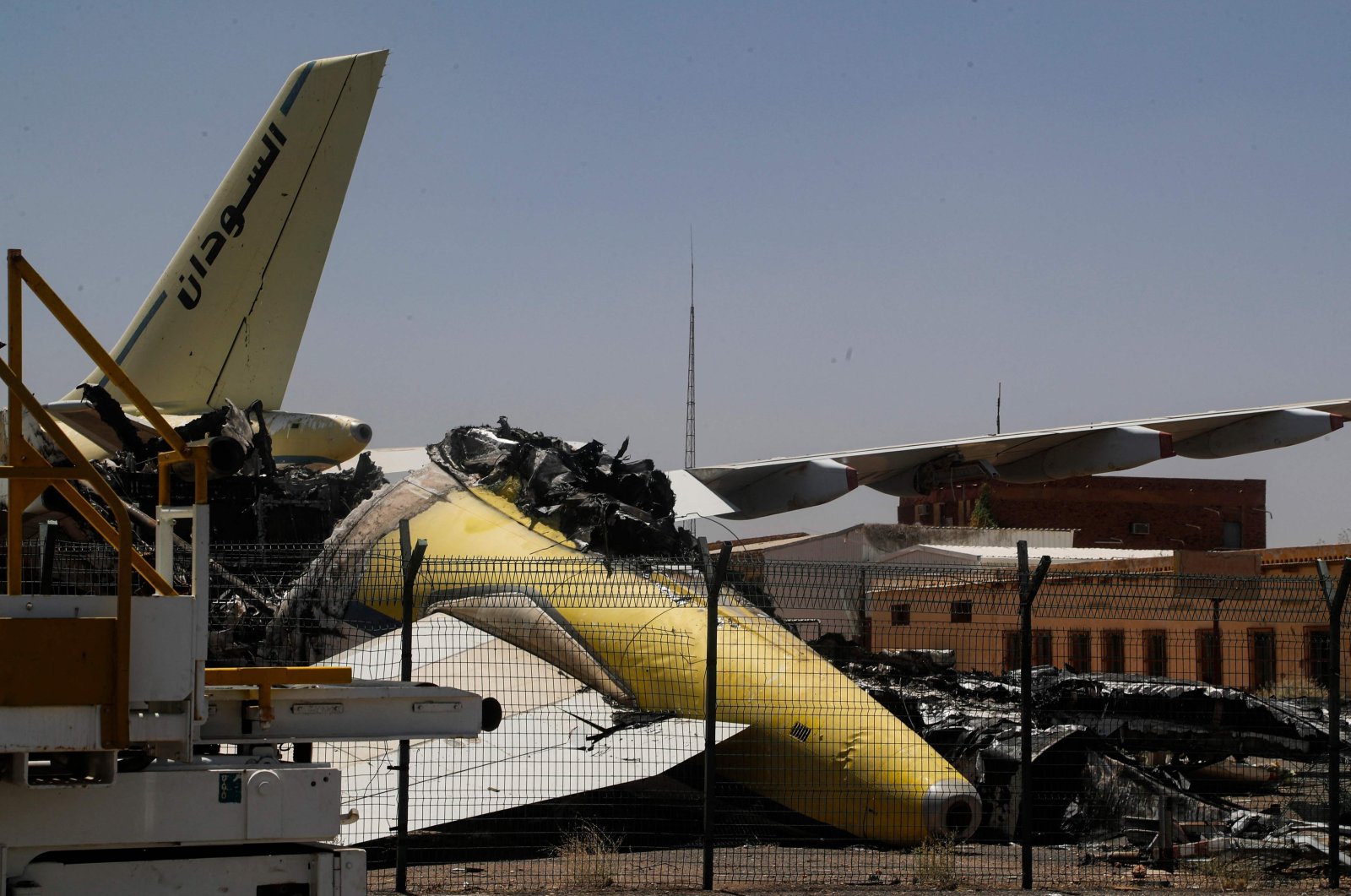
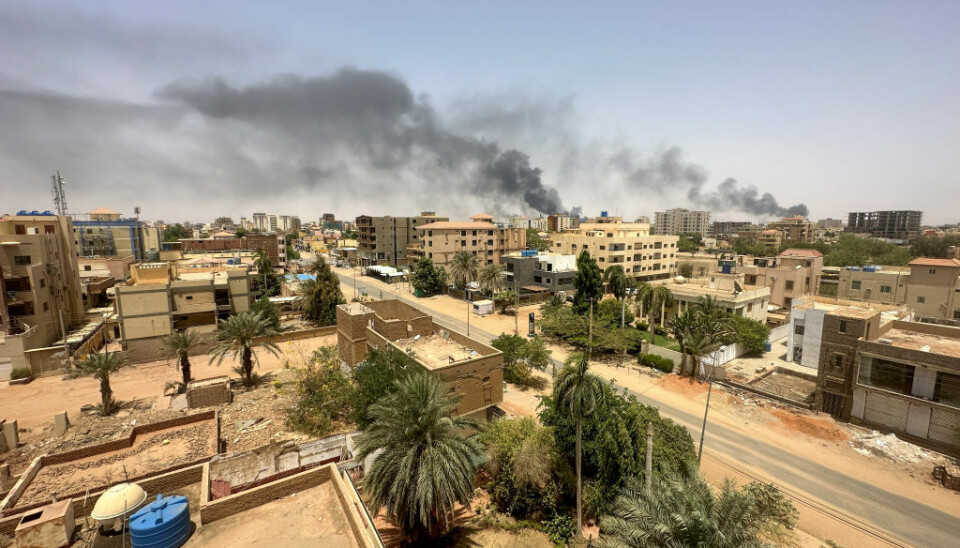
The escalating drone attacks on Khartoum International Airport (May 4-5, 2026) represent a critical supply chain disruption for cross-border e-commerce sellers operating in East Africa. Sudan's military accused Ethiopia and the UAE of orchestrating four drone strikes since early March, with the most recent attack forcing a 72-hour operational suspension at Khartoum International Airport—the region's primary international logistics hub. This marks a dangerous escalation after the airport had just resumed operations in March 2025 following three years of closure, representing the first direct international commercial flight in that period. For e-commerce sellers, this creates immediate operational challenges: the airport suspension disrupts both inbound sourcing from Asia-Pacific suppliers and outbound shipments to the 14 million displaced persons across Sudan and neighboring regions who represent an emerging humanitarian-driven consumer market.
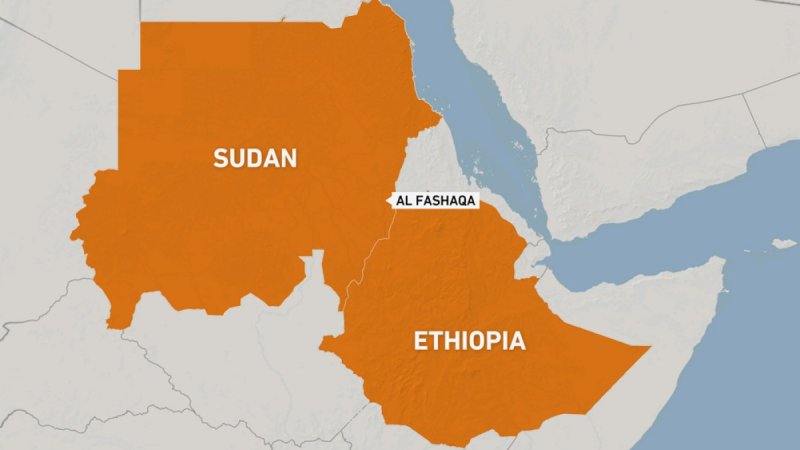
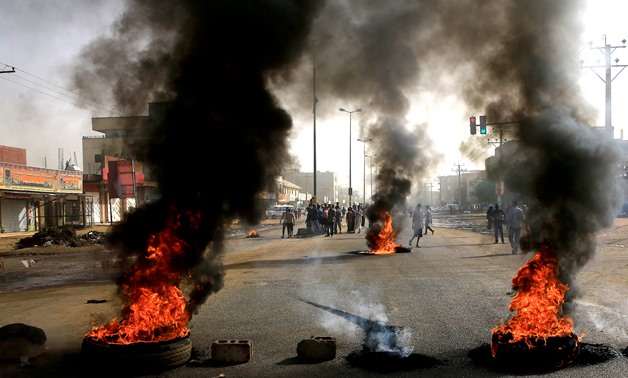
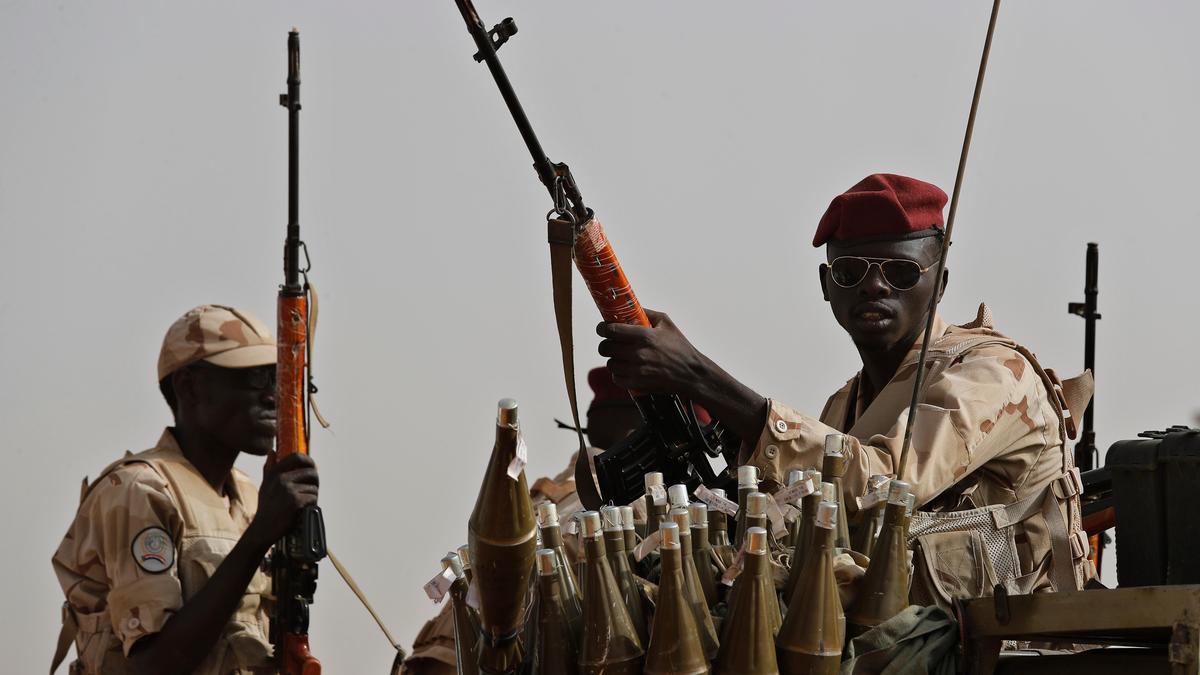
The geopolitical dimension compounds logistics risks for sellers with East African supply chains. Sudan's civil war (ongoing since April 2023) has killed 150,000+ people and displaced 14 million, creating unprecedented regional instability. The conflict has expanded beyond Sudan's borders, with fighting in Darfur and along the Blue Nile border with Ethiopia, while the UAE's alleged support for the Rapid Support Forces (RSF) paramilitary group signals foreign military involvement that could trigger additional sanctions or trade restrictions. Sellers sourcing electronics, textiles, or consumer goods through Ethiopian suppliers (particularly from Addis Ababa) face heightened risk of supply chain interruption. The International Crisis Group warns this represents a "dangerous new phase" with mutual suspicion between Sudan and Ethiopia creating unpredictable policy shifts. For sellers using DHL, FedEx, or UPS routes through Khartoum as a regional hub for East African distribution, the 72-hour suspension translates to 2-4 week cumulative delays when accounting for rerouting through alternative hubs (Nairobi, Dar es Salaam), increasing shipping costs by 15-25%.
Strategic sourcing implications favor sellers pivoting away from Sudan-dependent logistics corridors. The airport's fragile reopening (March 2025 to May 2026 = 14 months of operation) suggests limited reliability for mission-critical inventory. Sellers should evaluate alternative East African sourcing routes: Kenya's Jomo Kenyatta International Airport (JKIA) offers more stable operations with 3PL partnerships through DHL and Maersk; Tanzania's Julius Nyerere International Airport provides secondary routing with lower congestion. For sellers targeting humanitarian aid markets (medical supplies, water purification, emergency food products), the 14M displaced persons represent a growing consumer base with specific product needs—but logistics reliability is essential. Compliance consideration: sellers must monitor OFAC sanctions lists for Sudan-related restrictions, as escalating conflict could trigger new export controls on dual-use technologies or financial transaction restrictions affecting payment processing through UAE-based fintech providers.
Questions 8
How do drone attacks on civilian areas affect seller liability and insurance?
The May 2026 attacks killed 5+ civilians in Omdurman and hit civilian areas in al-Obeid and Kenana, raising questions about seller liability for goods in transit through conflict zones. Sellers should verify that cargo insurance policies explicitly cover conflict-related disruptions and force majeure events. Standard international shipping insurance may exclude war/civil unrest coverage—sellers must upgrade to conflict-inclusive policies when routing through Sudan or Ethiopia border regions. Cost impact: conflict-inclusive insurance adds 2-4% to shipping costs but protects against total loss scenarios. Consult insurance brokers specializing in East Africa before resuming Khartoum routing.
What is the timeline for Khartoum airport stability and when should sellers reassess?
The airport's March 2025 reopening followed three years of closure, and the May 2026 attack demonstrates fragile stability. Sellers should assume 6-12 month uncertainty and plan inventory accordingly. Monitor Sudan's military situation monthly—if RSF defections continue or international involvement escalates, expect additional closures. The UN describes Sudan's conflict as 'world's worst humanitarian crisis,' suggesting long-term instability. Sellers should establish quarterly reassessment checkpoints (July, October, January) to evaluate whether Khartoum remains viable or if permanent pivot to Kenya/Tanzania routing is necessary.