

Middle East Geopolitical Escalation May 2026 | Shipping Cost & Supply Chain Impact for Cross-Border Sellers
- Iran-UAE military tensions drive 8-15% shipping cost increases and insurance premium spikes for sellers routing through Strait of Hormuz and Persian Gulf corridors






























Overview
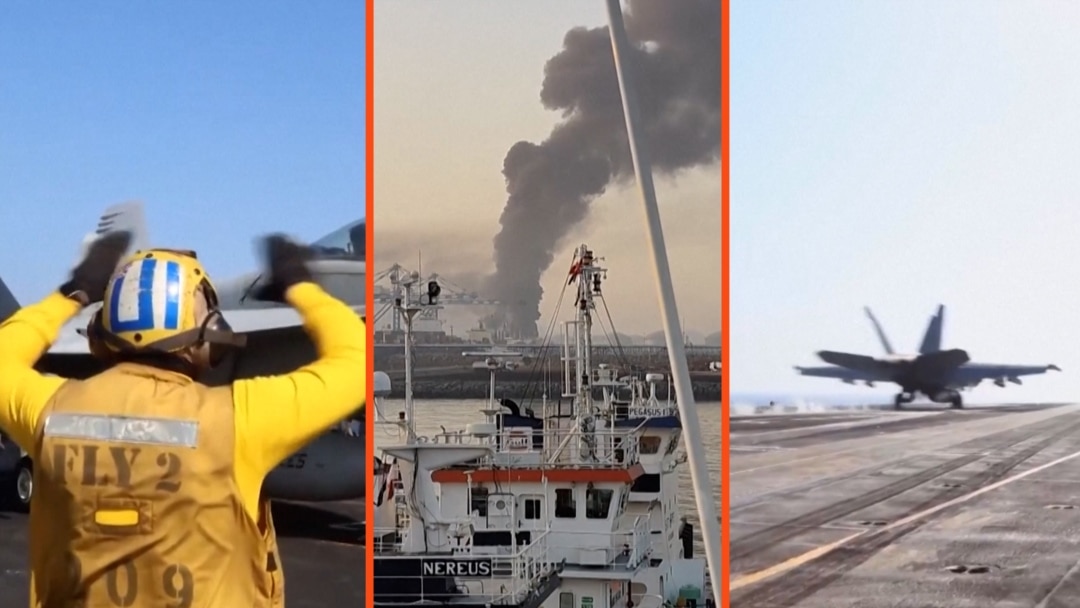
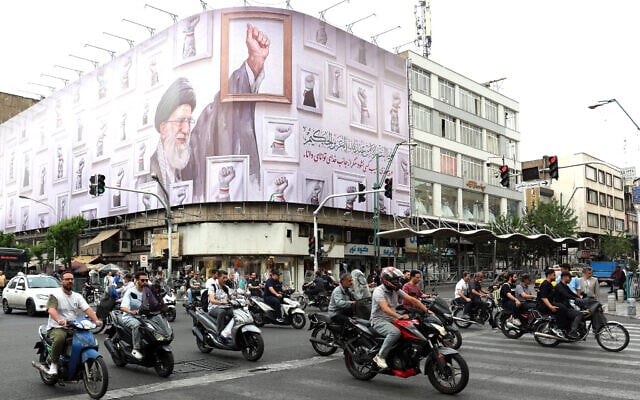
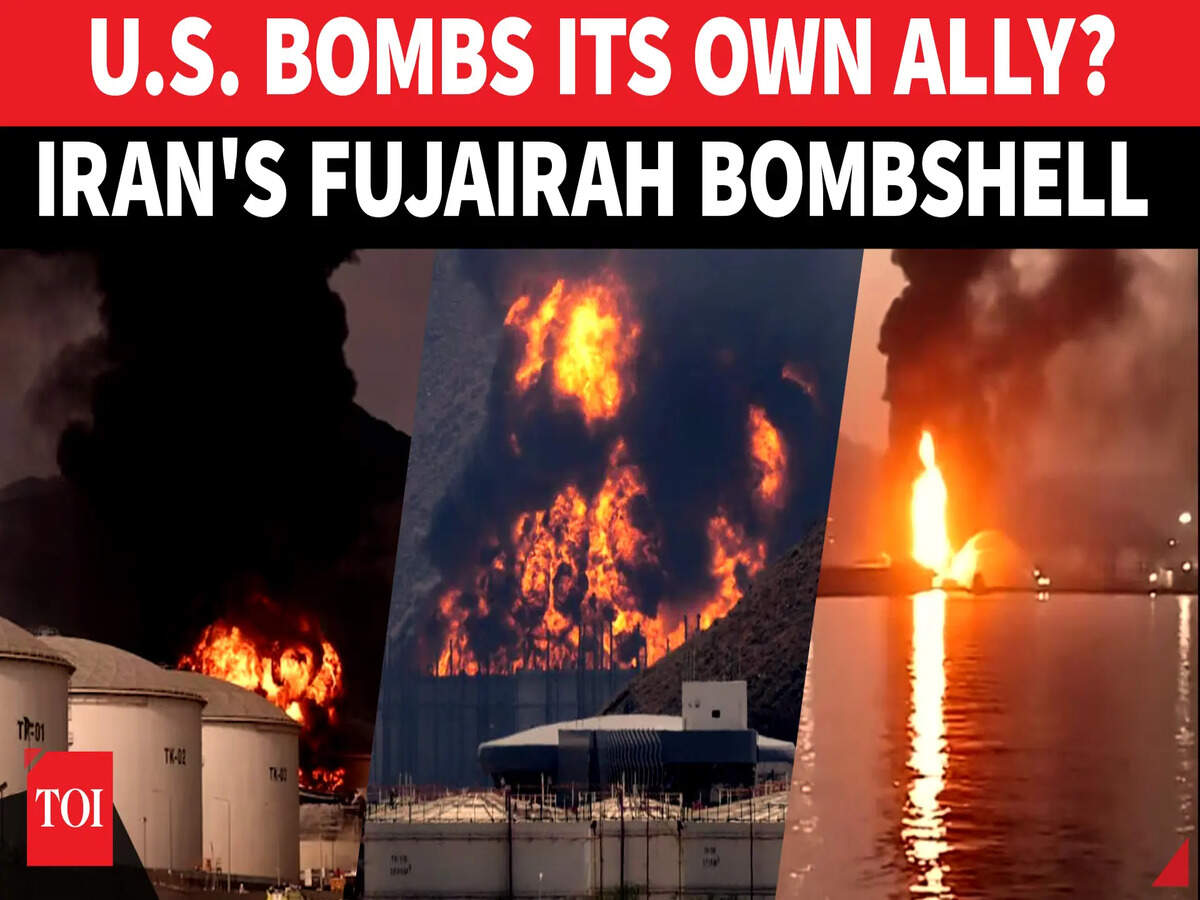
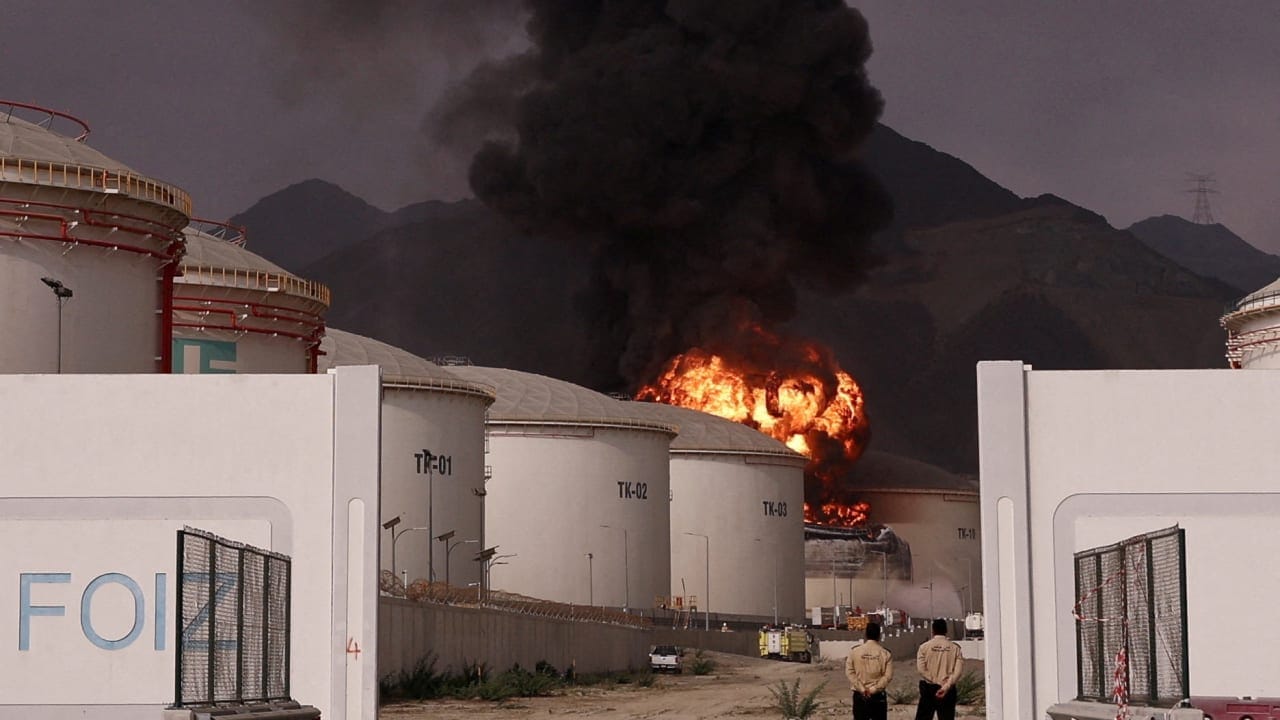
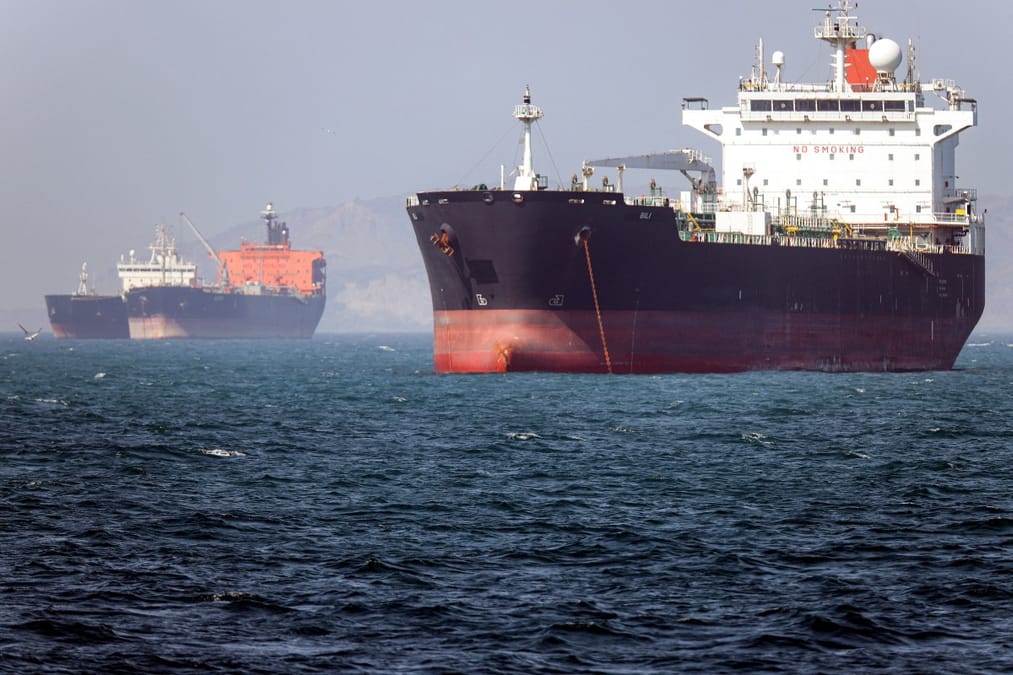
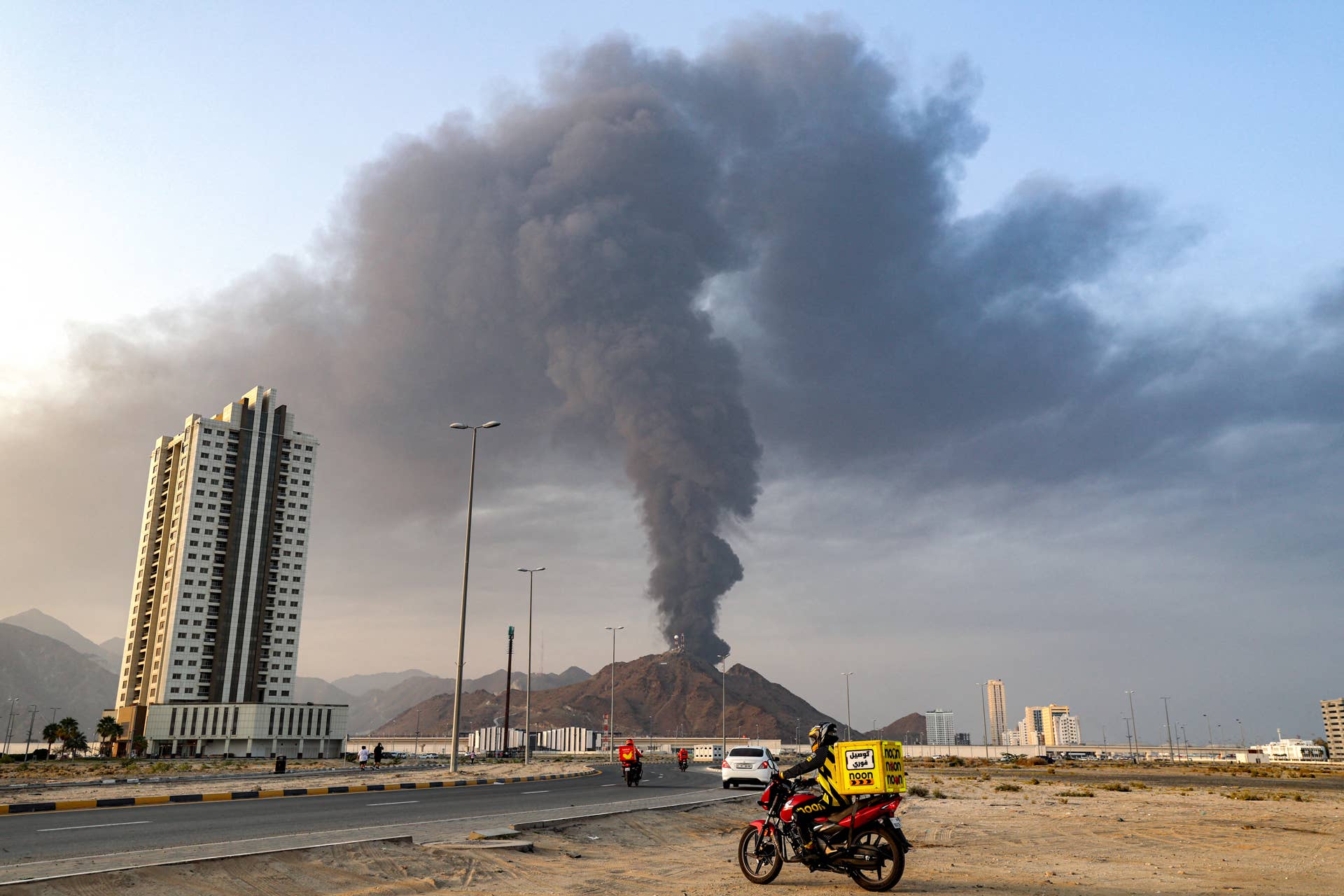
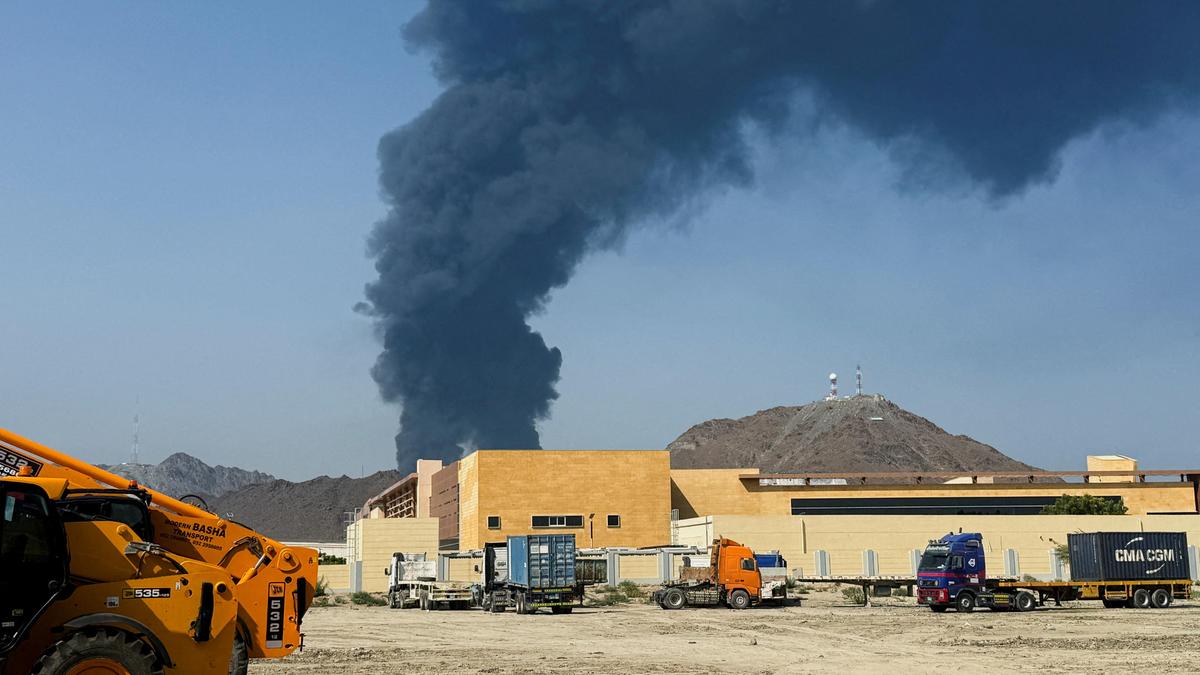
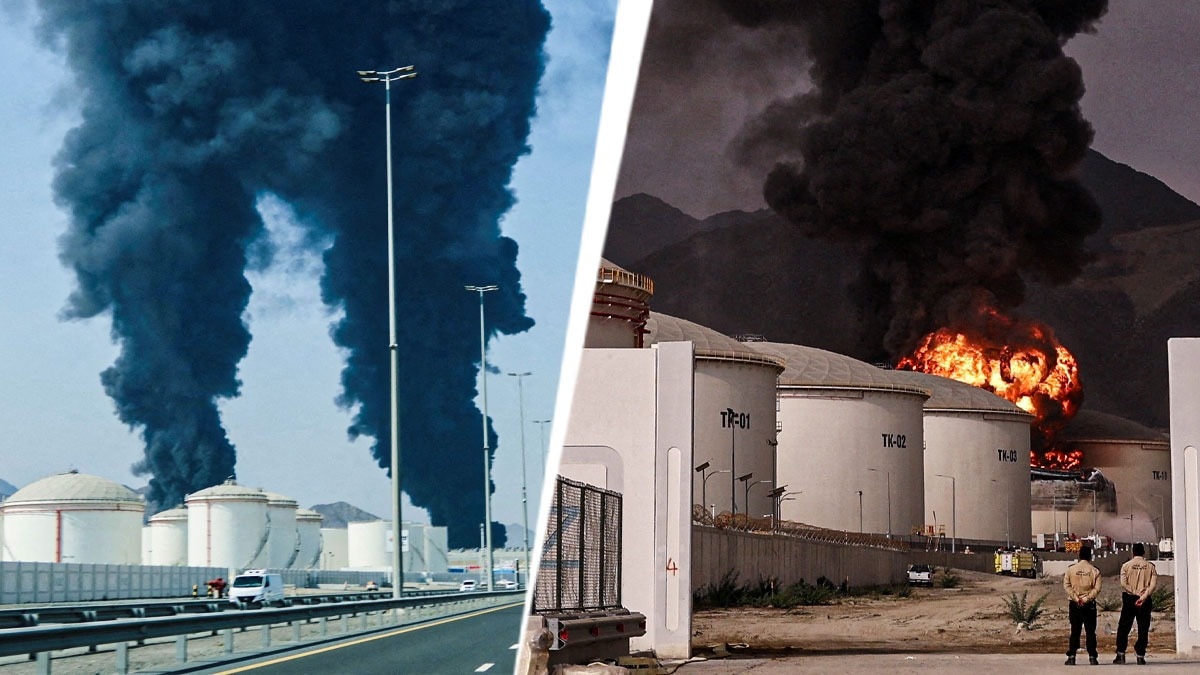
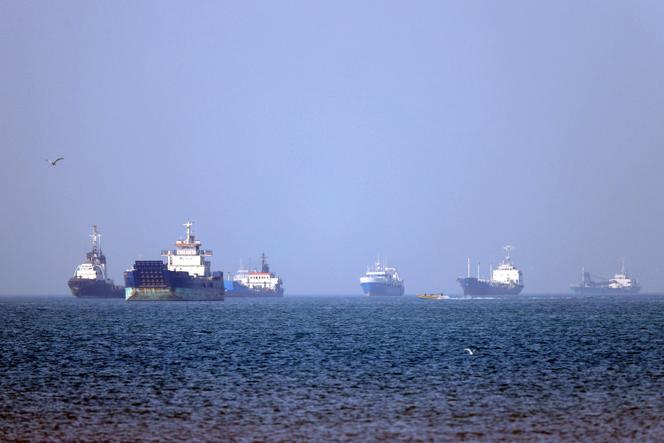
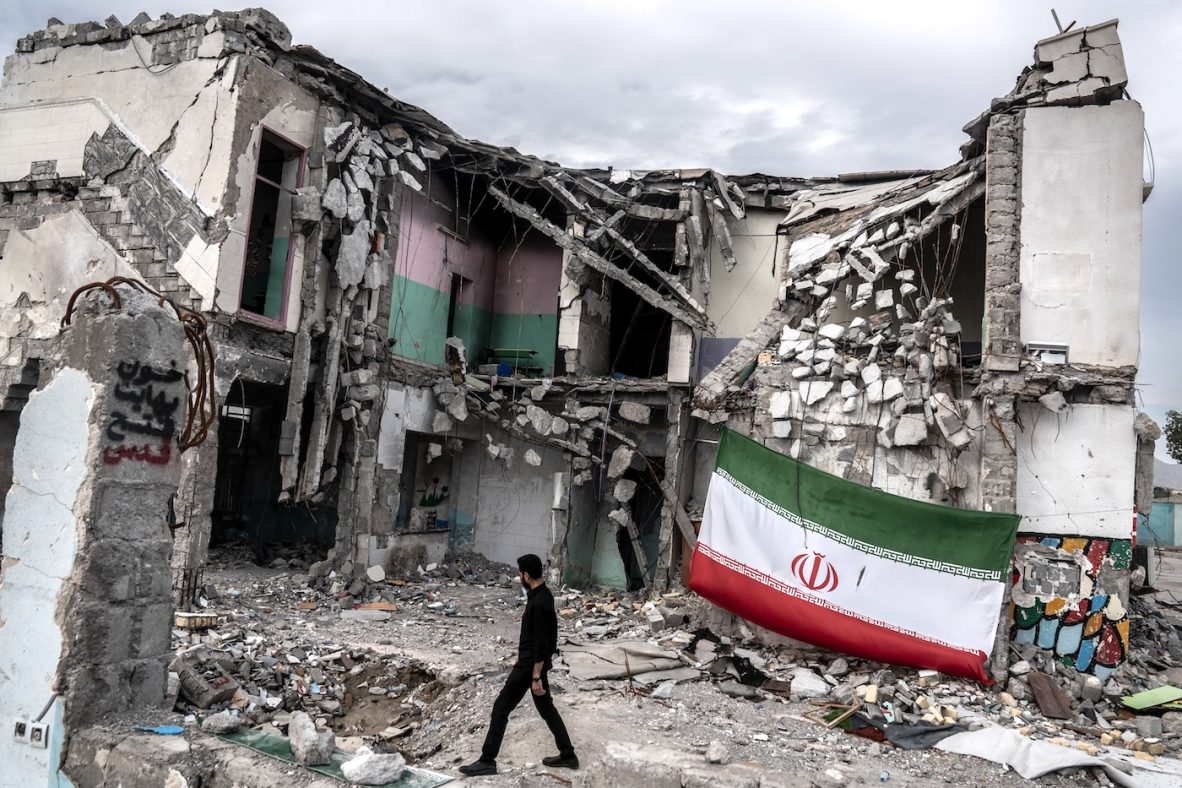
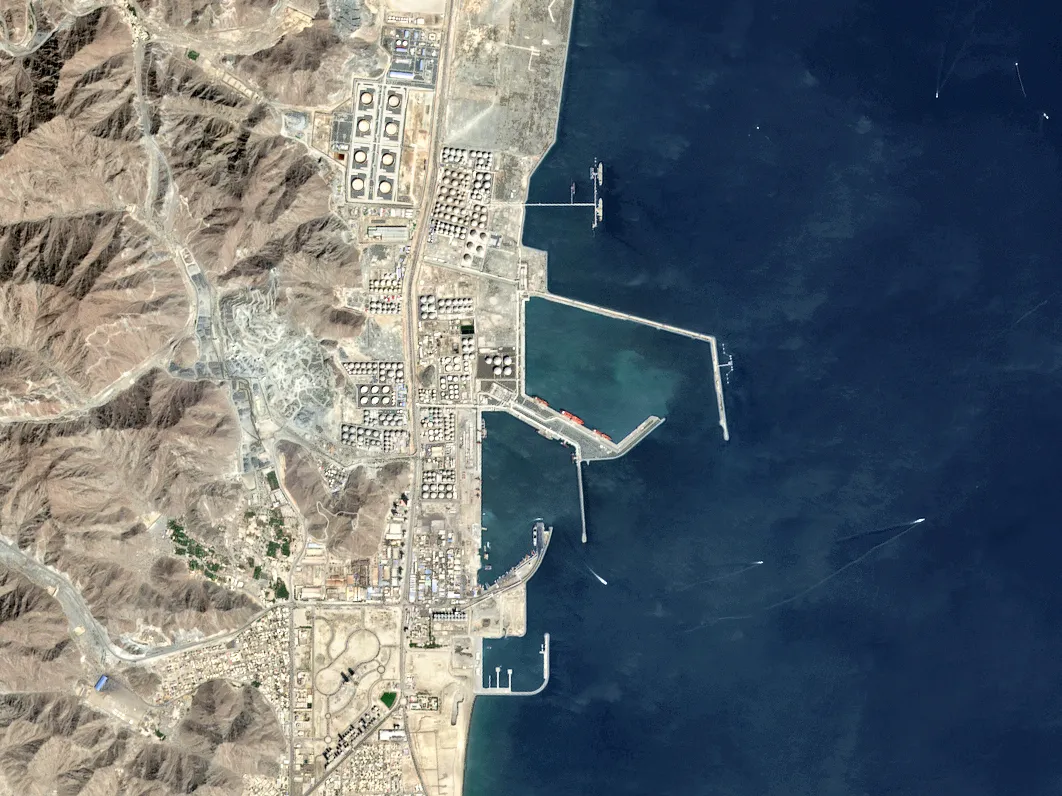
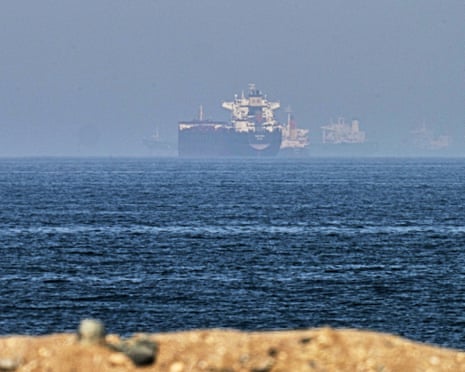
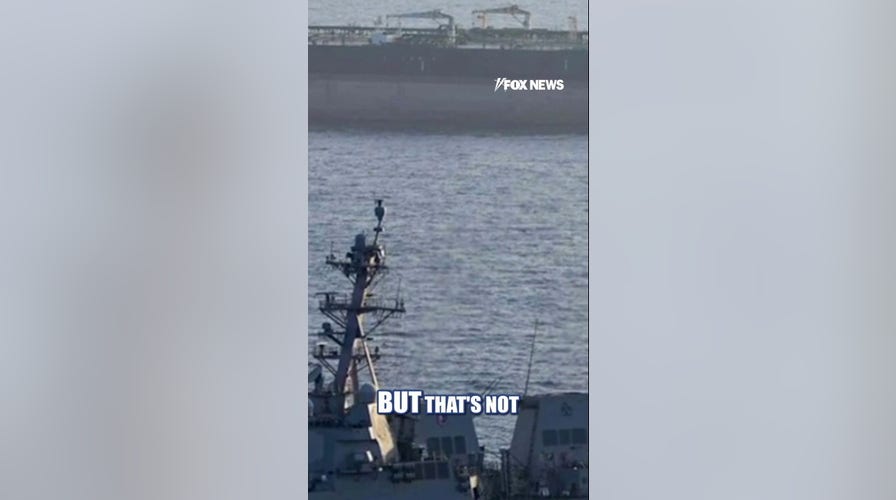
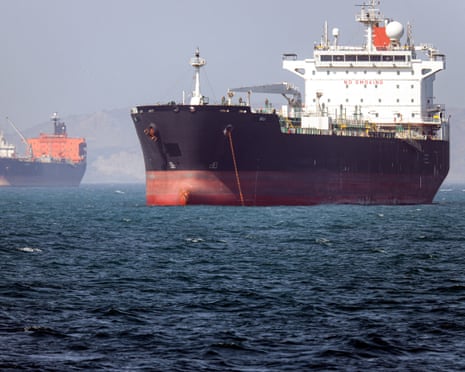
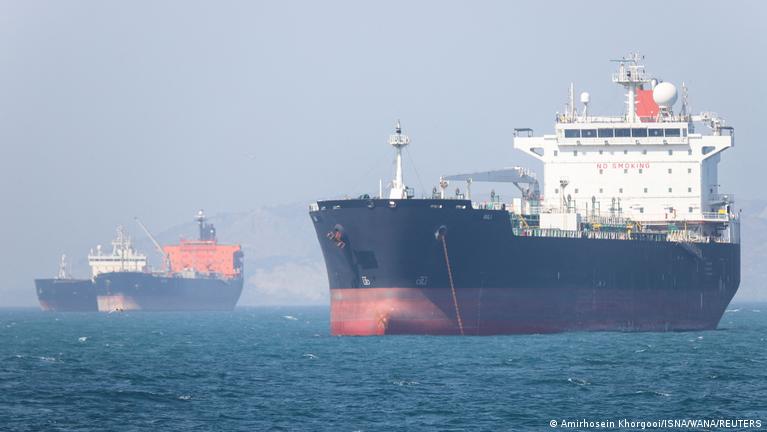
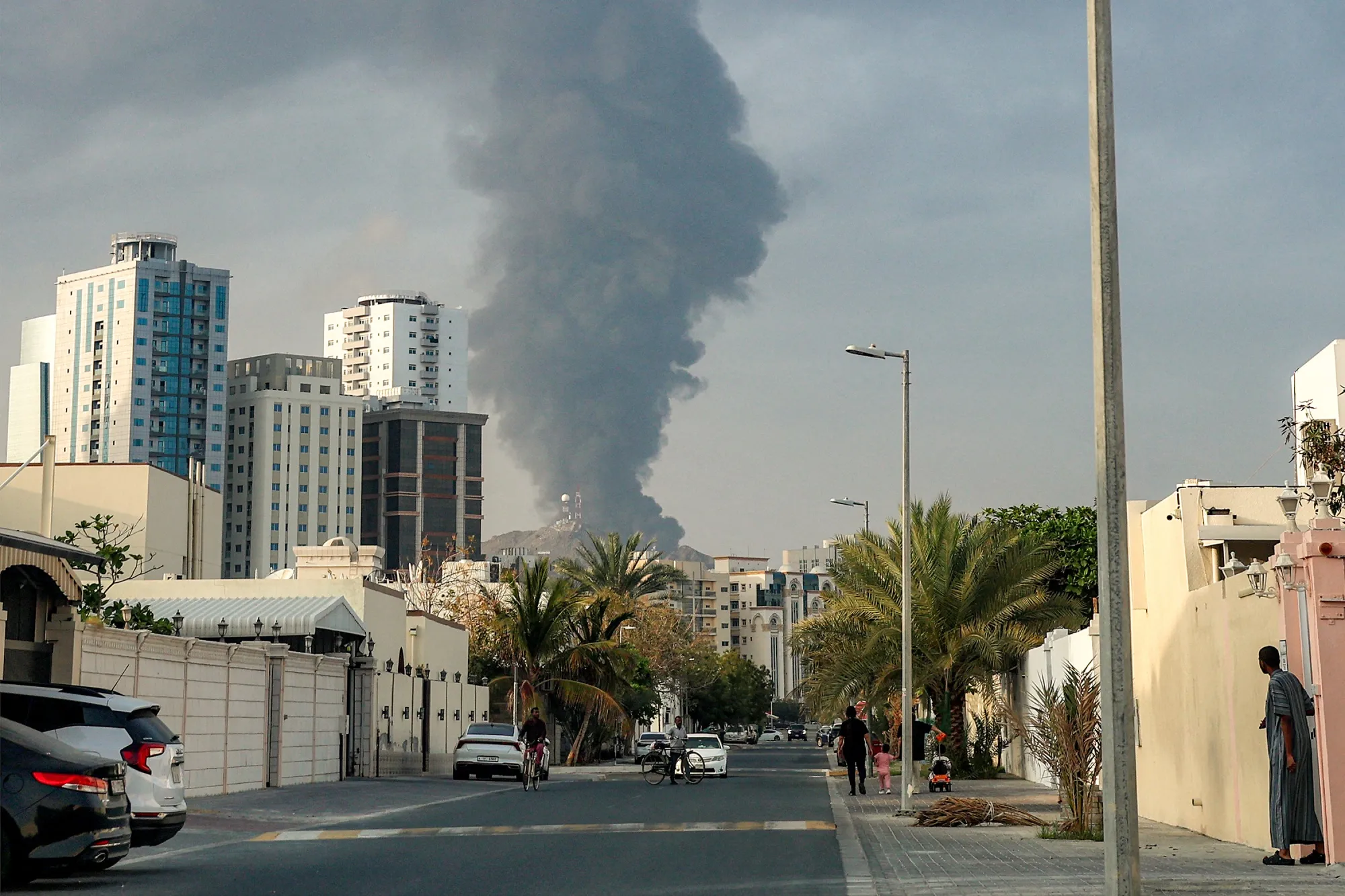
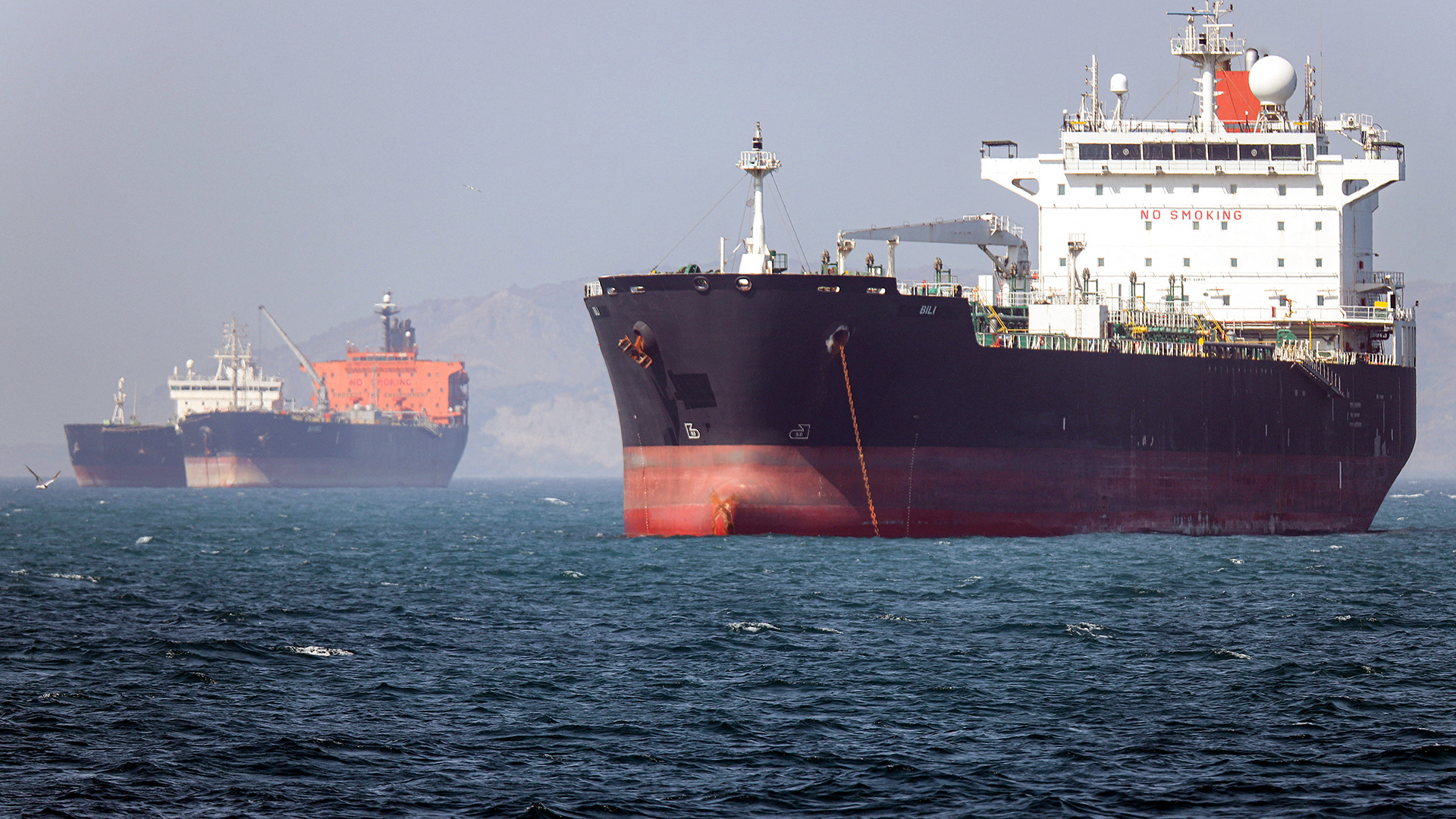
The May 5, 2026 Iranian missile and drone attack on UAE oil infrastructure represents a critical supply chain disruption event for cross-border e-commerce sellers. The attack involved 15 missiles and 4 drones targeting Fujairah oil facility, triggering immediate consequences for global shipping logistics. The Strait of Hormuz—through which 21% of global petroleum and 30% of liquefied natural gas transits—faces heightened security risks, directly impacting sellers who rely on maritime routes for inventory movement and product fulfillment.
For sellers shipping through Middle Eastern corridors, immediate cost pressures are materializing. Insurance premiums for goods transiting the Persian Gulf and Strait of Hormuz are rising 8-15% as maritime insurers reassess risk profiles following the attack. Shipping delays of 3-7 days are becoming common as vessels implement enhanced security protocols and route diversions around conflict zones. Sellers with inventory in UAE distribution centers or relying on Jebel Ali Port (world's 11th busiest container port) face potential congestion and demurrage charges of $200-400 per container daily. The escalation also creates currency volatility—UAE Dirham and regional currencies experiencing 2-4% fluctuations—affecting pricing strategies for sellers with regional supply chains.
Strategic sourcing implications are reshaping supplier networks. Sellers previously optimizing costs through UAE transshipment hubs are now evaluating alternative routes: Singapore (longer transit +5-7 days), Rotterdam (longer transit +10-14 days), or direct US-Asia corridors bypassing the region entirely. This geographic arbitrage shift favors sellers with flexible 3PL partnerships and inventory positioned in multiple regions. Companies like DHL, FedEx, and Maersk have already issued advisories recommending route alternatives, with some implementing 15-20% premium surcharges for Hormuz-corridor shipments. Sellers in electronics, apparel, and consumer goods categories—which depend on just-in-time inventory—face the highest operational impact, with potential margin compression of 3-8% if unable to absorb increased logistics costs.
The geopolitical uncertainty creates both risks and opportunities for agile sellers. Risk mitigation requires immediate actions: diversifying supplier locations away from single-region concentration, securing inventory buffers (30-45 days additional stock), and locking in shipping rates before further escalation. Conversely, sellers positioned in alternative logistics hubs (Vietnam, India, Mexico) gain competitive advantages as buyers seek supply chain resilience. The attack also signals potential demand surge for security-related products (GPS trackers, supply chain monitoring software, insurance products) and regional diversification services—emerging categories where sellers can capture margin expansion of 15-25%.
Questions 8
How does this crisis affect sellers with UAE distribution centers or inventory?
Sellers with inventory in UAE face immediate risks: potential port congestion at Jebel Ali (11th busiest global port), increased demurrage charges ($200-400/day per container), and potential security-related delays of 3-7 days. Insurance costs for goods stored in UAE are rising 10-15% as underwriters reassess regional risk. However, sellers can leverage UAE's position as a transshipment hub by redirecting inventory to alternative markets (India, Southeast Asia) rather than holding it regionally. Sellers should immediately contact their 3PL providers to understand contingency plans and negotiate rate locks for the next 90 days. Consider shifting 20-30% of UAE inventory to Singapore or Rotterdam hubs within 30-45 days to reduce concentration risk and avoid potential further escalation impacts.
What emerging product opportunities exist from this geopolitical crisis?
Supply chain disruption creates demand for risk mitigation products: GPS tracking devices, supply chain visibility software, supply chain insurance products, and logistics consulting services. These categories historically see 15-25% margin expansion during geopolitical crises as buyers prioritize resilience over cost. Sellers can also capitalize on demand for 'nearshoring' solutions—products sourced from Mexico, Vietnam, or India instead of traditional Middle East/Asia routes. Additionally, sellers offering 'supply chain diversification as a service' (connecting buyers with alternative suppliers) can command premium pricing. Historical data from 2022 supply chain crisis shows sellers in logistics-adjacent categories grew 40-60% while traditional importers stagnated.