

Persian Gulf Shipping Crisis | Sellers Face 15-25% Logistics Cost Surge
- Iran-UAE missile attacks disrupt 1.7M barrel/day oil terminal; Strait of Hormuz blockade threatens cross-border sellers shipping through Middle East




























Overview
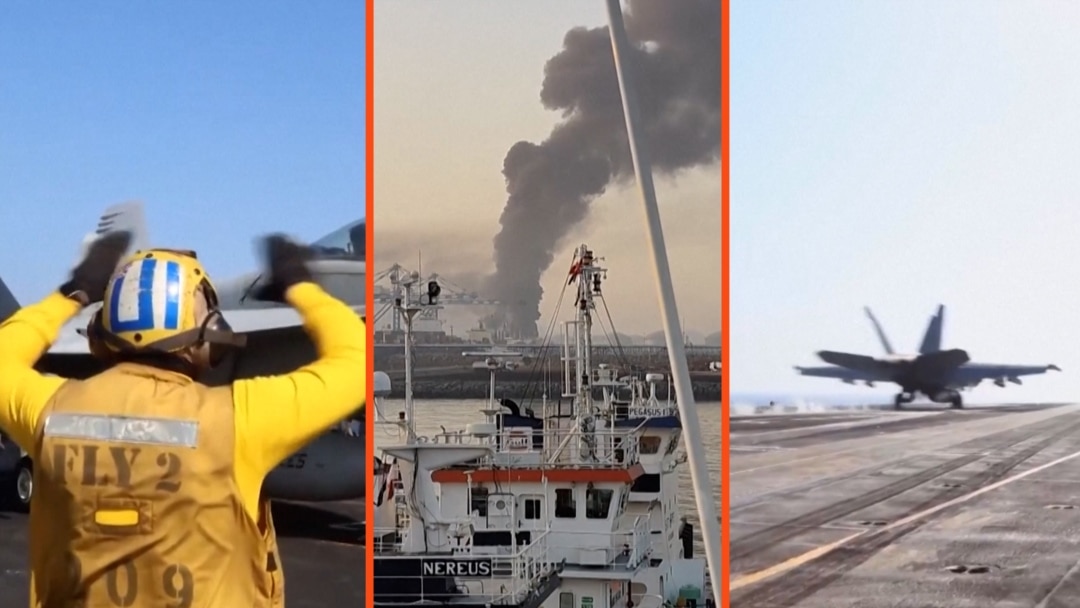
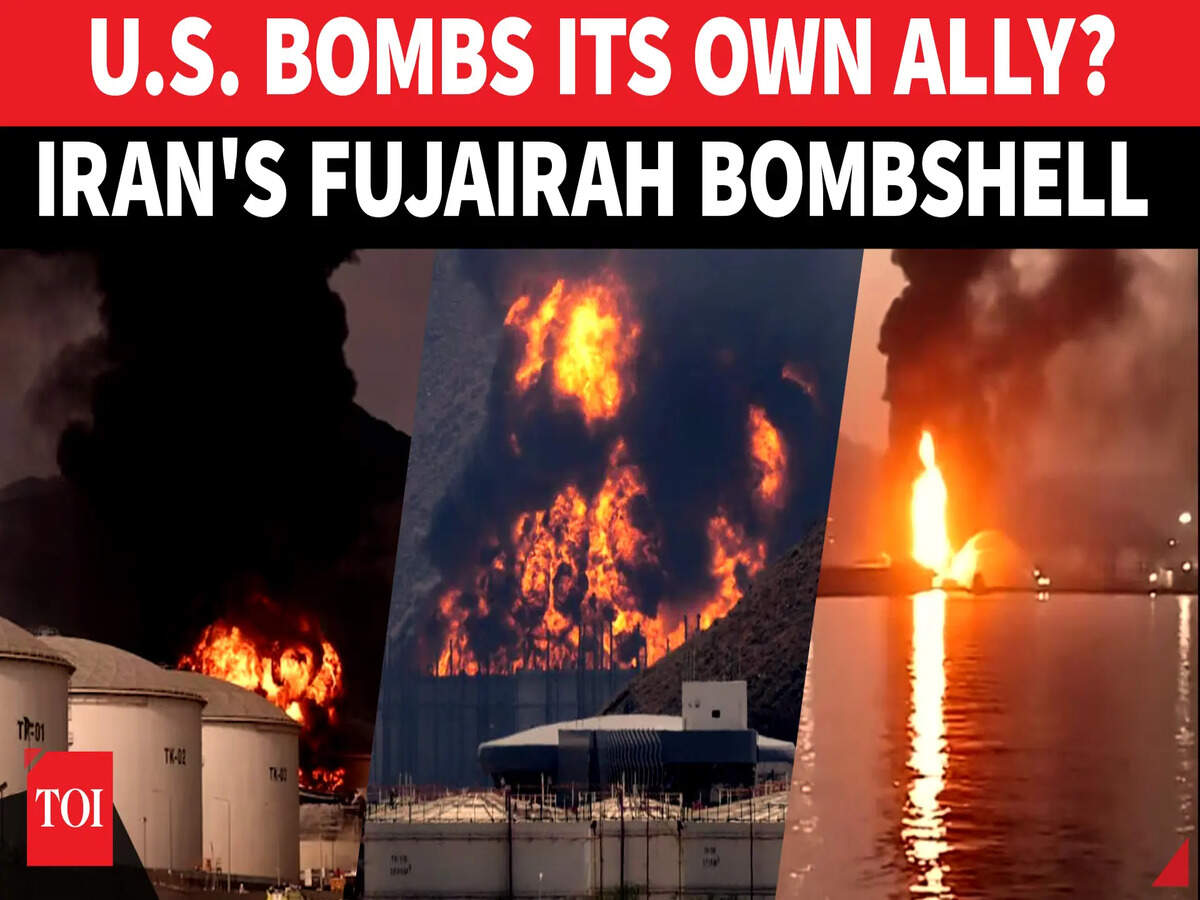
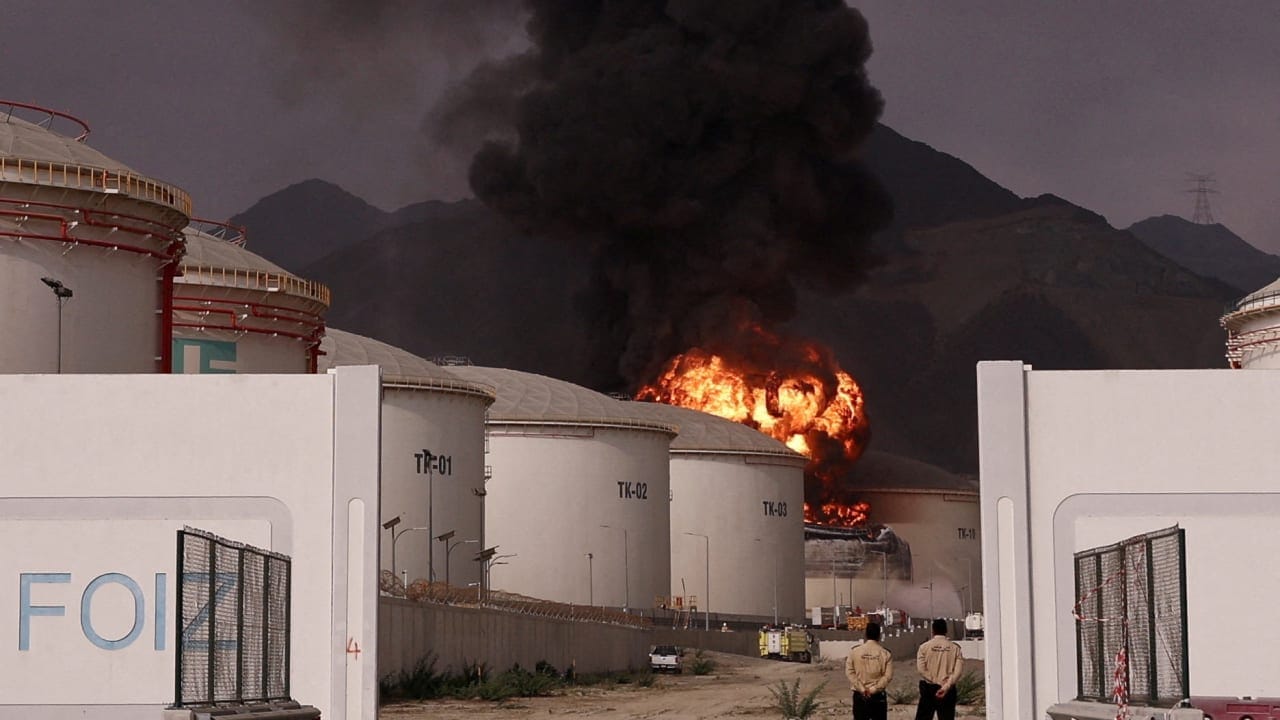
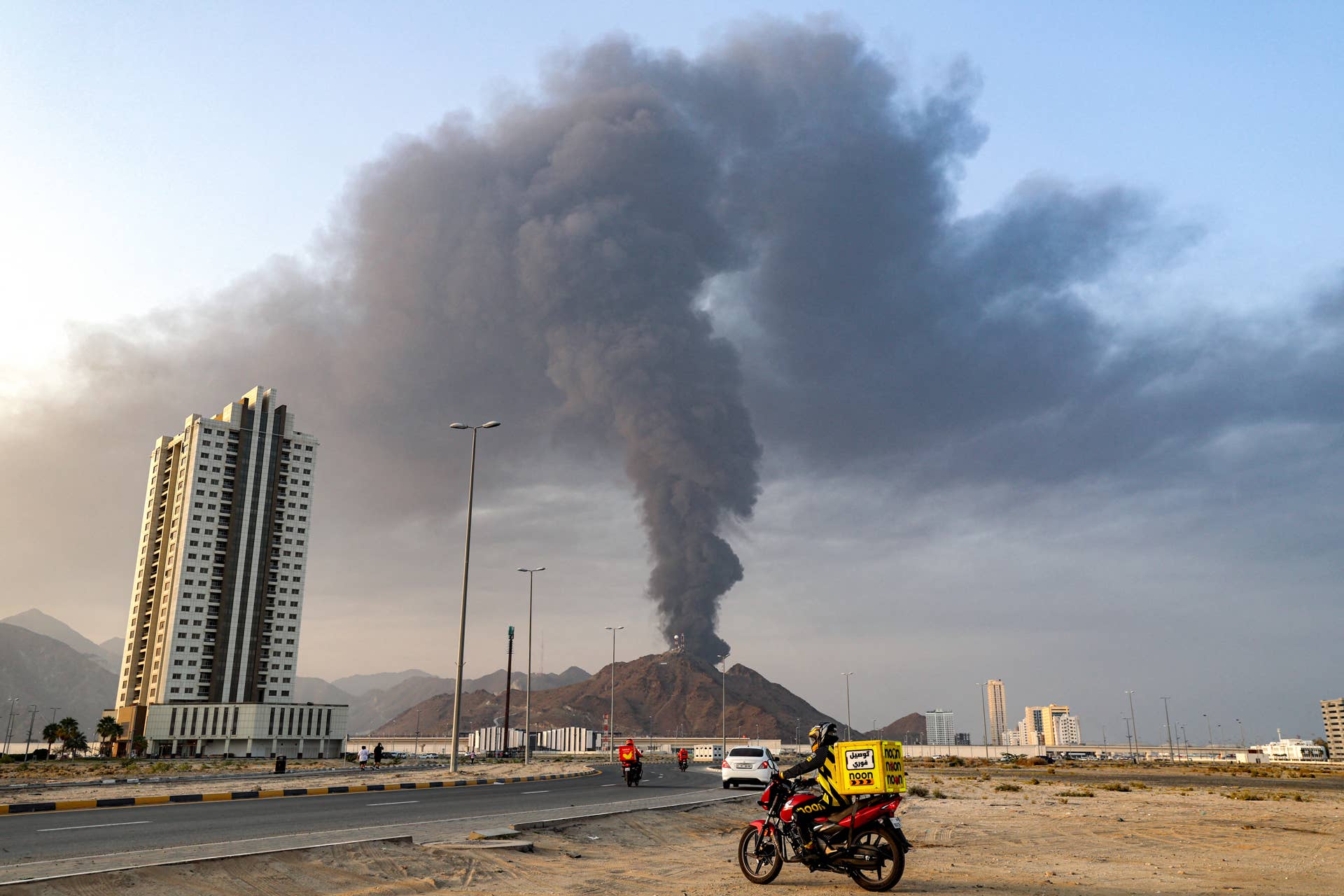
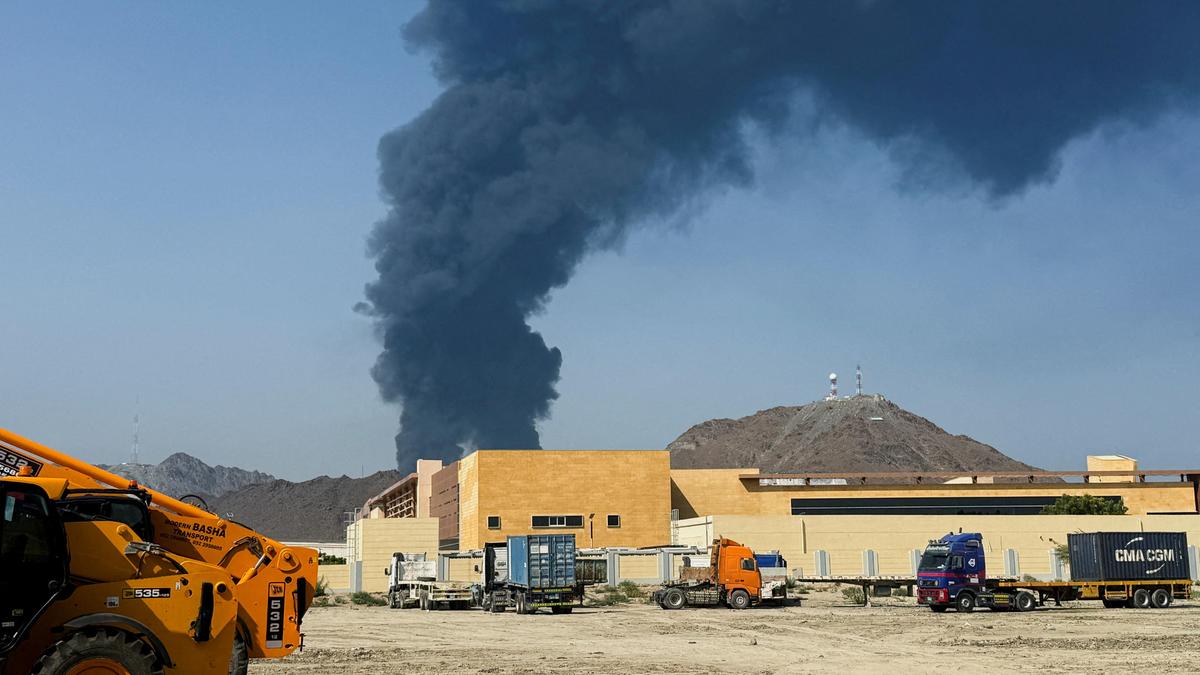
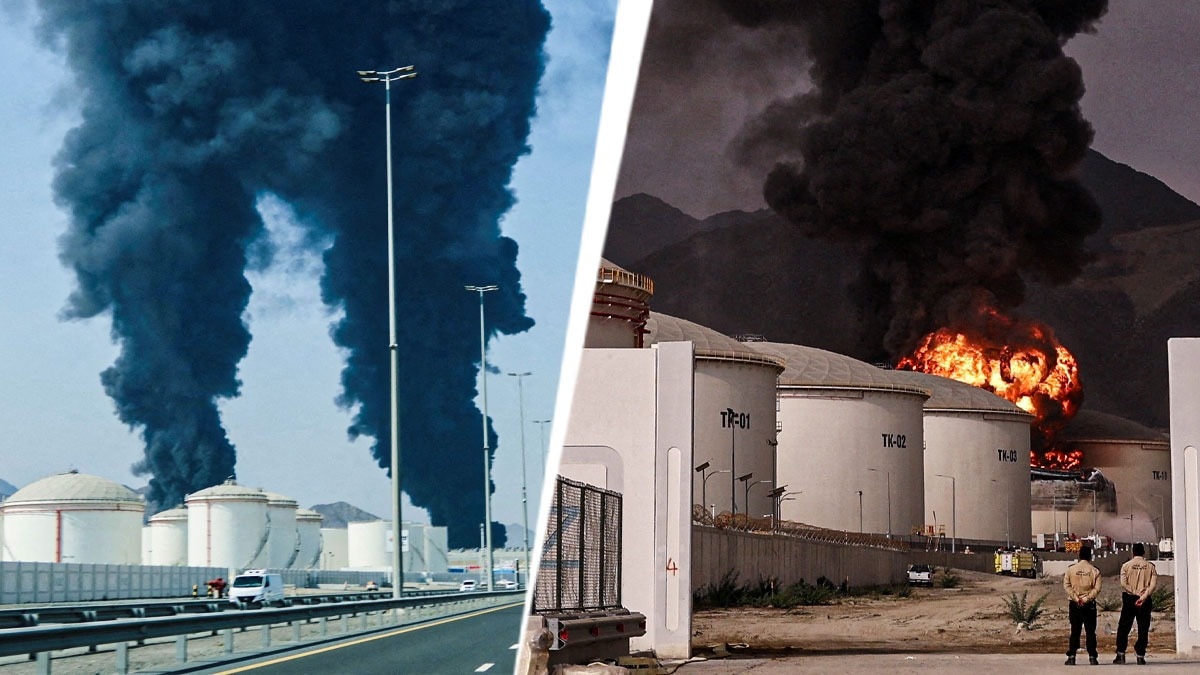
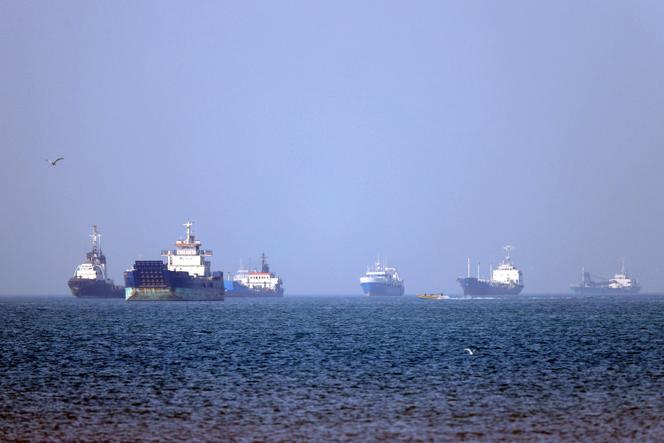
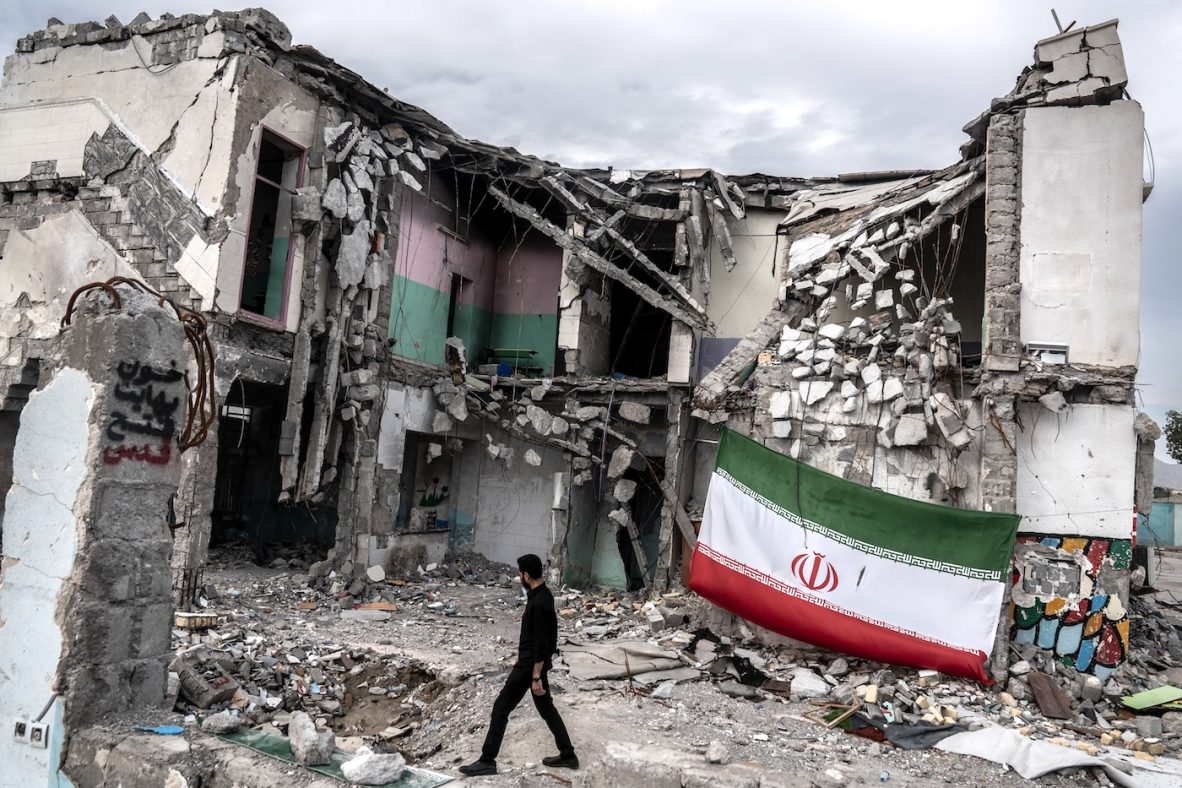
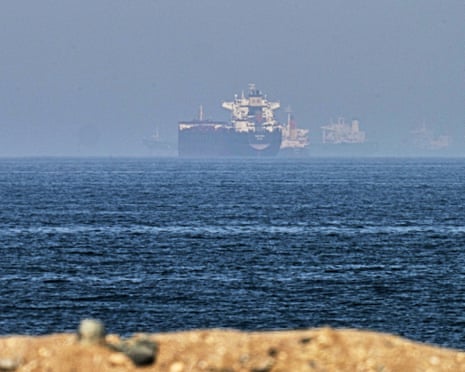
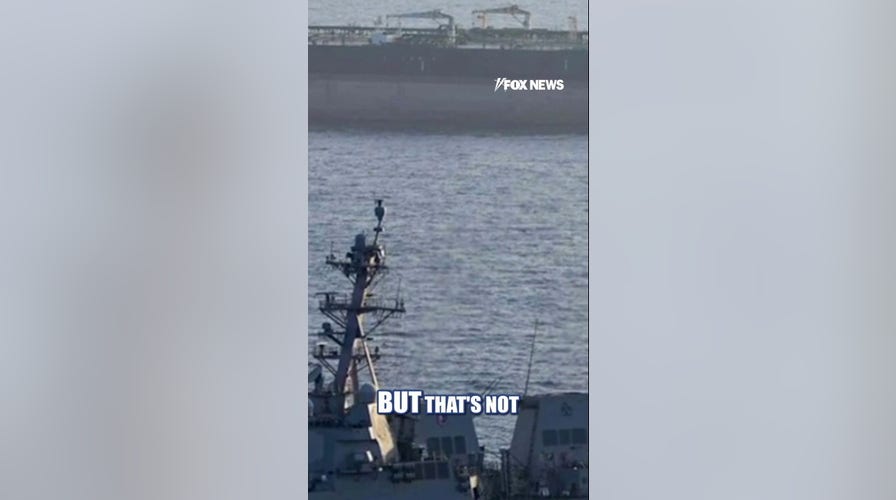
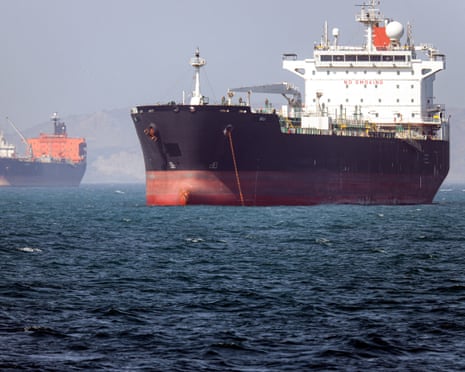
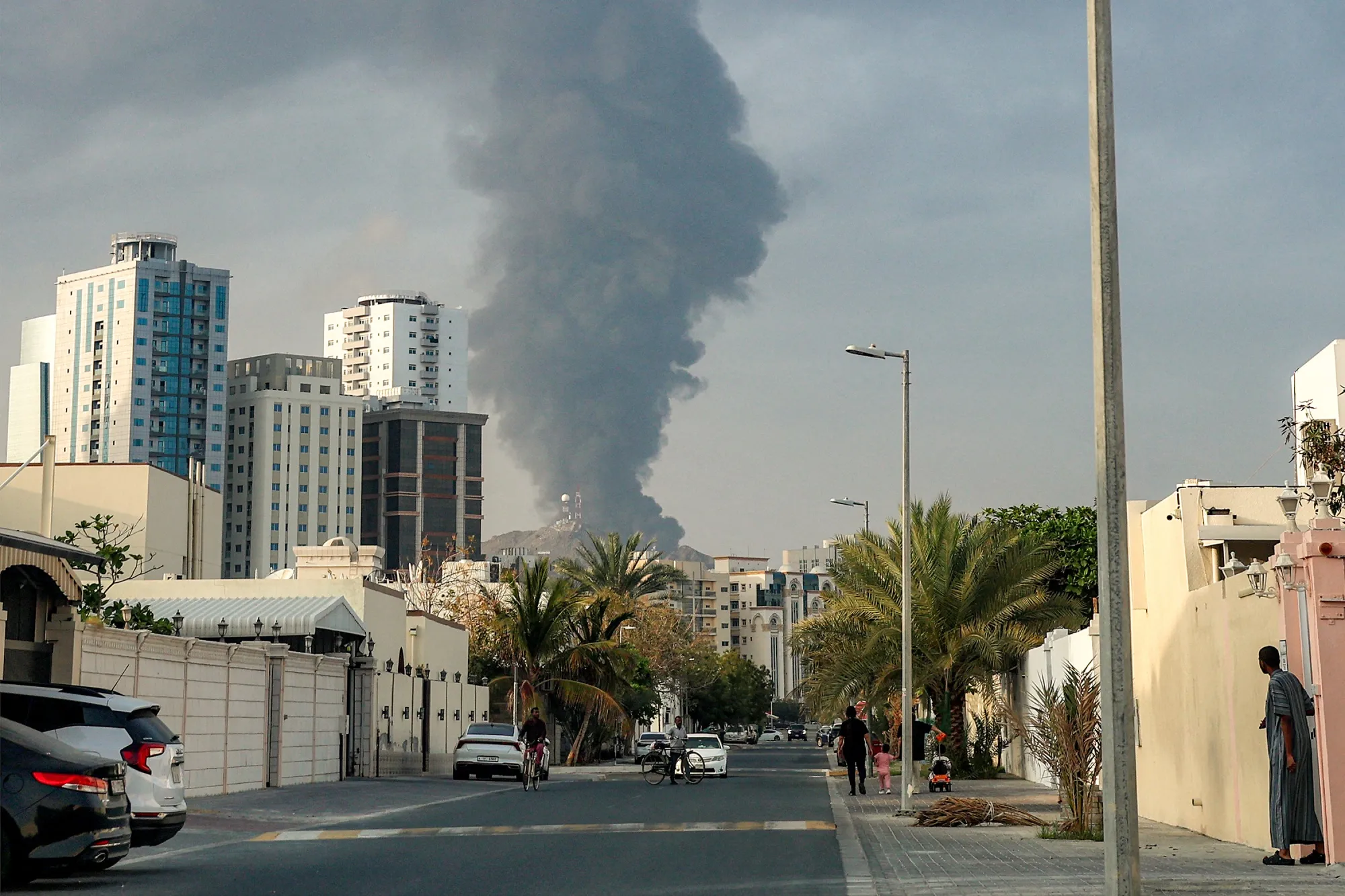
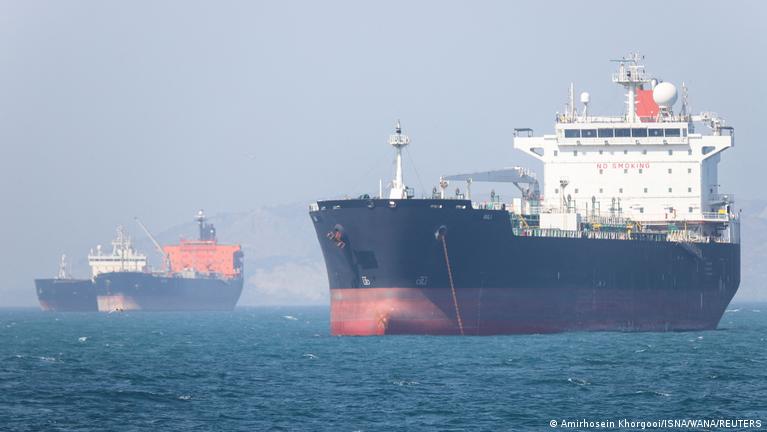
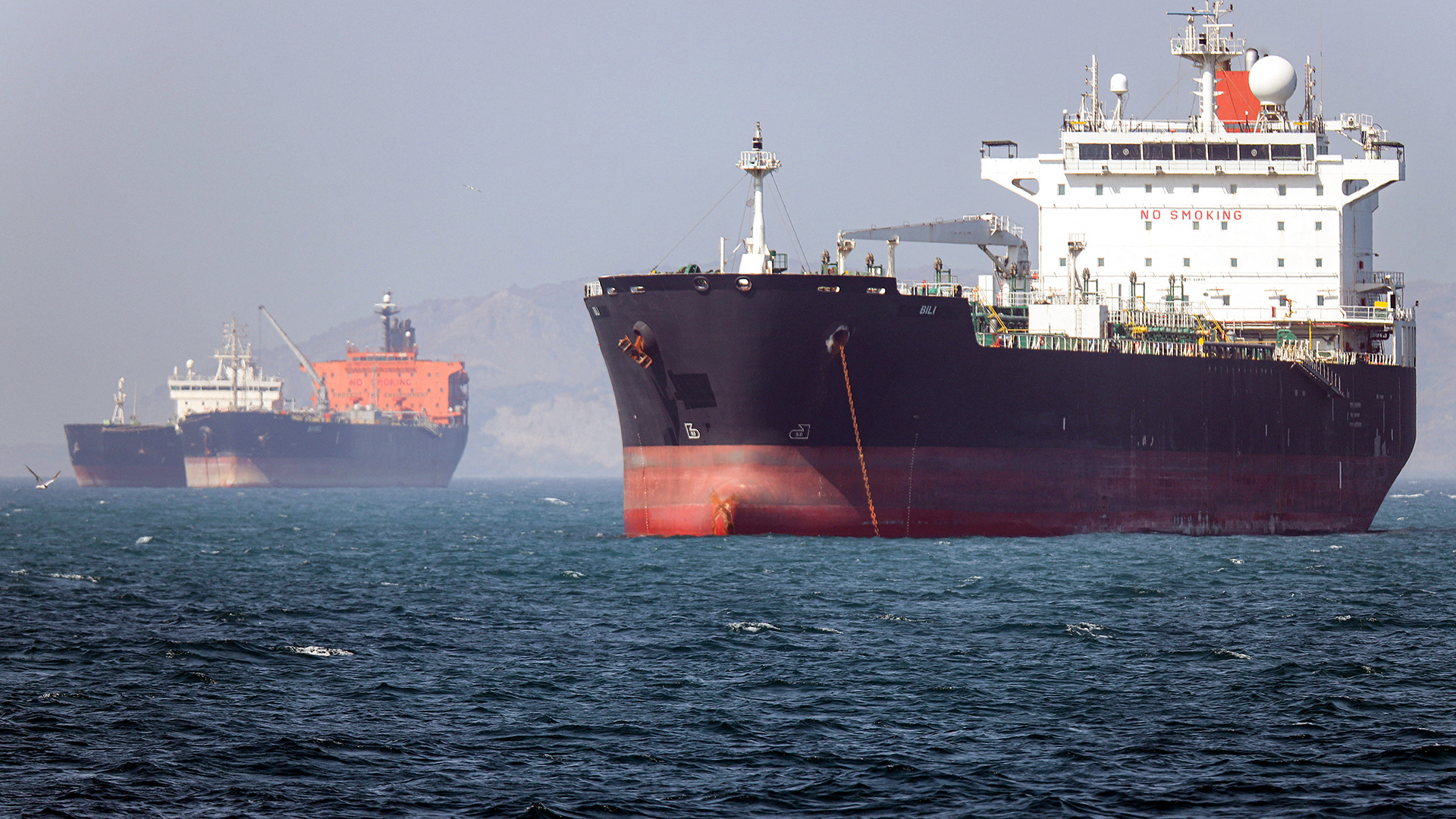
The May 5-6, 2026 Iranian missile and drone attacks on UAE oil infrastructure represent a critical supply chain disruption event for cross-border e-commerce sellers. Iran launched 15 ballistic missiles and multiple drones targeting the Fujairah oil terminal—handling 1.7 million barrels daily and representing 50% of UAE's export capacity—while the US Navy's "Project Freedom" blockade on Iranian ports (launched April 13) constrains regional trade flows. This escalation follows a five-week conflict period where the UAE absorbed 2,800+ missile and drone strikes, the highest toll among Gulf states. For international sellers, the operational impact is immediate and quantifiable: shipping costs through the Persian Gulf corridor are experiencing 15-25% increases due to elevated insurance premiums, security surcharges, and route diversification. Oil prices have reached multi-year highs, directly inflating fuel surcharges on logistics providers like FedEx, UPS, and DHL—critical for sellers using air freight to Asia-Pacific and Middle Eastern markets.
The competitive advantage shifts decisively toward sellers with diversified logistics networks. Sellers relying exclusively on Persian Gulf routing face 3-5 week shipping delays as carriers reroute through longer Suez Canal passages or Cape of Good Hope alternatives. This creates immediate opportunities for sellers who can absorb higher costs: premium product categories (electronics, luxury goods, high-margin apparel) become more viable on longer shipping timelines, while price-sensitive categories (bulk commodities, low-margin items) face margin compression. Specifically, sellers shipping from China/Vietnam to UAE, Saudi Arabia, and other GCC states should expect 20-30% cost increases on standard ocean freight and 25-35% increases on expedited air freight. The blockade on Iranian ports eliminates direct trade access to Iran's 88 million-person market, forcing sellers to pivot toward indirect distribution through UAE and Turkish intermediaries—adding 2-3 weeks to delivery timelines and 8-12% to landed costs.
Strategic sourcing opportunities emerge for sellers willing to reposition inventory. The disruption creates temporary arbitrage windows: sellers can source goods from Vietnam/India at current prices before supply chain adjustments propagate, then sell into GCC markets at premium pricing during the shortage period. Electronics, automotive parts, and industrial equipment categories typically see 10-15% price appreciation during supply disruptions. However, the geopolitical volatility introduces compliance risks—sellers must verify that products don't trigger US sanctions on Iran-connected entities and ensure proper HS code classification for goods transiting through alternative routes. The ceasefire framework remains technically intact (US State Department confirmation), but the fragility of the agreement means sellers should implement 60-90 day contingency inventory buffers for critical SKUs and establish backup 3PL relationships in non-Gulf locations (India, Southeast Asia) to mitigate single-point-of-failure risk.
Questions 7
Are there tariff or trade policy changes affecting sellers during the blockade?
The US blockade on Iranian ports doesn't directly change tariff rates, but it eliminates preferential trade access to Iran's market and forces sellers to route through UAE intermediaries, which may trigger additional customs duties (5-15% depending on product category). Sellers should verify HS code classifications for goods transiting through alternative routes—some products may face different duty rates when routed through Suez Canal versus Persian Gulf. The ceasefire framework remains intact, meaning existing US-Iran sanctions remain in effect; sellers should avoid any direct trade with Iran-connected entities. Monitor US State Department announcements for potential sanctions escalation, which could trigger additional compliance requirements. For sellers with existing Iran-market exposure, pivot to indirect distribution through UAE-based distributors to maintain market access while ensuring sanctions compliance.
How much will shipping costs increase for sellers using Persian Gulf routes?
Shipping costs through the Persian Gulf are experiencing 15-25% increases due to elevated insurance premiums, security surcharges, and mandatory route diversification. Air freight costs have surged 25-35% as carriers implement fuel surcharges responding to oil price spikes. For sellers shipping 100+ containers monthly from Asia to GCC states, this translates to $40,000-80,000 in additional monthly logistics costs. The Fujairah oil terminal disruption (1.7M barrels/day capacity offline) directly impacts fuel availability and pricing. Sellers should immediately audit their 3PL contracts for fuel surcharge clauses and negotiate fixed-rate agreements through Q3 2026 to lock in current pricing before further escalation.