



California Insurance Crisis Threatens Home Seller Logistics | Wildfire Claims Collapse Creates Supply Chain Risk
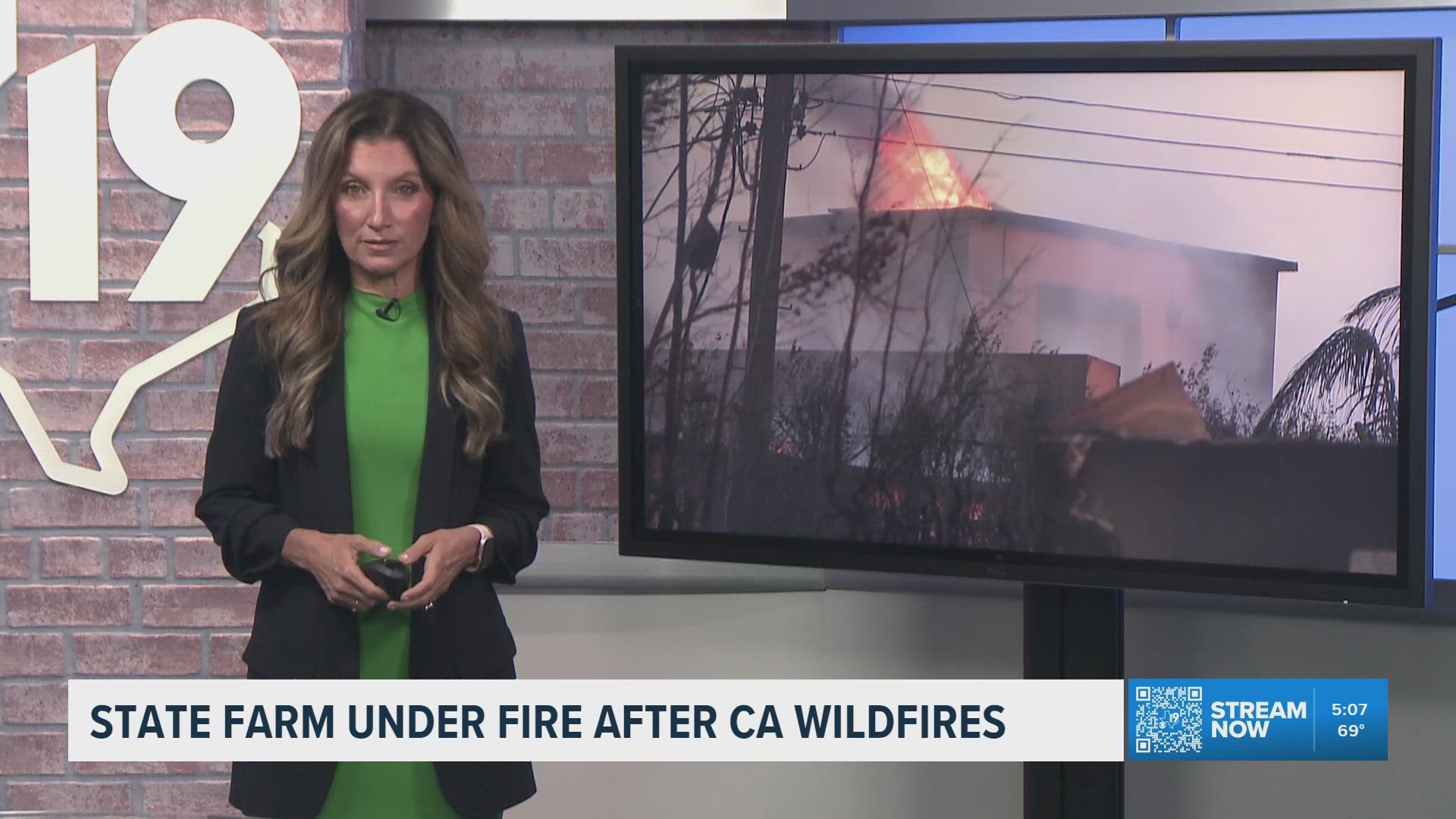
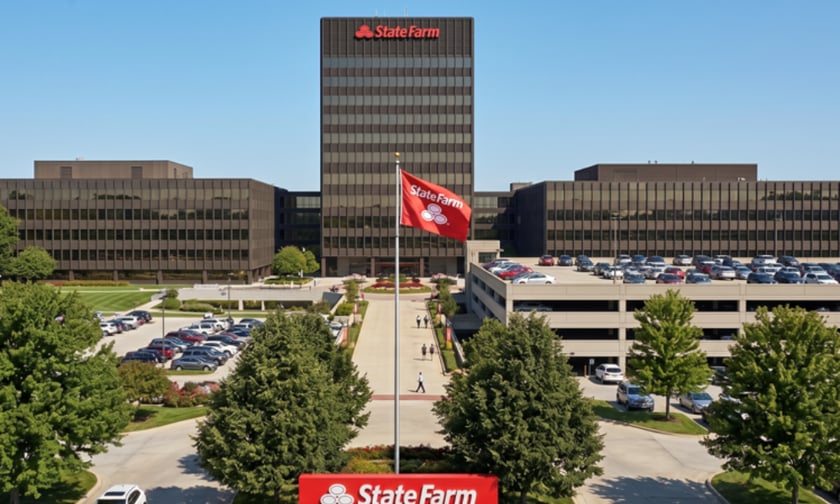
- State Farm faces potential 1-year license suspension affecting 1M+ California homeowners; $5.7B in claims processing failures signals broader insurance market dysfunction impacting seller operations in high-risk regions










Overview
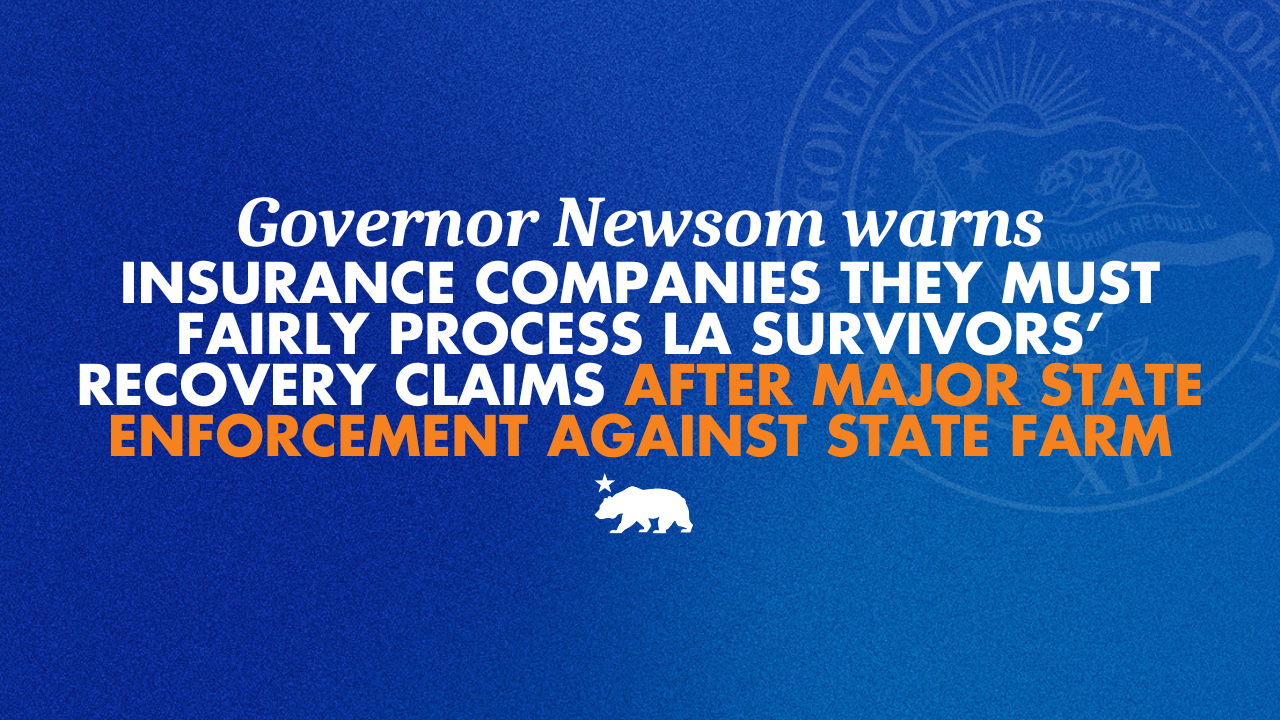
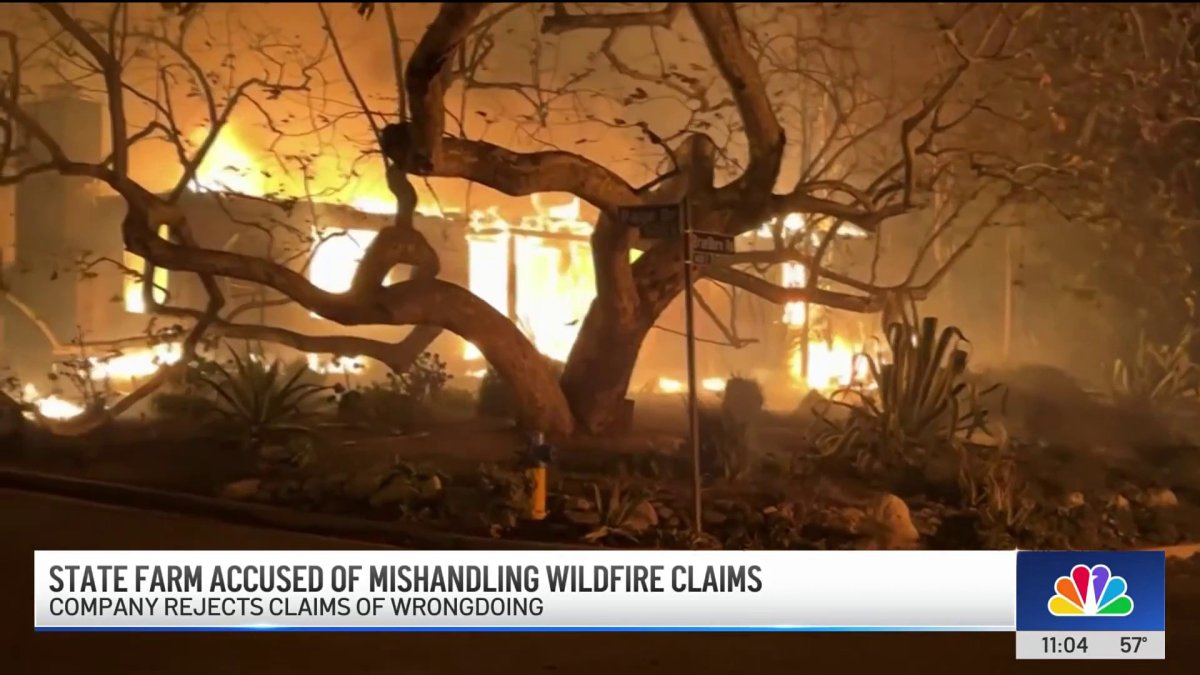
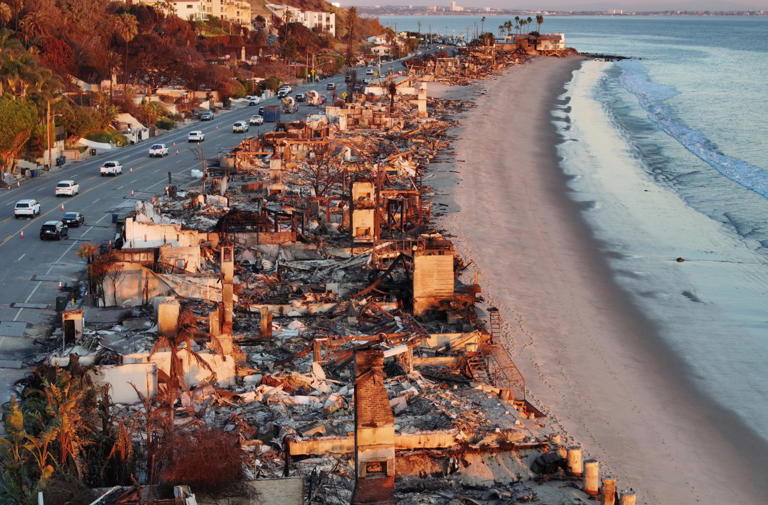
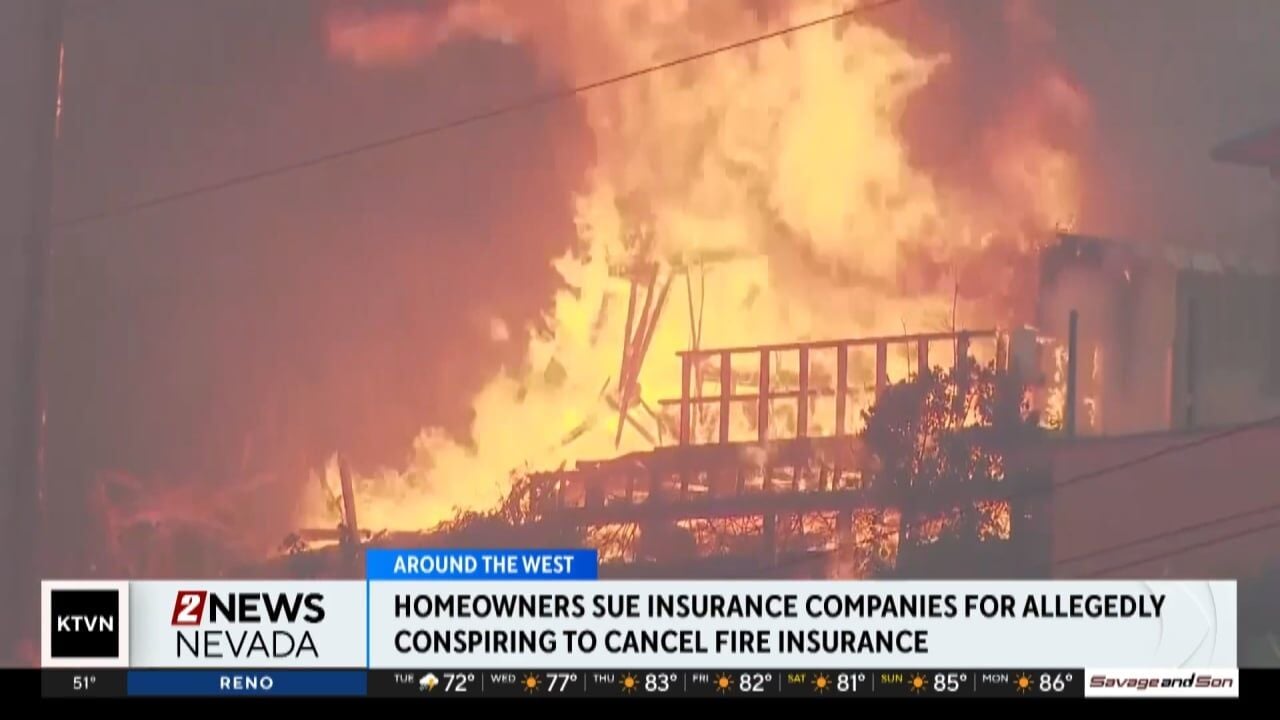
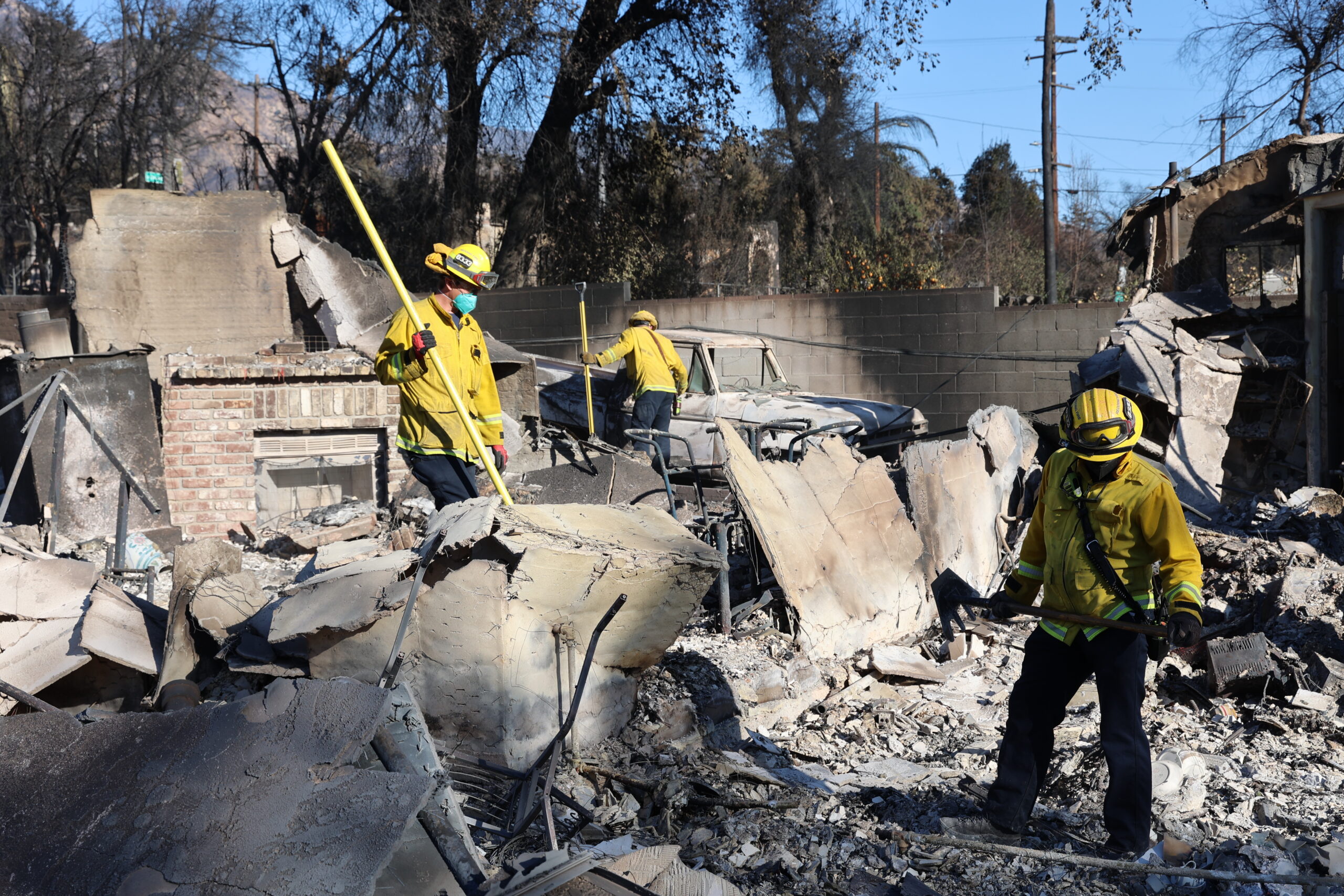
California's enforcement action against State Farm represents a critical inflection point for e-commerce sellers operating in disaster-prone regions. The California Department of Insurance is pursuing license suspension and $2M+ penalties following systematic mishandling of 11,300 residential wildfire claims across Los Angeles County, with investigators uncovering 398 violations in approximately 50% of sampled cases. This regulatory escalation directly impacts seller operations through three mechanisms: (1) Consumer purchasing power compression — delayed insurance payouts reduce discretionary spending among 1M+ affected California homeowners, depressing demand for non-essential categories including home goods, electronics, and apparel; (2) Logistics infrastructure vulnerability — State Farm's potential license suspension could trigger a 12-18 month insurance market contraction in California, forcing sellers to reassess fulfillment center locations, 3PL provider coverage, and regional inventory positioning; (3) Regulatory precedent for platform accountability — the case signals California regulators will hold major service providers accountable for consumer harm, potentially extending to e-commerce platforms' own claims handling and seller dispute resolution processes.
The operational impact extends beyond insurance. State Farm's documented failures—claim delays averaging 30-60 days, systematic underpayment of smoke damage claims, and poor communication with policyholders—mirror patterns that trigger consumer complaints on Amazon, eBay, and Shopify. The investigation found State Farm handled one-third of 11,300 claims while paying $5.7B across 11,700+ residential and auto claims, indicating massive processing bottlenecks. For sellers, this signals that California's insurance market dysfunction will persist through 2025-2026, affecting consumer confidence in disaster recovery and property protection. Sellers shipping to California should anticipate 8-15% demand reduction in home improvement, furniture, and appliance categories during the license suspension period, as consumers delay purchases pending insurance claim resolution.
Strategic implications for cross-border and domestic sellers: The case demonstrates how regional regulatory actions cascade through e-commerce supply chains. If State Farm's license is suspended for even 6 months, alternative insurers will face capacity constraints, driving premium increases of 15-25% for California homeowners. This reduces consumer discretionary spending power precisely when sellers rely on Q2-Q3 seasonal demand. Sellers with significant California inventory exposure should consider: (1) diversifying fulfillment to Arizona, Nevada, or Texas 3PL networks to reduce regional concentration risk; (2) adjusting demand forecasts downward for California-heavy categories through mid-2026; (3) monitoring insurance market developments as leading indicators of consumer financial stress in high-risk regions. The $5.7B in claims already paid suggests significant wealth destruction among California homeowners, reducing their capacity to purchase discretionary goods. This case also establishes precedent for regulatory scrutiny of service provider accountability, potentially affecting how e-commerce platforms handle seller disputes and customer claims in future disaster scenarios.
Questions 7
Should sellers relocate fulfillment centers out of California due to insurance market risk?
Sellers with significant California inventory exposure should diversify fulfillment to Arizona, Nevada, or Texas 3PL networks rather than fully relocating. Complete relocation is premature given the 12-18 month timeline for market stabilization, but geographic diversification reduces concentration risk. Evaluate 3PL providers' capacity in alternative regions and negotiate contracts with flexibility clauses allowing volume adjustments as California demand recovers. The insurance market dysfunction is regional and temporary, making partial diversification more cost-effective than full relocation. Maintain California presence for sellers with strong local customer bases, but reduce inventory levels by 15-25% until market stabilization is confirmed.
What timeline should sellers use for California market recovery planning?
Expect California's insurance market to remain dysfunctional through mid-2026, with consumer purchasing power recovery lagging license suspension resolution by 6-12 months. The administrative law judge hearing will determine penalty amounts and suspension implementation timeline, likely extending 12-18 months from the initial filing. Sellers should plan inventory and fulfillment strategies assuming depressed California demand through Q2 2026, with gradual recovery beginning Q3 2026 as alternative insurers absorb capacity and consumer confidence stabilizes. Monitor California Department of Insurance announcements for hearing dates and regulatory decisions, as these will provide clearer timelines for market recovery.