


Armenia EU Trade Hub 2026 | €2.5B Infrastructure Opens Caucasus Market for Cross-Border Sellers
- EU commits €2.5 billion to Armenia connectivity; new tariff corridors, digital market access, and regional trade hub status create opportunities for sellers targeting Eastern European and Caucasus expansion

































Overview
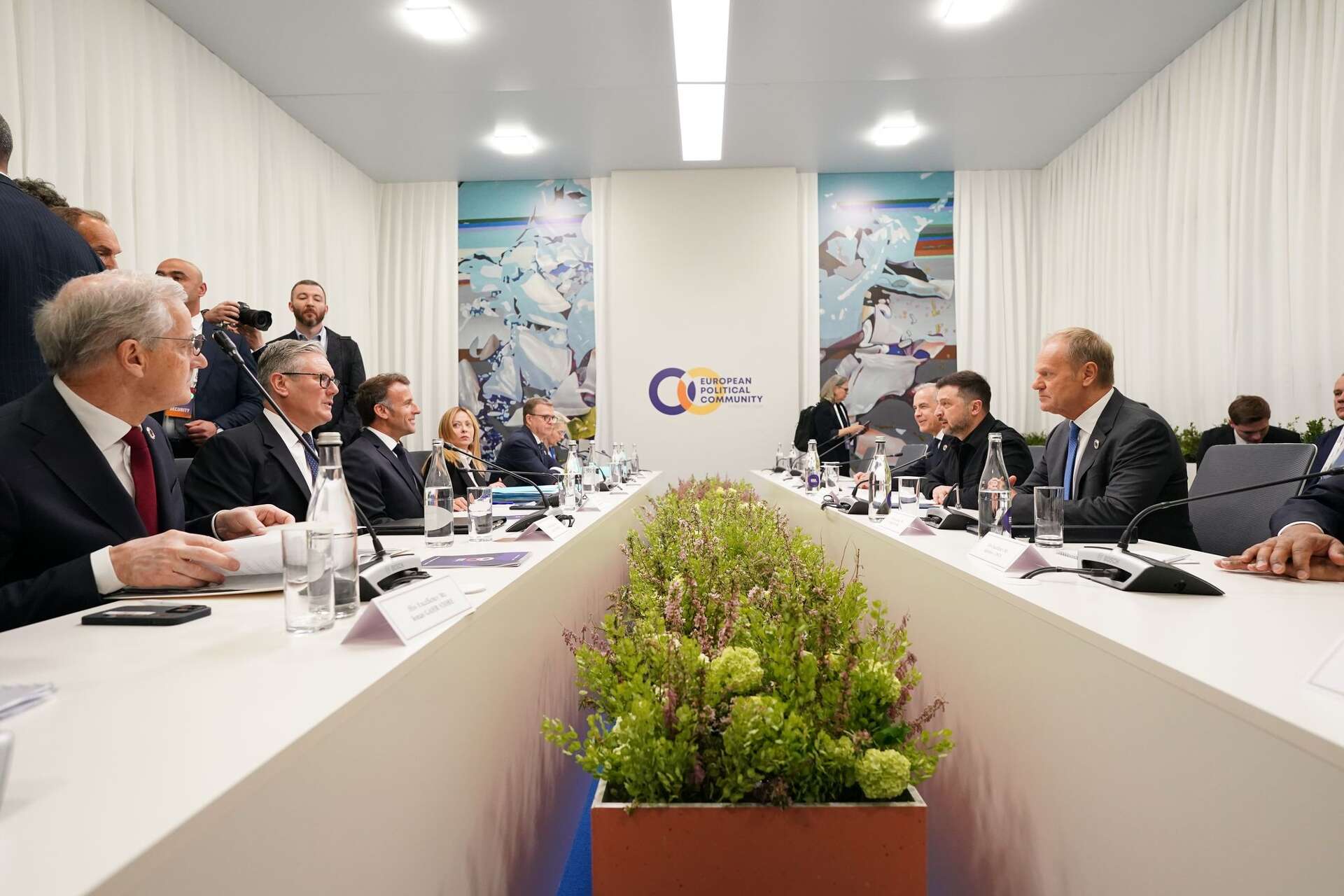
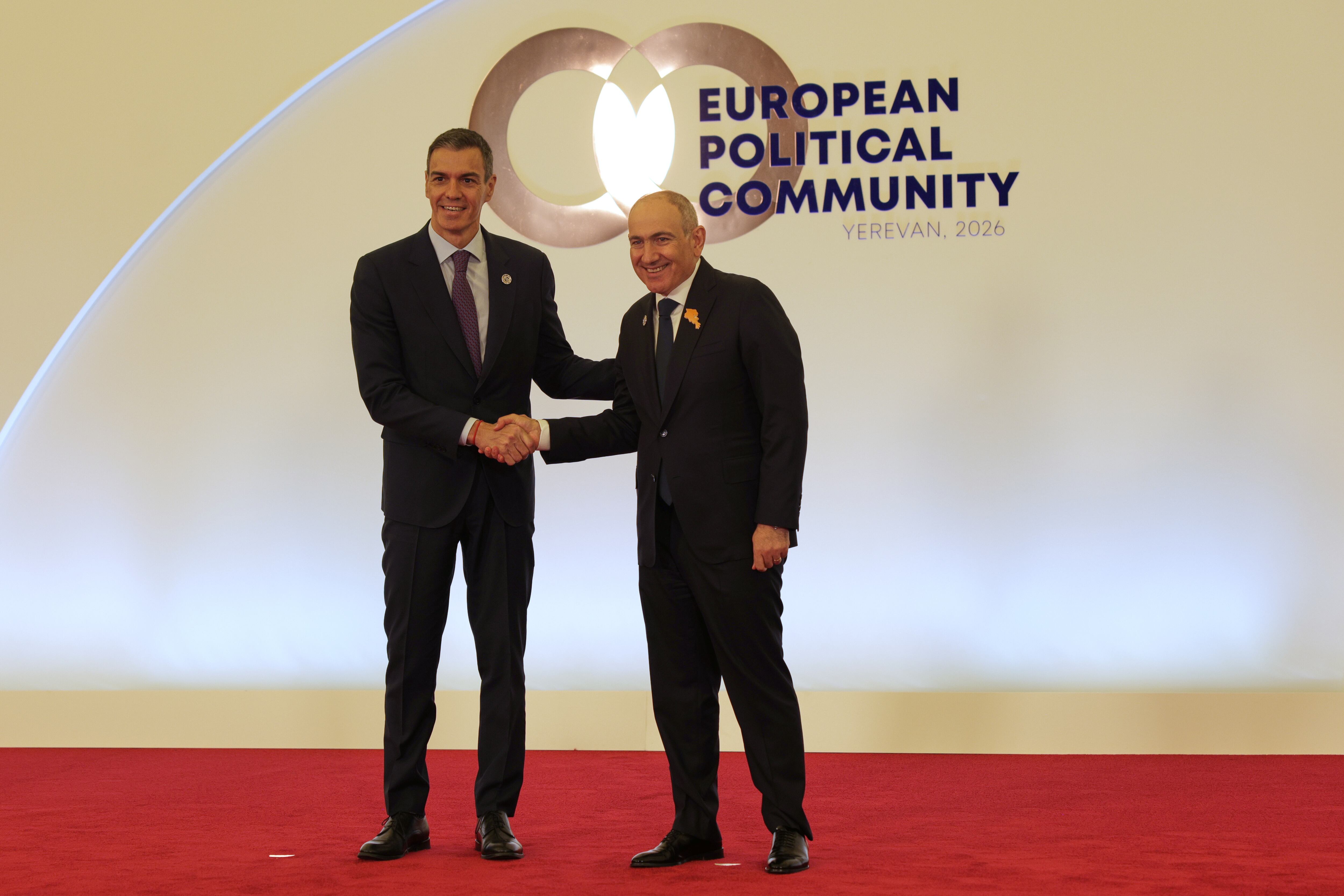
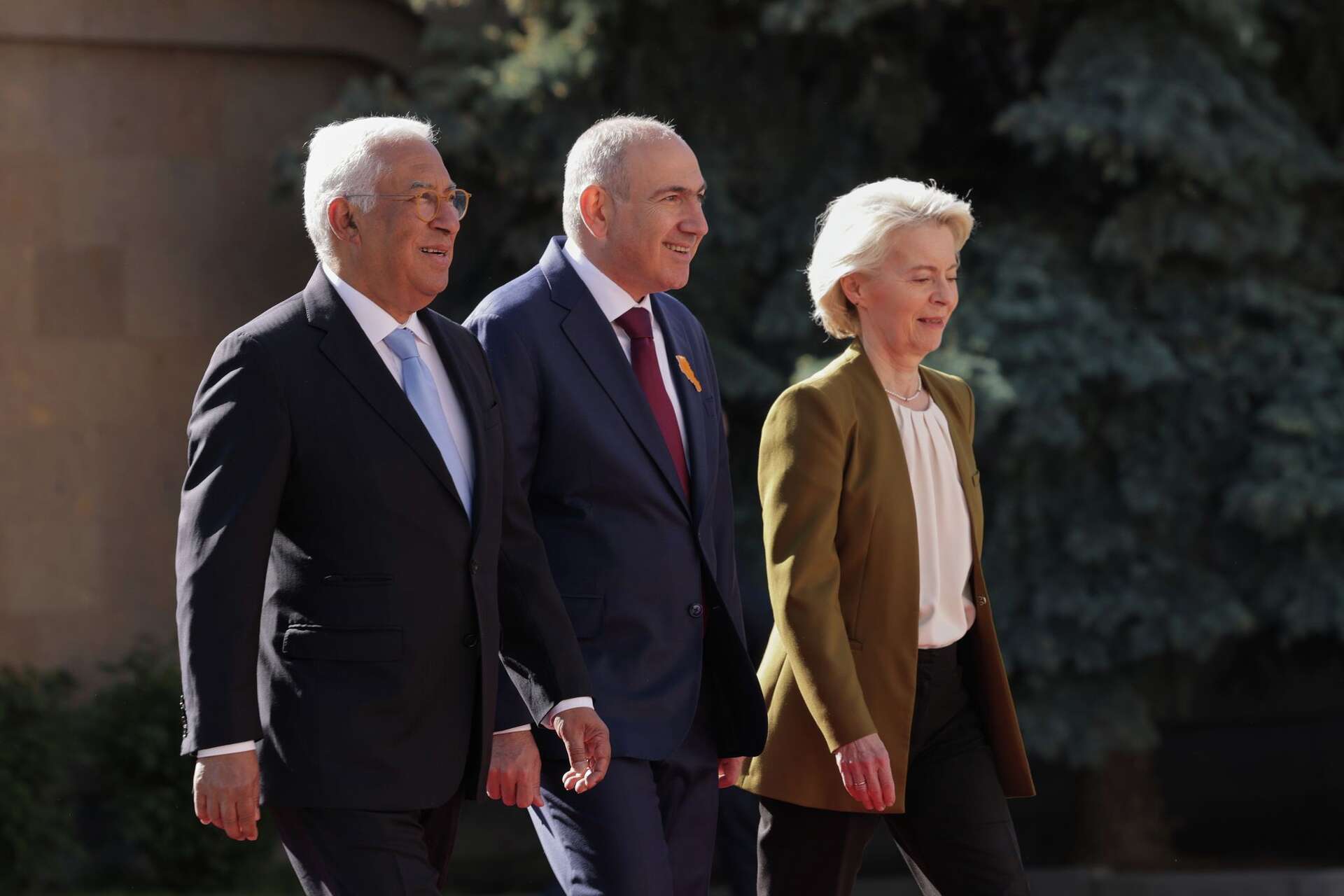
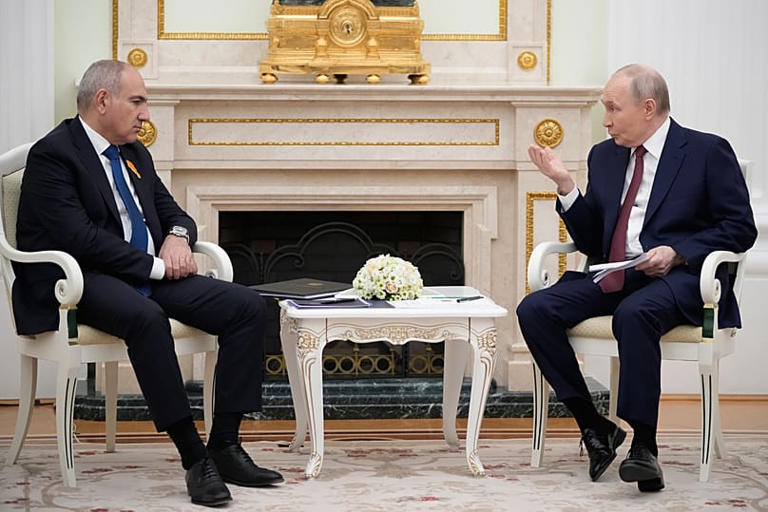
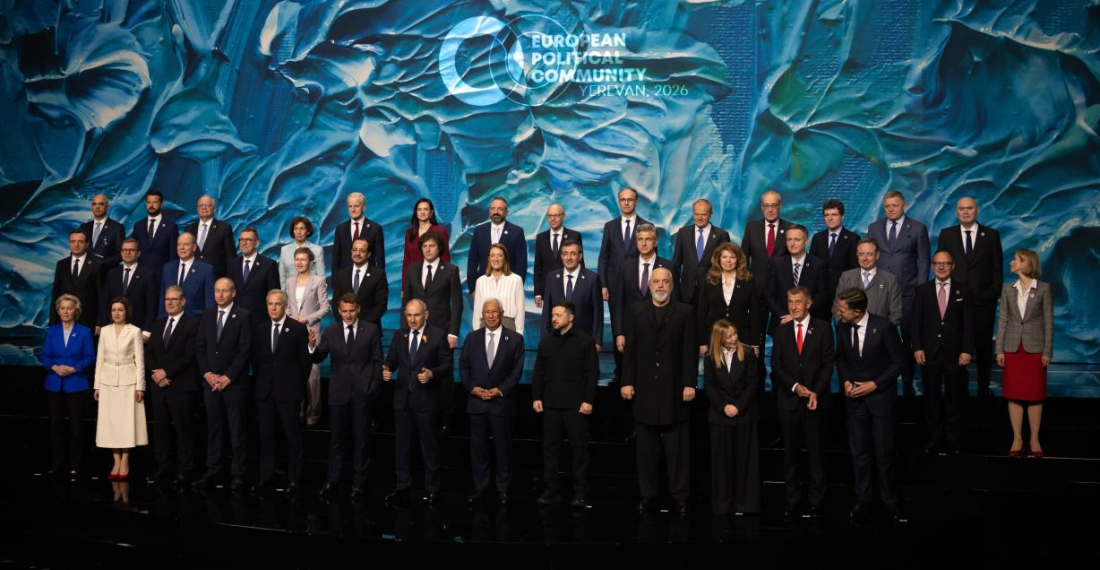
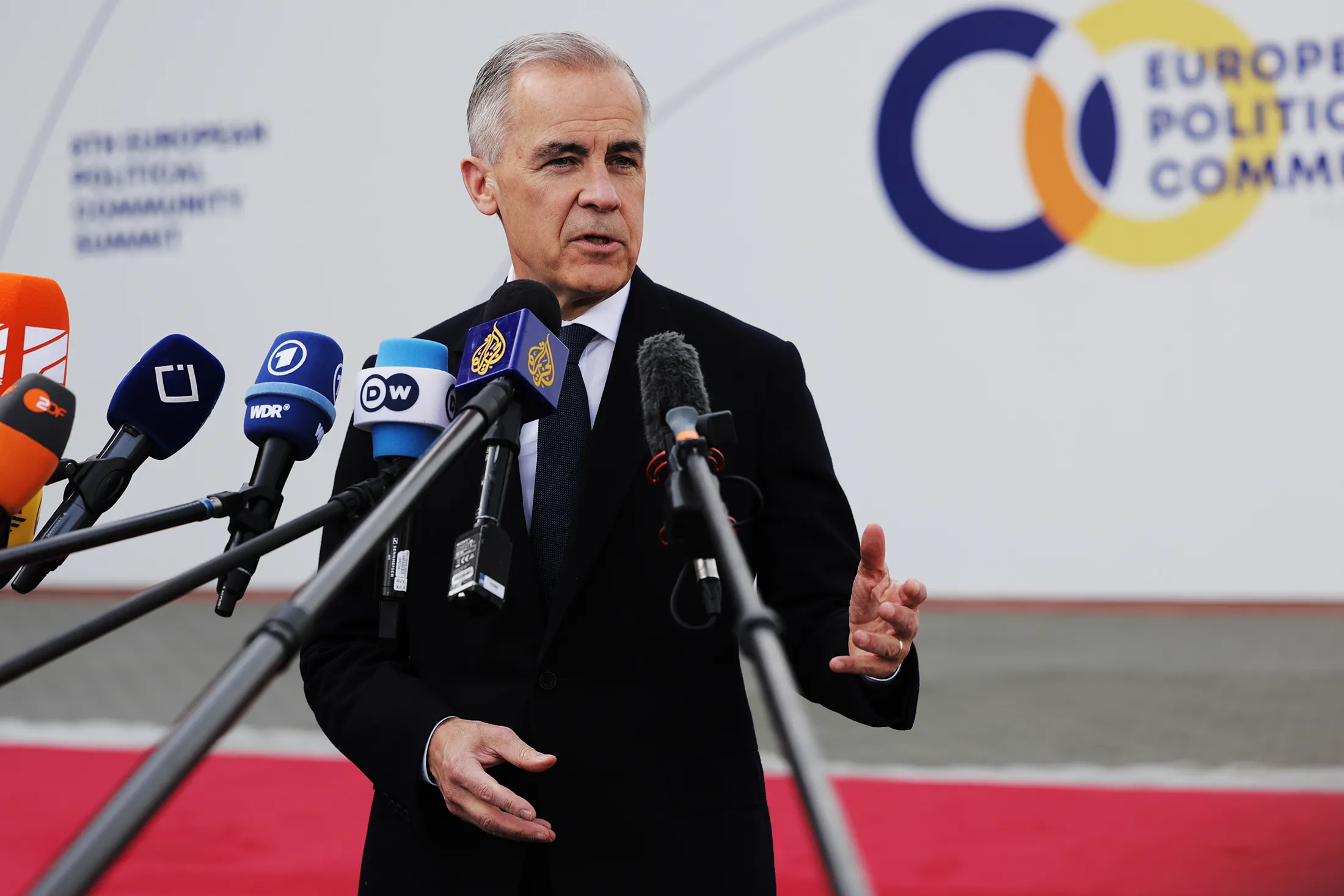
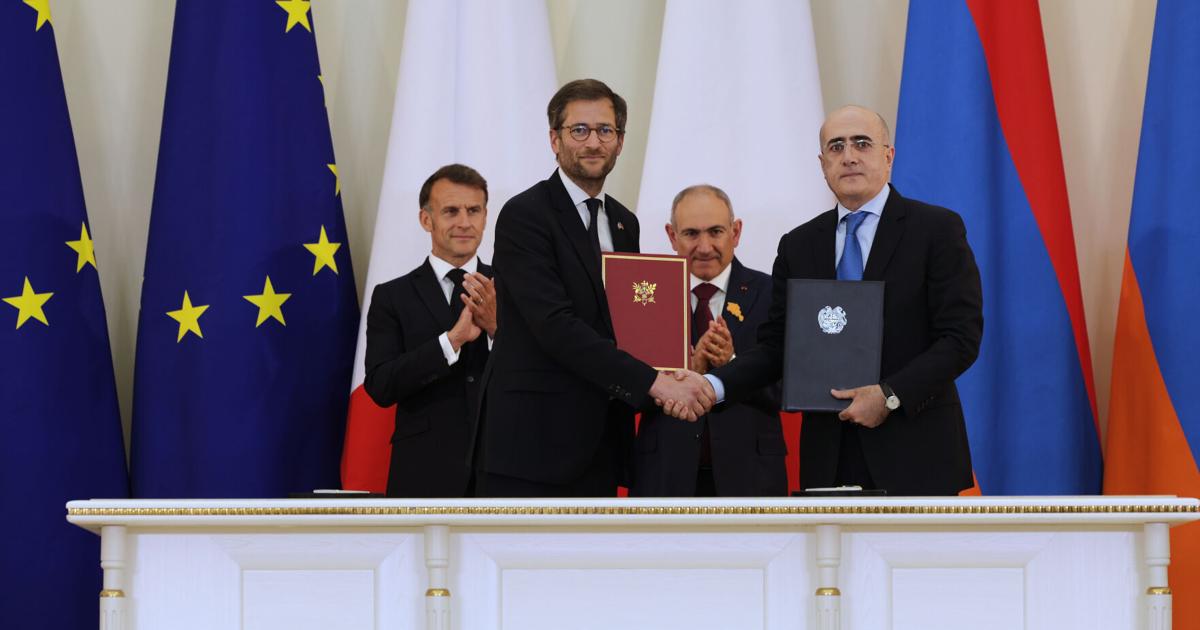
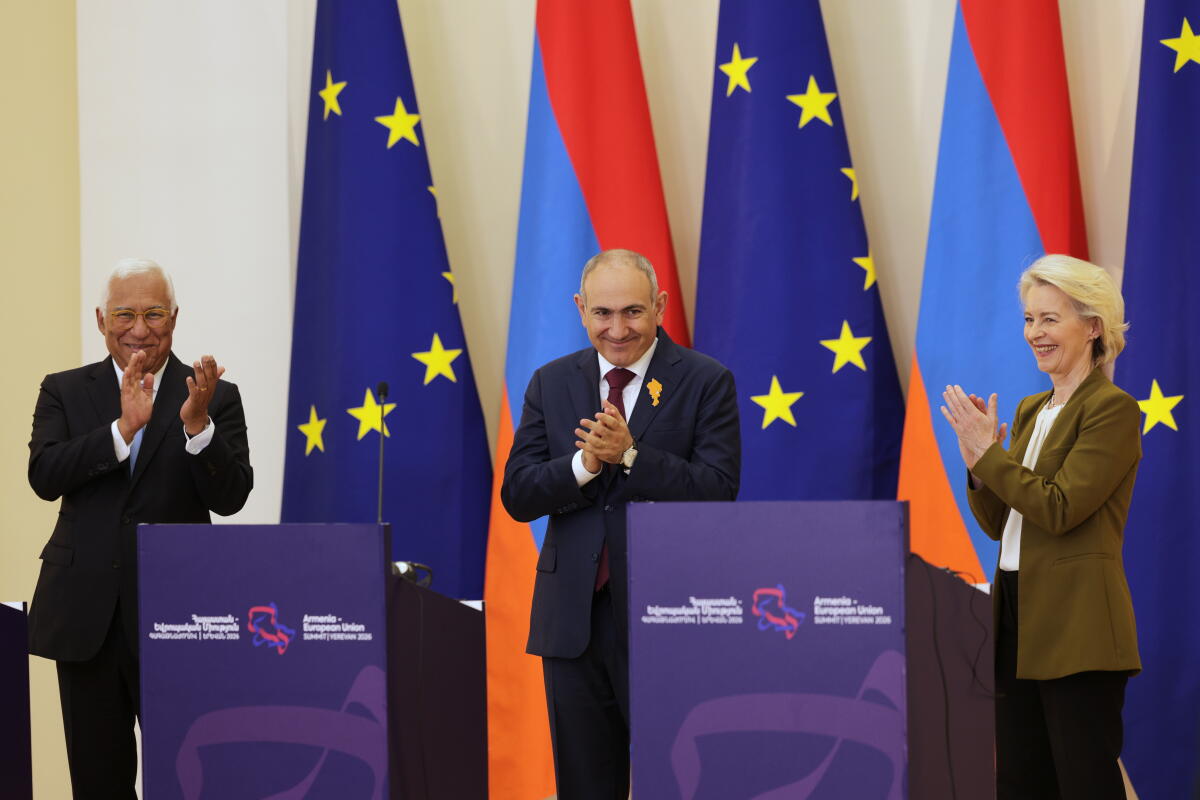
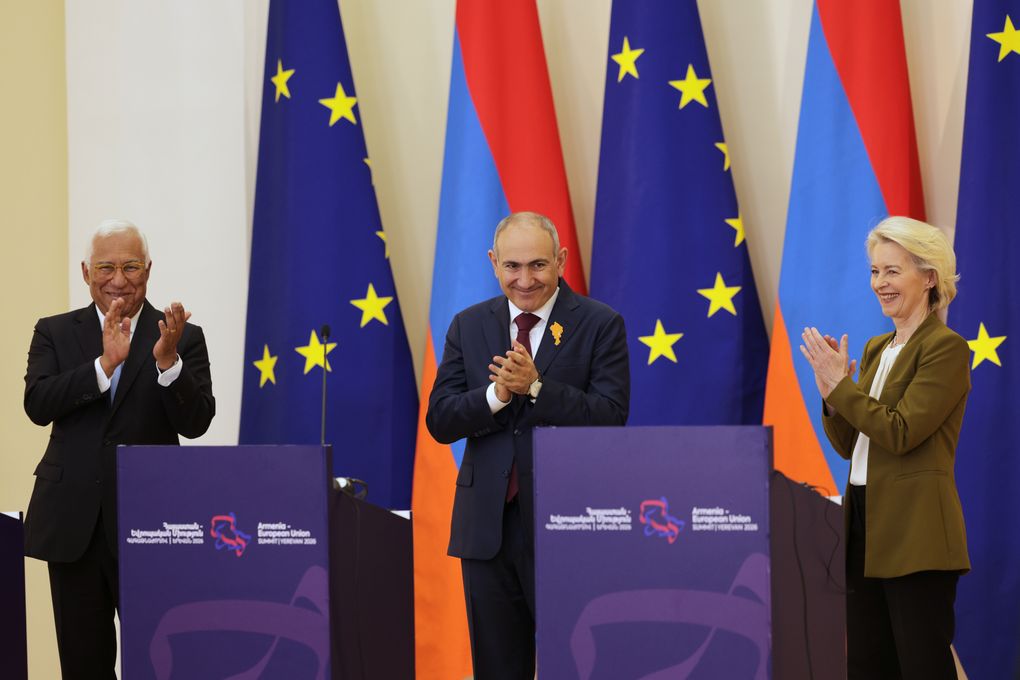
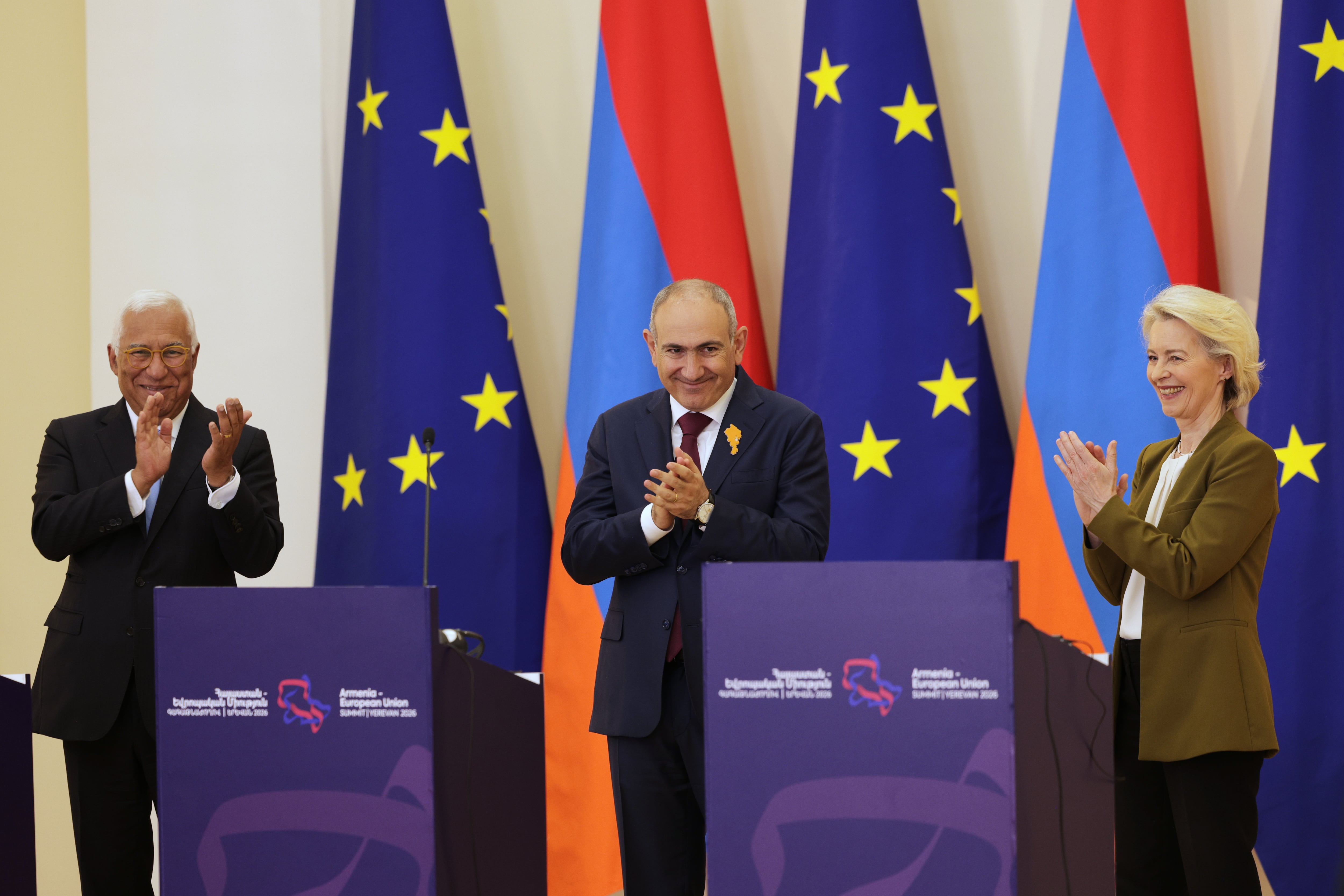
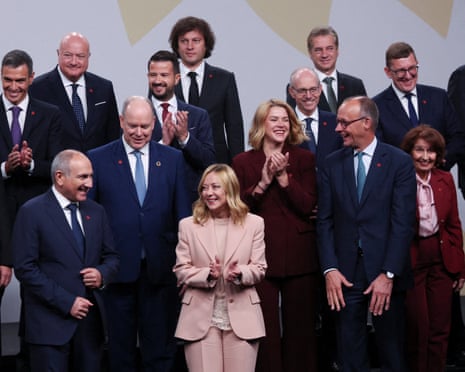
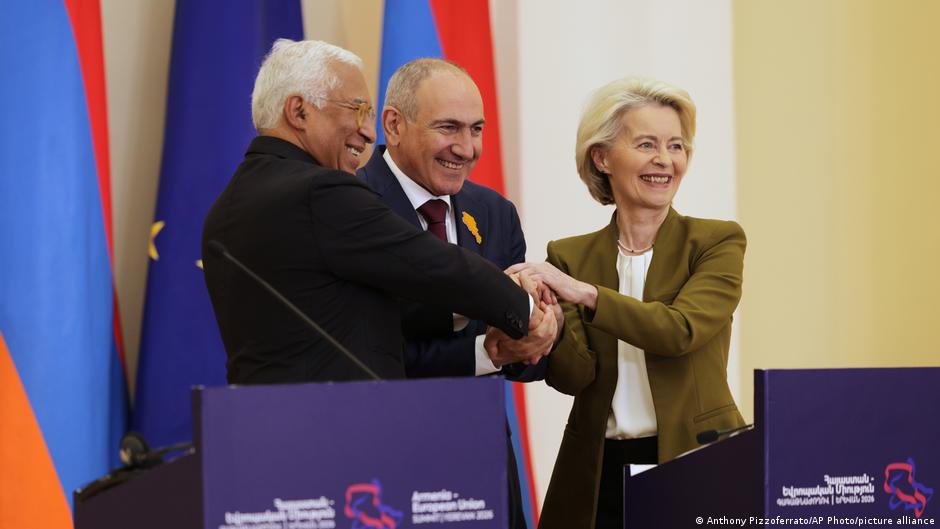
Armenia's historic May 5, 2026 EU summit represents a critical geopolitical realignment that directly impacts cross-border e-commerce logistics, tariff structures, and market access across the Caucasus region. The EU's €2.5 billion ($2.9 billion) Global Gateway investment in transportation, energy, and digital infrastructure signals Armenia's transformation into a regional trade hub—fundamentally reshaping supply chain routes and tariff corridors for sellers operating between Europe and Asia. This pivot away from Russian economic dependence creates immediate opportunities for sellers to establish new sourcing channels, reduce logistics costs through improved infrastructure, and access previously restricted markets.
Tariff Arbitrage and Market Access Expansion: Armenia's EU integration directly impacts HS code classifications and tariff rates for goods transiting the Caucasus corridor. The €2.5 billion infrastructure investment specifically targets transportation links across the Black Sea and digital connectivity to European markets, reducing customs clearance times and logistics costs for sellers shipping electronics, machinery, and consumer goods through Armenia. Sellers currently routing inventory through Russia-dependent channels face 15-25% cost increases due to sanctions and infrastructure degradation; Armenia's EU-aligned infrastructure offers 8-12% cost savings through improved customs procedures and reduced border delays. The digital market connectivity commitment signals EU regulatory harmonization—sellers can expect simplified VAT compliance, streamlined customs documentation, and potential tariff reductions on technology products (HS codes 8471-8517) entering EU markets via Armenian corridors.
Competitive Positioning and Sourcing Shifts: Armenia's strategic ambiguity—maintaining EEU membership while pursuing EU integration—creates a unique arbitrage opportunity. Sellers can leverage below-market Russian natural gas prices (continuing through EEU membership) for manufacturing cost advantages while accessing EU markets through improved Armenian logistics infrastructure. This dual positioning makes Armenia attractive for sellers sourcing from Asia targeting European markets, particularly in energy-intensive categories like electronics, machinery, and chemicals. The June 2026 parliamentary elections add political urgency; Pashinyan's government will likely accelerate infrastructure projects and trade facilitation measures to demonstrate economic progress, creating a 6-12 month window for sellers to establish operations before potential policy shifts.
Digital Market Integration and E-Commerce Platform Expansion: Von der Leyen's specific commitment to "connect your booming digital scene to Europe's digital market" signals EU support for Armenian digital commerce infrastructure. This indicates potential regulatory alignment with EU e-commerce directives, reduced cross-border payment friction, and possible preferential treatment for Armenian-based digital sellers accessing European marketplaces. Sellers can expect improved payment processing, reduced transaction fees for Armenia-EU corridors, and potential exemptions from certain digital services taxes as Armenia harmonizes with EU standards. The infrastructure timeline (2026-2030 typical for Global Gateway projects) creates a 4-year window for early-mover advantage before competitive saturation.
Questions 7
What are the risks if Armenia reverses its EU pivot or maintains EEU membership indefinitely?
Armenia's strategic ambiguity creates execution risk. If parliamentary elections (June 2026) produce a government favoring Russian alignment, EU infrastructure investments could stall, eliminating tariff advantages and logistics improvements. Conversely, if Armenia fully exits EEU membership to pursue EU accession, sellers lose access to below-market Russian natural gas pricing (5-8% cost advantage). The Azerbaijan-Armenia tensions also pose supply chain disruption risks; if regional conflict escalates, Armenian logistics corridors could face sanctions or closure. Sellers should diversify supply chain routes, avoid over-committing to Armenian sourcing before June 2026 elections clarify political direction, and maintain contingency logistics partnerships in Georgia and Turkey. Monitor EU-Armenia trade agreement finalization (expected 2027) before making major capital investments in Armenian operations.
Which product categories benefit most from Armenia's new EU trade hub status?
Electronics (HS 8471-8517), machinery (HS 8401-8483), chemicals (HS 2701-2930), and digital services see the highest tariff reduction potential through Armenia's EU infrastructure investment. The EU's specific commitment to energy production and Black Sea links benefits sellers in energy-related equipment, renewable technology, and industrial machinery. Digital goods and services gain from the 'booming digital scene' connectivity commitment, signaling reduced regulatory barriers for software, digital content, and e-commerce platforms. Sellers in apparel, consumer goods, and food products face moderate benefits (5-8% tariff reduction) compared to industrial categories (12-18% reduction). Prioritize inventory allocation toward electronics and machinery categories for Armenian sourcing by Q2 2026.