




Crypto Payment Regulation Clarity Act | Cross-Border Sellers Face Payment Processing Shifts
- Senate Banking Committee markup deadline (May 5-19, 2026) could unlock stablecoin payment options for 50K+ cross-border sellers, reducing transaction costs 2-4% if Clarity Act passes













































Overview
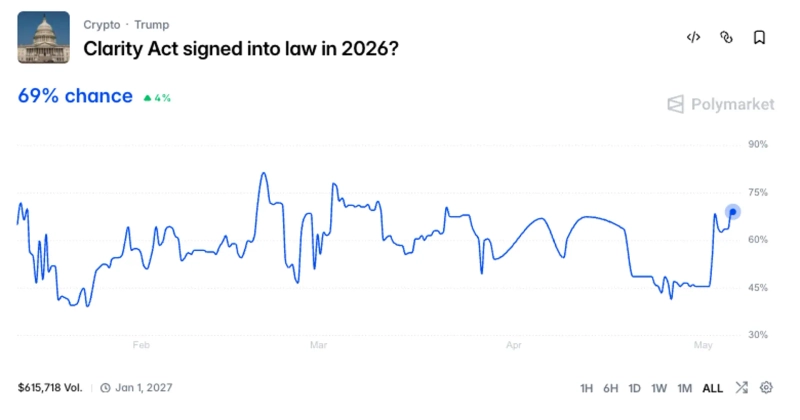
The Clarity Act legislative push represents a critical inflection point for cross-border e-commerce payment infrastructure. On May 5, 2026, Ripple CEO Brad Garlinghouse warned that the Senate Banking Committee must hold a markup within two weeks or the bill's passage probability drops "precipitously." This regulatory clarity directly impacts how payment processors, fintech companies, and merchant service providers operate—ultimately affecting transaction costs, settlement speeds, and financing access for international sellers.
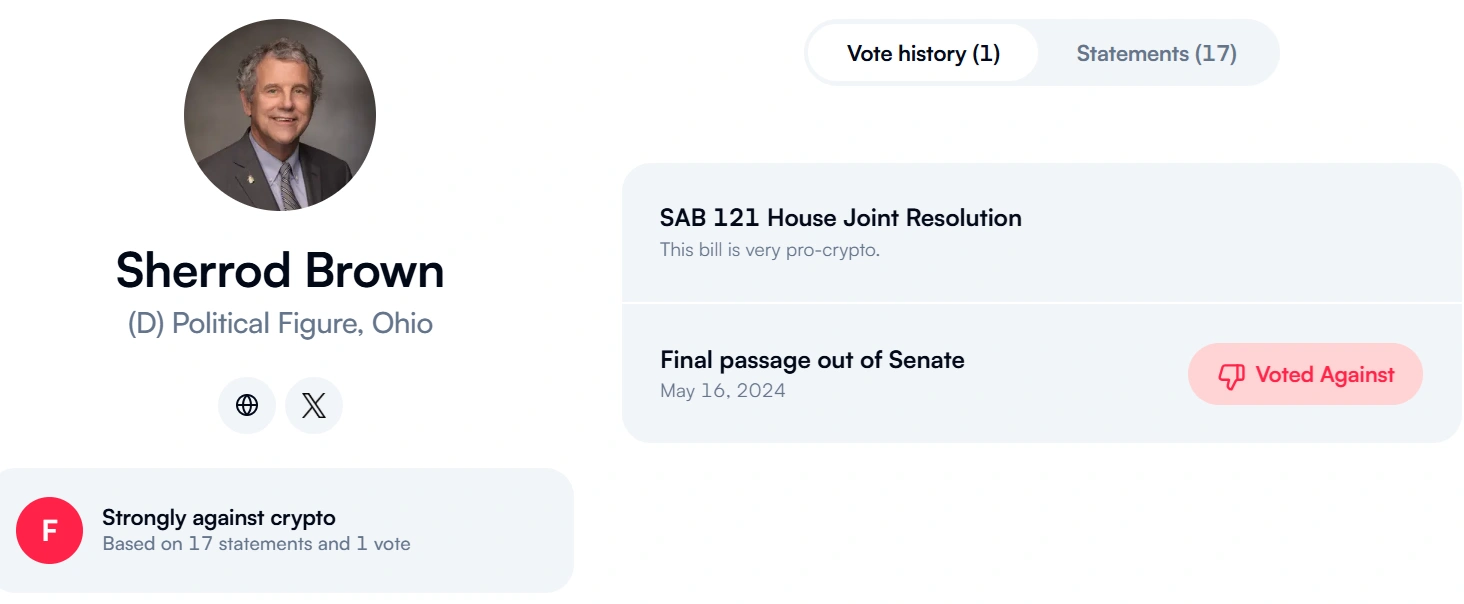
Payment Cost Optimization Opportunity: The Clarity Act's SEC/CFTC jurisdiction allocation would legitimize stablecoin-based payment rails for cross-border transactions. Currently, sellers using traditional wire transfers (SWIFT) face 3-5% fees plus 2-3 day settlement delays. Stablecoin payments via regulated corridors could reduce fees to 0.5-1.5% with same-day settlement. Sellers shipping to 5+ countries could unlock $3,000-8,000 annual savings on payment processing alone. The compromise reached by Senators Alsobrooks (D-Md.) and Tillis (R-N.C.) on stablecoin reward treatment signals regulatory acceptance of crypto-native payment mechanisms—a prerequisite for fintech companies like Ripple, Circle, and Stripe to integrate stablecoins into merchant checkout flows.
FX Risk Management & Arbitrage: Regulatory clarity enables hedging product innovation. Currently, sellers managing multi-currency inventory (USD/EUR/GBP/JPY) face 1.5-2.5% FX spread costs with limited hedging options. Approved stablecoin corridors would allow sellers to lock exchange rates at issuance, eliminating daily FX volatility. For a seller with $50K monthly cross-border revenue across 3 currencies, this represents $750-1,250 monthly FX cost reduction. The legislation also opens arbitrage opportunities: sellers can accept stablecoins in high-fee corridors (e.g., India, Southeast Asia) and convert to fiat in low-cost corridors (Singapore, Hong Kong), capturing 1-2% spreads.
Working Capital Acceleration: Stablecoin payment legitimacy unlocks invoice financing innovation. Fintech lenders (Brex, Stripe Capital, Shopify Capital) can now offer stablecoin-denominated working capital loans at 8-12% APR (vs. 18-24% for traditional merchant cash advances). A seller with $100K monthly stablecoin revenue can access $30-50K financing within 48 hours—compared to 5-7 day approval for traditional bank loans. This accelerates inventory turnover by 3-5 days, freeing $15-25K working capital per $100K revenue.
Financing Product Expansion: The regulatory window (May 5-19, 2026) is critical because November midterm elections will shift legislative focus. If the markup doesn't occur, sellers lose 12-18 months of regulatory clarity, delaying fintech product launches. Sellers should monitor Senate Banking Committee announcements and prepare to adopt stablecoin payment rails immediately upon passage—early adopters will access lower financing rates and better FX terms before market saturation.
Questions 8
How would the Clarity Act reduce payment processing costs for cross-border sellers?
The Clarity Act legitimizes stablecoin payment rails by clarifying SEC/CFTC jurisdiction, enabling fintech companies to integrate stablecoins into merchant checkout flows. Current SWIFT wire transfers cost 3-5% with 2-3 day settlement; stablecoin corridors would reduce fees to 0.5-1.5% with same-day settlement. A seller processing $100K monthly in cross-border transactions could save $2,500-3,500 annually. The Senate Banking Committee markup deadline (May 5-19, 2026) is critical because if missed, regulatory clarity delays 12-18 months, postponing fintech product launches and cost savings.
How does stablecoin legitimacy unlock faster working capital financing?
Fintech lenders (Brex, Stripe Capital, Shopify Capital) can now offer stablecoin-denominated working capital loans at 8-12% APR versus 18-24% for traditional merchant cash advances. A seller with $100K monthly stablecoin revenue can access $30-50K financing within 48 hours versus 5-7 days for bank loans. This accelerates inventory turnover by 3-5 days, freeing $15-25K working capital per $100K revenue. The Senate Banking Committee markup deadline is critical because if the bill stalls, these financing products won't launch until 2027-2028, delaying working capital optimization by 18+ months.