


Nintendo Switch 2 Pokemon Pokopia Bundle | ANZ Launch Signals Global Expansion Opportunity for Gaming Sellers
- June 5, 2026 ANZ release creates $500+ bundle demand spike; regional exclusivity opens gray-market arbitrage and accessory upsell opportunities for cross-border sellers





Overview
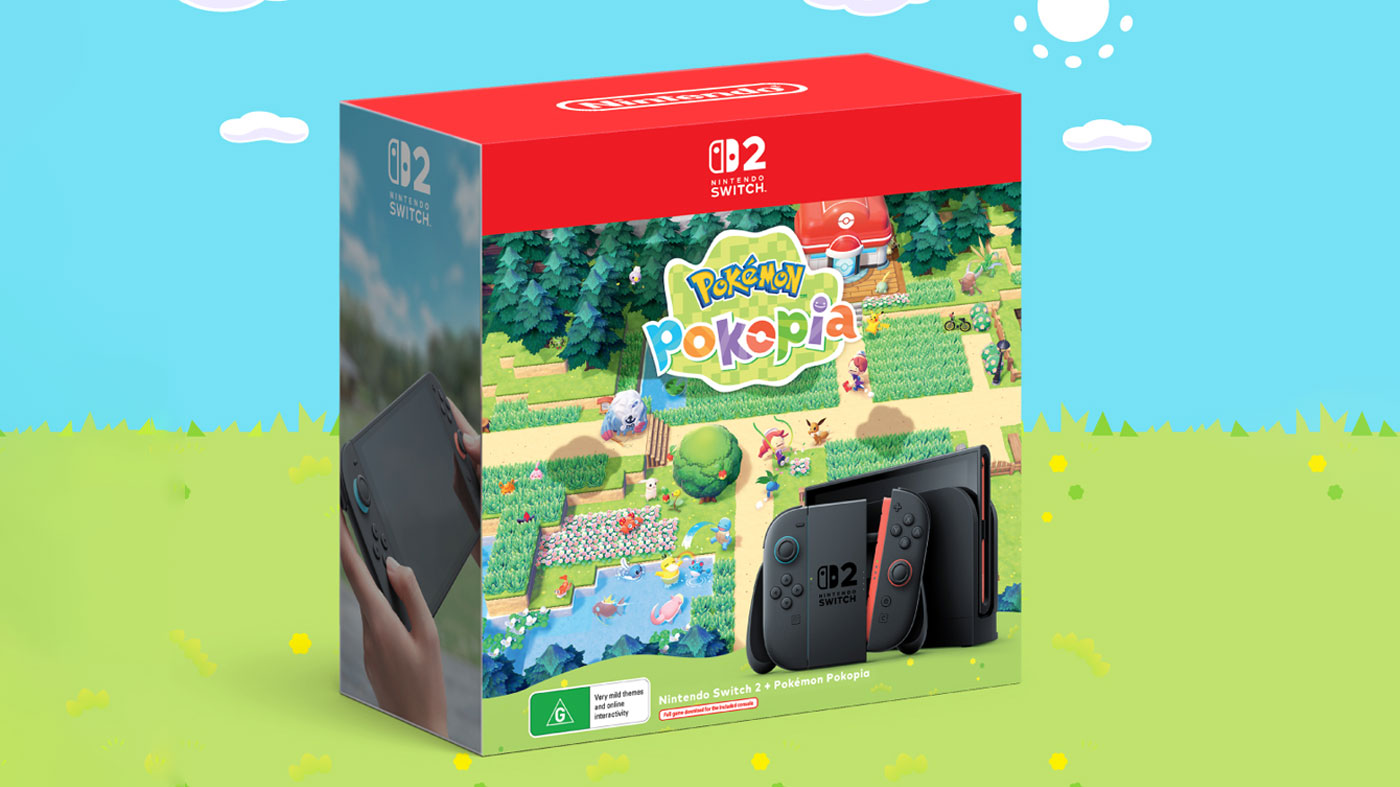
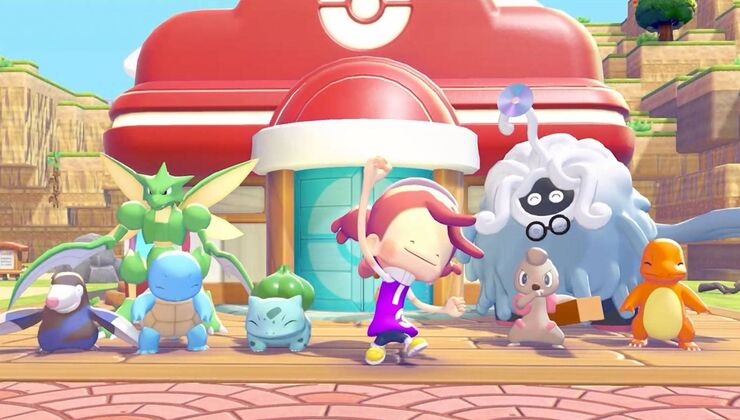
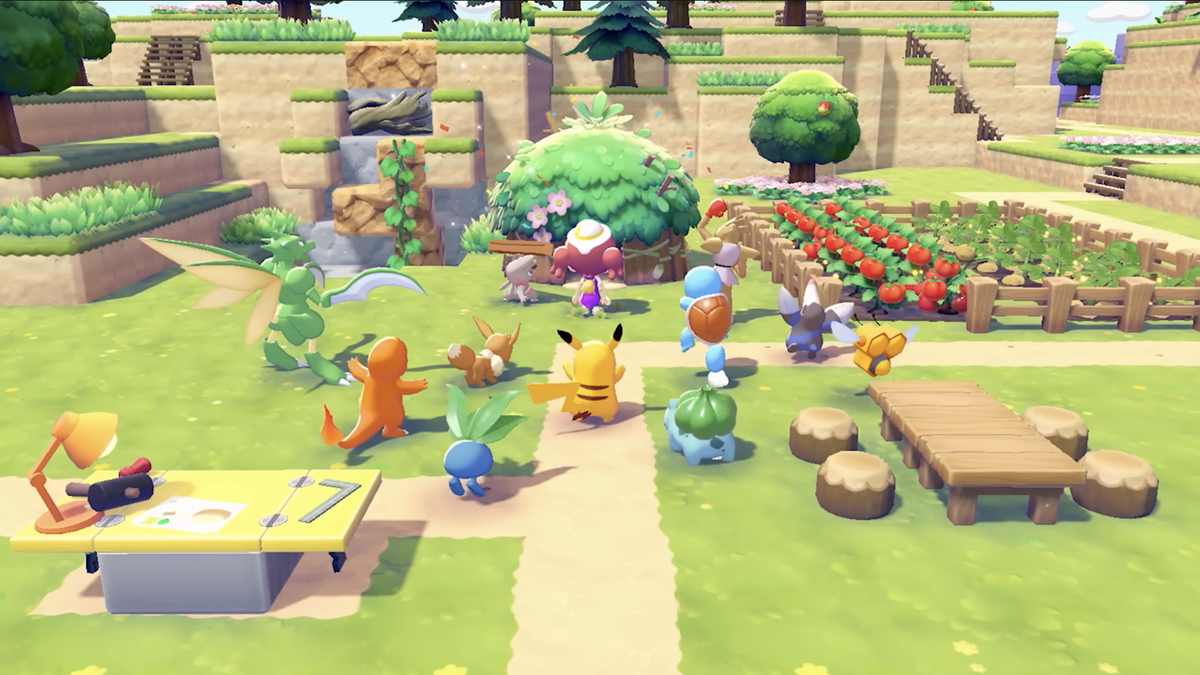
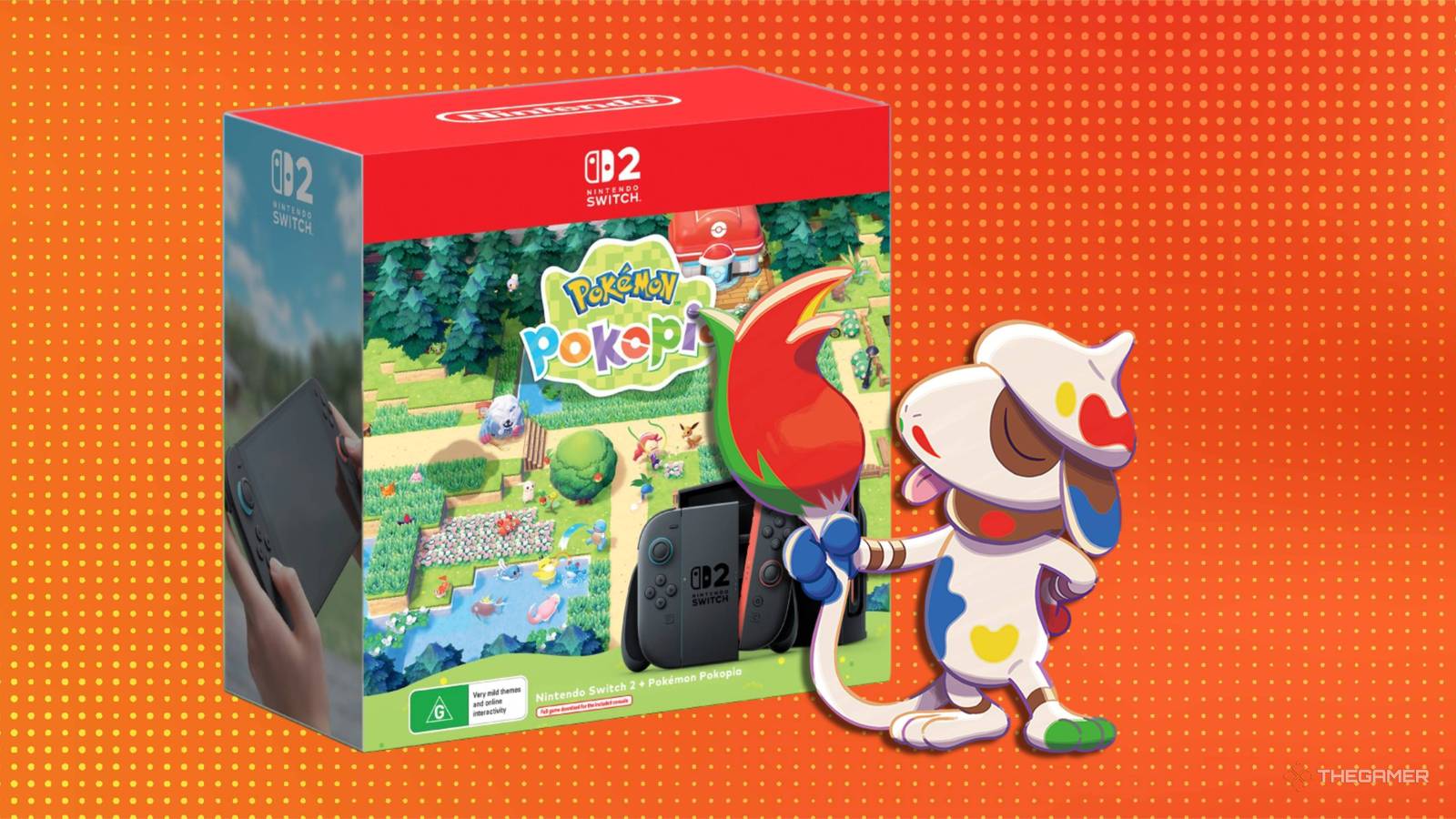
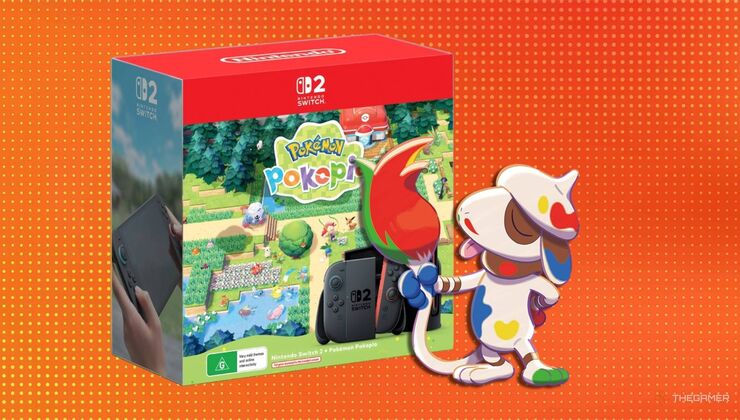
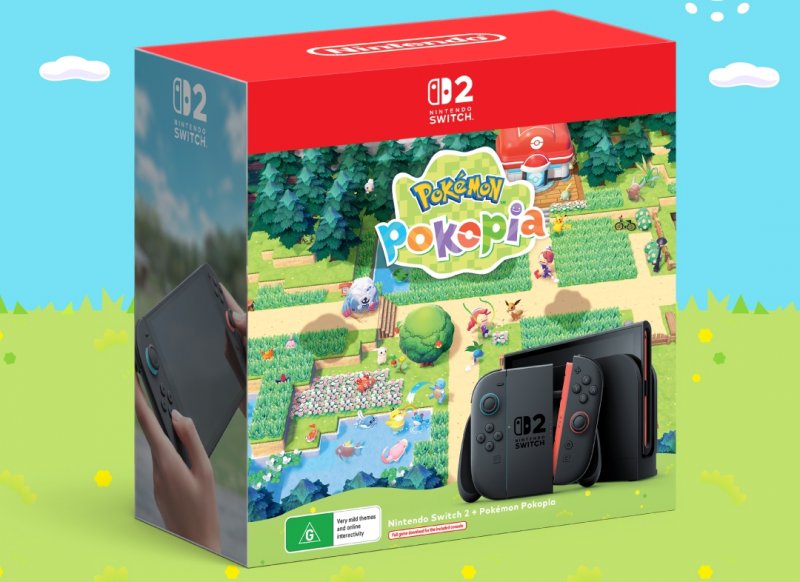
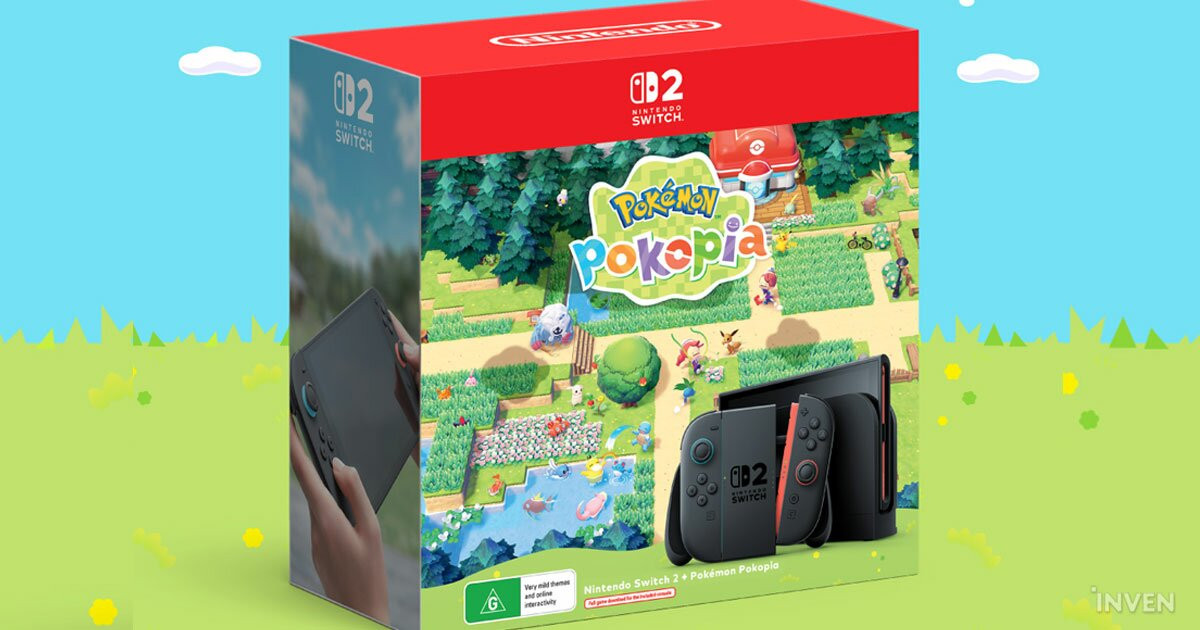
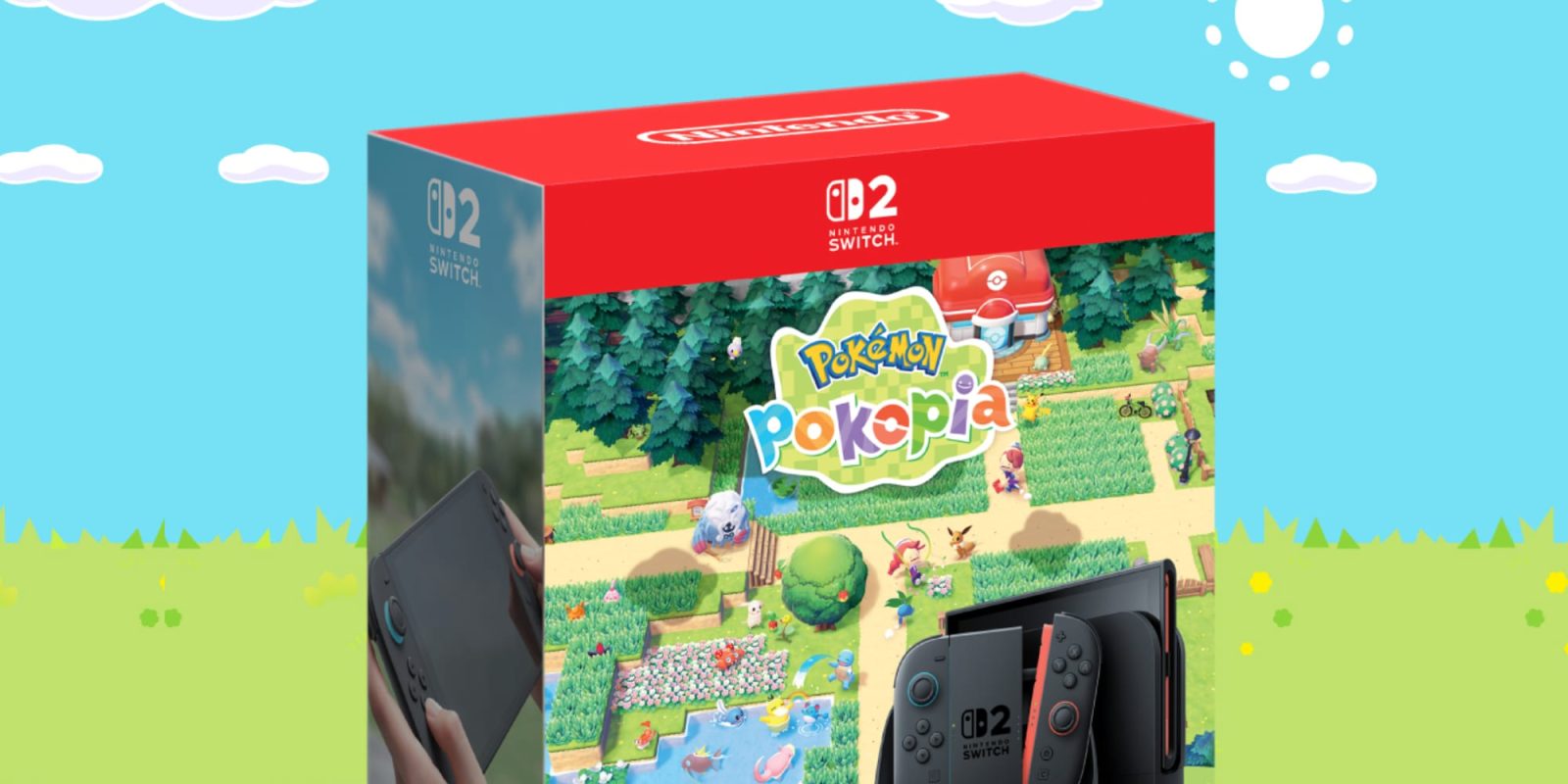
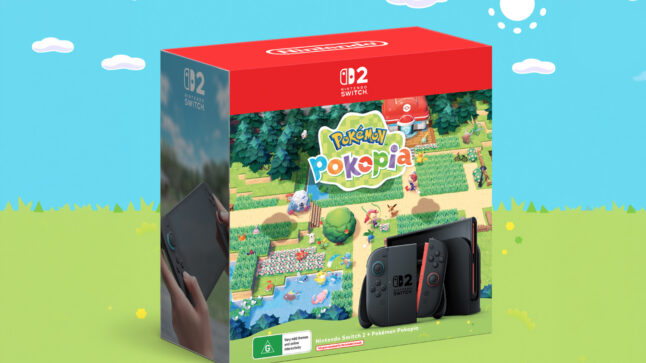
Nintendo's announcement of the Pokemon Pokopia Nintendo Switch 2 bundle for Australia and New Zealand (launching June 5, 2026) represents a critical market signal for gaming e-commerce sellers. This is Nintendo's third major Switch 2 bundle offering, following the Mario Kart World bundle at launch and the Pokemon Legends: Z-A bundle (late 2025), indicating an accelerating bundling strategy to drive hardware adoption. The bundle includes a standard black Switch 2 console paired with a digital-only download of Pokemon Pokopia—a new Game Freak and Koei Tecmo title centered on the shapeshifting Pokemon Ditto—priced around $500 USD based on previous bundle pricing patterns.
For cross-border e-commerce sellers, this announcement creates three distinct revenue opportunities. First, the regional exclusivity to ANZ markets creates gray-market arbitrage potential for sellers in North America, Europe, and Asia seeking to import and resell limited bundles at premium markups—a pattern Nintendo's production-ended Mario Kart bundles have historically enabled. Second, the digital-only game distribution model signals reduced physical inventory complexity but increased demand for complementary hardware accessories: Pro Controllers, carrying cases, screen protectors, and additional game titles. Sellers tracking Nintendo Switch 2 accessories report that bundle purchasers typically spend an additional $80-150 on complementary products within 30 days of purchase. Third, the staggered global rollout strategy (no North American, European, or Asian bundle announcements yet) suggests future regional bundles are incoming, creating inventory planning windows for authorized retailers and marketplace sellers with access to official distribution channels.
The shift toward digital-only game bundling has significant supply chain implications. Unlike physical cartridge bundles, digital-only offerings reduce manufacturing and logistics costs while improving supply chain efficiency—but they eliminate the tangible merchandise appeal that drives collector premiums and reseller margins. This represents a departure from Nintendo's historical Pokemon-themed hardware strategy, where special edition console designs commanded 15-25% price premiums. The absence of a special edition Switch 2 design for Pokemon Pokopia—despite the franchise's proven console-selling power—suggests Nintendo is prioritizing production efficiency over collector appeal, potentially limiting reseller opportunities in the premium collectibles segment.
The Pokemon Pokopia-themed cosmetic content rollout (Switch Online icons featuring Squirtle, Pikachu, and other characters releasing in multiple waves) creates additional merchandising opportunities. Sellers can capitalize on Pokemon cosmetic demand through complementary product listings: themed controllers, skins, cases, and merchandise bundles. The multi-wave cosmetic release strategy indicates sustained consumer engagement through June 2026 and beyond, supporting extended marketing campaigns and seasonal inventory planning for Pokemon-adjacent products.
Questions 8
What is the Nintendo Switch 2 Pokemon Pokopia bundle and when does it launch?
Nintendo announced a Pokemon Pokopia Nintendo Switch 2 bundle launching June 5, 2026, exclusively in Australia and New Zealand. The bundle includes a standard black Switch 2 console with a full digital download of Pokemon Pokopia, a new Game Freak and Koei Tecmo title centered on the shapeshifting Pokemon Ditto. This is Nintendo's third major Switch 2 bundle offering, following the Mario Kart World bundle at launch and the Pokemon Legends: Z-A bundle (late 2025). Previous Switch 2 bundles were priced around $500 USD, suggesting similar pricing for this offering. The digital-only game distribution model aligns with industry trends toward downloadable content, reducing manufacturing and logistics costs while improving supply chain efficiency.
What accessory and complementary product opportunities does the Pokemon Pokopia bundle create?
Bundle purchasers typically spend an additional $80-150 on complementary hardware accessories within 30 days of purchase, including Pro Controllers, carrying cases, screen protectors, and additional game titles. The Pokemon Pokopia-themed cosmetic content rollout (Switch Online icons featuring Squirtle, Pikachu, and other characters) creates additional merchandising opportunities for themed controllers, skins, cases, and merchandise bundles. Sellers tracking Nintendo Switch 2 accessories report increased demand from bundle purchasers seeking to enhance their gaming experience. The multi-wave cosmetic release strategy indicates sustained consumer engagement through June 2026 and beyond, supporting extended marketing campaigns and seasonal inventory planning for Pokemon-adjacent products.