



Travel Influencer Crisis Marketing | Cruise Disruption Reveals Influencer Partnership Risks for E-Commerce Sellers
- Hantavirus outbreak strands 150+ passengers, highlights vulnerability of influencer-dependent marketing campaigns and travel product supply chains



:focal(2100x1400:2101x1401)/https://tf-cmsv2-smithsonianmag-media.s3.amazonaws.com/filer_public/7d/16/7d16f9f8-0ec7-4fea-b772-ffd1b7f206e0/cruise-ship.jpg)










Overview
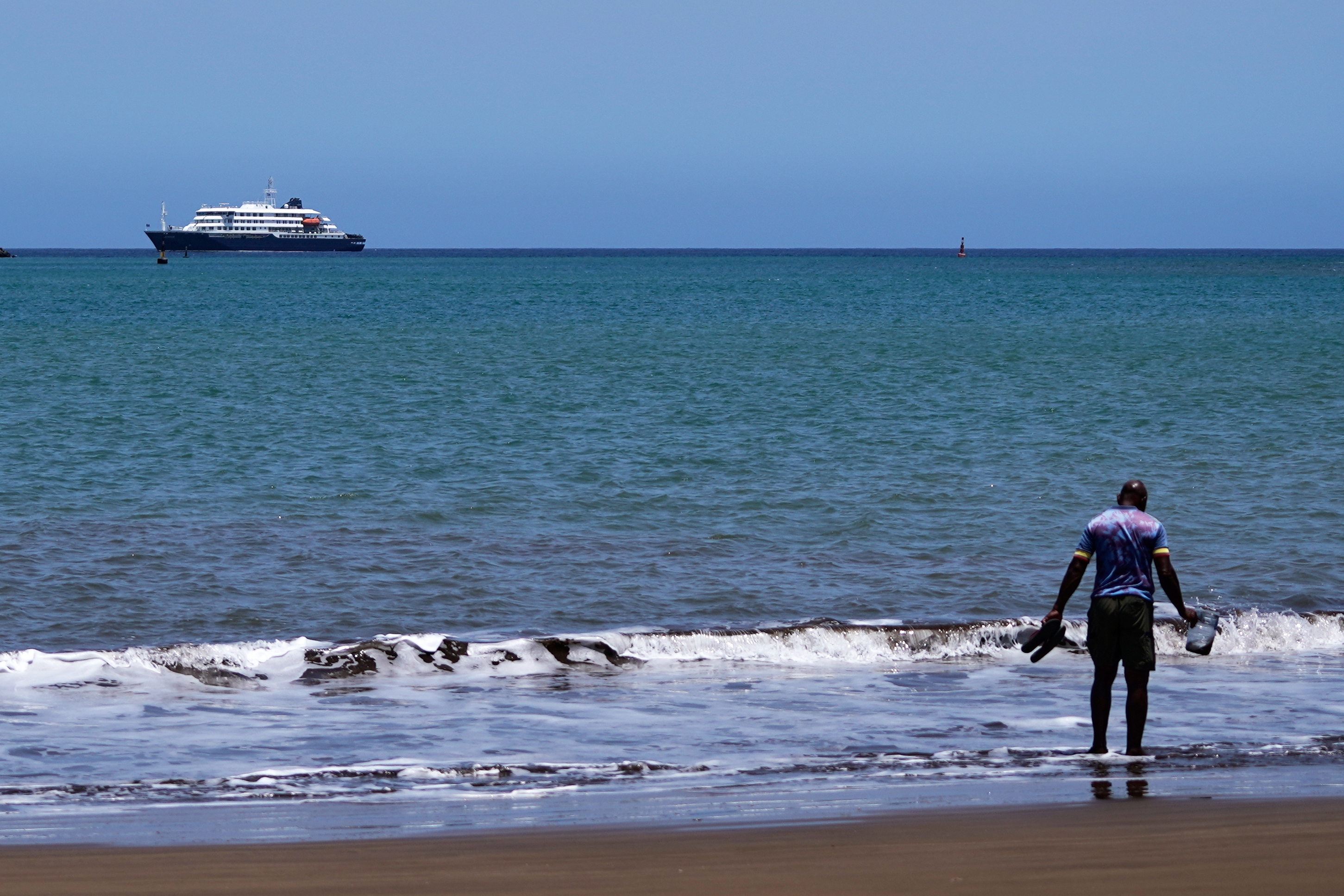
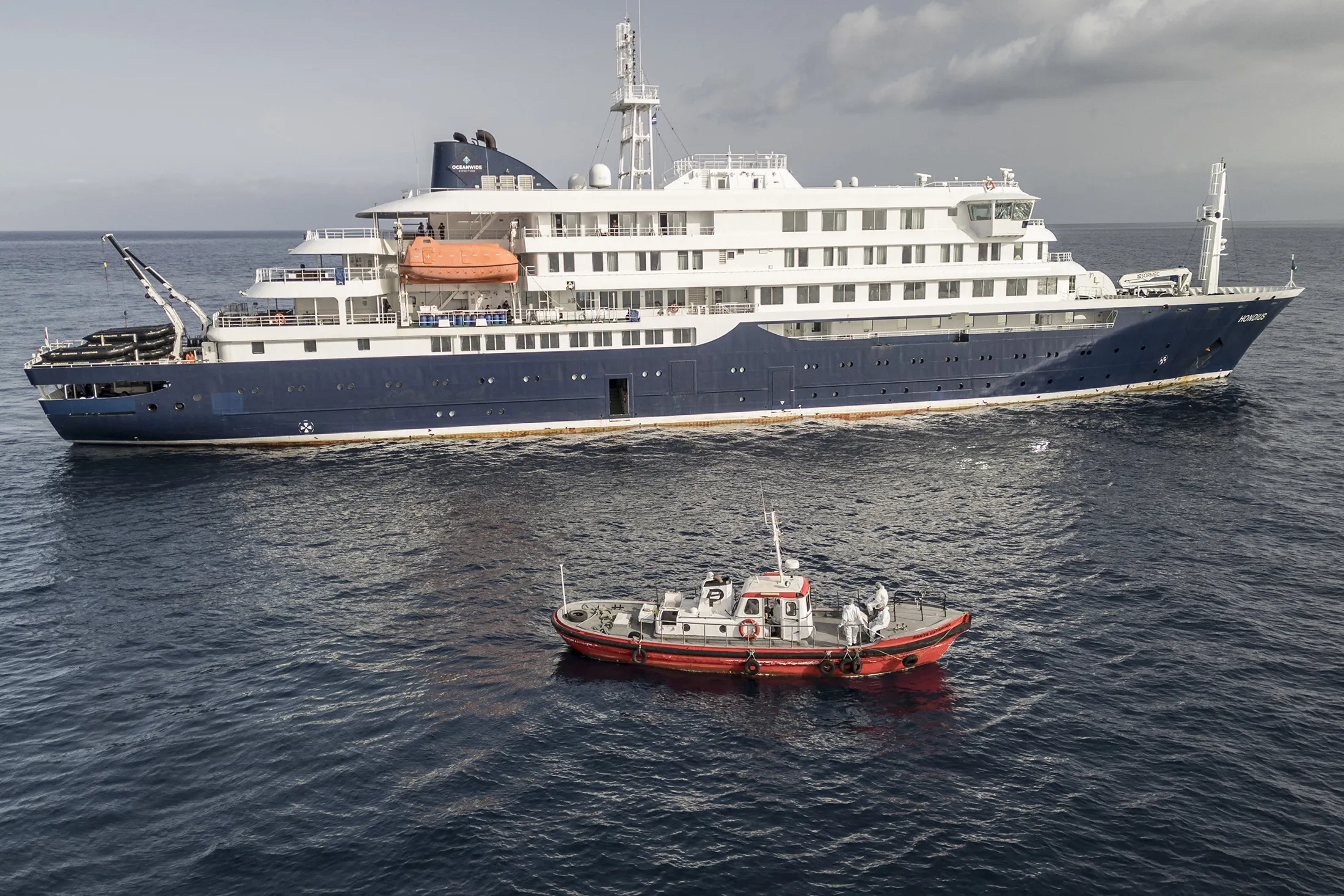
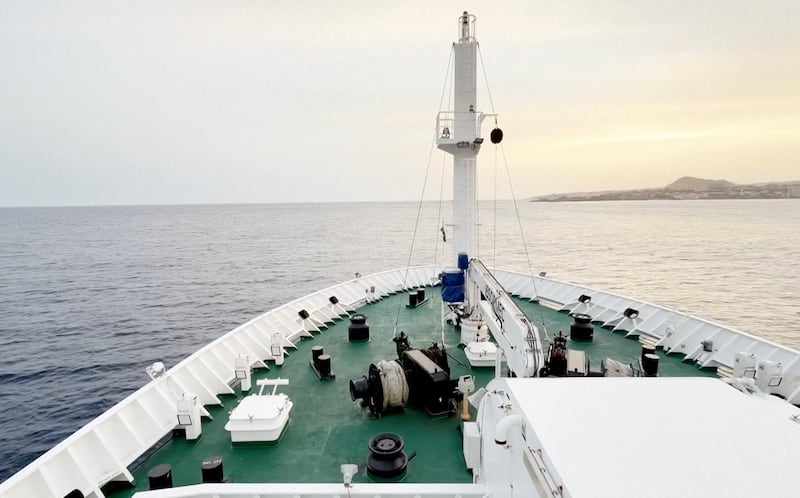
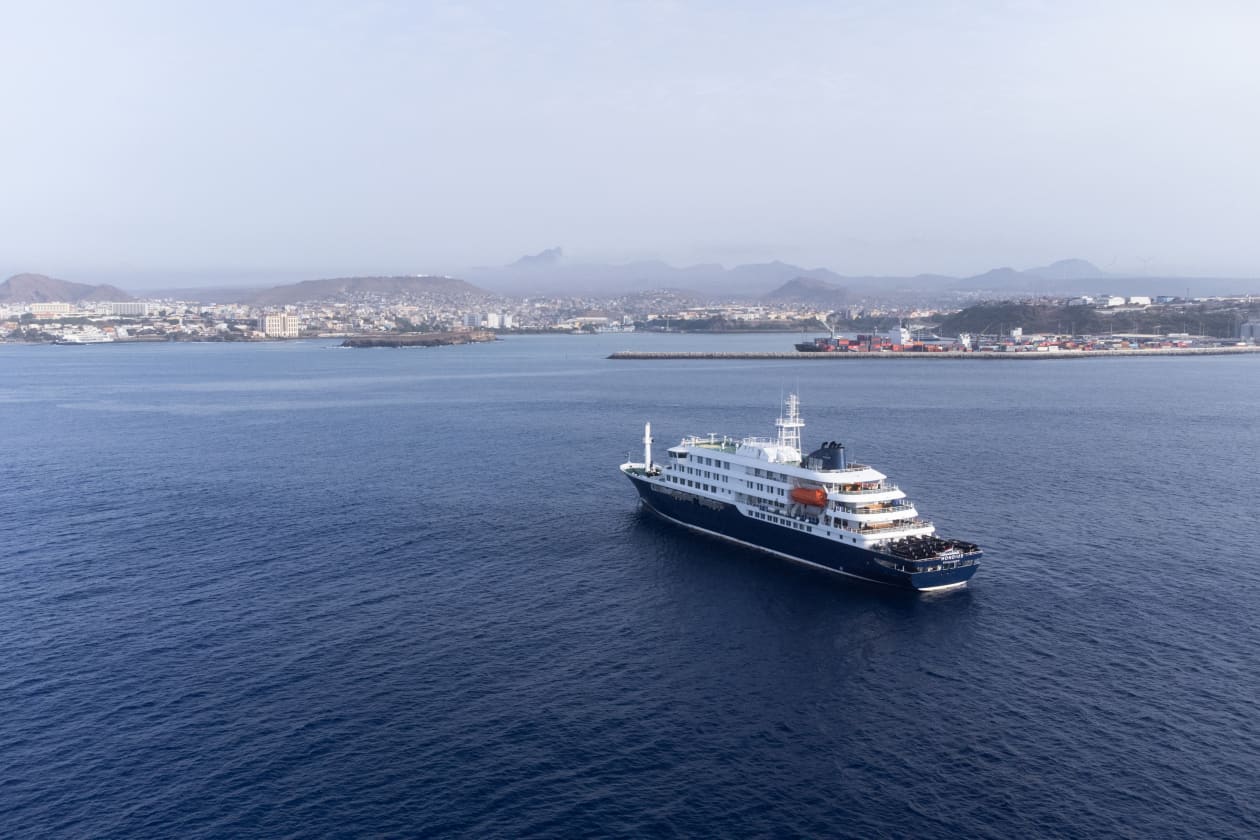
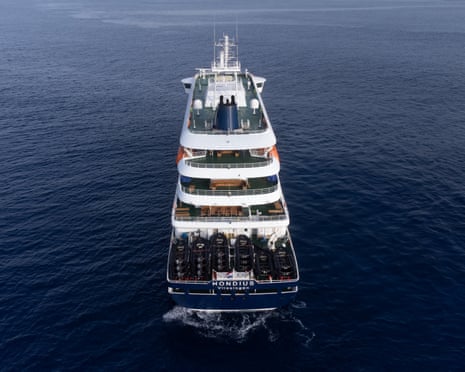
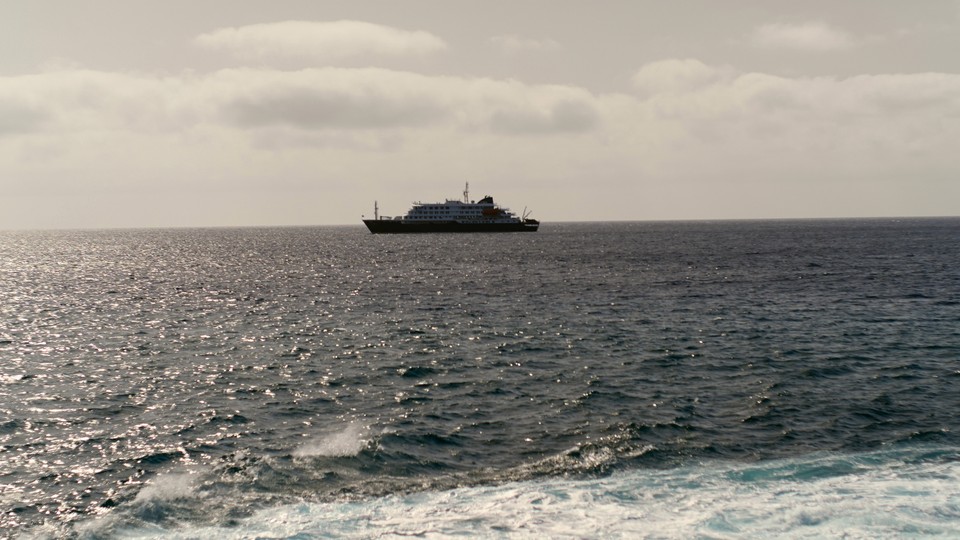
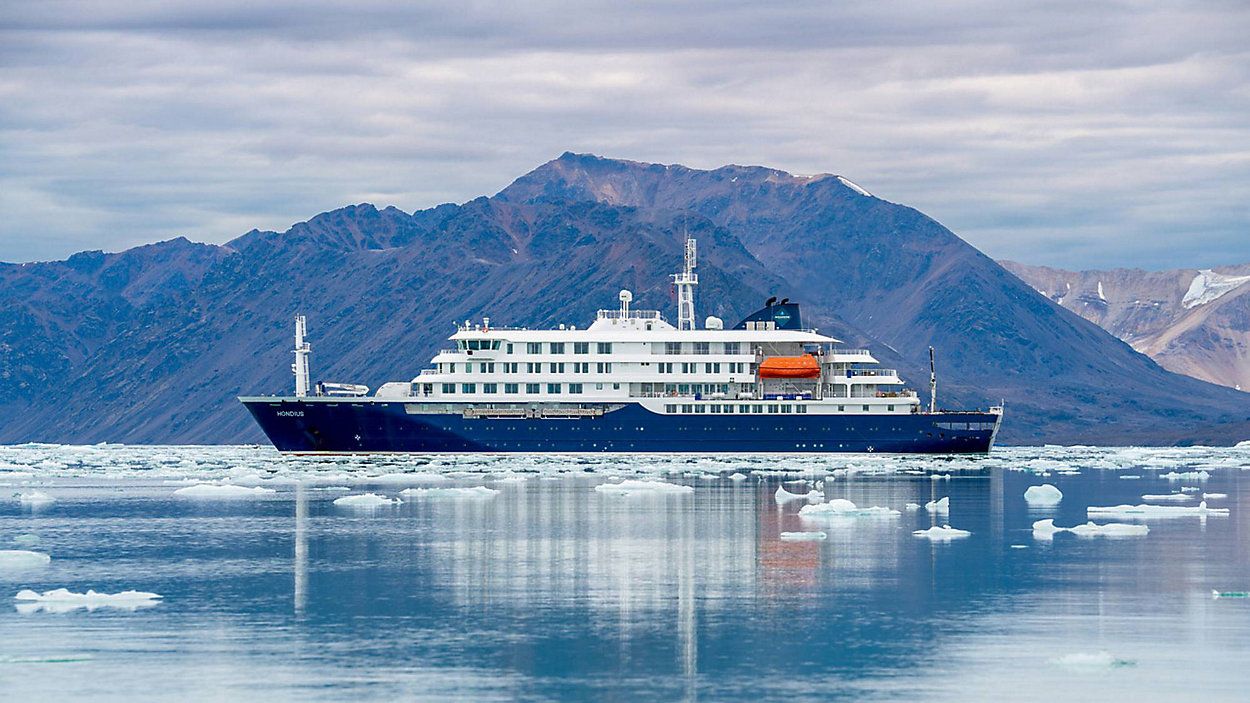
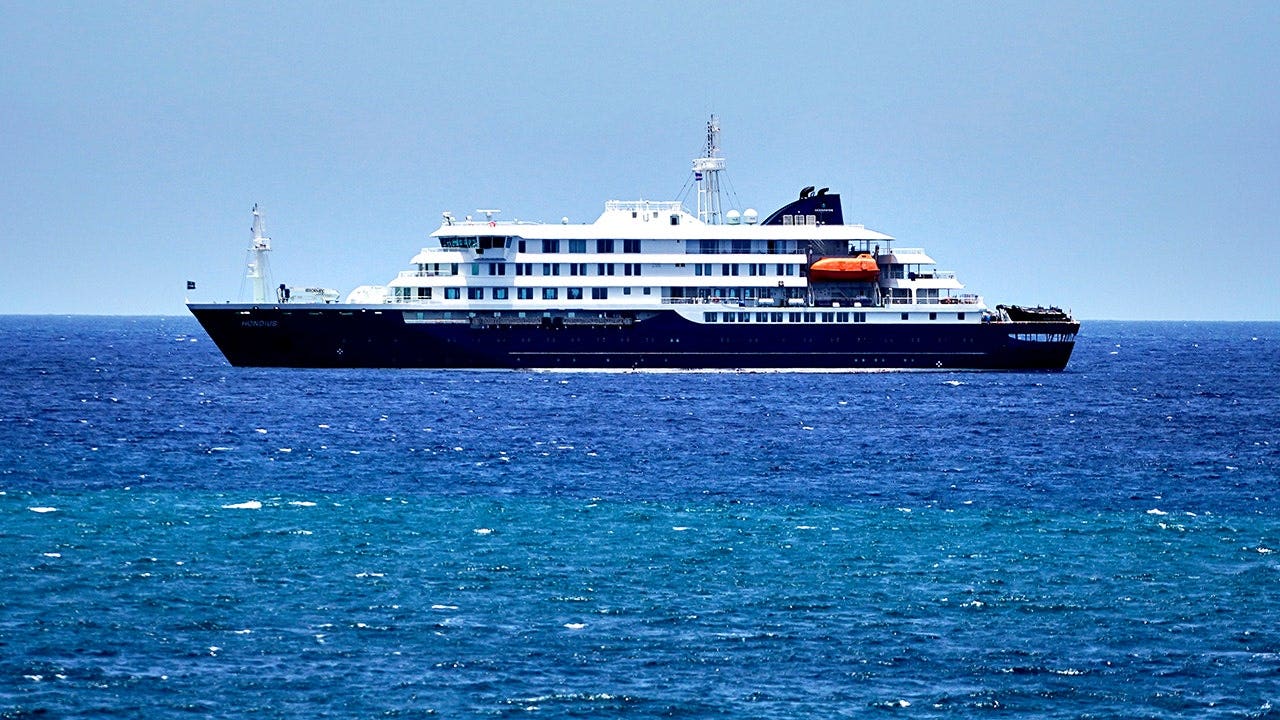
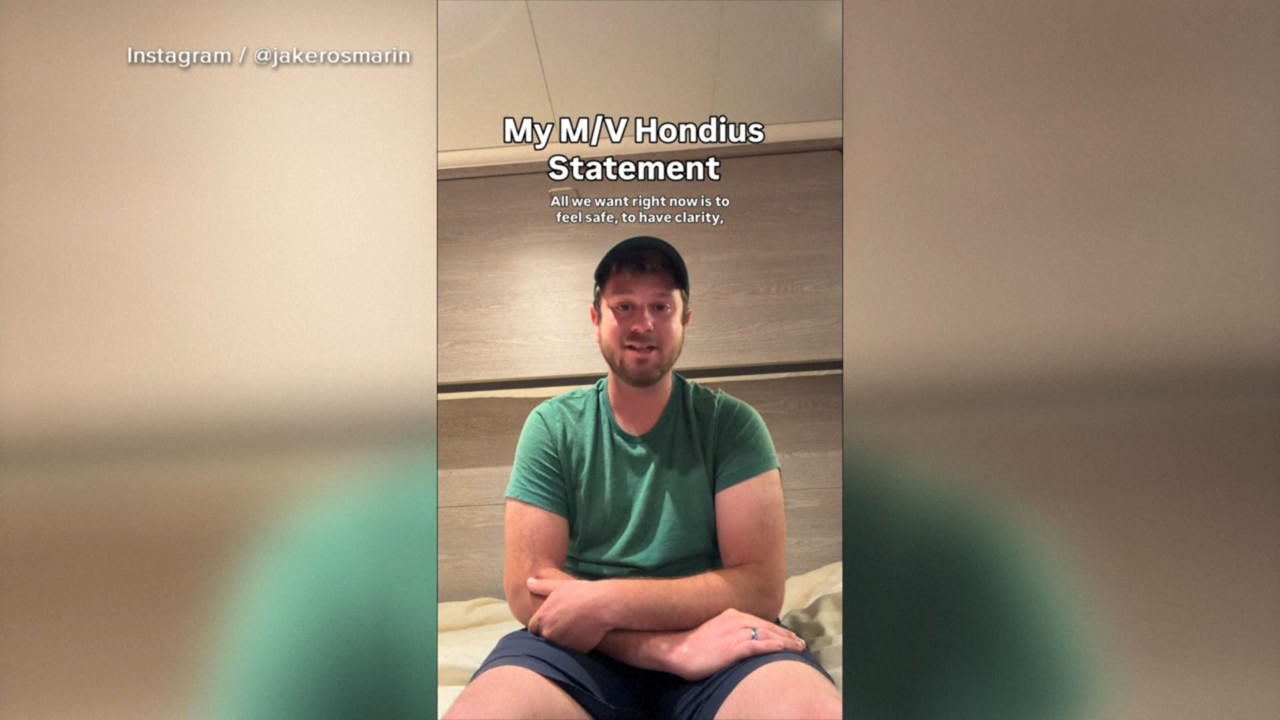
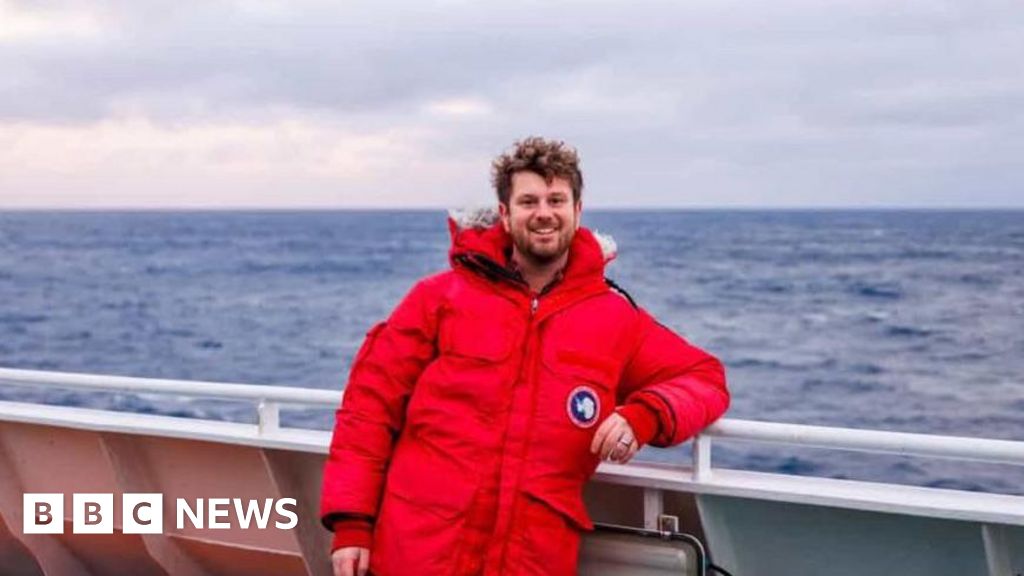
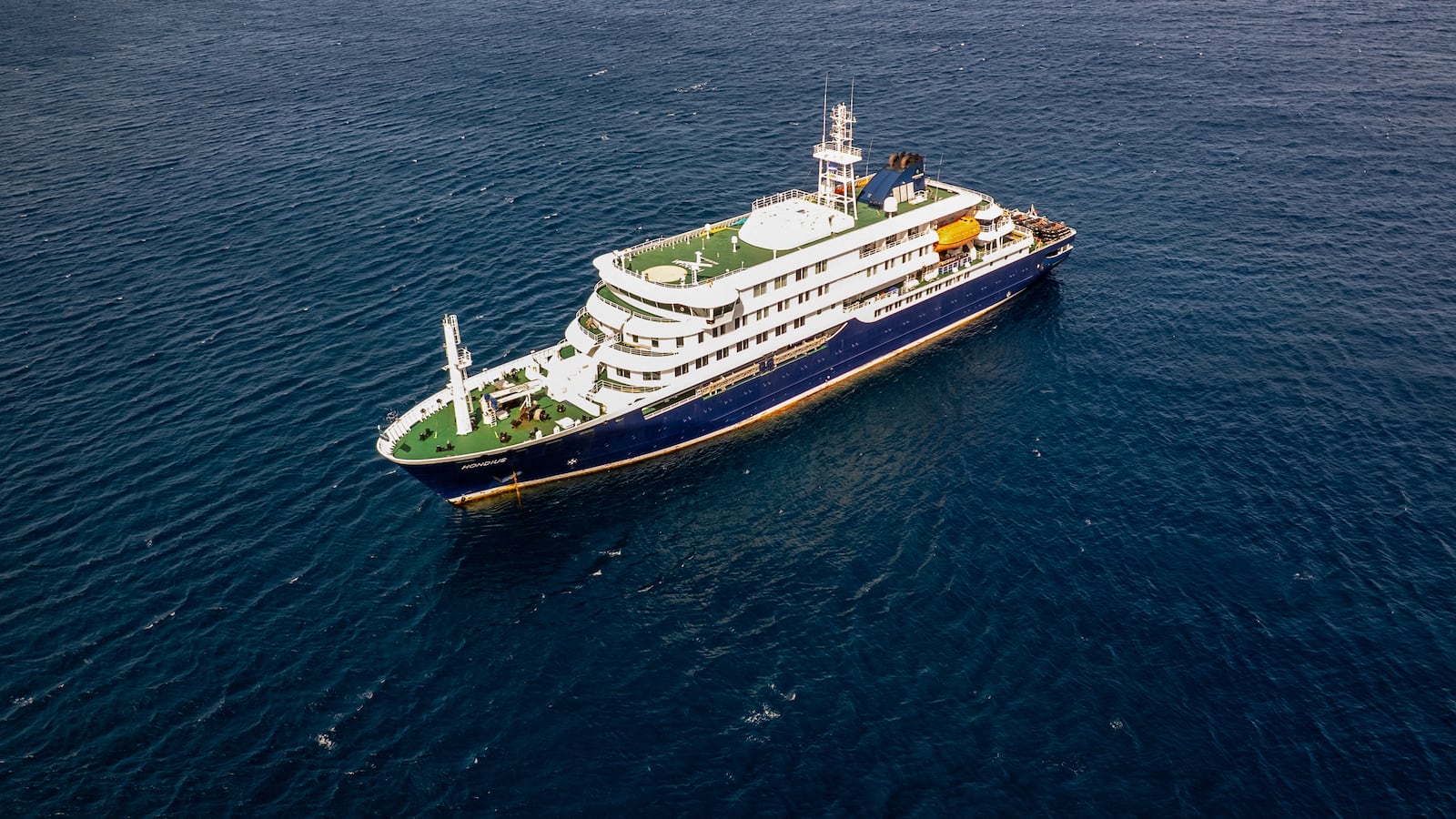
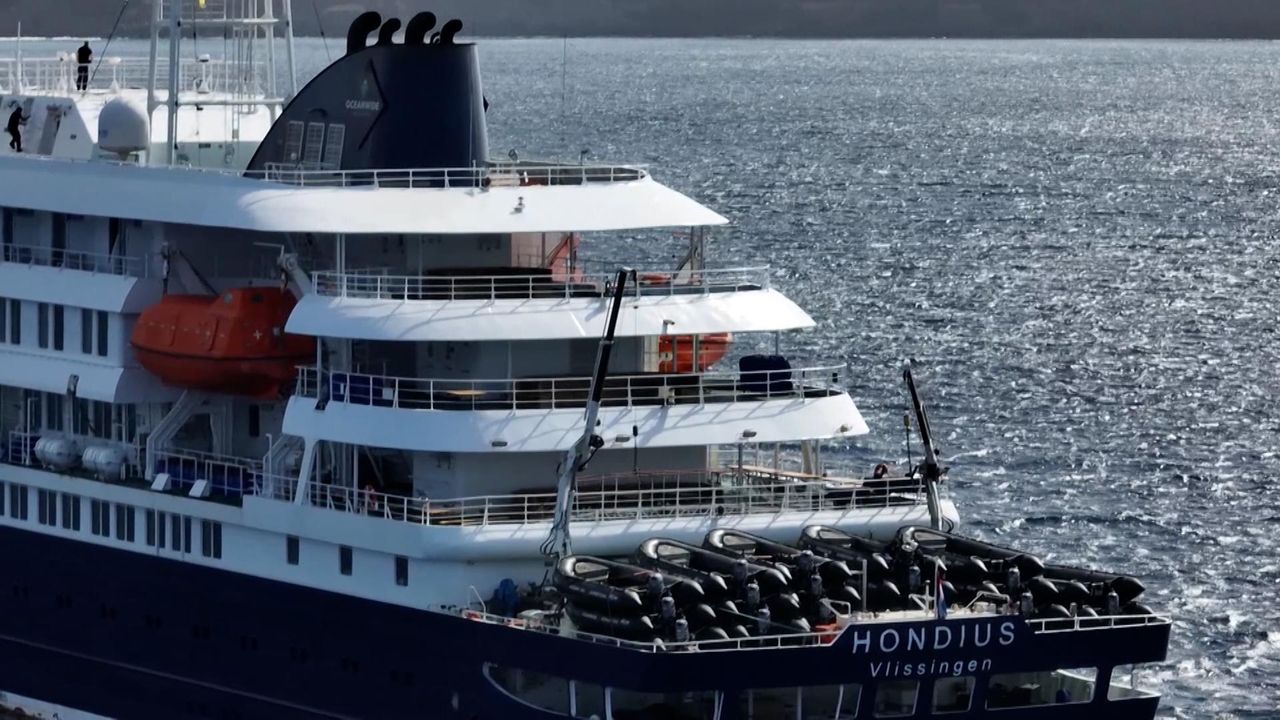
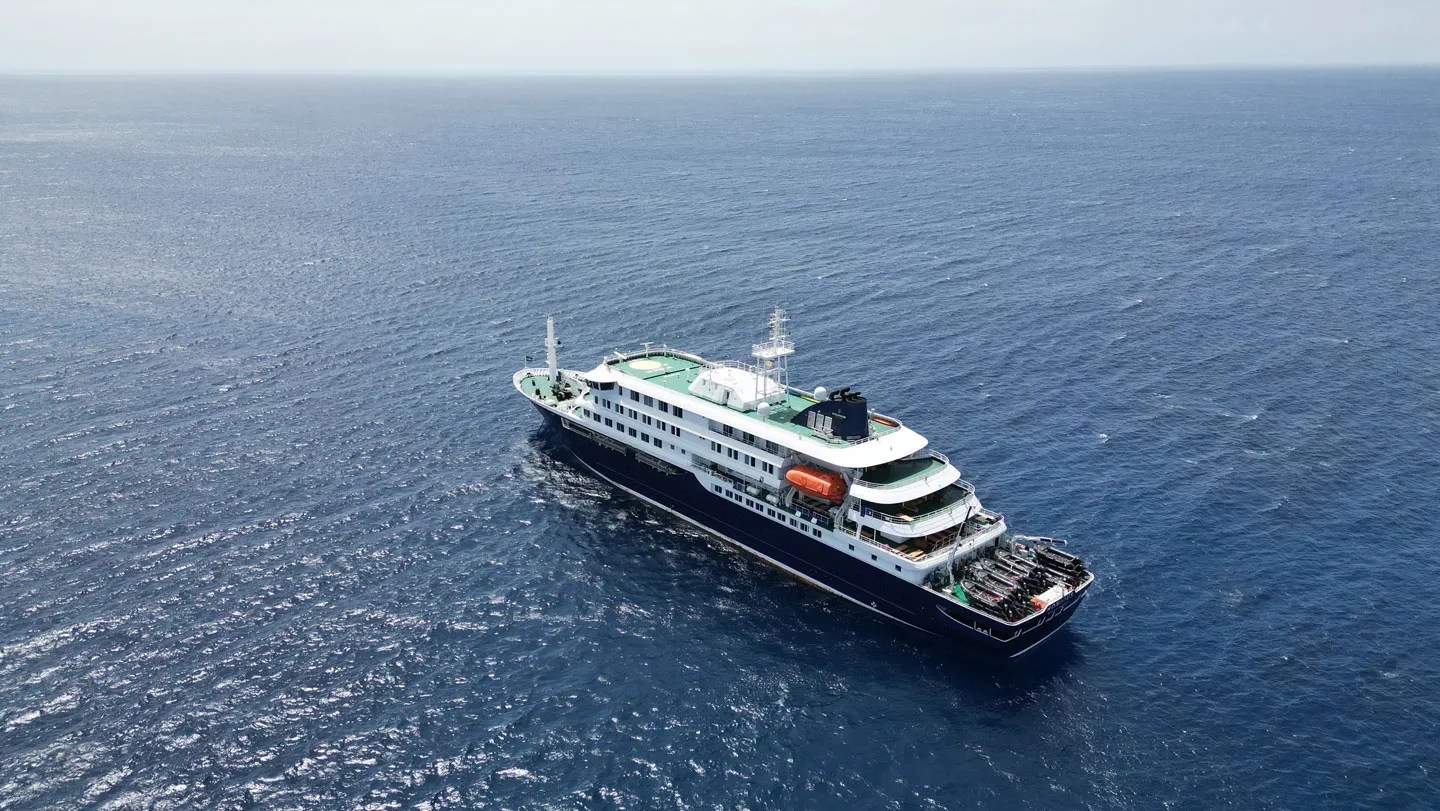
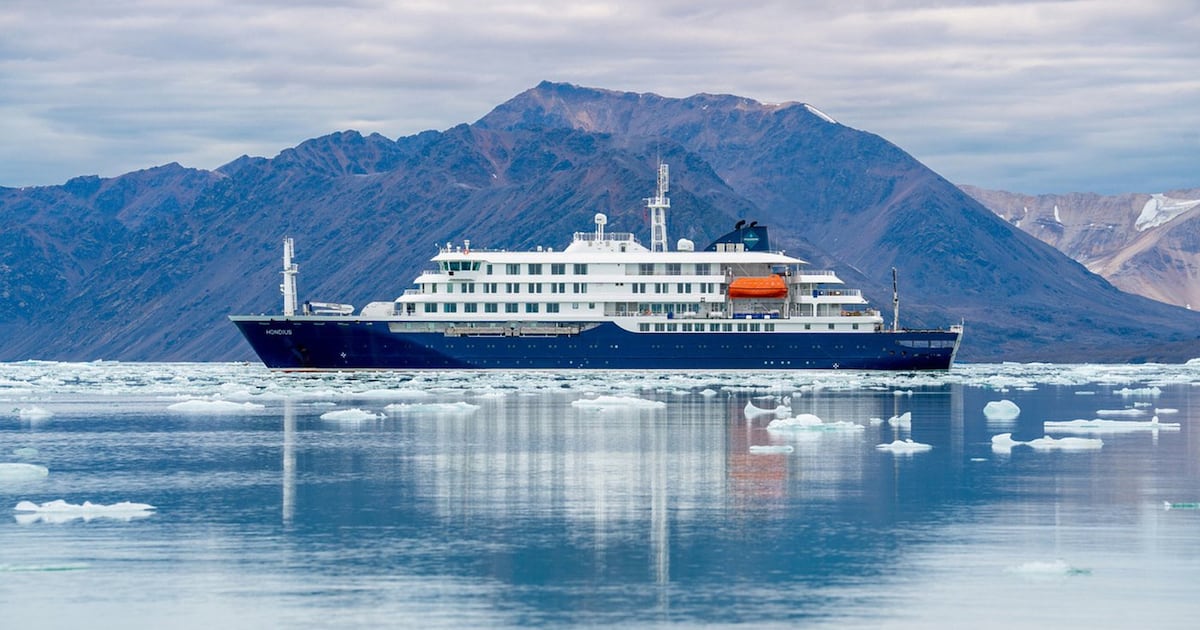
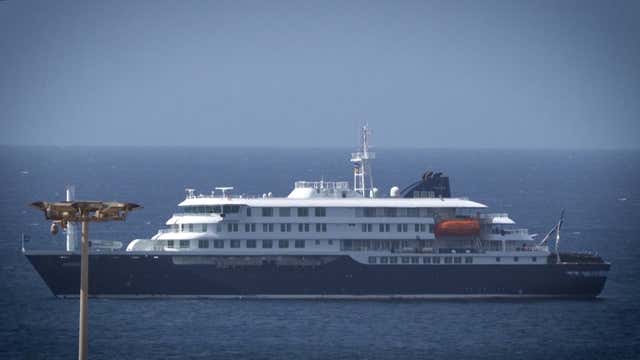
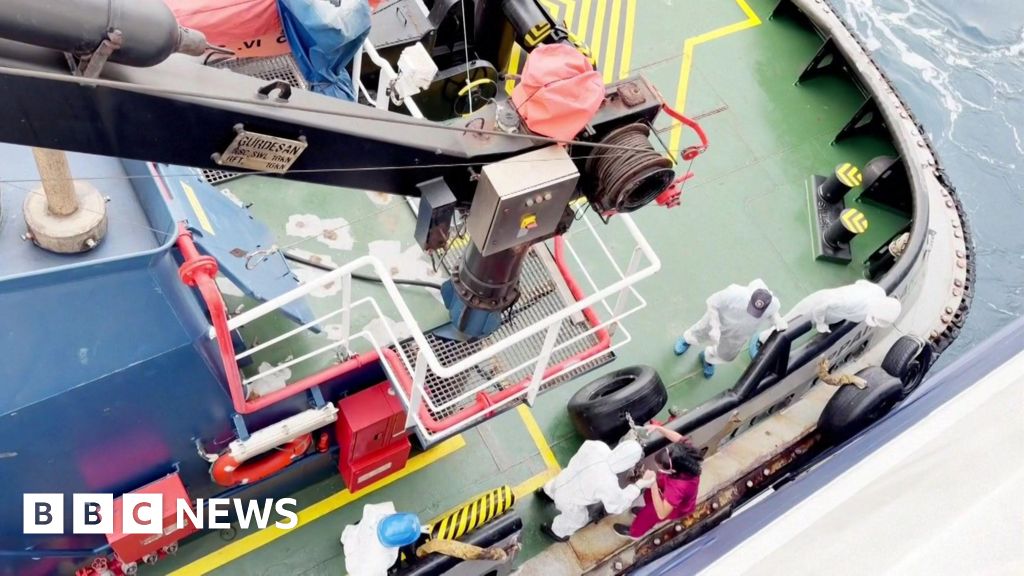
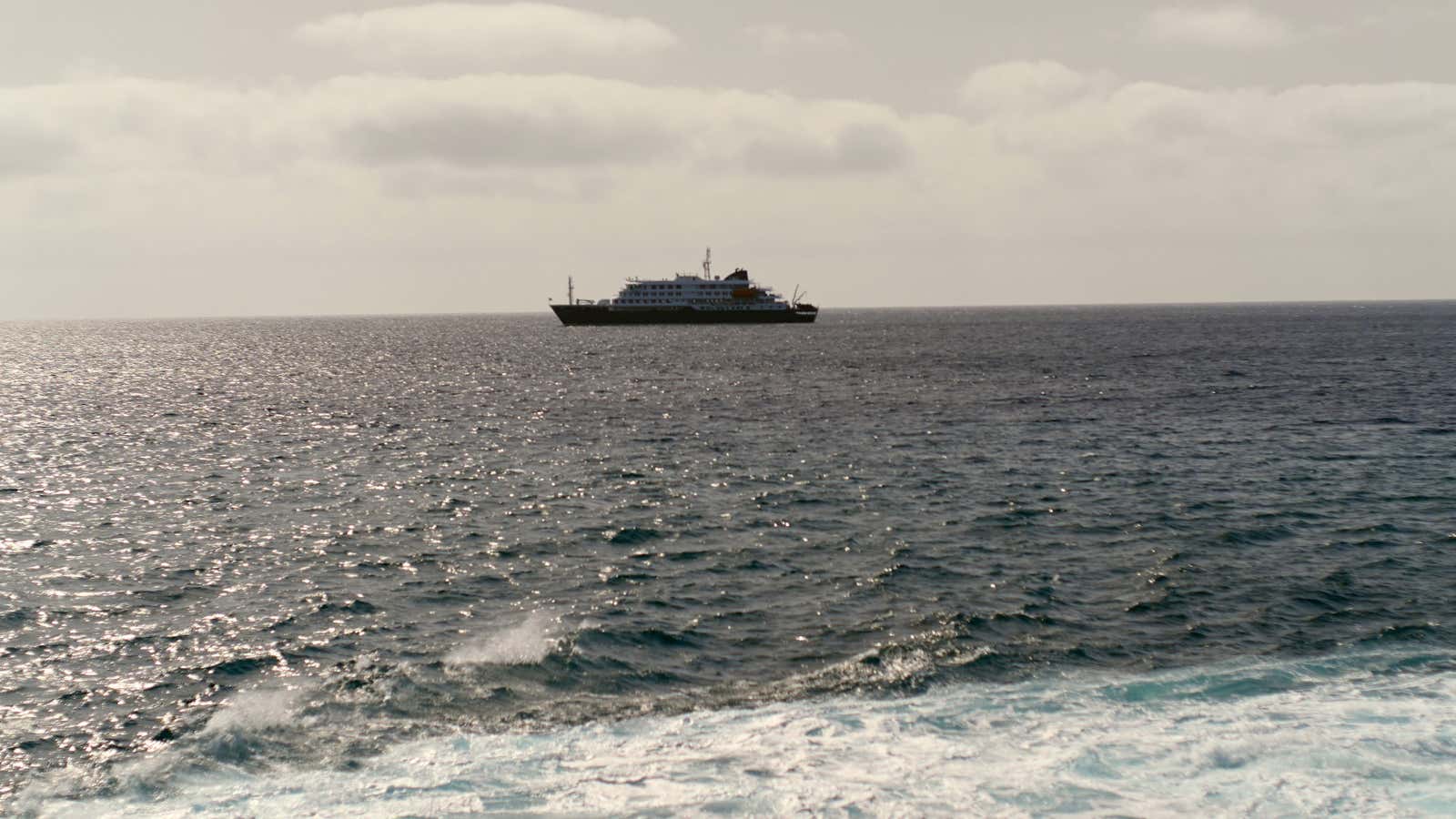
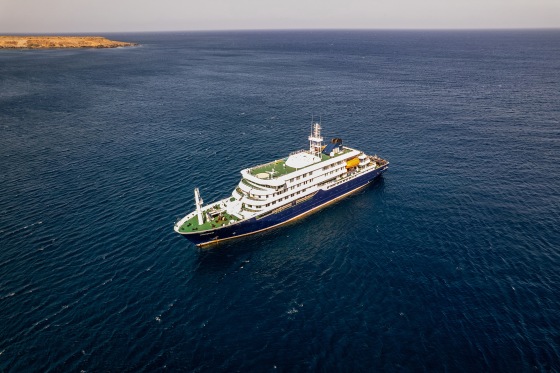
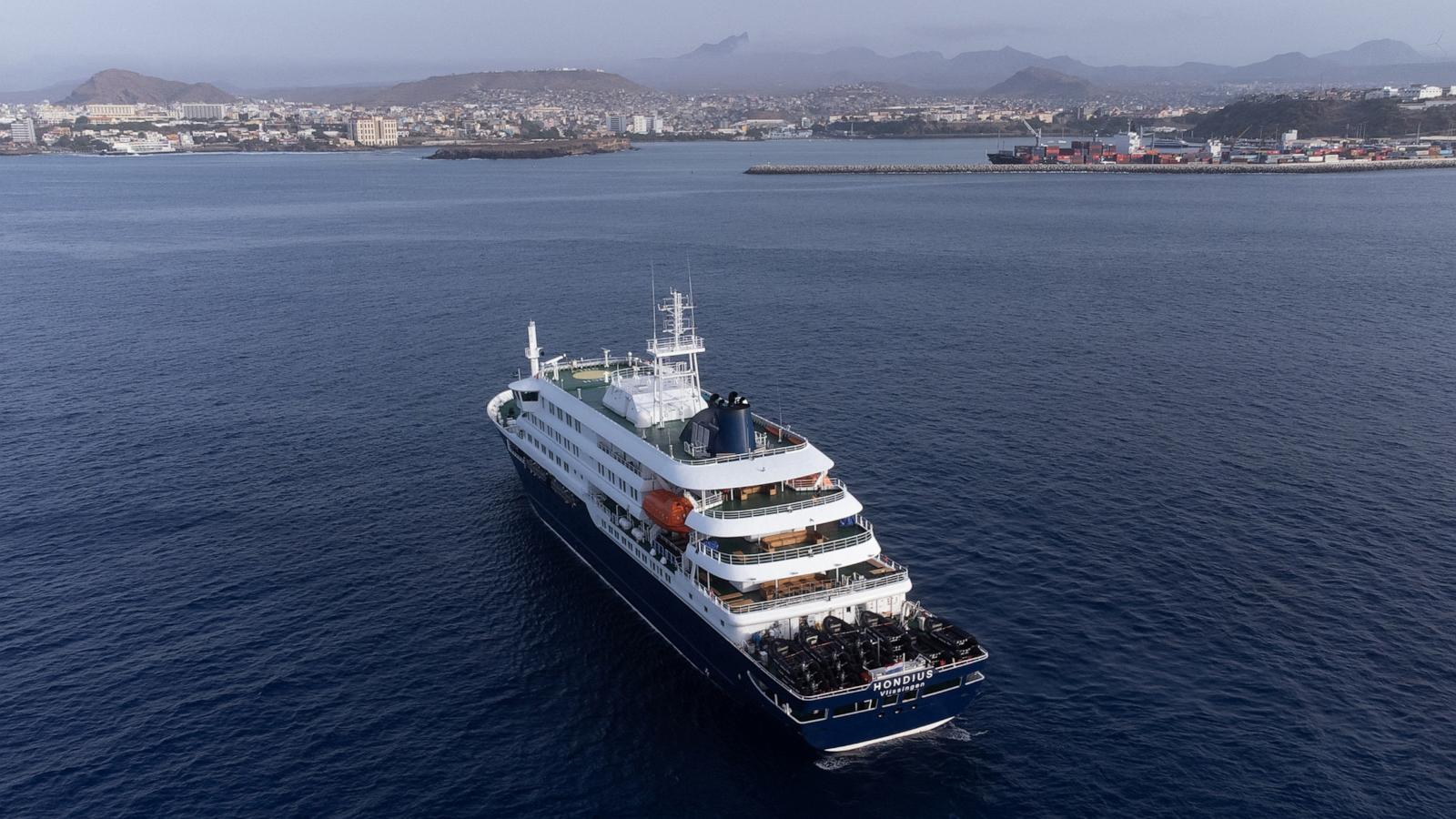
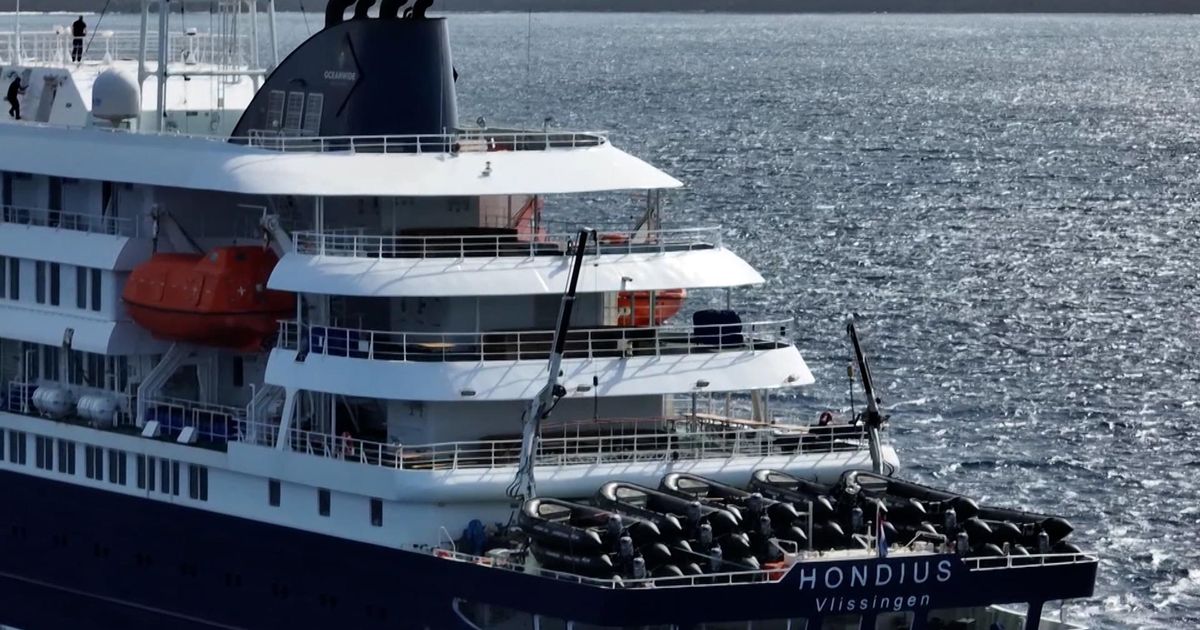
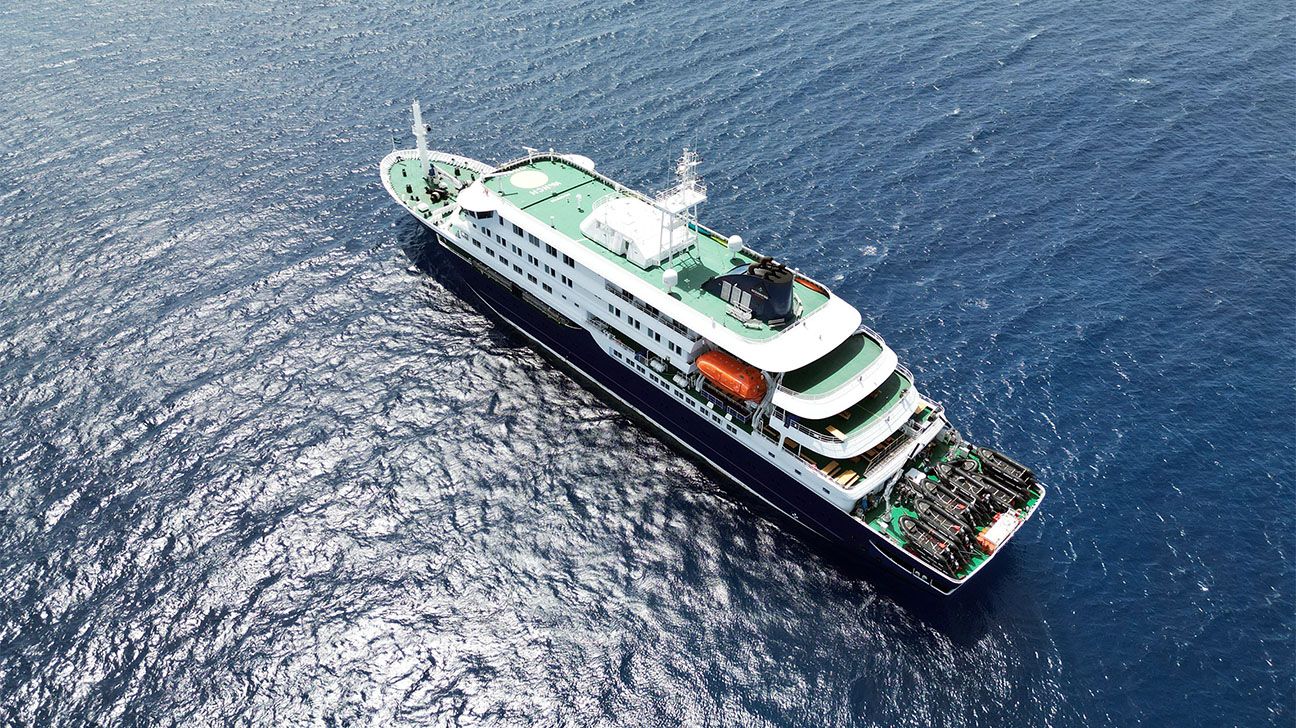
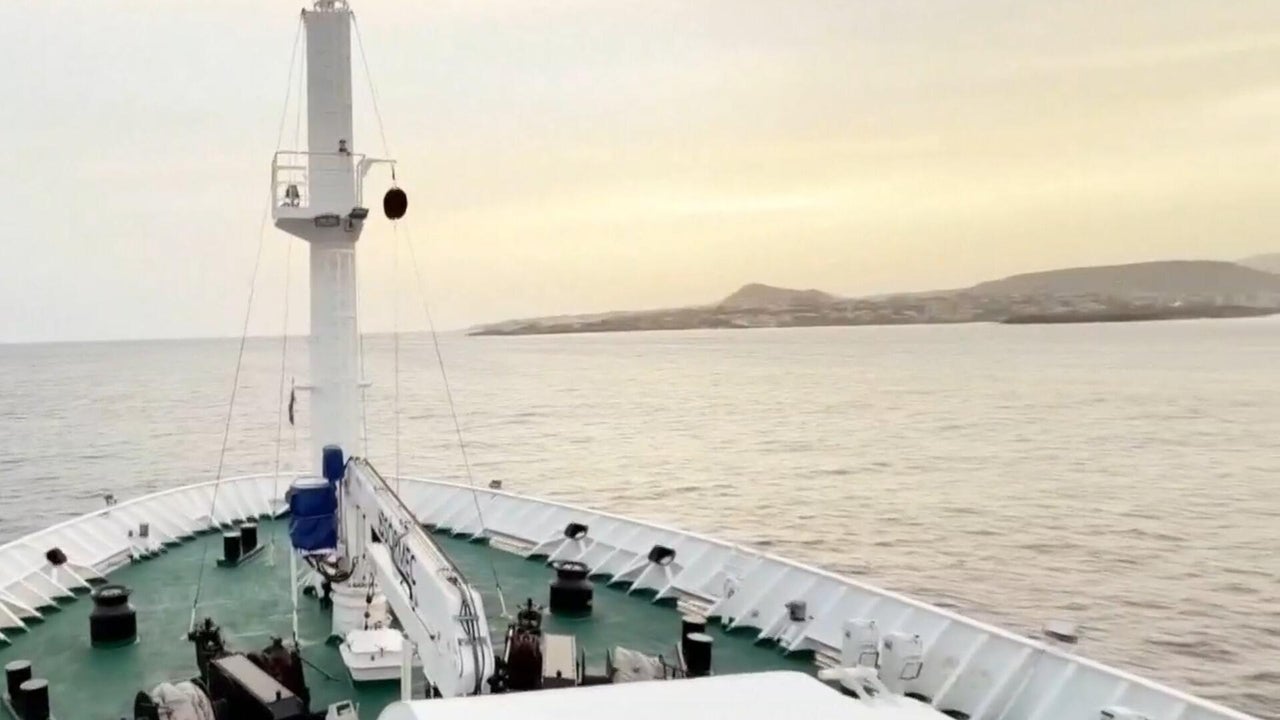
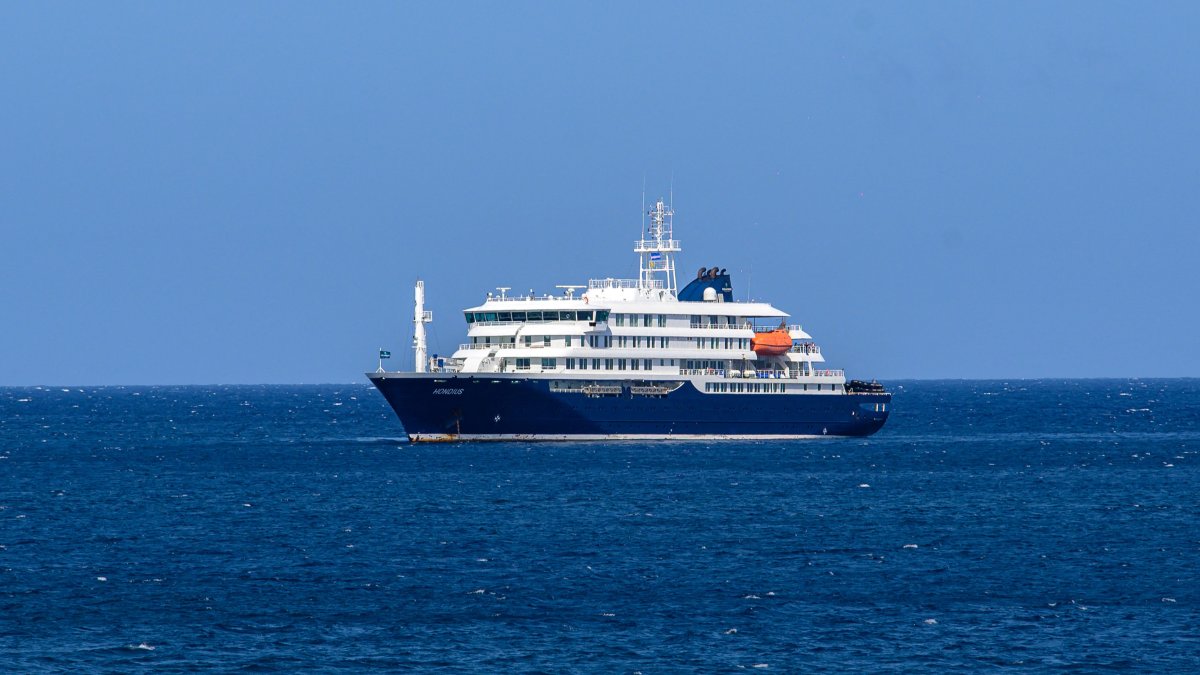
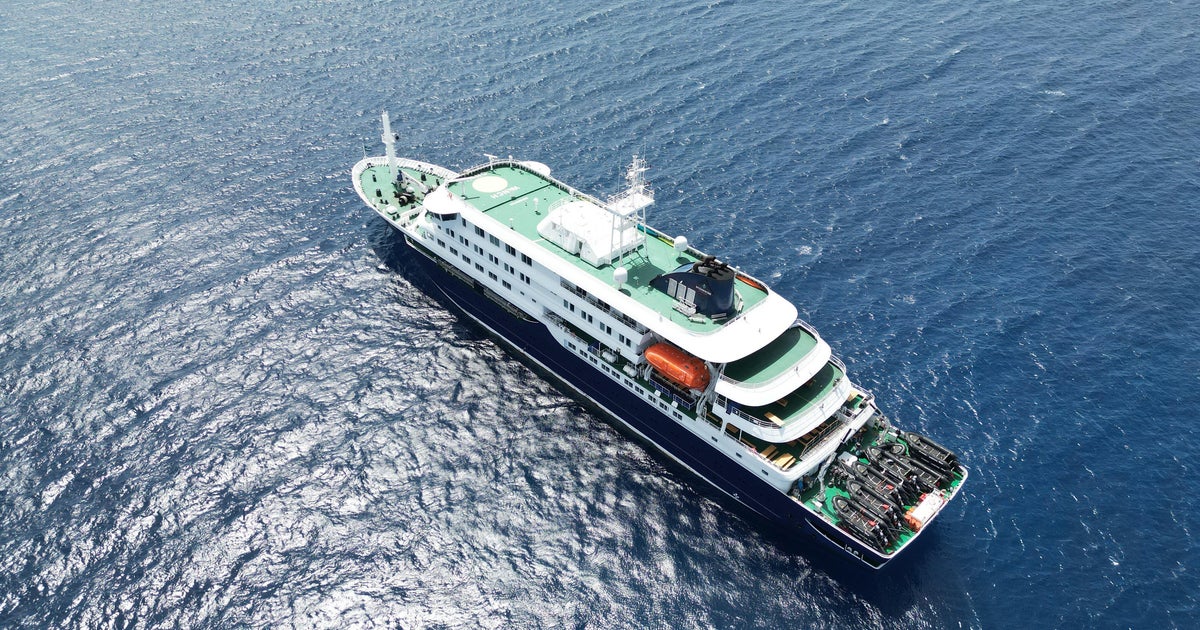
The May 2026 hantavirus outbreak aboard the MV Hondius cruise ship off Cape Verde—affecting approximately 150 passengers and crew with 3 confirmed deaths and 4 additional illnesses—exposes critical vulnerabilities in influencer marketing partnerships and travel-related e-commerce operations that directly impact sellers relying on content creator collaborations. Boston-based travel influencer Jake Rosmarin's documented quarantine experience, shared across significant social media following, illustrates how health crises can instantly disrupt influencer content calendars, partnership commitments, and brand promotional campaigns—a risk factor many e-commerce sellers underestimate when structuring influencer marketing budgets.
For travel product sellers and influencer-dependent brands, this incident reveals three operational vulnerabilities: (1) Content creation disruption—quarantined influencers cannot fulfill scheduled content deliverables, affecting product launches and seasonal campaigns; (2) Partnership liability exposure—brands relying on single influencers face campaign cancellation without contractual force majeure protections; (3) Supply chain visibility gaps—cruise line disruptions cascade to travel accessory suppliers, luggage sellers, and travel gear e-commerce categories. The travel influencer marketing segment, which generated an estimated $2.1-2.8B in cross-border e-commerce partnerships during 2024-2025, faces increased scrutiny around crisis contingency planning.
Immediate seller implications span multiple categories: Travel accessories (luggage, packing cubes, travel pillows) dependent on influencer unboxing content; Health/wellness products (supplements, sanitizers, travel health kits) seeing increased demand signals from crisis-aware consumers; and Cruise-related merchandise (branded apparel, onboard gift items) experiencing reputational pressure. Sellers currently negotiating influencer partnerships should implement: (1) Force majeure clauses protecting against health crisis content delays; (2) Diversified influencer portfolios reducing single-creator dependency; (3) Crisis communication protocols enabling rapid pivot to alternative marketing channels (paid search, email, organic social). The incident also signals growing consumer awareness of health risks in travel, potentially driving demand for travel insurance products, health monitoring devices, and preventative health supplements—categories where e-commerce sellers can capitalize on heightened consumer consciousness around travel safety.
Platform-level impact remains minimal—no Amazon, eBay, or Shopify policy changes announced—but the crisis demonstrates why sellers should stress-test influencer marketing ROI and maintain 30-40% budget reserves for alternative promotional channels. Travel product sellers should monitor cruise industry recovery timelines (typically 6-12 weeks post-incident) and adjust inventory positioning accordingly, as travel demand often rebounds sharply following crisis resolution as consumers resume postponed trips.
Questions 8
Should sellers diversify away from influencer marketing after this incident?
Rather than abandoning influencer marketing, sellers should implement risk mitigation strategies: (1) diversify across 5-10 micro-influencers instead of relying on single creators; (2) include force majeure clauses in contracts; (3) maintain 30-40% budget reserves for paid search and email marketing; (4) establish crisis communication protocols enabling rapid channel pivots. The travel influencer marketing segment remains valuable—estimated $2.1-2.8B in cross-border partnerships during 2024-2025—but requires professional contract management and portfolio diversification. Sellers should stress-test influencer ROI quarterly and maintain alternative promotional channels for campaign continuity.
How long does cruise industry recovery typically take after health crises?
Cruise industry recovery from health incidents typically spans 6-12 weeks, with travel demand rebounding sharply as consumers resume postponed trips. The MV Hondius incident affects approximately 150 passengers and crew, but broader cruise industry confidence recovery depends on media coverage and regulatory response. E-commerce sellers in travel categories should monitor cruise industry recovery timelines and adjust inventory positioning accordingly—increasing stock 4-6 weeks before anticipated demand rebound. Historical patterns show travel product sales spike 30-50% during recovery periods as consumers reschedule trips and purchase replacement gear.