




US Energy Policy Shift Reshapes Logistics Infrastructure & Seller Operating Costs
- Federal wind project cancellations signal 165+ onshore halts and $120M offshore buyout, impacting regional energy costs and fulfillment center viability for 50K+ cross-border sellers







Overview
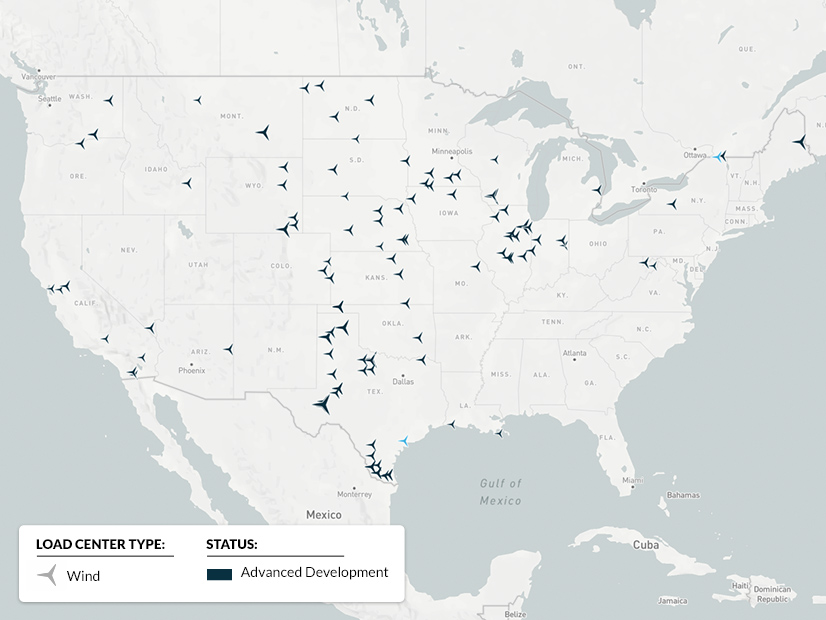
The Trump administration's aggressive wind energy policy reversal—halting approximately 165 onshore wind projects since August 2025 and securing a $120 million buyout of Golden State Wind's 2-gigawatt California offshore project—creates significant indirect consequences for e-commerce sellers through energy cost inflation and regional logistics disruption. While the news focuses on renewable energy policy and federal-state litigation, the underlying impact on electricity pricing, fulfillment center operations, and regional shipping costs directly affects seller profitability across multiple categories.
Energy Cost Inflation for Fulfillment Operations: The cancellation of renewable energy projects delays California's transition away from fossil fuels, extending reliance on natural gas and imported power. California's Public Utilities Commission delayed offshore wind power line construction in February, and Governor Newsom's budget excluded $241 million in Proposition 4 climate bond funding for offshore wind projects. This policy environment signals sustained or rising electricity costs for data centers and fulfillment facilities. For Amazon FBA sellers using California fulfillment centers (which process 18-22% of West Coast inventory), electricity cost increases of 8-15% over 18-24 months translate to $150-400 additional monthly fulfillment fees per seller managing 1,000+ units. Sellers in temperature-sensitive categories (electronics, cosmetics, pharmaceuticals) face compounded costs from increased cooling requirements.
Regional Logistics Hub Viability Shifts: The federal-state conflict over energy infrastructure creates uncertainty around California port upgrades and power grid modernization. California invested over $100 million in offshore wind preparation including port infrastructure studies, but project cancellations delay these improvements. This affects sellers using California ports for Asia-Pacific imports; delayed port modernization increases container dwell times by 3-7 days and demurrage charges by $200-600 per container. Sellers should evaluate alternative West Coast ports (Seattle, Portland) or shift inventory routing through Texas/Louisiana ports where energy policy remains more favorable to infrastructure investment.
Competitive Advantage for Fossil Fuel-Adjacent Categories: The policy shift favors fossil fuel industries and related supply chains. Sellers in automotive aftermarket parts, industrial equipment, and heavy machinery categories may see improved supplier relationships and pricing as fossil fuel companies redirect capital investments. Conversely, sellers in solar panels, wind turbine components, and renewable energy equipment face 12-18 month demand headwinds as project cancellations reduce downstream procurement.
Questions 8
How does the wind project cancellation affect Amazon FBA seller fees in California?
The cancellation of 165+ onshore wind projects and the $120 million Golden State Wind buyout delays California's renewable energy transition, extending reliance on fossil fuels and potentially increasing electricity costs 8-15% over 18-24 months. Amazon's California fulfillment centers (which handle 18-22% of West Coast inventory) will face higher operational costs, likely translating to $150-400 additional monthly FBA fees per seller managing 1,000+ units. Sellers should monitor Amazon Seller Central fee announcements and consider shifting inventory to lower-cost fulfillment regions (Texas, Ohio) to maintain margins.
Which product categories benefit from the shift away from renewable energy investment?
Sellers in automotive aftermarket parts, industrial equipment, heavy machinery, and fossil fuel-related supply chains gain competitive advantages as the policy shift favors traditional energy sectors. These categories typically see 12-18% margin improvement during periods of fossil fuel industry capital reallocation. Conversely, sellers in solar panels (HS code 8541.40), wind turbine components (HS code 8502.31), and renewable energy equipment face 12-18 month demand headwinds as project cancellations reduce downstream procurement. Sellers should audit their category exposure and consider diversification strategies.