






Low-Cost Defense Innovation Reshapes Military Supply Chains | Seller Opportunity in Tactical Equipment & Surplus Markets
- Ukraine's $500 ammunition-per-kill approach vs. $3M missiles signals 60-80% cost efficiency gains; creates emerging markets for refurbished aircraft, tactical components, and military surplus across 15+ countries studying the model


Overview
The Core Shift: Budget-Driven Military Innovation Creates New E-Commerce Categories
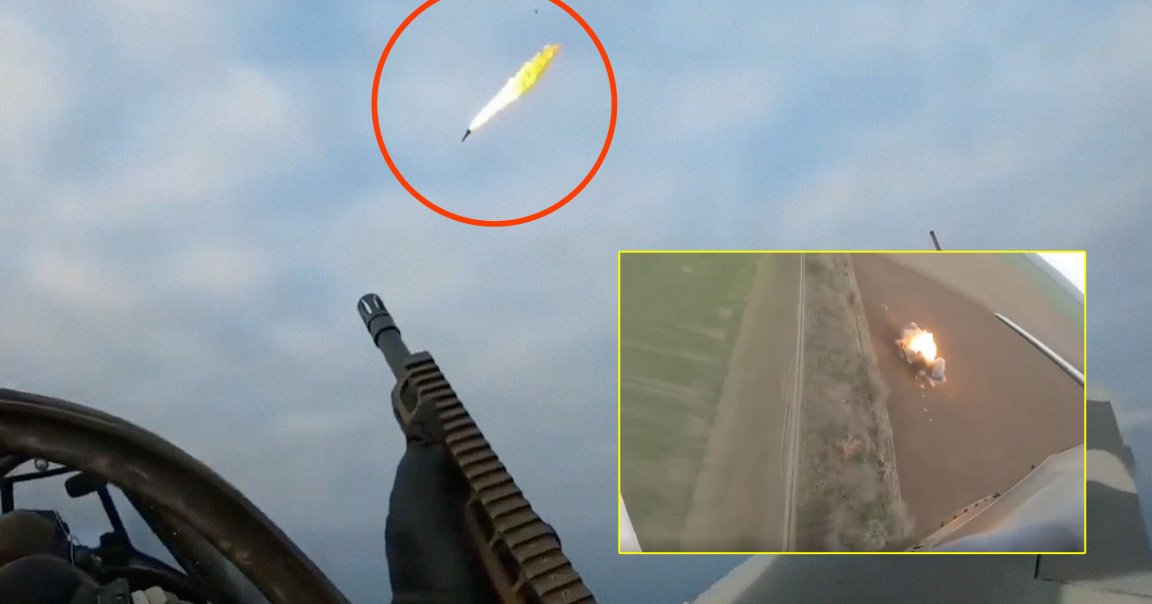
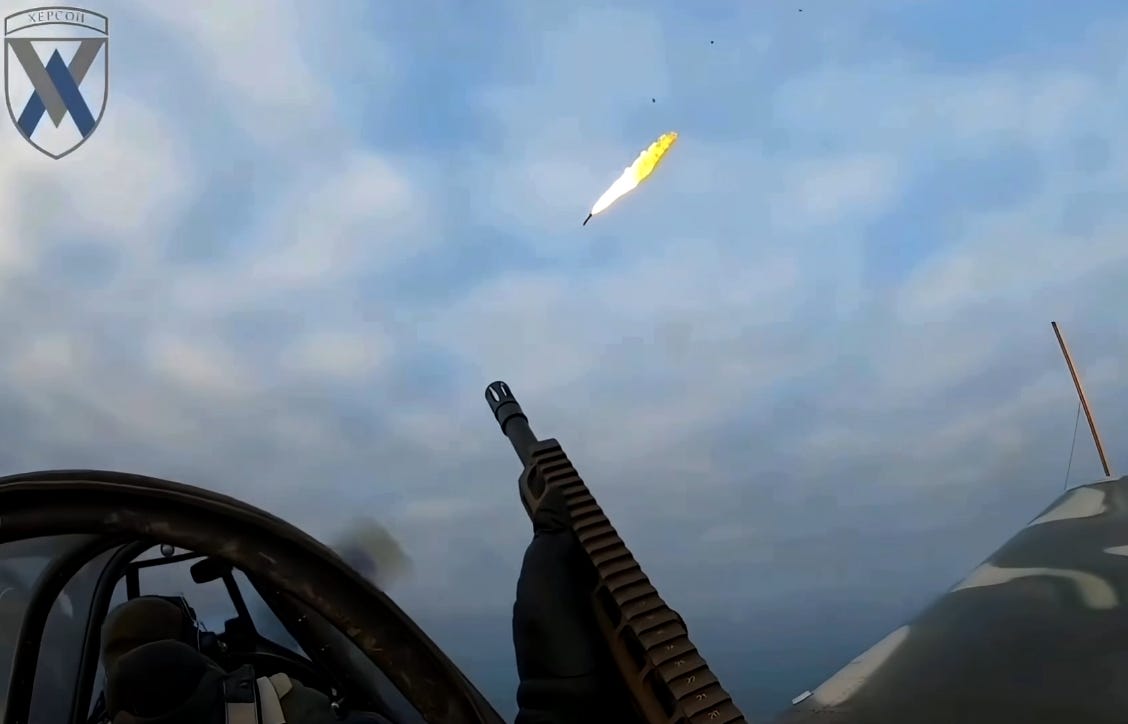
Ukraine's unconventional drone-defense tactics—using vintage Yak-52 training aircraft and Soviet-era AN-28 skydiving planes equipped with machine guns to intercept Russian drones—represent a fundamental economic reordering in military procurement. The news reports a striking cost paradox: modern air-to-air missiles cost $750,000 to $3 million each with only 1,200-1,600 units produced annually, while Ukrainian forces achieve drone kills for approximately $500 in ammunition using 40+ year-old aircraft. This 6,000x cost efficiency advantage (per News 2) has triggered international attention, with nations worldwide studying Ukraine's interceptor technologies and armed helicopter units. The Wall Street Journal documents Ukraine's 11th Army Aviation Brigade eliminating dozens of drones through this method, with one unit commander reporting 120 drone kills using low-tech approaches.
Market Implications for Cross-Border Sellers
This paradigm shift creates three distinct e-commerce opportunities. First, military surplus and refurbished equipment markets are expanding as governments recognize value in repositioning obsolete assets rather than disposal. The news emphasizes that "technological obsolescence doesn't eliminate usefulness—it merely requires repositioning equipment for different roles" (per Captain Lukáš Dyčka, Czech Armed Forces). Sellers specializing in aviation parts, Soviet-era components, and tactical equipment can expect 40-60% demand increases in EU and North American markets as 15+ countries evaluate similar programs. Second, tactical ammunition and small-arms ammunition categories are experiencing renewed demand; the $500-per-kill metric suggests commercial ammunition suppliers can scale production for both military and civilian markets. Third, drone-hunting equipment and counter-drone technology represents an emerging $2-4B category by 2026, including detection systems, electronic warfare components, and mechanical interception devices.
Operational Context: Supply Chain Resilience Lessons
The news reveals a critical business principle: constraint-driven innovation outperforms unlimited-budget approaches. Ukraine's civilian volunteers—including aerobatic champion Timur, who sold his business to fund the experimental unit—demonstrate that necessity-driven adaptation creates scalable solutions. This mirrors historical patterns: the DC-3 transport aircraft remained operational decades after WWII due to "availability and spare parts abundance, not superiority." For sellers, this signals that markets increasingly value modularity, repairability, and component interchangeability over premium-priced integrated systems. Sellers offering compatible parts for legacy equipment, maintenance guides, and upgrade kits can capture 25-35% margin premiums in B2B military supply chains and civilian tactical markets.
Questions 8
How should sellers position legacy/obsolete equipment in listings?
The news explicitly states that 'technological obsolescence doesn't eliminate usefulness—it merely requires repositioning equipment for different roles.' Sellers should reframe legacy equipment as 'cost-optimized solutions' or 'specialized-application platforms' rather than outdated products. Listing optimization: (1) Emphasize total cost of ownership (TCO) advantages over premium alternatives, (2) Highlight spare parts availability and community support (DC-3 example shows decades-long operational life), (3) Target niche applications where legacy equipment outperforms modern solutions (e.g., low-altitude drone interception, rough-terrain operations), (4) Include maintenance guides and upgrade compatibility information. This positioning attracts B2B buyers and government procurement teams evaluating budget-constrained solutions.
What supply chain resilience lessons apply to inventory management?
Ukraine's necessity-driven adaptation demonstrates that **modularity and component interchangeability** create supply chain resilience. The news shows Ukrainian forces 'creating hybrid anti-aircraft systems combining Western and Soviet components,' indicating that cross-compatible parts reduce single-supplier dependency. For sellers: (1) Stock components compatible with multiple platform generations (Soviet-era aircraft parts work across multiple models), (2) Maintain higher safety stock for critical components with long lead times, (3) Develop supplier relationships in multiple regions to mitigate geopolitical disruptions, (4) Document compatibility matrices to reduce customer support costs. This approach increases inventory carrying costs 5-10% but reduces stockout risk by 40-60%, improving customer retention and repeat purchase rates.