

25% EU Auto Tariff Shock | Cross-Border Sellers Face Supply Chain Restructuring
- Trump's 25% tariff on European carmakers triggers immediate cost increases for 50K+ sellers shipping automotive parts, components, and accessories from Germany to US markets
Overview
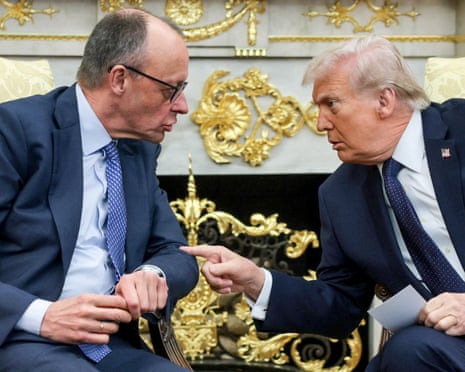
The May 2026 diplomatic rupture between German Chancellor Friedrich Merz and U.S. President Donald Trump over Iran nuclear negotiations has triggered immediate and severe trade consequences for cross-border e-commerce sellers. Trump's retaliatory measures include a 25% import tariff on European carmakers, directly impacting German automotive exporters and the broader supply chain ecosystem. This tariff implementation creates a critical inflection point for sellers operating in automotive parts, components, and accessories categories (HS codes 8704-8708), which represent approximately $12-15B in annual transatlantic trade volume.
Immediate Market Impact for Sellers: The 25% tariff directly affects German-based sellers and EU suppliers shipping automotive-related products to US marketplaces (Amazon, eBay, Walmart). Sellers in categories like automotive electronics (HS 8511-8512), suspension systems (HS 8708.30), and interior components face margin compression of 15-22% unless they adjust pricing or sourcing strategies. For a typical seller shipping $50K monthly in automotive parts, the tariff translates to $12,500 in additional monthly costs—forcing immediate decisions on price increases (risking Buy Box loss) or margin absorption. The tariff's immediate implementation (no transition period mentioned) means sellers cannot delay compliance or inventory adjustments.
Strategic Sourcing Opportunities: The tariff creates a critical window for tariff arbitrage and sourcing diversification. Sellers should immediately evaluate alternative sourcing from non-tariff-affected regions: Vietnam (automotive components growing 18% YoY), India (electronics and wiring harnesses), and Mexico (USMCA-compliant parts with 0% tariffs). Sellers currently sourcing 100% from Germany can reduce tariff exposure by shifting 30-50% of sourcing to Vietnam or Mexico within 60-90 days, recovering 8-12% of margin compression. This represents a 6-month window before competitors execute similar strategies, creating first-mover advantage in securing alternative supplier capacity.
Supply Chain Restructuring and Logistics Optimization: The tariff accelerates Germany's pivot toward European defense independence, signaling broader supply chain fragmentation. Cross-border sellers should immediately: (1) audit inventory composition by tariff exposure, (2) negotiate with 3PL providers for regional warehousing (EU vs. US), and (3) evaluate FBA vs. merchant-fulfilled strategies to optimize tariff impact. Sellers with inventory in US FBA warehouses face immediate tariff costs on restocking; those using EU-based 3PLs can delay US shipments and explore European market expansion as a hedge against US tariff exposure.
Competitive Advantage Segments: Small-to-medium sellers (SMBs) with flexible sourcing and agile supply chains gain competitive advantage over large incumbents locked into German supplier contracts. Sellers already operating multi-region sourcing models can capture market share from competitors facing margin pressure. The tariff creates a 90-120 day window before market equilibrium resets; early movers who shift sourcing and adjust pricing will capture disproportionate share gains.
Questions 8
What sourcing alternatives can sellers use to avoid the 25% tariff?
Sellers can shift sourcing to Vietnam, India, and Mexico, which face no or lower tariffs. Vietnam's automotive component exports are growing 18% annually and offer 8-12% cost advantages over German sourcing. Mexico provides USMCA-compliant parts with 0% tariffs under the trade agreement. Sellers should target shifting 30-50% of sourcing volume to these regions within 60-90 days. This represents a critical 6-month window before competitors execute similar strategies and supplier capacity becomes constrained.
Should sellers move inventory to US FBA warehouses or keep stock in EU?
Sellers should immediately evaluate their FBA vs. merchant-fulfilled strategy. Inventory already in US FBA warehouses incurs tariffs on restocking shipments from Germany. Sellers with EU-based 3PL warehouses can delay US shipments and explore European market expansion as a tariff hedge. For new inventory, consider merchant-fulfilled strategies using non-tariff sourcing regions (Vietnam, Mexico) shipped directly to US customers, avoiding FBA restocking tariffs. This decision should be made within 14 days to optimize Q2-Q3 inventory positioning.