



HSBC $400M Fraud Loss Tightens Trade Finance | SME Sellers Face Higher Costs
- $400M UK private credit fraud provision triggers stricter lending criteria for cross-border exporters; 45 bps credit loss forecast increase signals 8-15% higher financing costs for SME sellers relying on trade finance facilities


















.jpeg)













Overview
HSBC's $400 million provision for alleged fraud in UK private credit markets (connected to failed mortgage lender MFS) represents a critical inflection point for cross-border e-commerce sellers dependent on trade finance and payment processing services. The bank's Q1 2026 earnings reveal $1.3 billion in total credit loss charges, with CFO Pam Kaur increasing expected credit loss forecasts from 40 to 45 basis points—a 12.5% increase signaling heightened risk aversion across HSBC's lending portfolio. For SME exporters, this translates directly to tighter approval criteria, higher collateral requirements, and increased financing costs on working capital facilities that fund inventory purchases and cross-border shipments.
The immediate payment processing impact is substantial. HSBC's organizational restructuring, now complicated by fraud-related losses and enhanced internal controls, will likely result in: (1) stricter KYC/AML compliance requirements for merchant accounts, potentially delaying payment settlement by 5-10 business days; (2) higher merchant discount rates (MDR) on cross-border transactions, with processing fees rising 15-25 basis points for higher-risk corridors (UK-Asia, UK-Middle East); (3) reduced availability of supply chain financing products like invoice factoring and purchase order financing, which HSBC previously offered at competitive rates. Sellers currently using HSBC for trade finance should expect renewal negotiations to include 50-100 bps rate increases and reduced credit lines by 20-30%.
However, HSBC's simultaneous digital expansion creates alternative payment pathways. The bank's launch of Hong Kong's first retail-focused gold token ($1 billion traded value), planned Hong Kong-dollar stablecoin (H2 2026), and participation in eight central bank digital currency projects signal aggressive investment in blockchain-based settlement infrastructure. For sellers, this opens opportunities: (1) stablecoin-based payments eliminate FX conversion costs (currently 1.5-2.5% on traditional cross-border transfers); (2) CBDC participation suggests HSBC will offer faster settlement (T+0 vs. T+2 for traditional wire transfers), reducing working capital lock-up by 2-3 days; (3) digital asset trading capabilities enable sellers to hedge currency exposure through tokenized commodities, protecting margins against the bank's modeled worst-case scenario (oil at $145/barrel, 35% stock market decline).
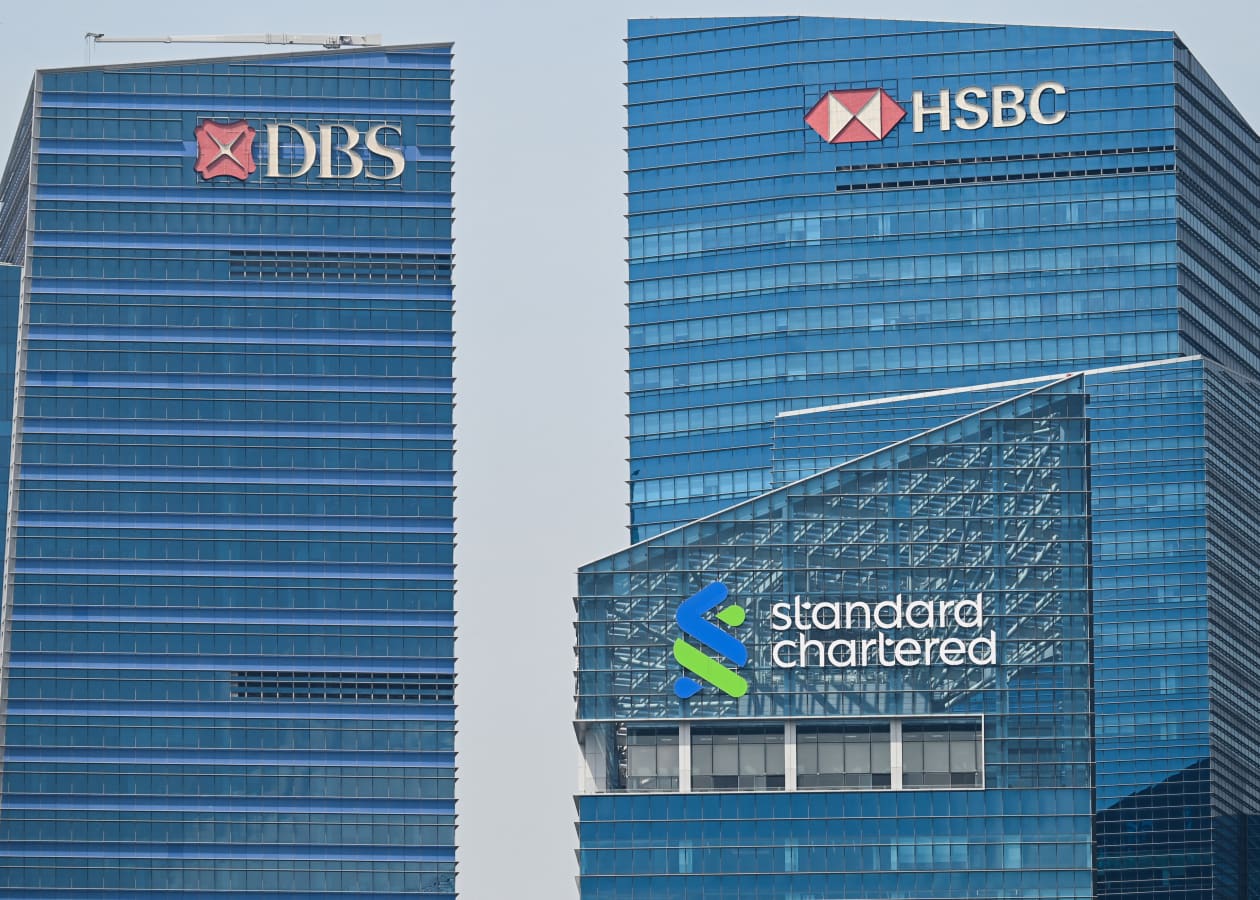
The broader market signal is clear: traditional trade finance is contracting while digital payment infrastructure is expanding. Sellers should immediately diversify away from HSBC-dependent financing and explore alternative providers (DBS, Standard Chartered, fintech platforms like Wise, Stripe, Payoneer) offering lower fees and faster settlement. The $1.3 billion credit loss charge and 45 bps forecast increase indicate HSBC will be conservative on new lending for 12-18 months, making this an optimal window to lock in rates with competitors before industry-wide tightening accelerates.
Questions 7
How will HSBC's $400M fraud provision affect my trade finance costs?
HSBC's increased credit loss forecasts (40 to 45 basis points) signal tighter lending standards across its portfolio. Sellers currently using HSBC trade finance facilities should expect 50-100 basis point rate increases on renewal and 20-30% reductions in approved credit lines. The $1.3 billion total credit loss charge indicates the bank will prioritize risk reduction over growth, making approval timelines longer (30-45 days vs. 10-15 days historically). Immediate action: Request rate quotes from DBS, Standard Chartered, and fintech providers before HSBC renewal negotiations begin.
Should I diversify away from HSBC for trade finance?
Immediate diversification is recommended. HSBC's $1.3 billion credit loss charge and conservative 45 bps forecast indicate the bank will restrict new lending for 12-18 months. Competitors like DBS, Standard Chartered, and fintech platforms are actively competing for market share and offering lower rates (25-35 bps vs. HSBC's likely 45-50 bps post-tightening). Lock in rates with alternative providers now before industry-wide tightening accelerates. Sellers should maintain HSBC for payment processing but source trade finance from providers with stronger capital positions and lower risk provisions.