





E-Commerce Platform Volatility & Amazon Logistics Expansion | May 2026 Seller Impact
- Shopify and PayPal stocks plunge 10-11% amid market volatility; Amazon launches third-party logistics service disrupting UPS/FedEx; AI-driven platform investments reshape seller infrastructure costs





/Intel%20Corp_%20logo%20on%20mobile%20phone-by%20Piotr%20Swat%20via%20Shutterstock.jpg)

























Overview
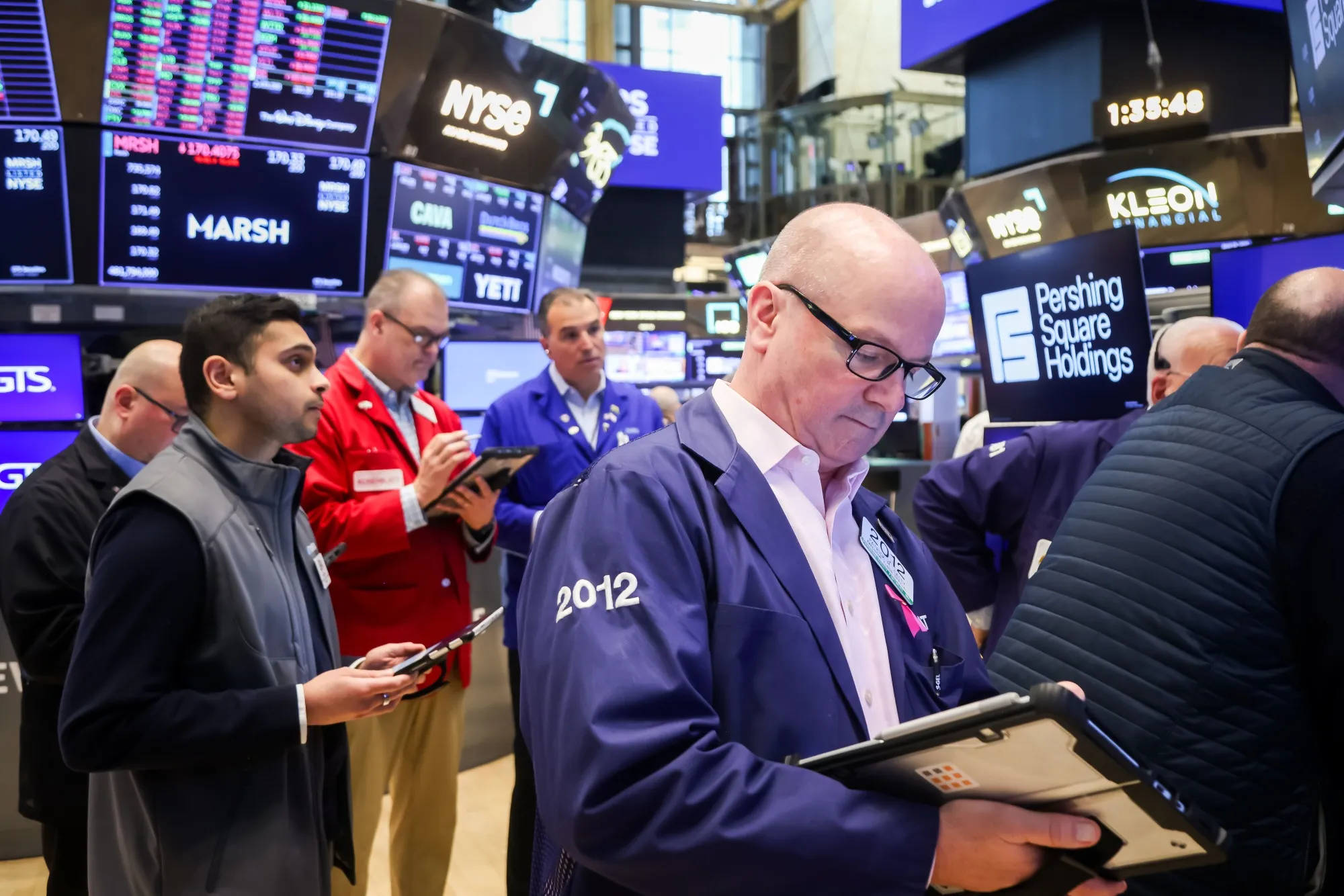
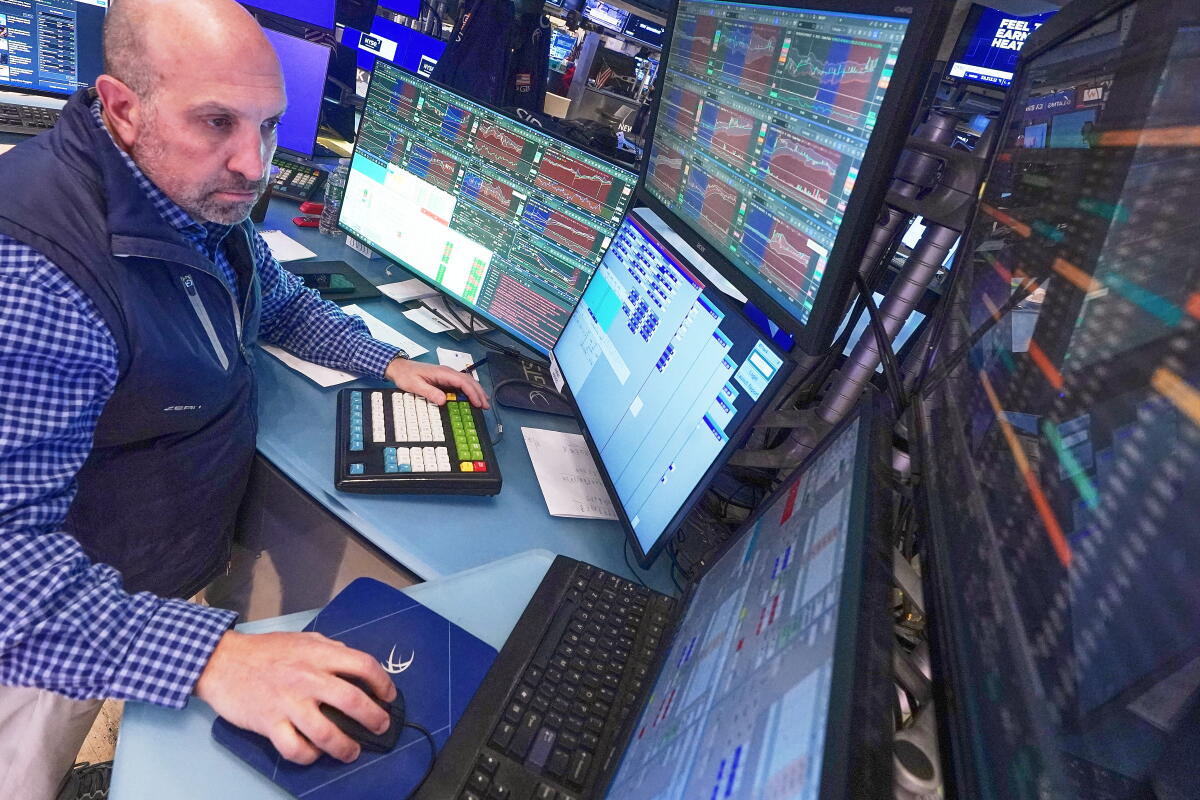
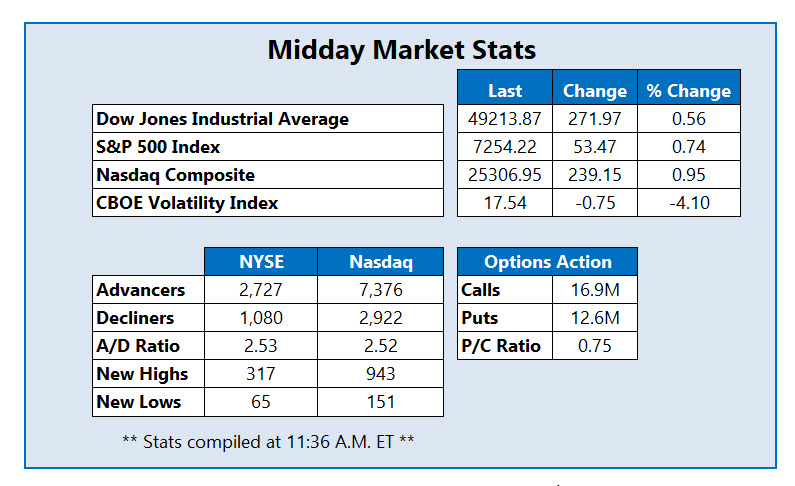
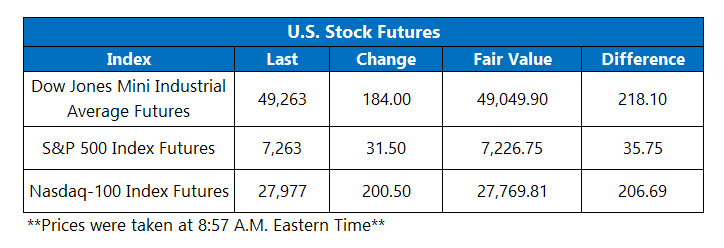
On May 5, 2026, major e-commerce infrastructure providers experienced significant market volatility that directly impacts cross-border sellers' operational costs and platform stability. Shopify and PayPal each declined 10-11% following broader market movements, while the Nasdaq reached a record high of 25,114.44, signaling investor uncertainty about technology valuations despite strong earnings. This volatility reflects investor concerns about growth sustainability and forward guidance—critical factors affecting platform investment in seller tools and fee structures.
The most operationally significant development is Amazon's launch of a comprehensive third-party logistics service, announced by CEO Andy Jassy. This initiative enables external retailers including Procter & Gamble and American Eagle Outfitters to access Amazon's distribution infrastructure, warehousing facilities, and last-mile delivery networks. The market immediately penalized traditional logistics competitors: UPS shares fell 10%+ and FedEx dropped 9%, indicating fundamental competitive restructuring. For cross-border sellers, this creates dual implications—access to premium logistics infrastructure with AI-powered routing optimization, but also increased competitive pressure as Amazon strengthens its operational moat and potentially leverages logistics advantages to favor first-party sales.
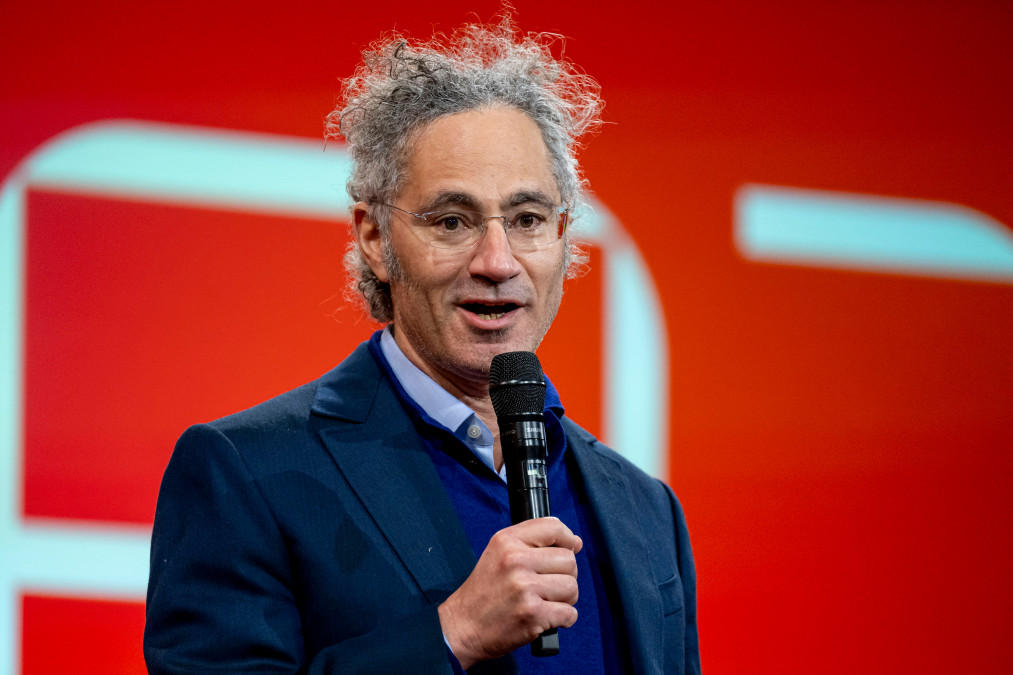
Software sector weakness despite strong earnings reveals investor focus on valuation sustainability rather than current performance. Palantir Technologies beat all Q1 metrics yet declined 5%+ due to a $9M miss in U.S. commercial revenue ($595M vs. $604M estimate), with the company transitioning clients toward AI tools. This pattern indicates that platform providers face margin pressure from AI investments—directly affecting seller-facing feature development and potential fee increases to offset R&D spending. Duolingo's decline despite beating earnings, attributed to "softer growth outlook and increased AI-related investments pressuring margins," exemplifies this trend. For sellers relying on Shopify's AI-powered tools, PayPal's payment processing, and Amazon's fulfillment services, this volatility signals potential platform consolidation, feature delays, or cost increases as companies prioritize AI development over seller experience improvements.
The broader market context—with oil prices declining 4% to $102.20/barrel and geopolitical tensions affecting investor sentiment—creates shipping cost uncertainty. Lower fuel surcharges benefit sellers in the near term, but the volatile market environment suggests logistics providers may implement dynamic pricing to offset margin compression from Amazon's competitive entry. Cross-border sellers should monitor these platform stocks as leading indicators of infrastructure investment trends and potential fee restructuring.
Questions 7
What does software sector weakness mean for seller technology costs?
Palantir's earnings beat followed by a 5%+ decline, attributed to margin pressure from AI investments, signals a broader pattern: platform providers are spending heavily on AI while facing investor pressure to maintain profitability. This typically results in fee increases or reduced free-tier features for sellers. Duolingo's similar pattern (beat earnings, declined on guidance) confirms this trend. Sellers should expect 8-12% cost increases in platform services over 12-18 months as companies offset AI R&D spending.
How does Amazon's new logistics service affect cross-border sellers?
Amazon's third-party logistics initiative creates dual opportunities and threats. Sellers gain access to premium distribution infrastructure, warehousing, and AI-optimized last-mile delivery—potentially reducing fulfillment costs 5-15% compared to traditional 3PL providers. However, UPS and FedEx's 9-10% stock declines signal competitive pressure that may force rate increases elsewhere. More critically, Amazon strengthens its operational moat, potentially favoring first-party inventory and increasing competitive pressure on third-party sellers using Amazon's platform.