


U.S. Meatpacking Antitrust Probe | Supply Chain Disruption & Pricing Volatility for Food Sellers
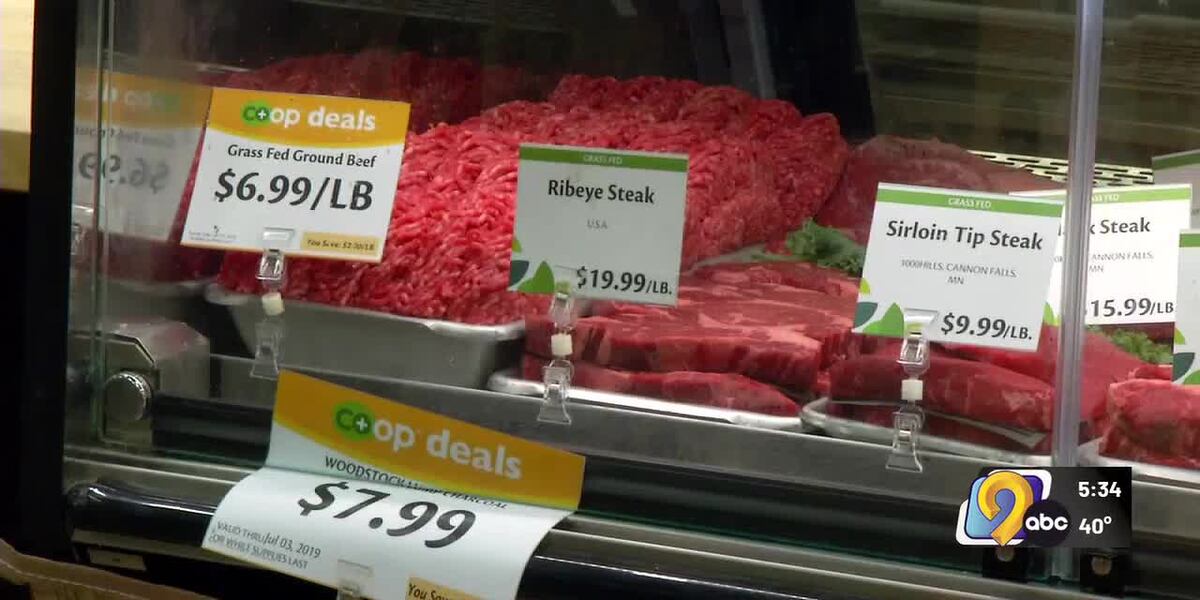
- DOJ targets 85% market concentration among 4 processors; ground beef prices hit $6.70/lb; cross-border food sellers face 15-25% sourcing cost volatility and supply chain uncertainty through 2026-2027



























.png?preset=facebook)


Overview
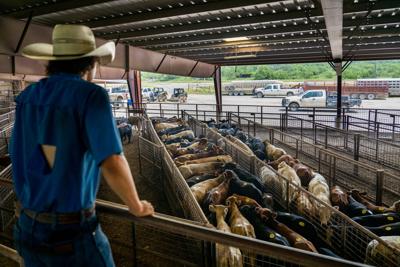
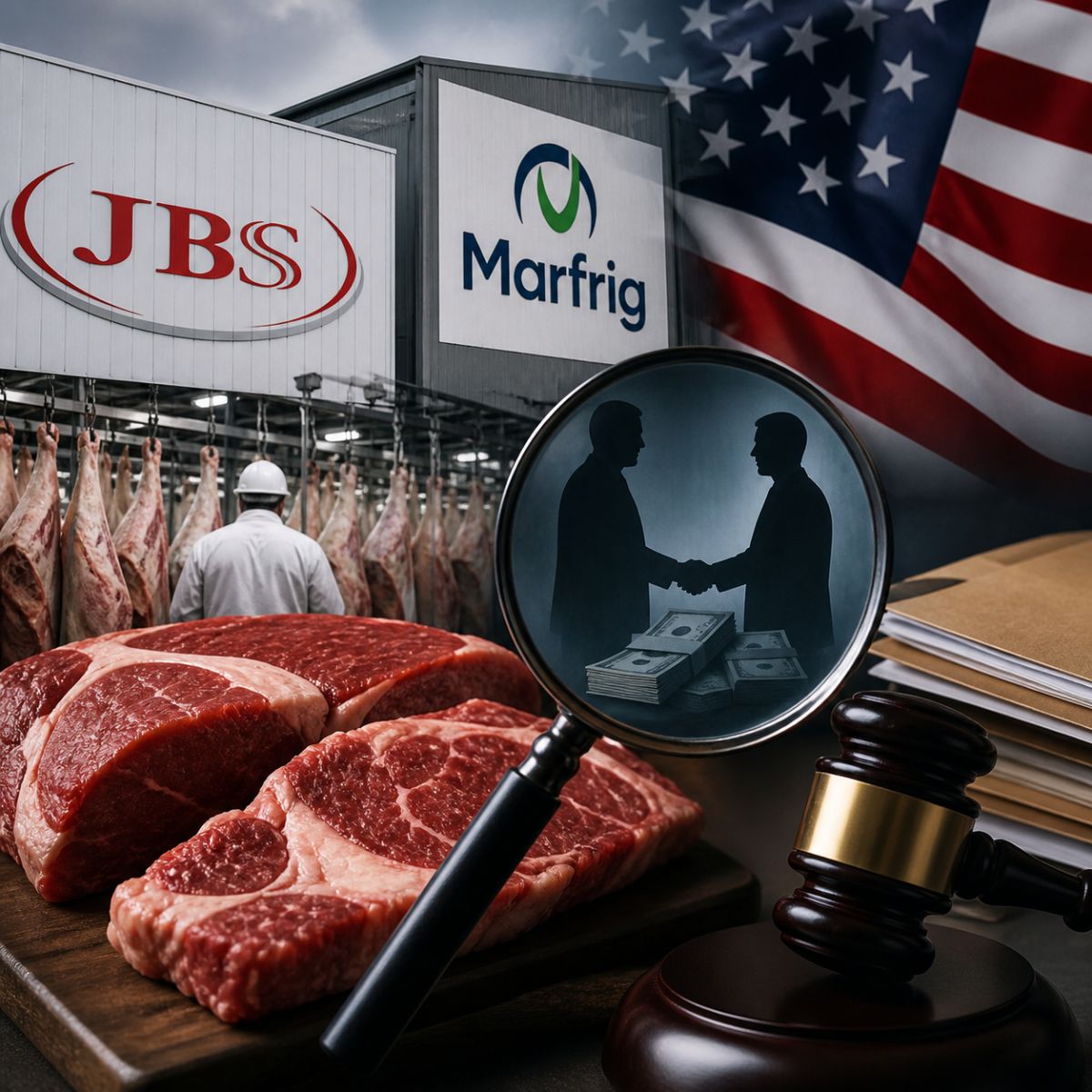
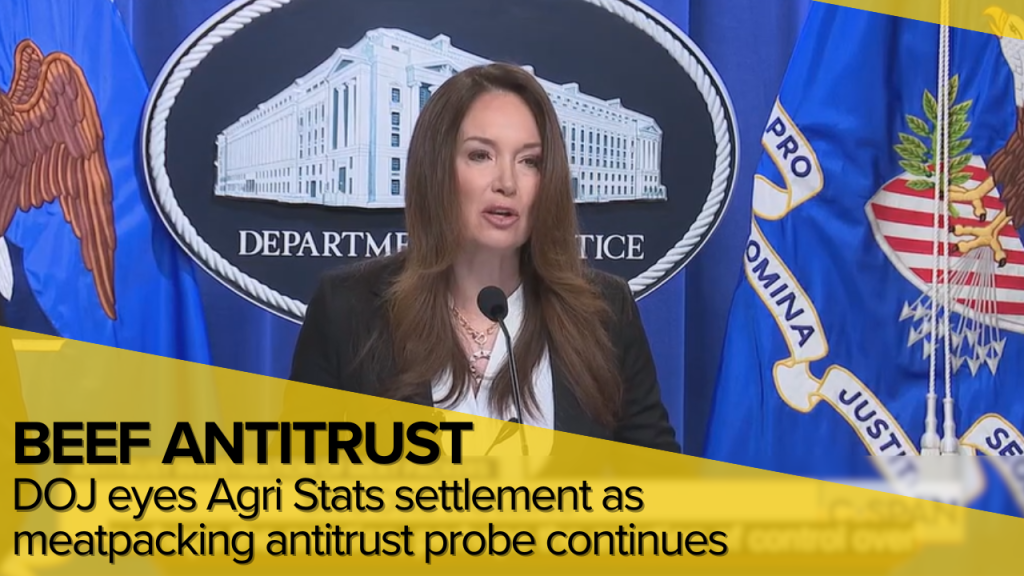
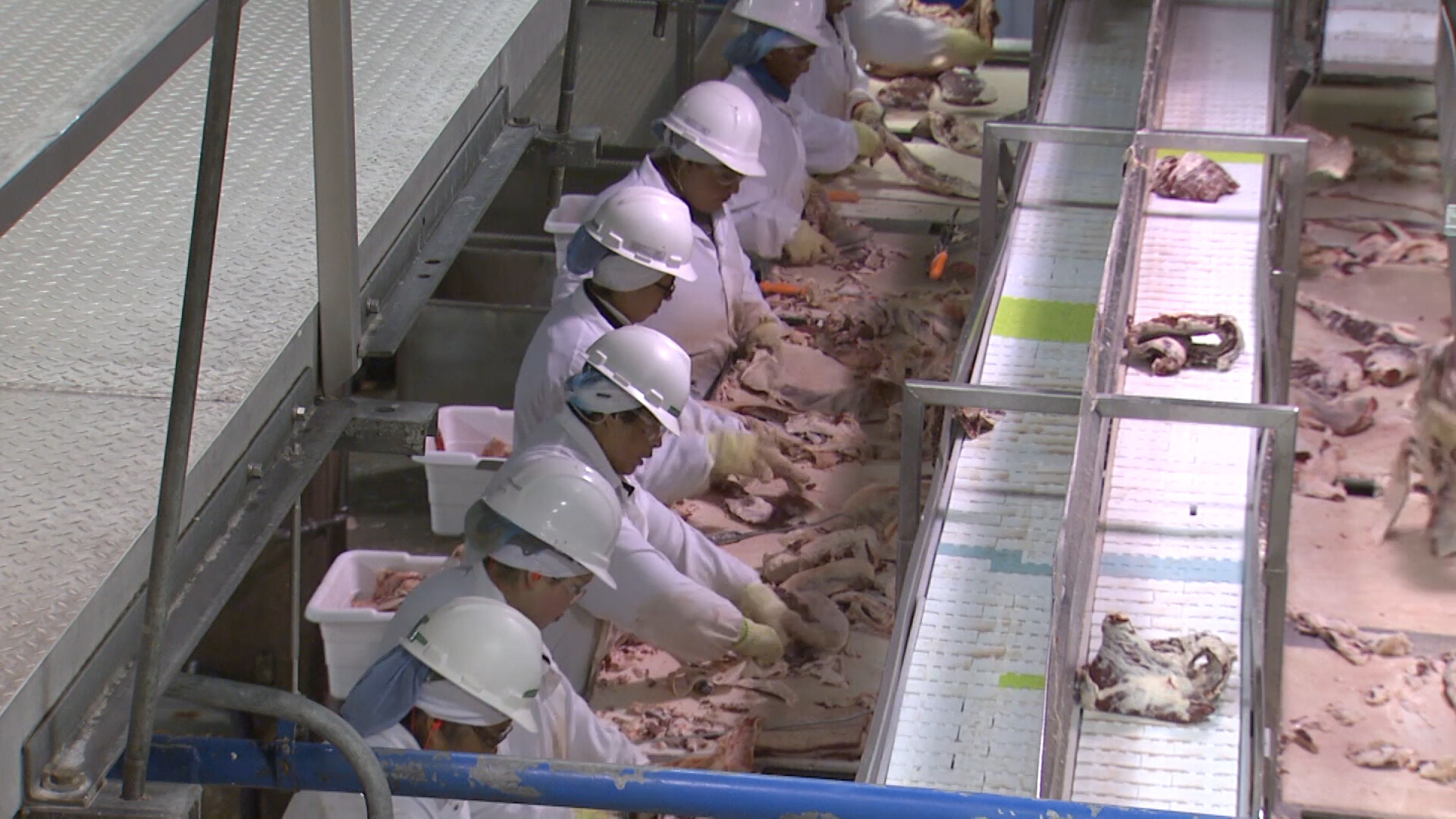
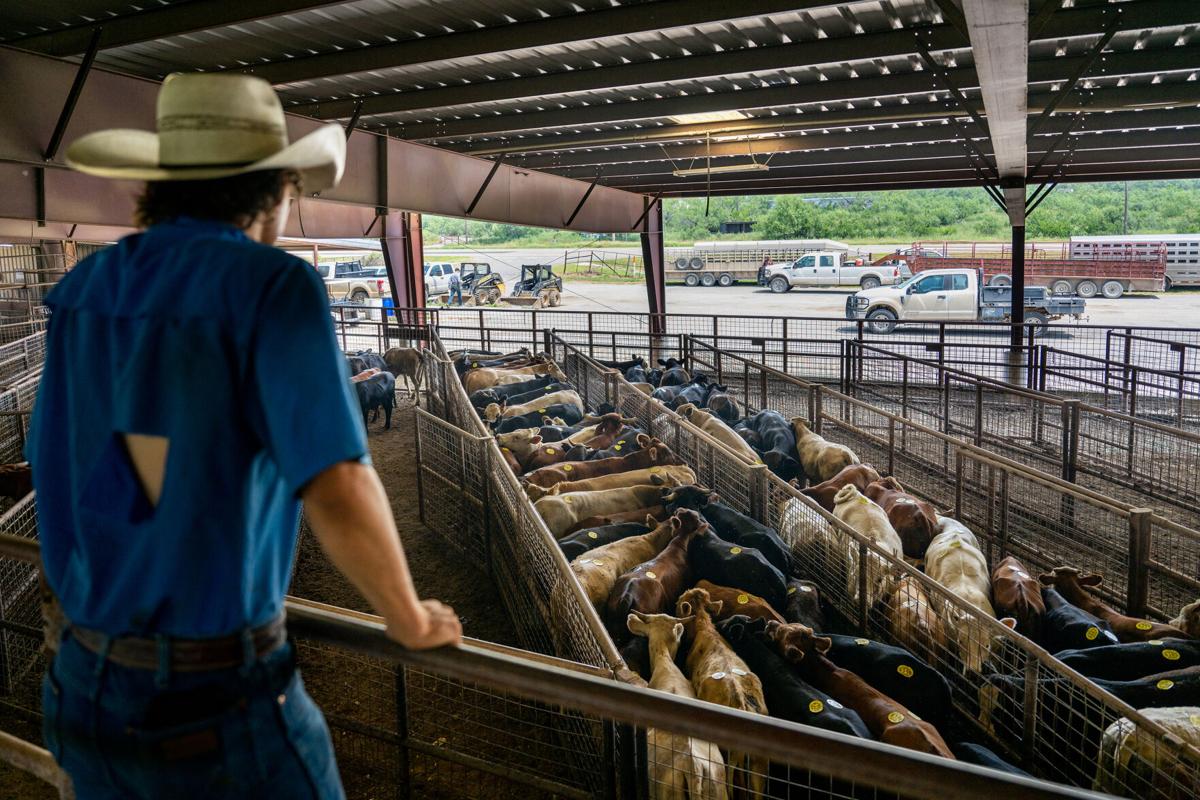
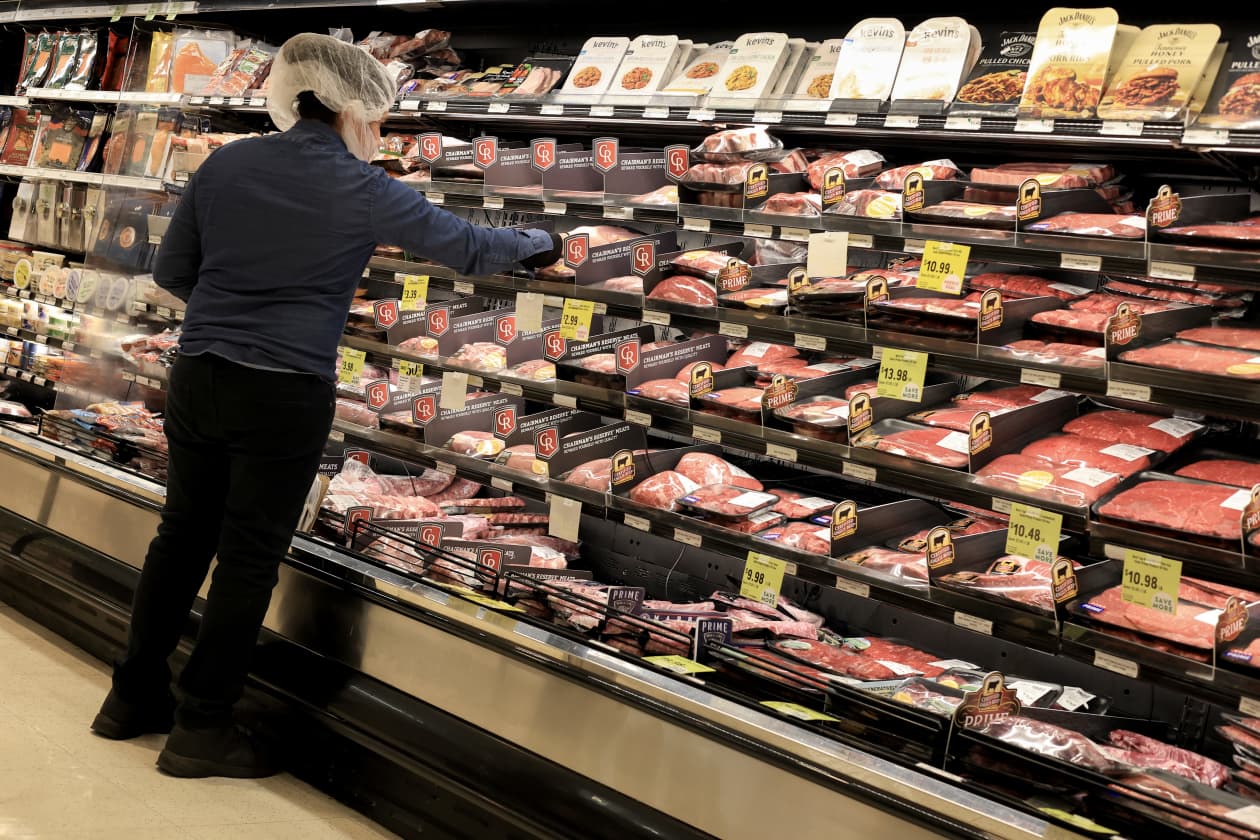
The U.S. Department of Justice launched a comprehensive antitrust investigation into meatpacking operations on May 4, 2026, targeting potential anticompetitive practices among the four dominant processors—JBS, National Beef, Cargill, and Tyson Foods—which control over 85% of the U.S. beef-processing market. This represents a dramatic consolidation increase from just 25% market concentration in 1977. Ground beef prices averaged $6.70 per pound in March 2026, reflecting severe supply disruptions from plant closures, droughts, wildfires, and declining cattle herds (at 1950s levels). The investigation, initiated following President Trump's November directive, signals heightened government scrutiny of agricultural consolidation and establishes precedent for broader antitrust enforcement affecting chicken, pork, turkey, and other meat categories.
For cross-border e-commerce sellers sourcing meat products, processed foods, and agricultural commodities, this investigation creates immediate supply chain and pricing volatility. Sellers importing U.S. beef, ground meat products, and protein-based foods face 15-25% cost fluctuations as the investigation progresses. The four major processors operate through dozens of subsidiary businesses, creating opaque competitive dynamics that obscure pricing transparency. Sellers relying on U.S. beef imports for Amazon Fresh, Walmart Marketplace, specialty food platforms, and international e-commerce channels must anticipate potential supply disruptions and price spikes. The investigation's scope—examining whether corporate consolidation artificially inflates prices—suggests potential forced divestitures or operational restructuring of major processors, which could temporarily disrupt supply availability and increase sourcing costs by 10-20% during transition periods.
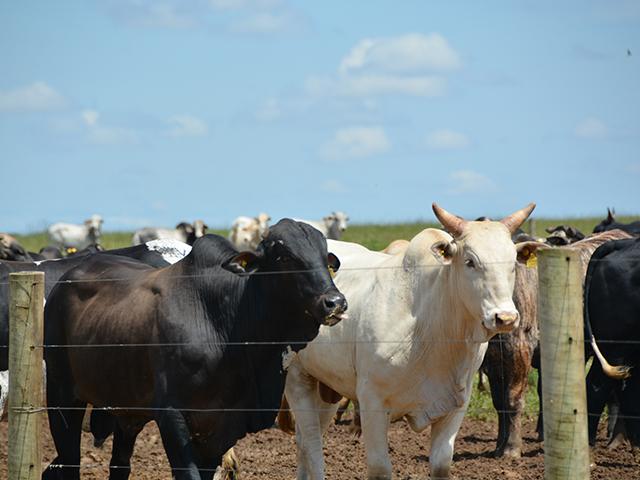
The competitive landscape shift favors sellers with diversified sourcing strategies and alternative protein suppliers. With cattle herds declining to 1950s levels and over 100,000 ranches lost in the past decade, traditional U.S. beef sourcing becomes increasingly constrained. Sellers should evaluate alternative protein sources (Australian beef, Brazilian imports, plant-based alternatives) and geographic diversification to mitigate single-source dependency. The investigation's precedent-setting nature indicates broader regulatory focus on supply chain transparency and fair competition practices, potentially increasing compliance requirements for food category sellers regarding supplier documentation, pricing justification, and market concentration disclosures. Stock market reactions—JBS shares fell 1.3% while Tyson Foods rose 4.1% on strong earnings—suggest market uncertainty about investigation outcomes and potential company-specific impacts. Sellers should monitor investigation developments for potential forced divestitures, operational restructuring, or supply chain reorganization that could affect product availability and pricing strategies through 2027.
Questions 8
Should I shift to alternative protein sources or international beef suppliers?
Yes, immediate diversification is strategically prudent. With U.S. cattle herds at 1950s levels and over 100,000 ranches lost in the past decade, traditional U.S. beef sourcing faces structural constraints independent of the investigation. Evaluate Australian beef (HS 0201), Brazilian imports, and Canadian sources as primary alternatives. Plant-based protein alternatives (HS 2106) offer pricing stability and growing consumer demand, particularly for Amazon Fresh and specialty food platforms. Allocate 30-40% of protein sourcing to non-U.S. sources within 90 days. This diversification protects against both investigation-driven supply disruptions and long-term cattle herd decline trends affecting U.S. beef availability.
What compliance requirements might increase for food sellers due to this investigation?
The investigation signals heightened regulatory focus on supply chain transparency and fair competition practices, likely increasing compliance requirements for food category sellers. Expect potential new documentation requirements for supplier sourcing, pricing justification, and market concentration disclosures. Sellers should prepare supplier agreements that clearly document pricing terms, supply guarantees, and alternative sourcing options. The precedent-setting nature of this investigation suggests broader antitrust enforcement in agricultural sectors, requiring sellers to maintain detailed records of supplier relationships, pricing negotiations, and competitive positioning. Begin documenting supplier diversity and alternative sourcing arrangements now to demonstrate compliance readiness.