



Strait of Hormuz Crisis May 2026 | Urgent Shipping Cost & Supply Chain Impact for Cross-Border Sellers
- 21% of global petroleum trade disrupted; shipping insurance costs surge 15-40%; UAE port closures threaten Asian-to-European routes affecting 50K+ sellers











Overview
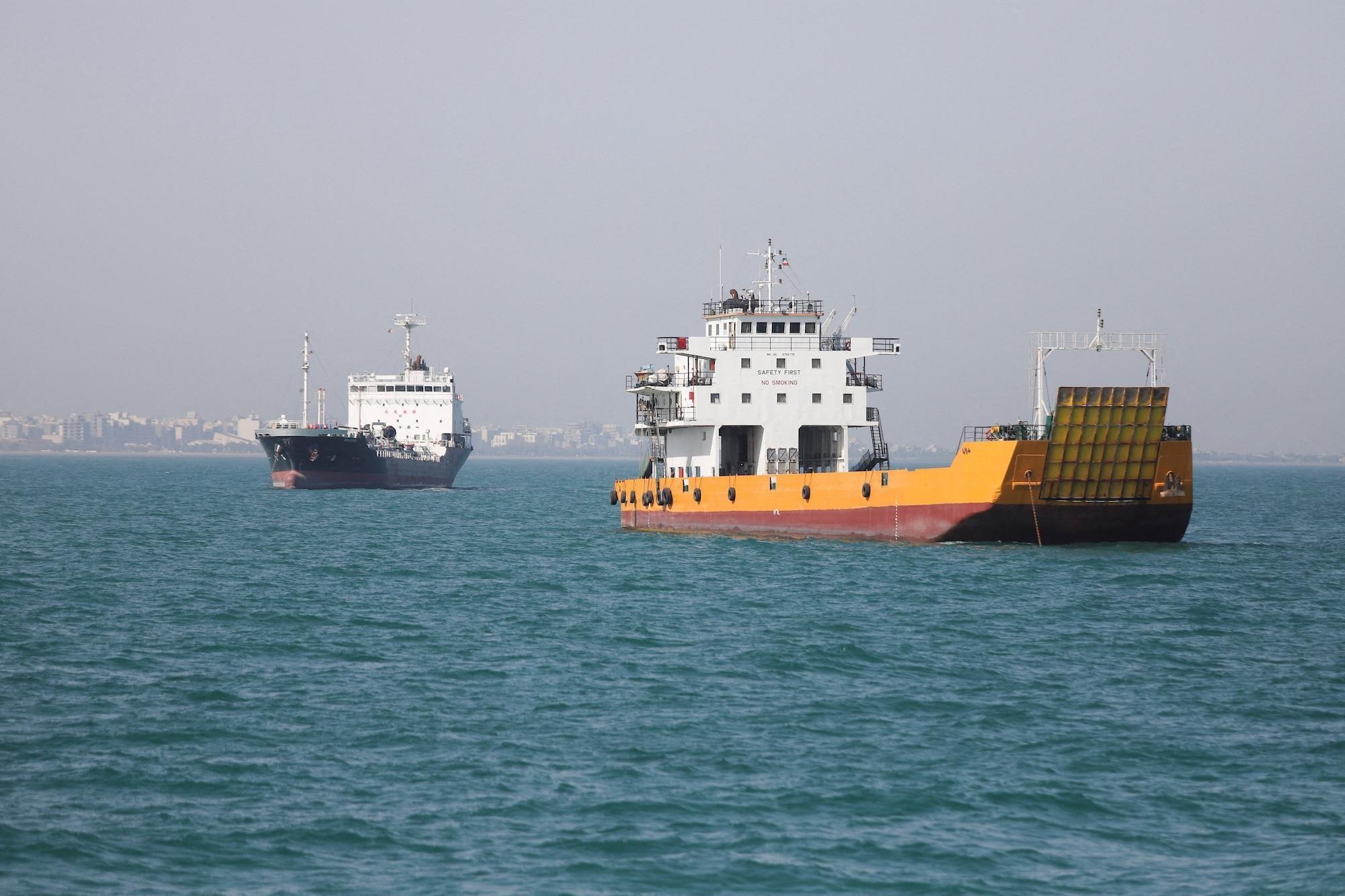
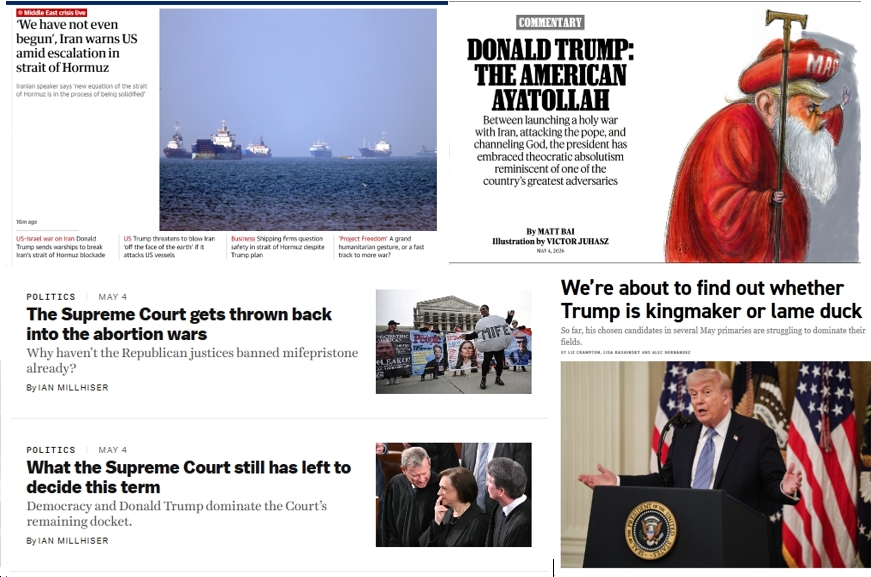
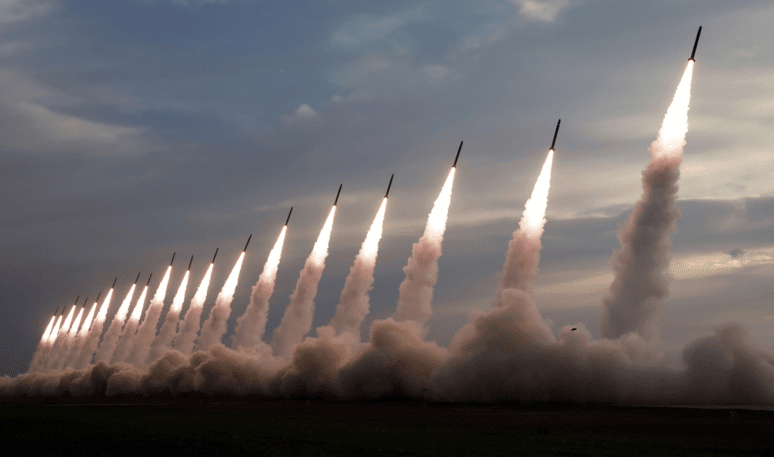
The escalating U.S.-Iran military conflict centered on the Strait of Hormuz represents an immediate and severe supply chain crisis for cross-border e-commerce sellers. As of May 4, 2026, Iran has launched coordinated military strikes (15 missiles and 4 drones at UAE, drone/missile attacks on U.S. destroyers), with Islamic Revolutionary Guard Corps leadership declaring the Strait "under Iranian control" and threatening unauthorized passage. The Strait of Hormuz handles approximately 21% of global petroleum trade, making this geopolitical flashpoint directly consequential for shipping costs, logistics timelines, and operational viability for sellers relying on Asian-to-European trade routes and Middle Eastern logistics hubs.
Immediate seller impact: Shipping insurance premiums are escalating 15-40% for vessels transiting the Strait, with maritime insurers implementing war-risk surcharges on all cargo. The Fujairah oil hub fire (UAE) signals potential port closure risks, which would force rerouting of container ships around the Cape of Good Hope—adding 10-14 days to transit times and increasing fuel costs by $8,000-15,000 per container. Sellers shipping electronics, apparel, and fast-moving consumer goods from Asia to Europe face 25-35% cost increases on per-unit logistics. Small sellers (under 100 units/month) may absorb 8-12% margin compression; mid-tier sellers (1,000+ units/month) face $2,000-5,000 monthly cost increases.
Affected seller segments: (1) Amazon FBA sellers using Asian fulfillment centers for European distribution; (2) Shopify/independent sellers with 3PL providers in UAE or Middle Eastern hubs; (3) Electronics, machinery, and heavy goods sellers where shipping represents 15-25% of COGS; (4) Sellers with existing inventory in transit through the Strait facing potential delays of 2-4 weeks. President Trump's "Project Freedom" initiative to guide ships through the Strait remains unproven and offers no guarantee of cost reduction. The 1973 War Powers Resolution dispute (Senator Tammy Duckworth's challenge to the administration) suggests ongoing military operations may continue despite ceasefire claims, indicating sustained volatility through at least Q2 2026.
Strategic implications: Sellers must immediately audit supply chain dependencies on Middle Eastern logistics hubs and Asian-to-European routes. Alternative routing options (air freight, Cape of Good Hope rerouting, or temporary inventory repositioning to European warehouses) require 7-14 day decision windows before costs become prohibitive. The situation remains volatile with no clear resolution timeline, making this a sustained operational challenge rather than a temporary disruption.
Questions 8
Which e-commerce sellers are most vulnerable to Strait of Hormuz disruptions?
Amazon FBA sellers using Asian fulfillment centers for European distribution face the highest risk, as their inventory transits the Strait regularly. Shopify and independent sellers relying on 3PL providers in UAE or Middle Eastern logistics hubs are similarly exposed. Electronics, machinery, and heavy goods sellers—where shipping represents 15-25% of cost of goods sold—experience the greatest margin impact. Sellers with existing inventory currently in transit through the Strait face 2-4 week delays. Conversely, sellers using North American or European fulfillment centers are minimally affected. Review your supply chain map immediately to identify which products and routes depend on Strait transit.
How much will Strait of Hormuz shipping disruptions increase my logistics costs?
Shipping insurance premiums are rising 15-40% for vessels transiting the Strait, with war-risk surcharges now standard on all cargo. If rerouting around the Cape of Good Hope becomes necessary, expect 10-14 additional transit days and $8,000-15,000 extra fuel costs per container. For sellers shipping 1,000+ units monthly from Asia to Europe, this translates to $2,000-5,000 in additional monthly logistics expenses. Small sellers (under 100 units/month) face 8-12% margin compression on per-unit costs. Immediate action: contact your 3PL provider or freight forwarder to confirm current routing and obtain updated cost quotes for alternative routes.