




Strait of Hormuz Oil Crisis 2026 | Shipping Cost Surge & Seller Margin Compression
- Logistics costs spike 15-25% as 20% global oil supply disrupted; Asia-Pacific sellers face highest impact through May 2026

















Overview
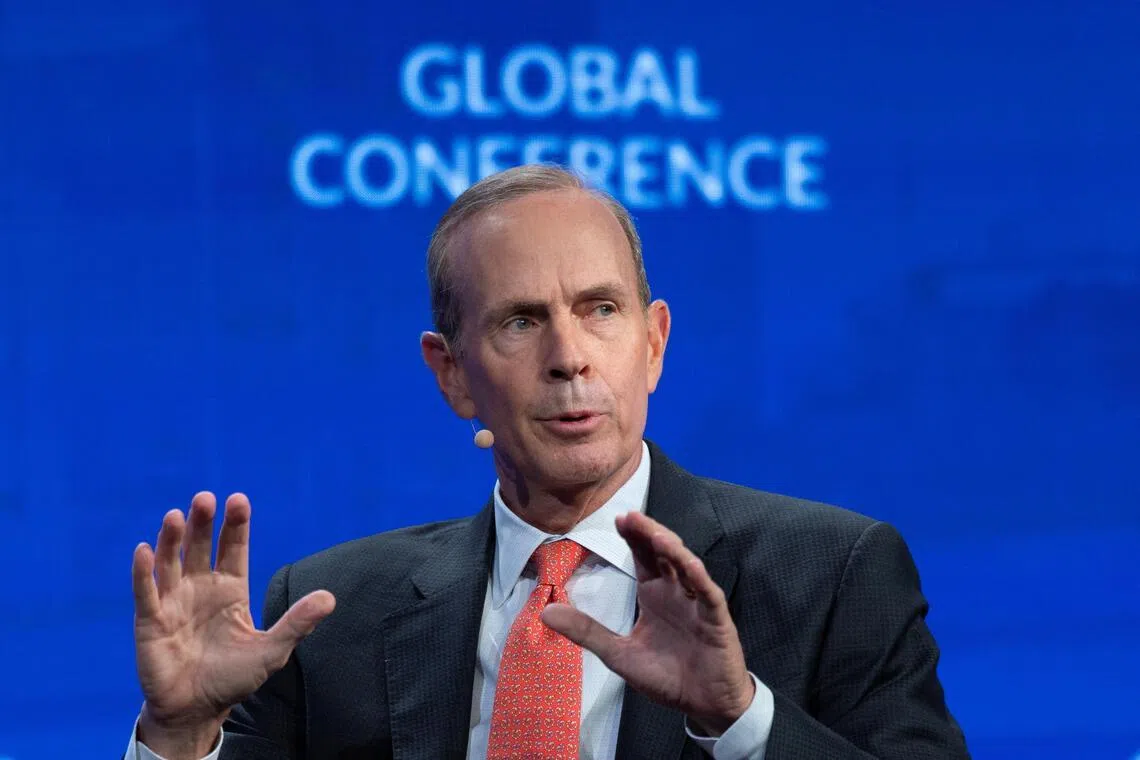
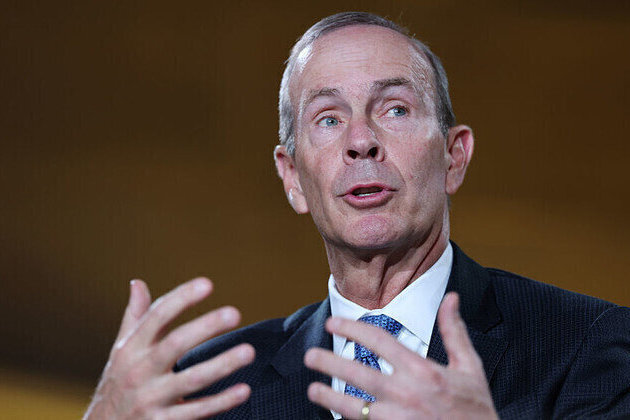
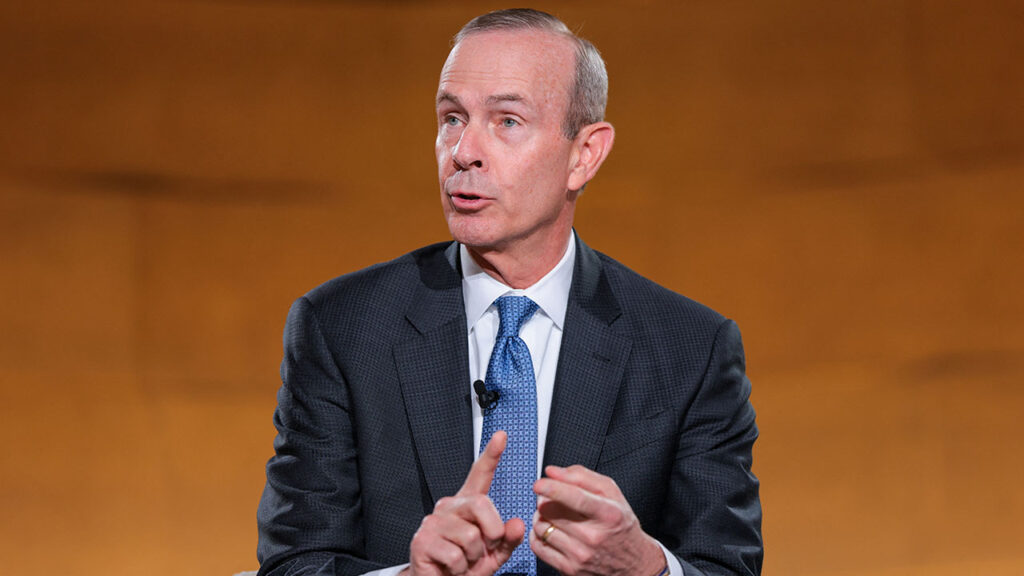
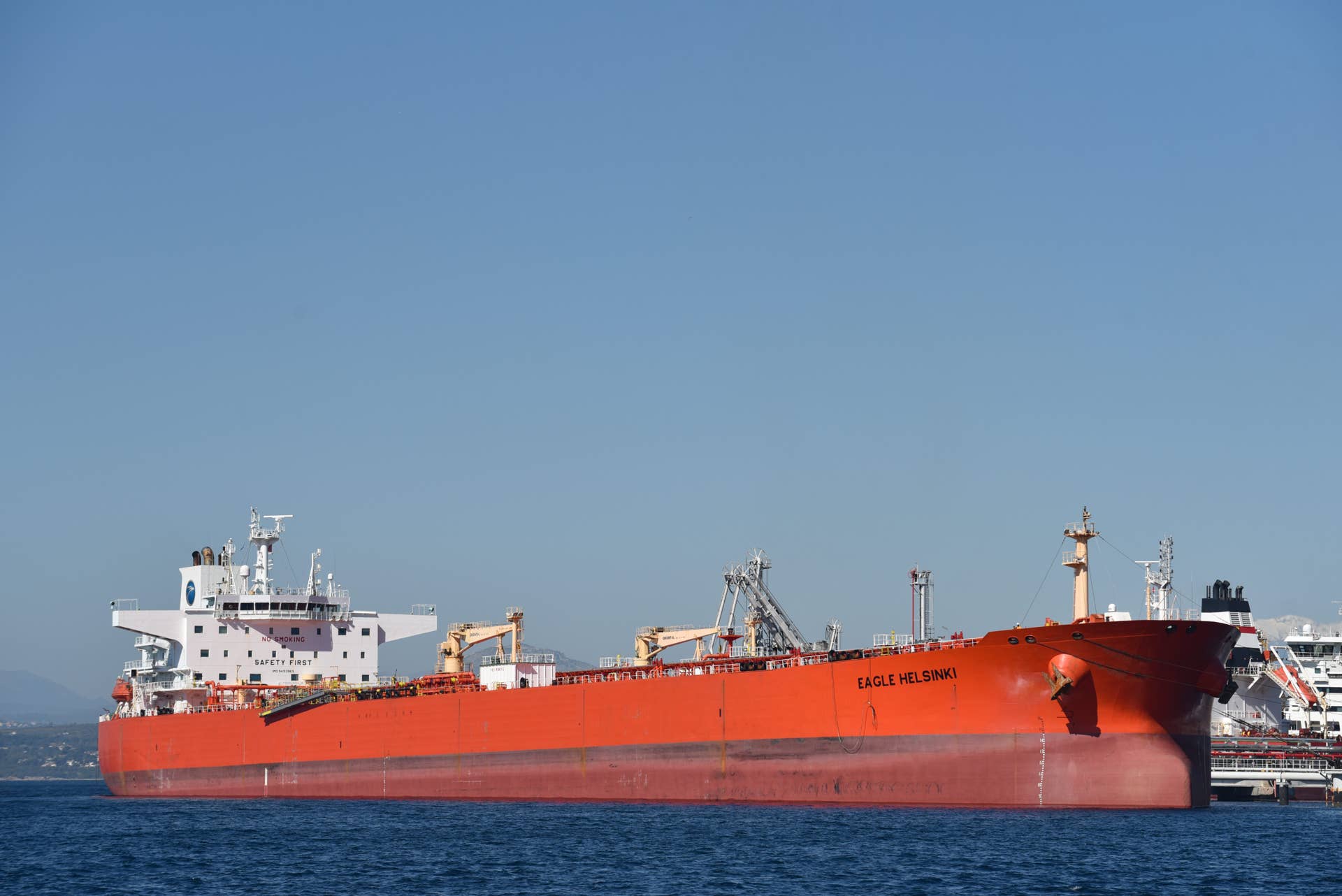
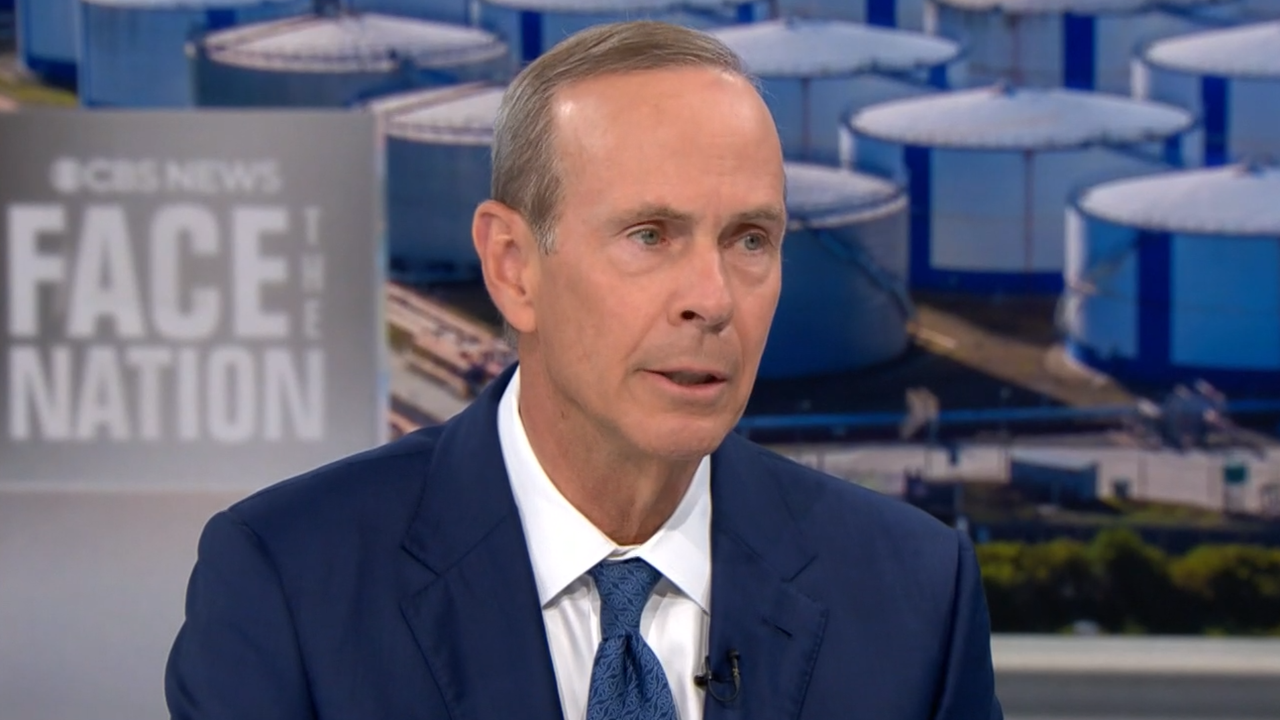
The Strait of Hormuz closure announced May 4, 2026, by Chevron CEO Mike Wirth represents a critical supply shock affecting 20% of global crude oil flows, with direct implications for cross-border e-commerce logistics costs and seller profitability. The geopolitical disruption—resulting from U.S.-Israeli military operations against Iran—has already triggered commercial failures (Spirit Airlines ceased operations due to surging jet fuel costs) and is depleting shadow fleet tankers and strategic reserves. This creates an immediate 3-6 month window of elevated shipping expenses that will compress margins across all seller segments.
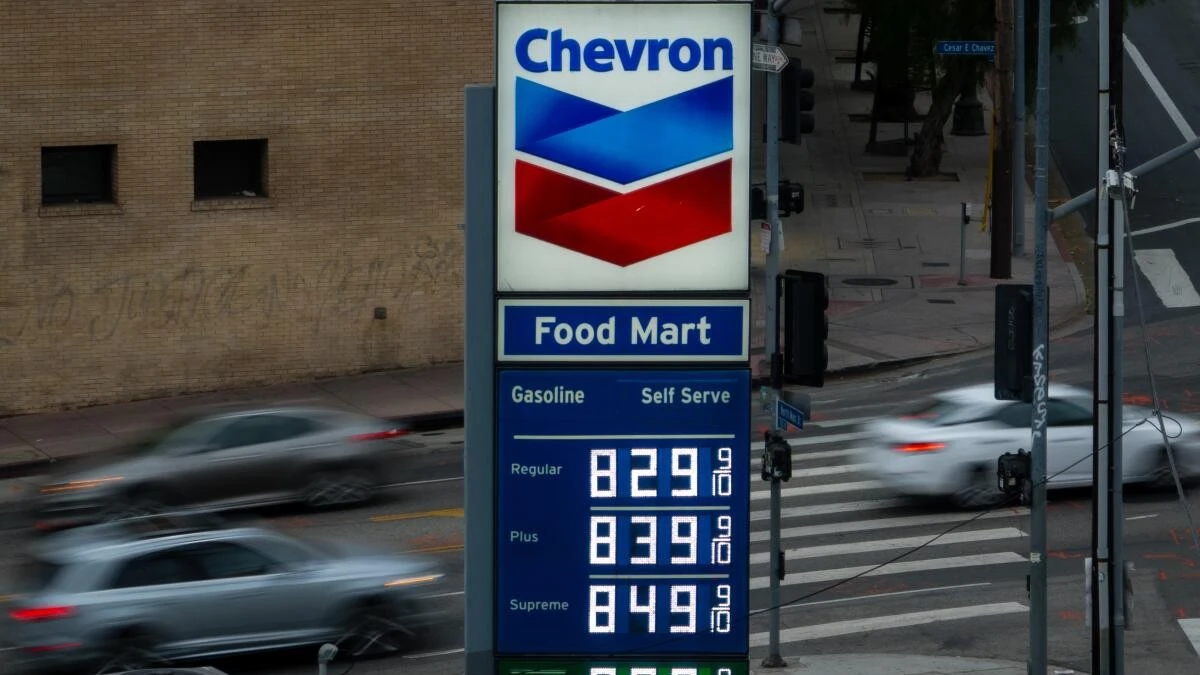
For Amazon FBA and 3PL-dependent sellers, the operational impact is substantial and measurable. Chevron's analysis indicates Asia-Pacific regions face the most severe impact due to Gulf oil dependency, followed by Europe, while U.S.-based sellers experience delayed but eventual cost increases. Long Beach Port—serving Los Angeles and Southern California's massive e-commerce fulfillment hubs—is processing the last scheduled Gulf oil shipments, signaling imminent supply tightening. Historical precedent from 1970s oil crises demonstrates potential severity: fuel rationing, pump shortages, and demand destruction. Current shipping rates from Asia to North America (typically $2,500-4,500 per 40ft container) are projected to increase 15-25% through Q3 2026, translating to $375-1,125 additional cost per container. For sellers shipping 50+ containers monthly, this represents $18,750-56,250 in incremental monthly logistics expenses.
Sellers must immediately recalibrate inventory positioning and shipping strategies to survive the margin compression window. Small-to-medium sellers (SMBs) shipping via LTL or parcel carriers face disproportionate impact—parcel rates typically increase 20-30% during fuel surges—while large sellers with contracted ocean freight rates have 30-60 day protection before renegotiation. Asia-based sellers exporting to North America and Europe should accelerate shipments before June 2026 to lock in current rates; sellers relying on air freight face 25-35% cost increases immediately. Consider shifting 20-30% of inventory to regional 3PL providers in Mexico, Canada, or Eastern Europe to reduce long-haul shipping dependency. Monitor Long Beach Port congestion daily—as the last Gulf shipments clear, port capacity will shift to alternative supply routes (West Africa, Russia, non-OPEC sources), creating temporary logistics bottlenecks. Implement dynamic pricing strategies to pass 8-12% of shipping cost increases to consumers before demand destruction accelerates. High-margin categories (electronics, luxury goods, collectibles) can absorb increases; low-margin categories (apparel, home goods, consumables) require aggressive cost reduction or market exit decisions by June 30, 2026.
Questions 8
How does the oil crisis affect inventory planning and working capital for sellers?
Extended shipping times and higher costs increase working capital requirements by 15-25% for sellers maintaining Asia-based inventory. Sellers should reduce inventory turnover targets from 4-6x annually to 3-4x during the May-August 2026 crisis window to avoid excess stock. Accelerate inventory clearance of slow-moving SKUs before June 2026 to free working capital for high-margin products. Implement stricter inventory management through Amazon's IPI (Inventory Performance Index) scoring to avoid storage fee penalties during the crisis. Consider short-term financing options (inventory loans, supply chain financing) to bridge working capital gaps created by higher shipping costs and extended payment terms.
What is the timeline for shipping cost impacts and when will rates normalize?
The Strait of Hormuz closure announced May 4, 2026, creates an immediate 3-6 month window of elevated shipping expenses through approximately August 2026. Ocean freight rates face renegotiation at 30-60 day intervals for large sellers and immediately for spot market purchases. Parcel and LTL carriers implement fuel surcharges within 7-14 days of crude price increases. Historical precedent from 1970s oil crises suggests potential duration of 6-12 months if the geopolitical situation escalates. Sellers should plan cost mitigation strategies through Q3 2026 and monitor Strait of Hormuz status weekly for normalization signals.