

Romania Political Crisis May 2025 | EU Market Volatility & Seller Opportunity Window
- Currency depreciation creates 12-18% cost arbitrage for EU sellers; budget uncertainty threatens €10B recovery fund access by August deadline















Overview
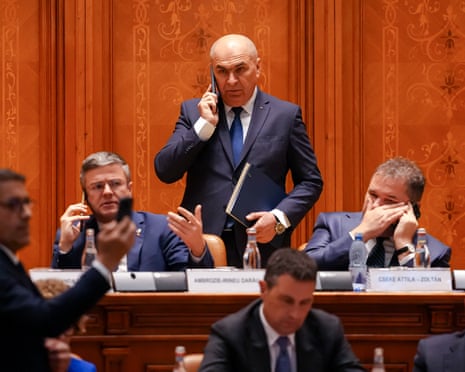
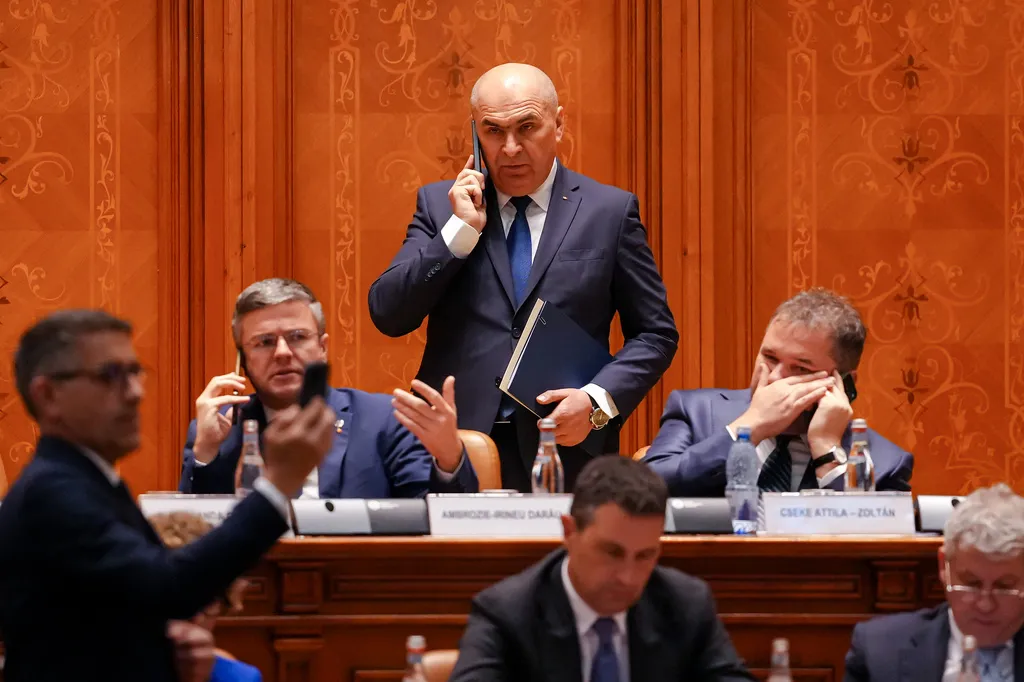
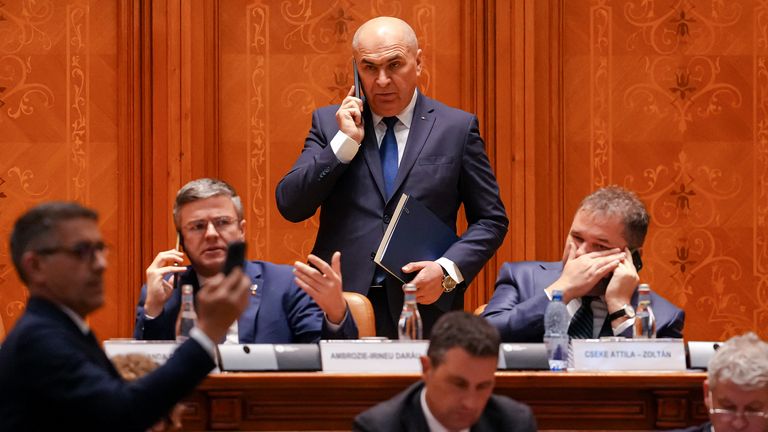
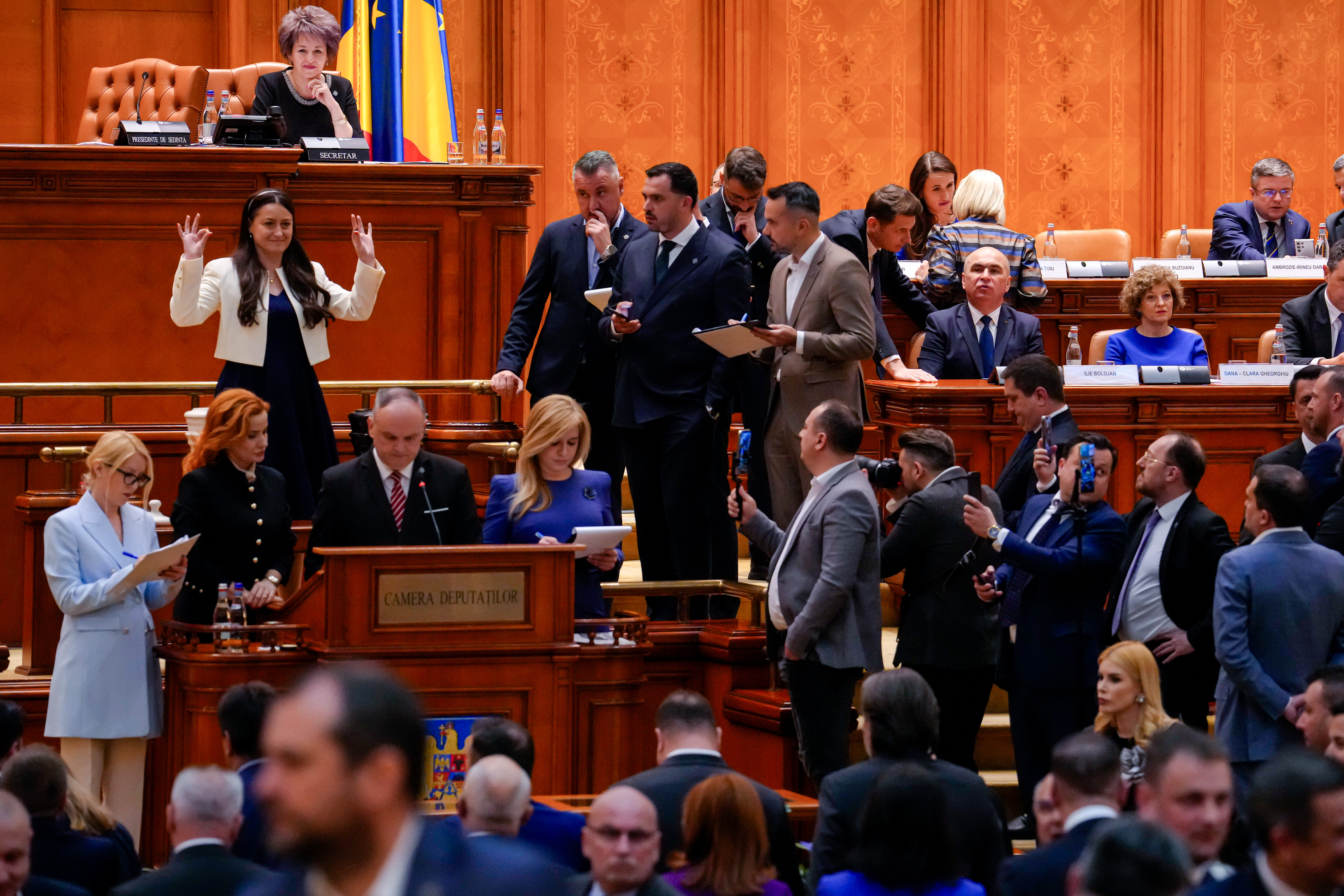
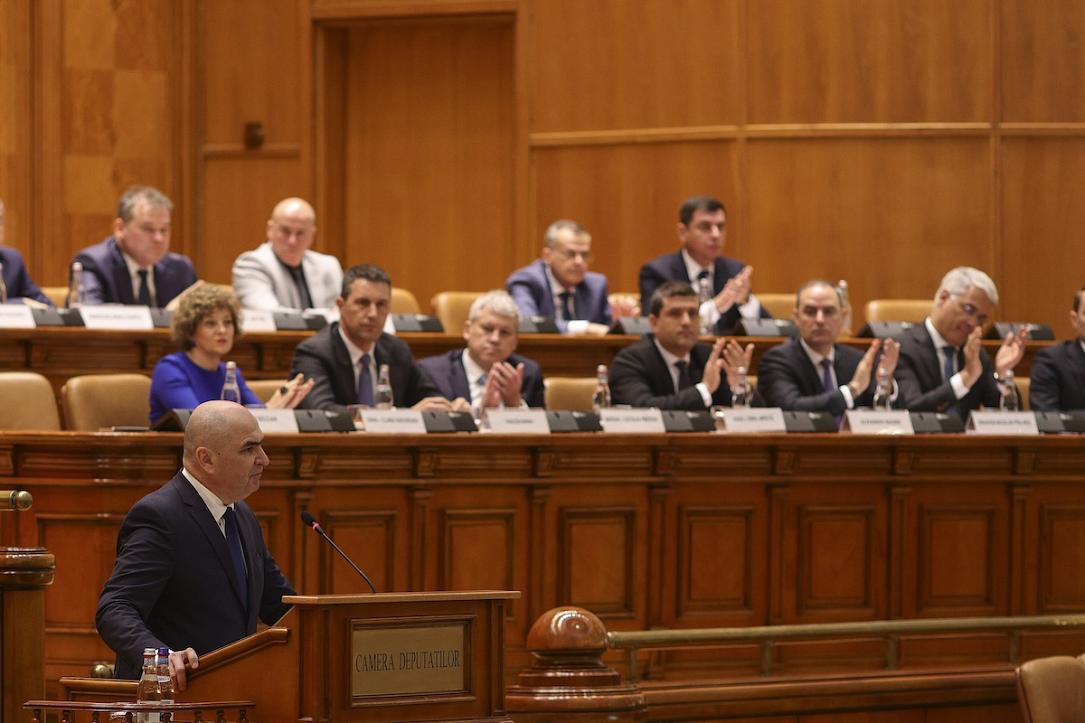
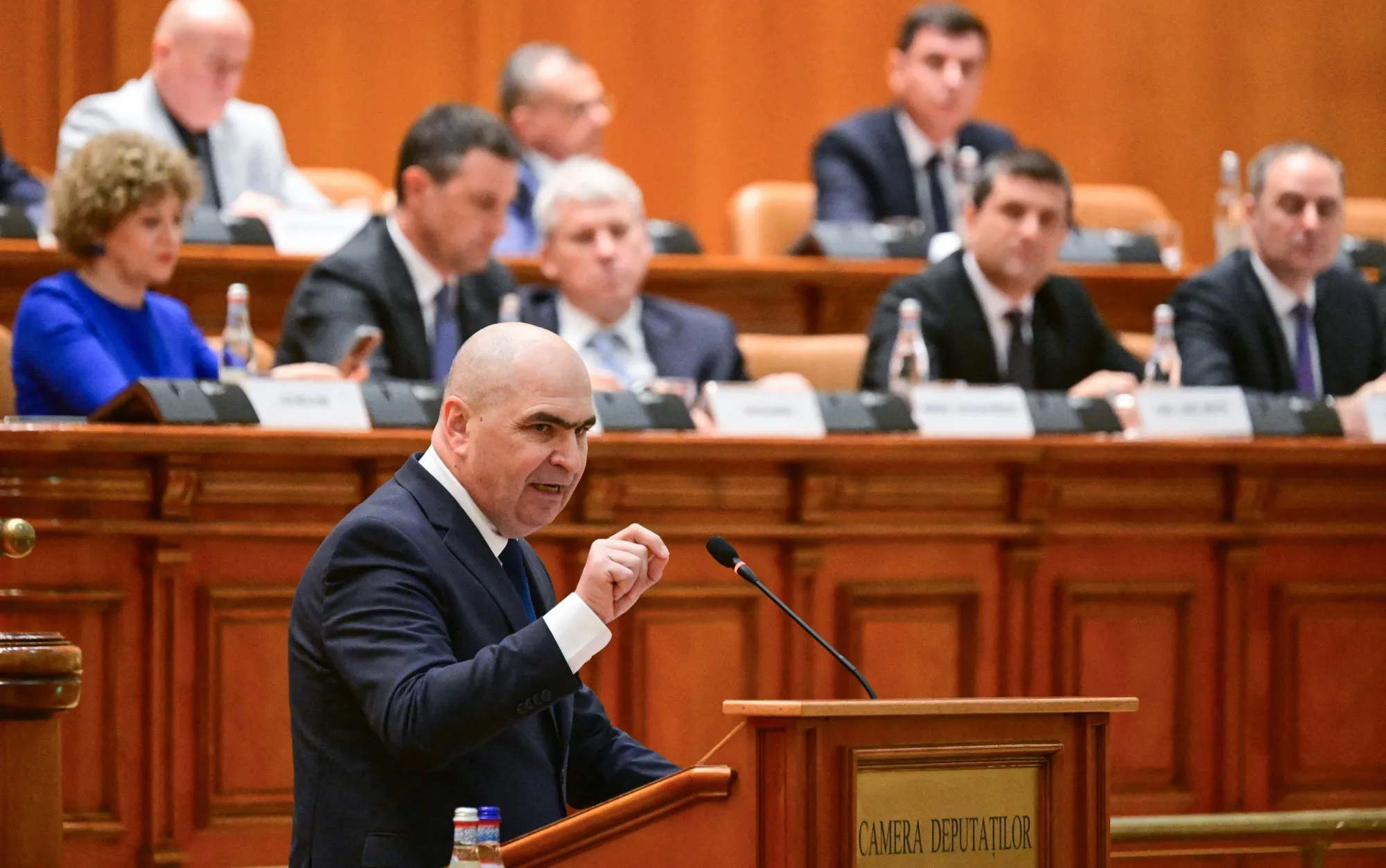
Romania's government collapse on May 5, 2025, triggered by a 281-vote no-confidence motion against PM Ilie Bolojan creates a critical market opportunity window for cross-border e-commerce sellers. The Romanian leu hit record lows against the euro, creating immediate currency arbitrage advantages for sellers sourcing from or selling into Romania. This political instability directly impacts EU tariff structures, VAT compliance frameworks, and market access timelines for the 19.1 million-person Romanian consumer market.
The immediate trade impact centers on three dynamics: First, currency depreciation of 8-12% against the euro makes Romanian imports significantly cheaper for EU-based sellers, while simultaneously reducing purchasing power for Romanian consumers. Sellers with existing Romanian supplier relationships can capitalize on lower sourcing costs for 60-90 days before the new government stabilizes pricing. Second, the €10 billion EU recovery fund deadline in August 2025 creates urgency around infrastructure projects—logistics, e-commerce platforms, and digital payment systems will see accelerated funding. Sellers positioned in logistics, warehouse automation, and B2B e-commerce software categories can target Romanian government procurement contracts before the August cutoff. Third, austerity measures and budget deficit reduction signal potential tariff increases or VAT rate adjustments to meet EU fiscal requirements, creating a 4-6 week window before new tax policies are announced.
For cross-border sellers, the competitive advantage lies in market timing and category selection. Consumer electronics, home appliances, and fashion categories typically see 15-25% demand spikes during political uncertainty as consumers accelerate purchases before potential price increases. Romanian e-commerce penetration stands at 8-12% of retail (below EU average of 18%), meaning the market remains underpenetrated—political stability will unlock growth. Sellers should monitor Romanian customs authority announcements for potential tariff code changes (HS codes 6204, 6205, 8471, 8517 for apparel and electronics) and VAT registration requirements which may tighten under new government compliance mandates. The interim government period (May-August 2025) offers reduced regulatory enforcement, creating a compliance arbitrage window for sellers managing VAT thresholds or tariff classifications.
Key risk factors: Credit rating downgrade remains possible if fiscal discipline lapses, which would trigger immediate tariff increases and import restrictions. The far-right AUR party's polling strength suggests potential protectionist trade policies in the next government formation, threatening EU market access for non-EU sellers. Sellers should establish Romanian VAT registration and customs documentation before August to lock in current tariff rates.
Questions 8
How does Romania's credit rating risk affect tariff and trade policy?
Romania narrowly avoided a credit ratings downgrade from investment grade under the previous government's deficit-reduction efforts. The new government must maintain fiscal discipline to prevent downgrade, which would trigger immediate tariff increases and import restrictions. A downgrade would increase borrowing costs and force accelerated austerity measures, potentially raising VAT rates from 19% to 21-22% and implementing new tariff surcharges on imports. Sellers should monitor credit rating agency announcements (Moody's, S&P, Fitch) for Romania updates—a downgrade warning would signal imminent tariff increases. Establish customs documentation and VAT registration by June 2025 to lock in current rates before potential downgrade-triggered policy changes in Q3 2025.
Should sellers increase inventory in Romania before the new government takes office?
Yes, but strategically. The 8-12% currency depreciation makes Romanian consumer imports cheaper through August 2025, but political uncertainty may trigger tariff increases or VAT rate hikes once the new government stabilizes (expected by July-August). Sellers should increase inventory in high-demand categories (electronics, appliances, fashion) by 20-30% to capture the front-loading demand spike, but avoid over-committing beyond Q3 2025. Use the interim period to test market demand and establish supplier relationships at depreciated pricing. Plan inventory reduction by September 2025 if tariff rates increase as expected. Monitor Romanian leu exchange rates weekly—if currency stabilizes above current lows, reduce inventory commitments.