
TikTok Shop Dominates Social Commerce | $17.5B Opportunity for Sellers
- 200,000+ sellers scaling on algorithm-driven platform; 79% sales in health/beauty; major brands control 66% of revenue
Overview
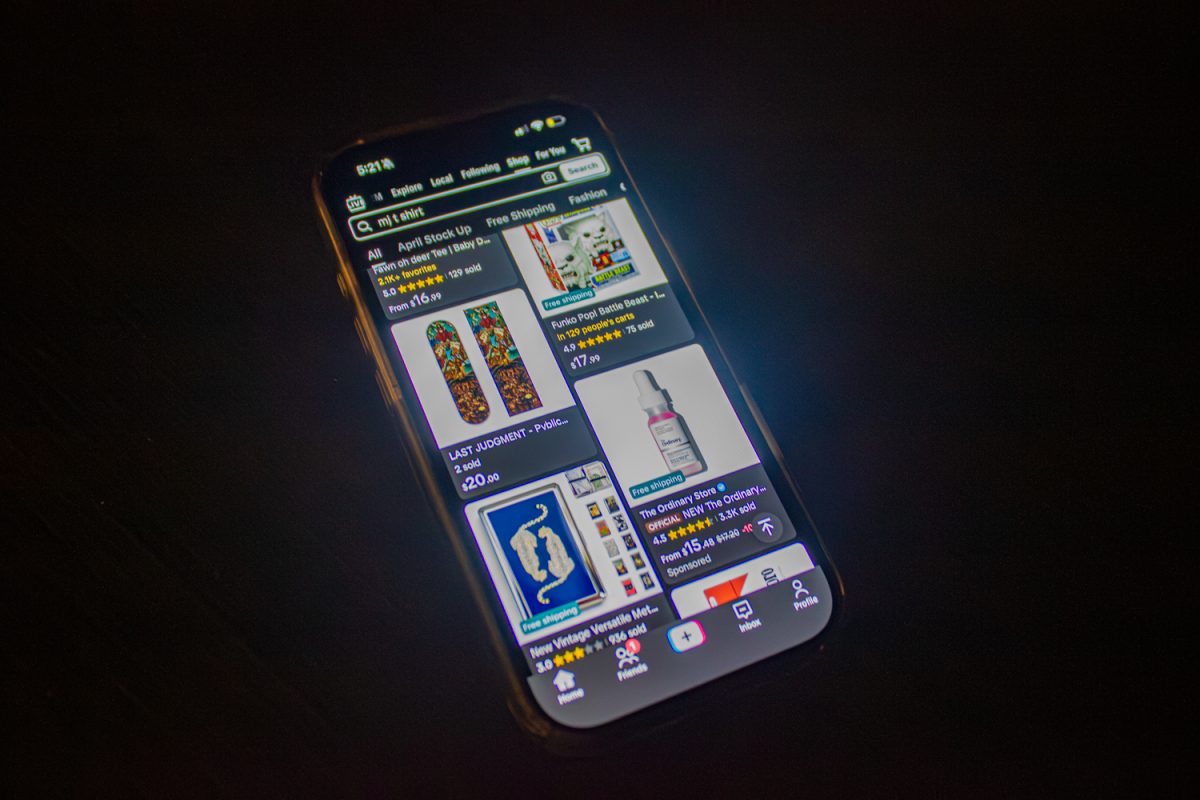
TikTok Shop has fundamentally transformed social media into a full-service e-commerce marketplace, launching in September 2023 and scaling to over 200,000 sellers with a $17.5 billion annual sales target by early 2024. This represents a seismic shift in how consumers discover and purchase products, combining entertainment-driven content with frictionless checkout experiences that reduce purchase friction to seconds. The platform's integrated shopping model—enabling direct purchases through shoppable videos, livestreams, and creator profiles without app exits—capitalizes on mobile-first consumer behavior and impulse purchasing psychology.
The revenue concentration reveals critical market dynamics for sellers: According to Forbes data, 79% of TikTok Shop sales concentrate in health and beauty categories, followed by apparel and home supplies. However, Modern Retail reports that major brands with $30 million+ annual revenue account for nearly two-thirds of total sales, indicating significant market concentration despite the platform's accessibility claims. This creates a bifurcated opportunity: established brands leverage TikTok's algorithm for customer acquisition at scale, while smaller sellers face intense competition for visibility despite lower barriers to entry.
TikTok Shop's marketing engine operates through algorithmic content amplification and influencer partnerships, driving continuous product exposure and leveraging psychological triggers that target consumer insecurities—particularly in health and beauty sectors. The platform's business model prioritizes engagement velocity over traditional conversion metrics, meaning sellers must optimize for viral potential rather than traditional conversion rate optimization. The seamless checkout experience reduces cart abandonment, but also encourages impulse purchases and overconsumption patterns that raise sustainability concerns among consumers.
For sellers, the platform presents distinct advantages and risks: Small businesses gain unprecedented brand exposure through algorithmic distribution, while established retailers scale customer acquisition at lower costs than traditional paid advertising. However, the concentration of sales among major brands ($30M+ revenue) suggests that algorithm favoritism may advantage established players despite platform accessibility. Concerns about product quality, seller credibility, and return policies remain largely unaddressed, creating potential reputational risks for sellers operating on the platform. The rapid growth demonstrates market demand for entertainment-driven shopping experiences, but sustainability questions and regulatory scrutiny around TikTok operations present long-term uncertainty for sellers building inventory commitments on the platform.
Questions 8
What marketing strategies drive conversions on TikTok Shop?
TikTok Shop's marketing engine operates through algorithmic content amplification, shoppable video creation, livestream commerce, and influencer partnerships. The platform prioritizes engagement velocity—likes, comments, shares, and watch time—over traditional conversion metrics, meaning sellers must optimize for viral potential rather than click-through rates. Continuous product exposure through algorithmic recommendations and psychological triggers targeting consumer insecurities (particularly in health and beauty) drive impulse purchases. Sellers should focus on creating entertaining, trend-aligned content that encourages user engagement rather than direct selling, as the algorithm rewards entertainment value and community interaction over hard-sell messaging.
What are the customer acquisition cost implications of selling on TikTok Shop versus Amazon or Facebook?
TikTok Shop offers lower customer acquisition costs (CAC) compared to traditional paid advertising on Facebook and Google, particularly for health and beauty products where organic algorithmic distribution is strong. The platform's algorithm-driven content delivery reduces reliance on paid ads, allowing sellers to acquire customers through viral content and influencer partnerships at significantly lower costs than Facebook CPM rates ($5-15 per thousand impressions). However, CAC varies dramatically by category—health and beauty sellers see lower CAC due to category strength, while niche sellers face higher acquisition costs. Sellers should compare TikTok Shop CAC against Amazon PPC costs ($0.50-3.00 per click) and Facebook advertising to determine optimal channel allocation.