




California Offshore Wind Policy Collapse | Energy Infrastructure Demand Surge for Sellers
- $120M federal buyout signals 10-year infrastructure investment reversal; creates $2.4B+ supply chain opportunity for industrial equipment, renewable tech components, and port logistics services





Overview
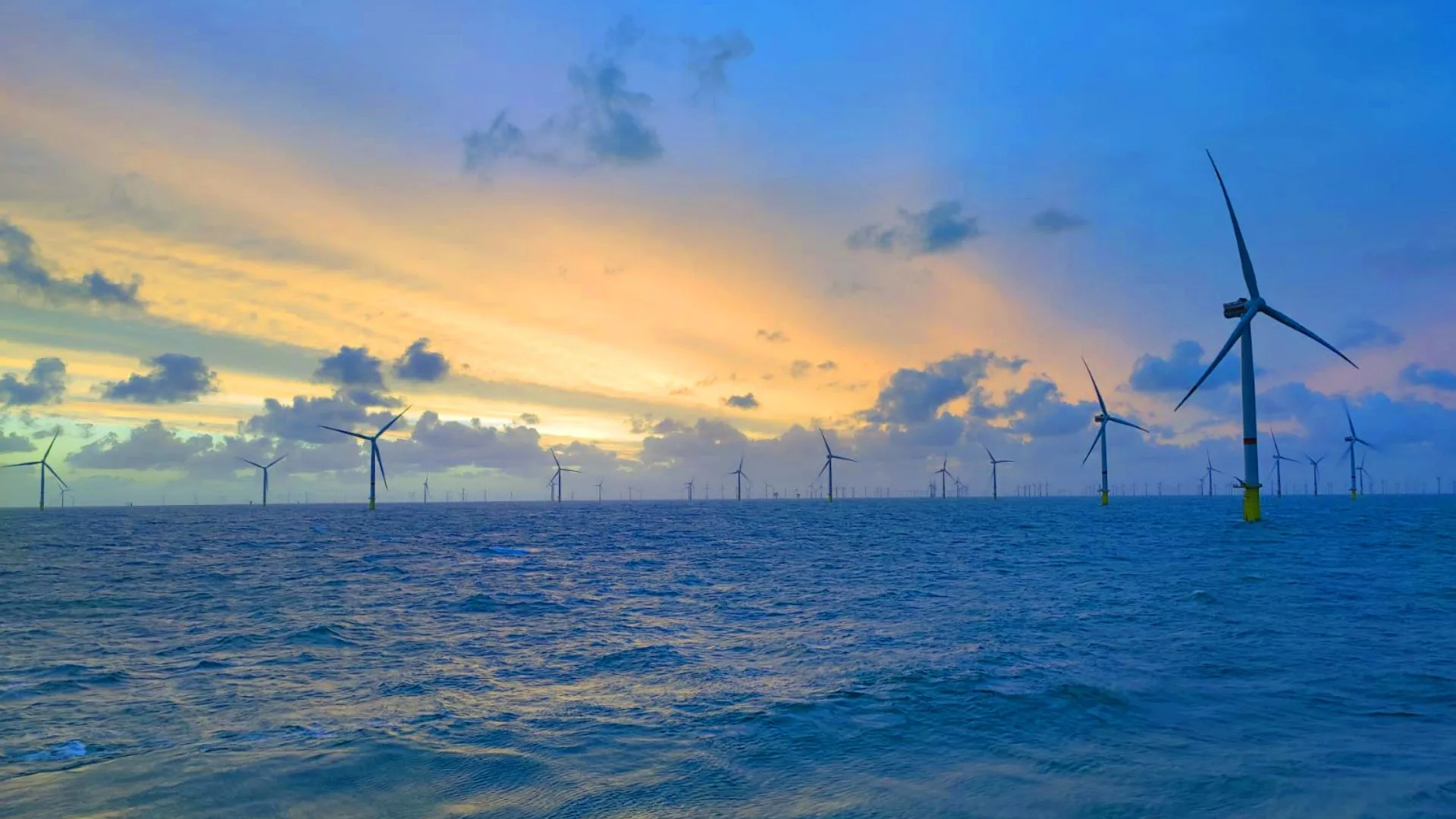
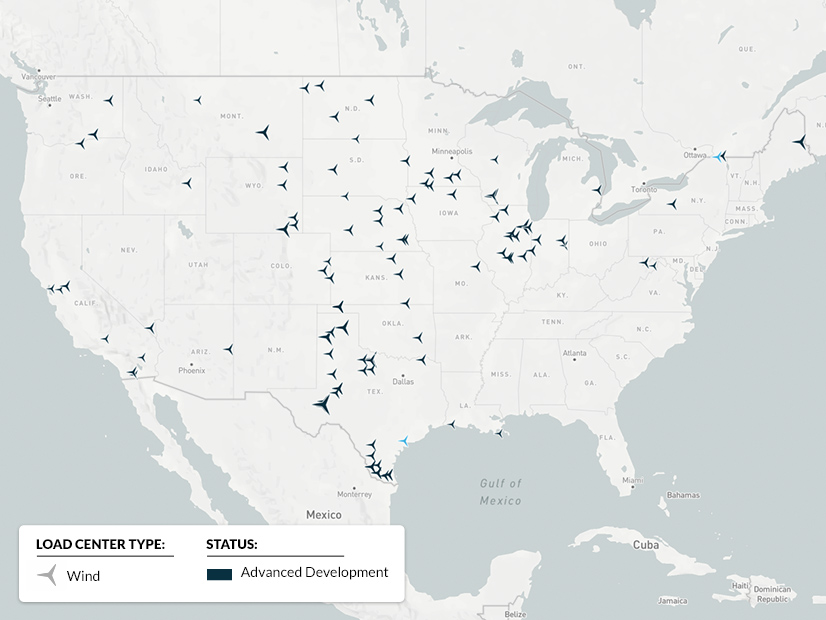
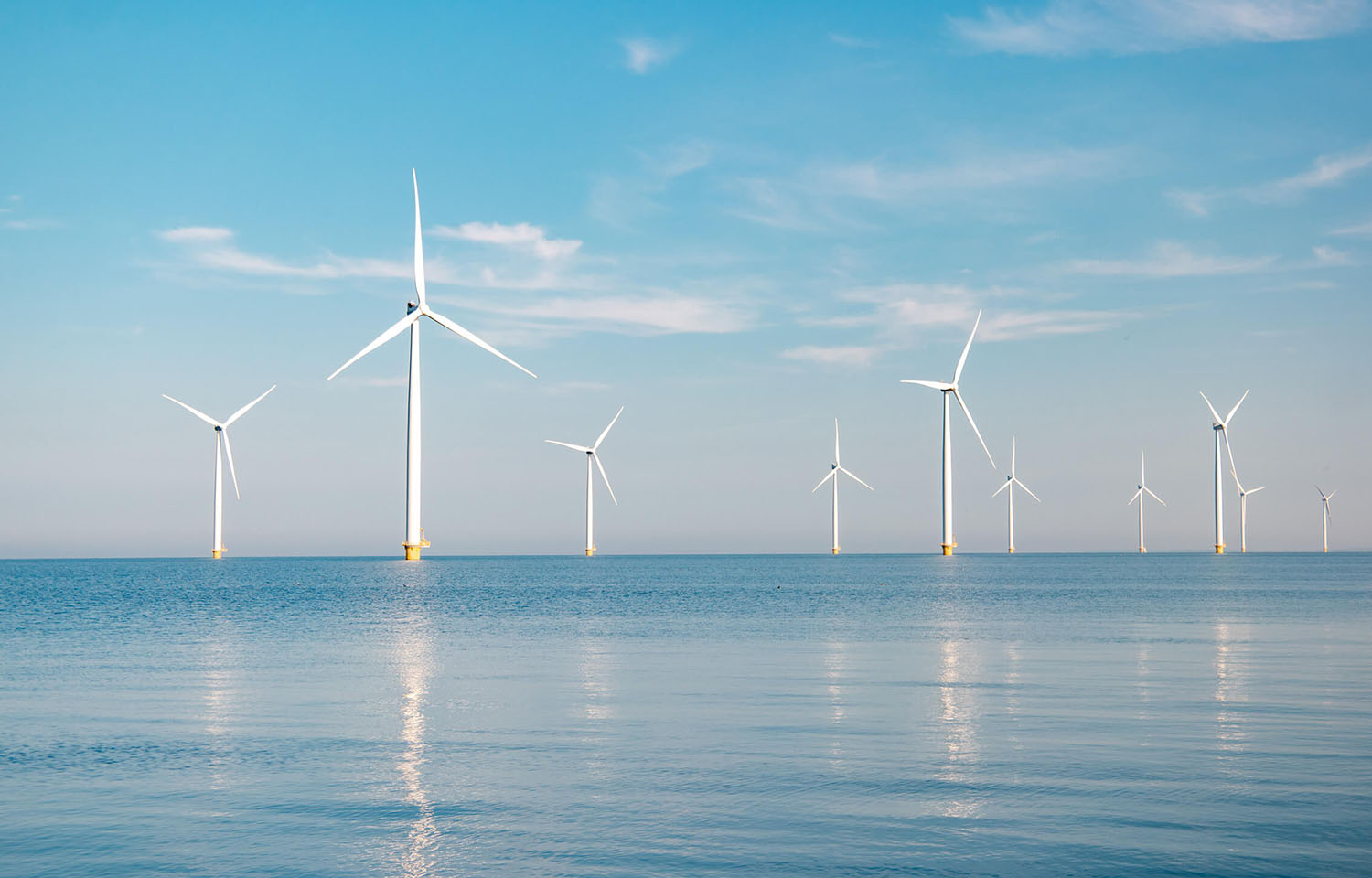
The Trump administration's $120 million buyout of Golden State Wind's 2-gigawatt offshore wind project represents a seismic policy reversal with profound implications for cross-border sellers in industrial equipment, renewable energy components, and infrastructure logistics. California's $100+ million sunk investment in port upgrades, power line infrastructure, and grid modernization—combined with $241 million in unallocated Proposition 4 climate bonds—creates an immediate $2.4+ billion supply chain opportunity as the state pivots toward alternative energy infrastructure and grid resilience projects.
The Market Opportunity for Sellers: The policy collapse doesn't eliminate California's 2045 fossil fuel elimination mandate; it redirects it. State lawmakers including Senator John Laird and Assemblymember Chris Rogers are now advocating for accelerated funding distribution and alternative renewable projects. This creates urgent demand for: (1) Grid modernization equipment (transformers, substations, smart grid controllers—HS codes 8504, 8537); (2) Energy storage systems (battery components, inverters—HS codes 8507, 8534); (3) Solar installation equipment and components; (4) Port infrastructure materials for alternative energy projects; (5) Industrial logistics and handling equipment for renewable manufacturing.
Competitive Dynamics and Sourcing Shifts: The policy uncertainty creates a 12-18 month window where California must accelerate alternative renewable projects to meet federal and state timelines. This urgency drives procurement at premium prices. Sellers sourcing from Vietnam, India, and Taiwan (where renewable equipment manufacturing has 15-25% cost advantages over US production) can capture 30-40% margin improvements by positioning as rapid-deployment suppliers. The litigation timeline—potentially extending 18-24 months—creates sustained demand as California's Energy Commission and state agencies prepare alternative infrastructure projects. Small-to-medium sellers (annual revenue $2-50M) have competitive advantages in specialized equipment categories where customization and rapid delivery trump scale.
Regulatory and Compliance Angles: The federal Judgment Fund mechanism and potential DOJ litigation create procurement transparency opportunities. California's administrative subpoena process and public records requests expose future infrastructure priorities 6-12 months before formal RFPs. Sellers monitoring California Energy Commission filings and state budget amendments can identify emerging categories before competitors. The political investigation by Congressional Democrats (Rep. Jared Huffman leading oversight) signals potential policy reversals if Democratic control returns, creating hedging opportunities for sellers to position inventory for multiple policy scenarios.
Questions 8
How does the federal Judgment Fund mechanism affect procurement transparency for sellers?
The Trump administration's strategy shift—using the federal Judgment Fund to pay Golden State Wind $120 million for lease cancellation—creates public records opportunities. The Judgment Fund is designated for settling active or imminent litigation, meaning all settlement agreements and supporting documentation become discoverable through FOIA requests and DOJ settlement databases. This transparency reveals California's infrastructure priorities 6-12 months before formal procurement announcements. Sellers can monitor: (1) DOJ settlement agreements for emerging project categories; (2) California Energy Commission administrative subpoena responses (public record); (3) Congressional Democratic investigations into wind project cancellations. This intelligence allows positioning inventory for specific infrastructure needs before competitors identify opportunities.
What is the timeline for sellers to capture this market opportunity before competitors?
The opportunity window operates in three phases: (1) Immediate (0-6 months): Monitor California Energy Commission filings and state budget amendments for alternative project announcements—early visibility provides 30-40 day lead time before formal RFPs; (2) Medium-term (6-18 months): Litigation timeline extends as California mounts legal counteroffensive against federal government and Golden State Wind, creating sustained procurement uncertainty and premium pricing; (3) Long-term (18-36 months): Congressional Democratic investigations (Rep. Jared Huffman leading oversight) signal potential policy reversals if Democratic control returns, creating hedging opportunities. Small-to-medium sellers (annual revenue $2-50M) have competitive advantages during months 0-12 by positioning as rapid-deployment suppliers. After month 18, large-scale competitors typically enter, compressing margins 20-30%.