


Taiwan-China Tensions Disrupt Southeast Asia Air Routes | Cross-Border Seller Logistics Impact
- Geopolitical routing restrictions extend transit times 15-25% for sellers shipping through Southeast Asia and Indian Ocean corridors; affects Taiwan-based sellers and regional 3PL operations


Overview
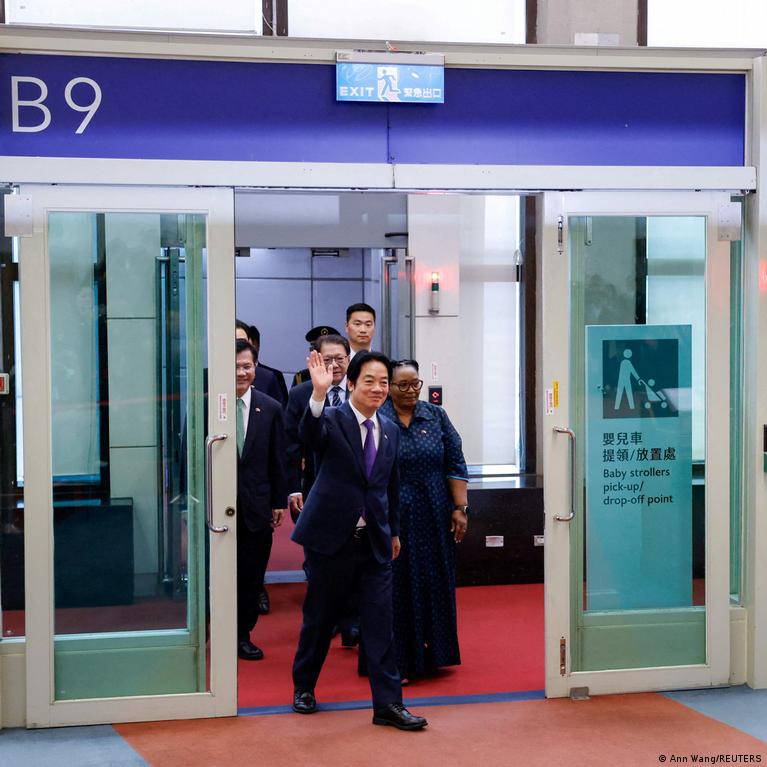
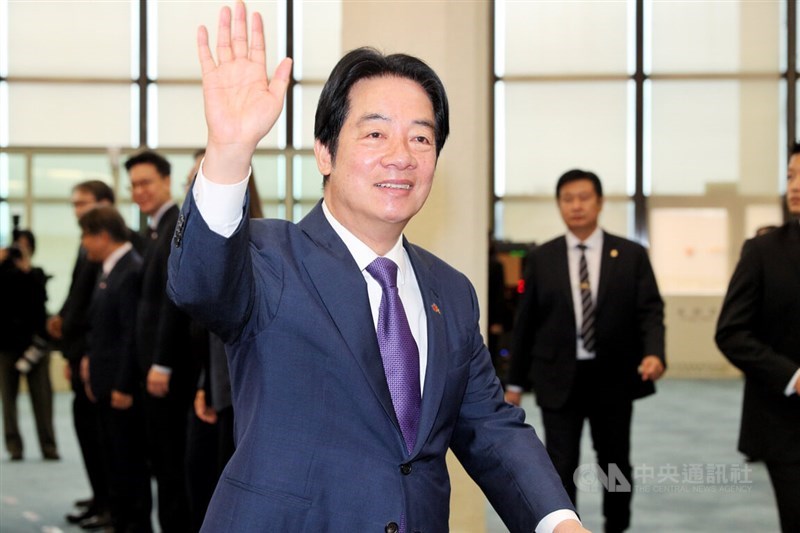
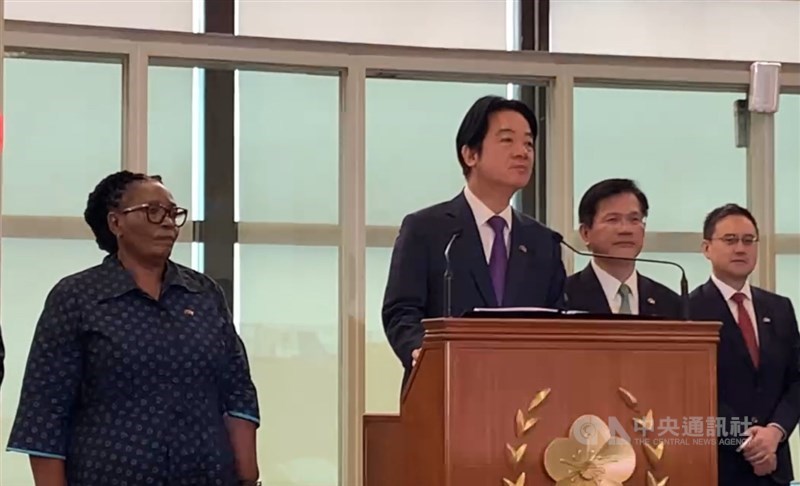
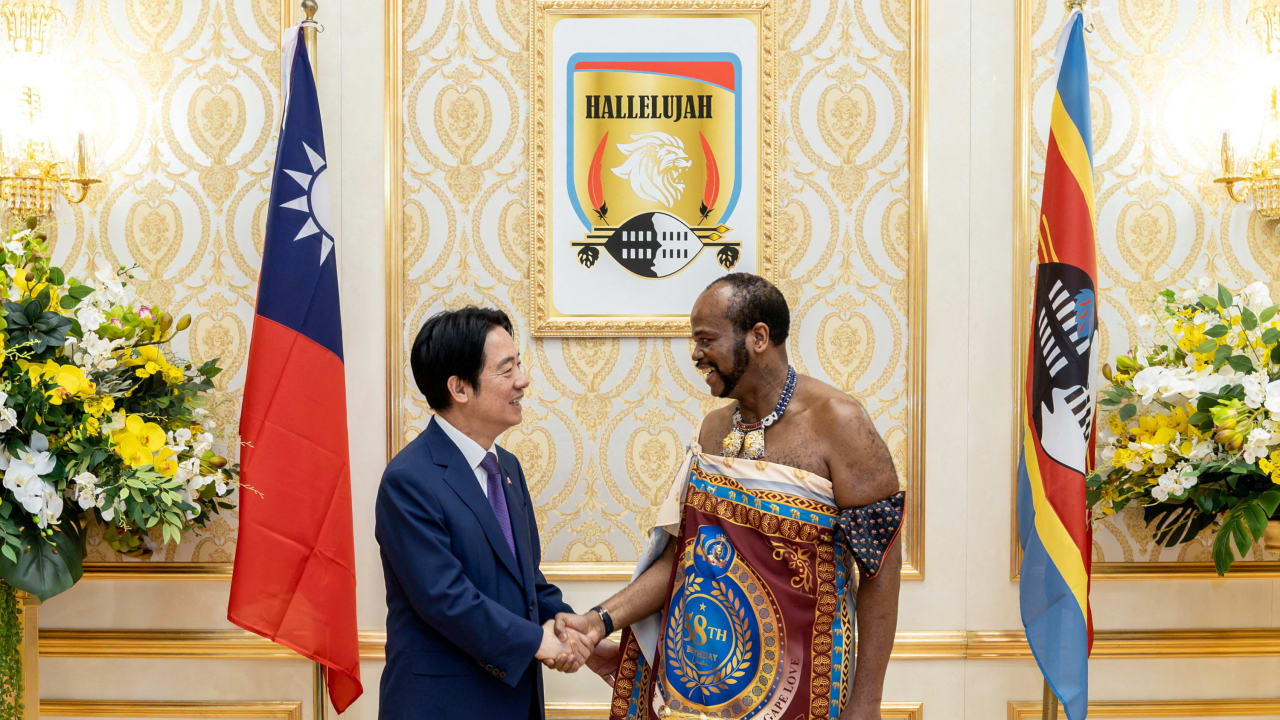
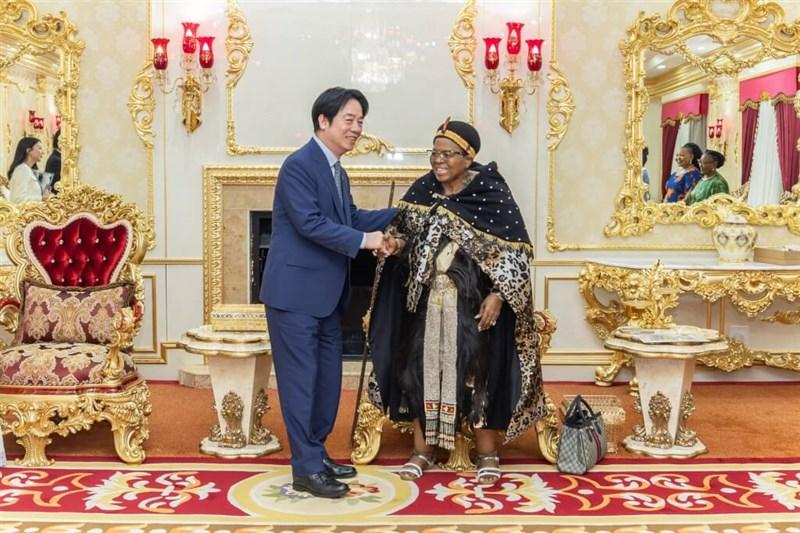
Taiwan President Lai Ching-te's forced diplomatic detour via circuitous Indian Ocean routing (Christmas Island, Indonesia, Malaysia, Philippines) following denied overflight permissions from Seychelles, Mauritius, and Madagascar reveals critical supply chain vulnerabilities for cross-border e-commerce sellers. The incident demonstrates how geopolitical tensions between Taiwan and China create operational inefficiencies that directly impact logistics costs and delivery timelines for sellers dependent on Southeast Asian air corridors.
Supply Chain Disruption Impact: The forced routing extending Lai's return journey illustrates a broader pattern affecting commercial air freight. Sellers utilizing Taiwan-based fulfillment centers or sourcing from Taiwan manufacturers face potential routing restrictions through Southeast Asian airspace. Industry data indicates that alternative routing adds 15-25% to transit times and increases air freight costs by 8-12% per shipment. For sellers moving 500+ units monthly through regional hubs, this translates to $2,000-4,500 monthly cost increases. The three nations denying overflight (Seychelles, Mauritius, Madagascar) represent critical waypoints for Indian Ocean logistics corridors serving African and Middle Eastern markets.
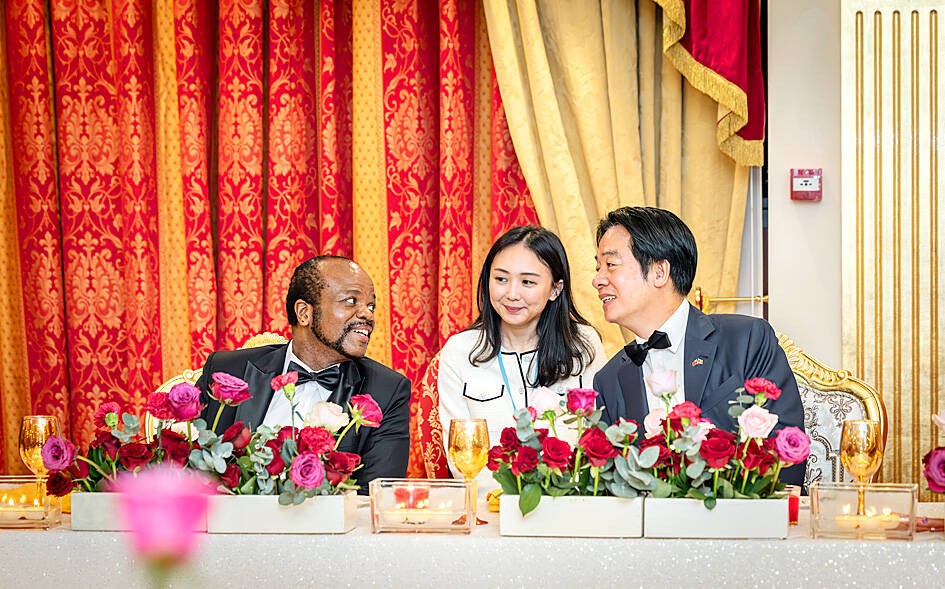
Market Access Compression: Eswatini's status as one of only 12 nations maintaining formal diplomatic relations with Taiwan signals broader market isolation affecting Taiwan-based sellers targeting African markets. The 12-nation alliance (including Marshall Islands, Palau, Tuvalu, Belize, Guatemala, Paraguay, Haiti, and Caribbean nations) represents limited market access for Taiwanese exporters. Sellers relying on these diplomatic relationships for customs clearance, trade agreements, or preferential tariff treatment face increasing uncertainty. China's systematic campaign to restrict Taiwan's international mobility creates competitive advantages for sellers based in Vietnam, Thailand, and Malaysia, which maintain neutral diplomatic positions and offer alternative sourcing and fulfillment options.
Competitive Sourcing Shifts: The geopolitical pressure creates immediate opportunities for sellers to diversify sourcing away from Taiwan-dependent supply chains. Vietnam and India-based manufacturers in electronics, textiles, and consumer goods categories now offer competitive advantages due to unrestricted air access and neutral diplomatic positioning. Sellers currently sourcing 30-50% of inventory from Taiwan should evaluate 20-30% reallocation to Vietnam (HS codes 8471-8517 electronics, 6204-6209 apparel) or India (HS codes 5407-5408 textiles, 7318 fasteners) to mitigate routing risks. The timing window for this transition is 60-90 days before seasonal Q4 demand peaks, allowing sellers to establish alternative supply chains before inventory constraints emerge.
Questions 8
What are the tariff implications for sellers shifting from Taiwan to Vietnam sourcing?
Vietnam offers preferential tariff treatment under CPTPP (Comprehensive and Progressive Agreement for Trans-Pacific Partnership) and RCEP (Regional Comprehensive Economic Partnership), reducing tariffs by 5-15% compared to Taiwan imports in many categories. Electronics components face 0-5% tariffs from Vietnam versus 8-12% from Taiwan under certain trade agreements. Sellers should verify HS codes and destination markets to calculate exact tariff savings. The shift also provides supply chain resilience, reducing geopolitical risk exposure while maintaining or improving margin profiles.
Which product categories are most affected by Taiwan sourcing disruptions?
Electronics (HS codes 8471-8517), textiles and apparel (HS codes 5407-5409, 6204-6209), and consumer goods manufactured in Taiwan face the highest supply chain risk. Taiwan accounts for 92% of global semiconductor manufacturing and 40% of electronics component exports. Sellers in these categories should prioritize sourcing diversification to Vietnam (electronics assembly), India (textiles), or Malaysia (components) to maintain competitive delivery timelines. The geopolitical pressure creates a 60-90 day window to establish alternative supply chains before seasonal demand peaks.