



Defiance and Repression: Iran's Escalating Crackdown on Human Rights Activists
- Systematic Persecution Intensifies as Regime Targets International Voices of Resistance

















Overview
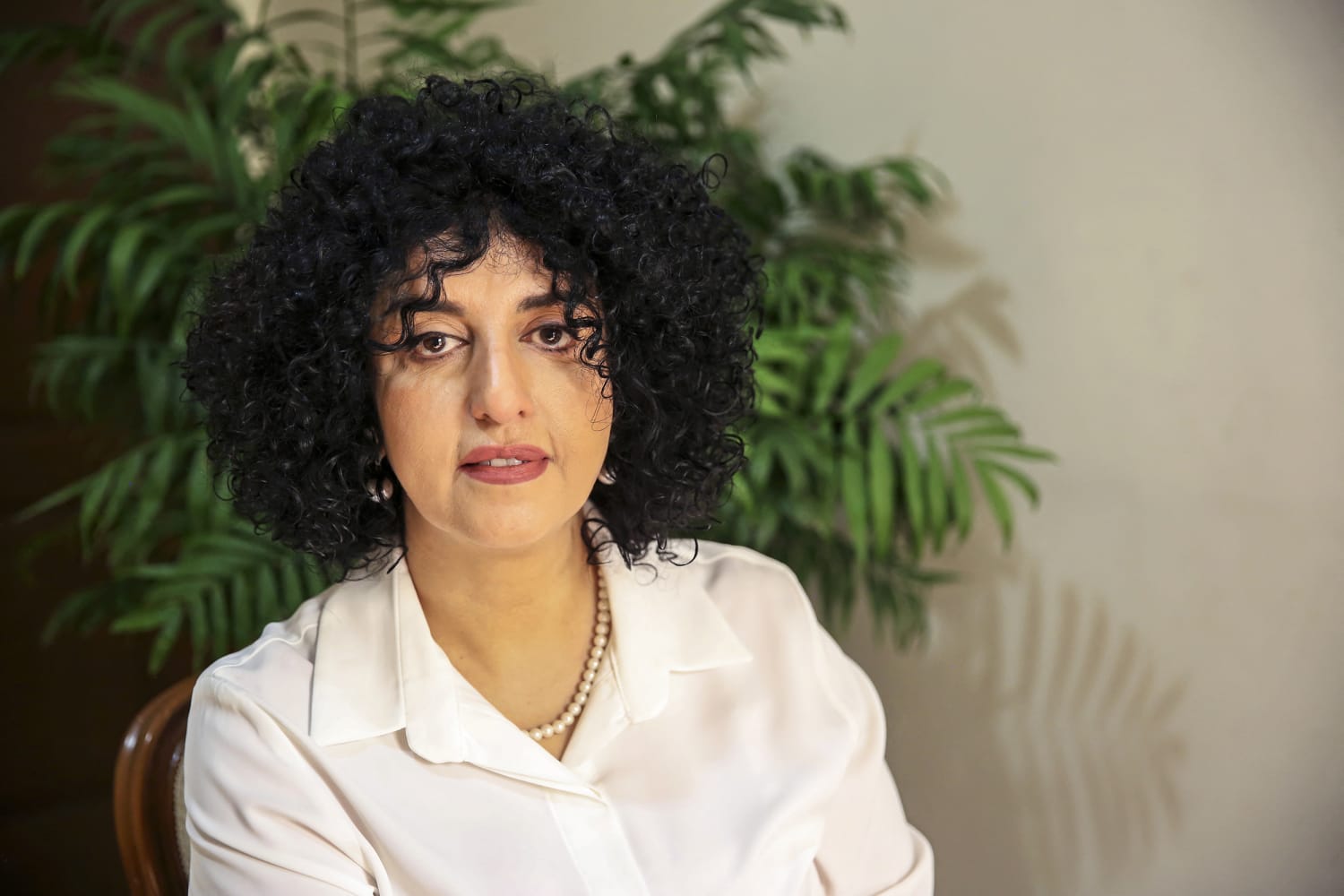
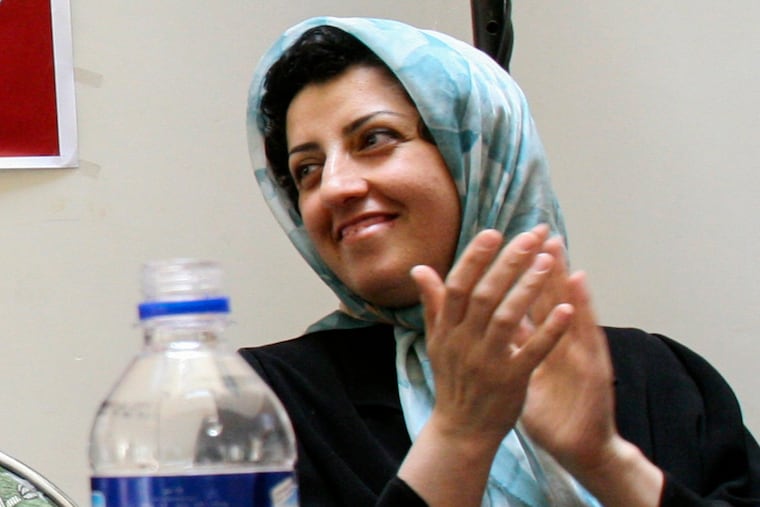
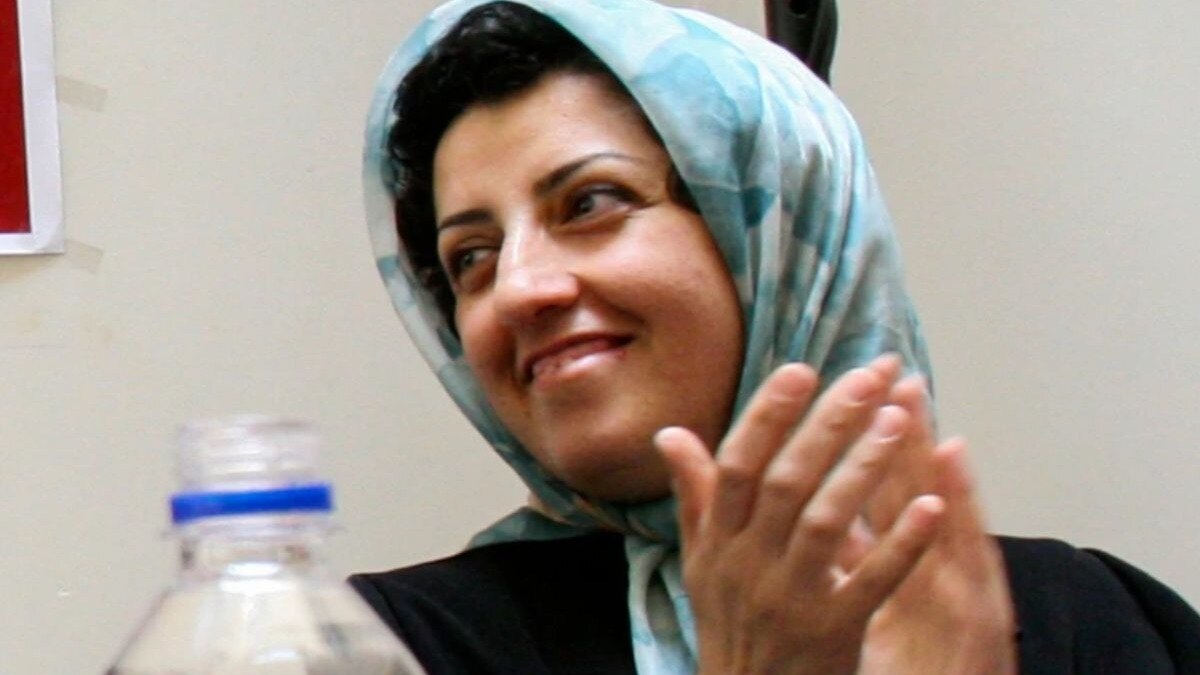
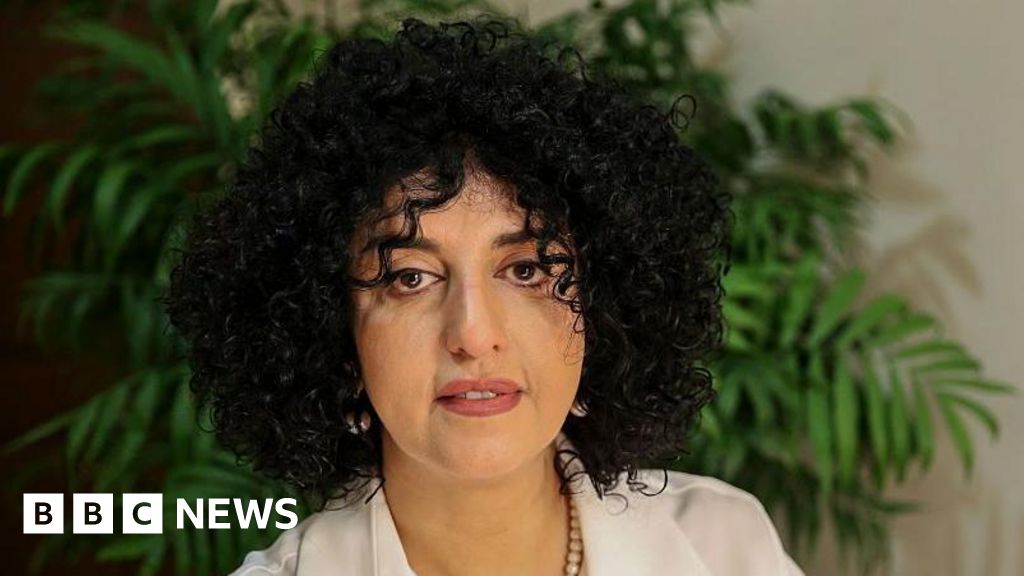
The arrest of Nobel Peace Prize laureate Narges Mohammadi represents a critical inflection point in Iran's ongoing struggle between state control and human rights activism. With 13 previous arrests and a cumulative sentence of over 36 years, Mohammadi embodies the persistent resistance against systematic oppression in a regime increasingly characterized by arbitrary enforcement and political retribution.
Strategic Repression Dynamics: The incident reveals a calculated approach by Iranian authorities to silence prominent voices. Mohammadi's arrest during a memorial ceremony for lawyer Khosrow Alikordi demonstrates the regime's sophisticated tactics of suppressing dissent through strategic timing and public intimidation. Her public criticism of state surveillance, censorship, and control over personal life has made her a direct target of what her husband describes as a "revenge action".
International Pressure and Regime Response: The Nobel Committee's condemnation and international human rights organizations' demands for her release highlight the growing global scrutiny of Iran's human rights practices. However, the regime appears increasingly emboldened, using charges like "propaganda against the state" and "acting against national security" as legal mechanisms to neutralize activists. The viral video showing Mohammadi being beaten without her mandatory veil symbolizes the physical and symbolic violence employed to maintain ideological conformity.
Broader Contextual Implications: This arrest occurs against a backdrop of heightened tensions, particularly since the June ceasefire with Israel. It signals an intensifying crackdown that extends beyond individual activists to broader social movements. Memorial events are now being weaponized as platforms for state control, transforming spaces of remembrance into arenas of political suppression.
The systematic persecution of Mohammadi—a 2023 Nobel Peace Prize recipient—sends a chilling message about the regime's tolerance for dissent. By targeting high-profile international figures, Iranian authorities aim to demonstrate their unyielding control and discourage potential future activists from challenging the established order.
Questions 3
Why was Narges Mohammadi arrested?
Mohammadi was arrested for her persistent criticism of the Iranian regime, including denouncing state control over personal and public life, highlighting surveillance, and challenging the government's oppressive policies. Her arrest during a memorial ceremony appears to be a strategic move to silence her vocal activism and international advocacy.
What makes Mohammadi's arrest significant on an international level?
As a 2023 Nobel Peace Prize laureate, Mohammadi's arrest draws global attention to Iran's human rights violations. Her systematic persecution—with 13 previous arrests and sentences totaling 36 years—symbolizes the broader struggle against state repression and highlights the risks faced by human rights activists in authoritarian regimes.