



Google Pixel 11 Pro Ditches Temperature Sensor | Smartphone Accessory Market Shift
- Hardware feature removal signals $500M+ smartphone accessory market consolidation; sellers must pivot from niche health sensors to Pixel Glow-compatible products by Q2 2025


Overview
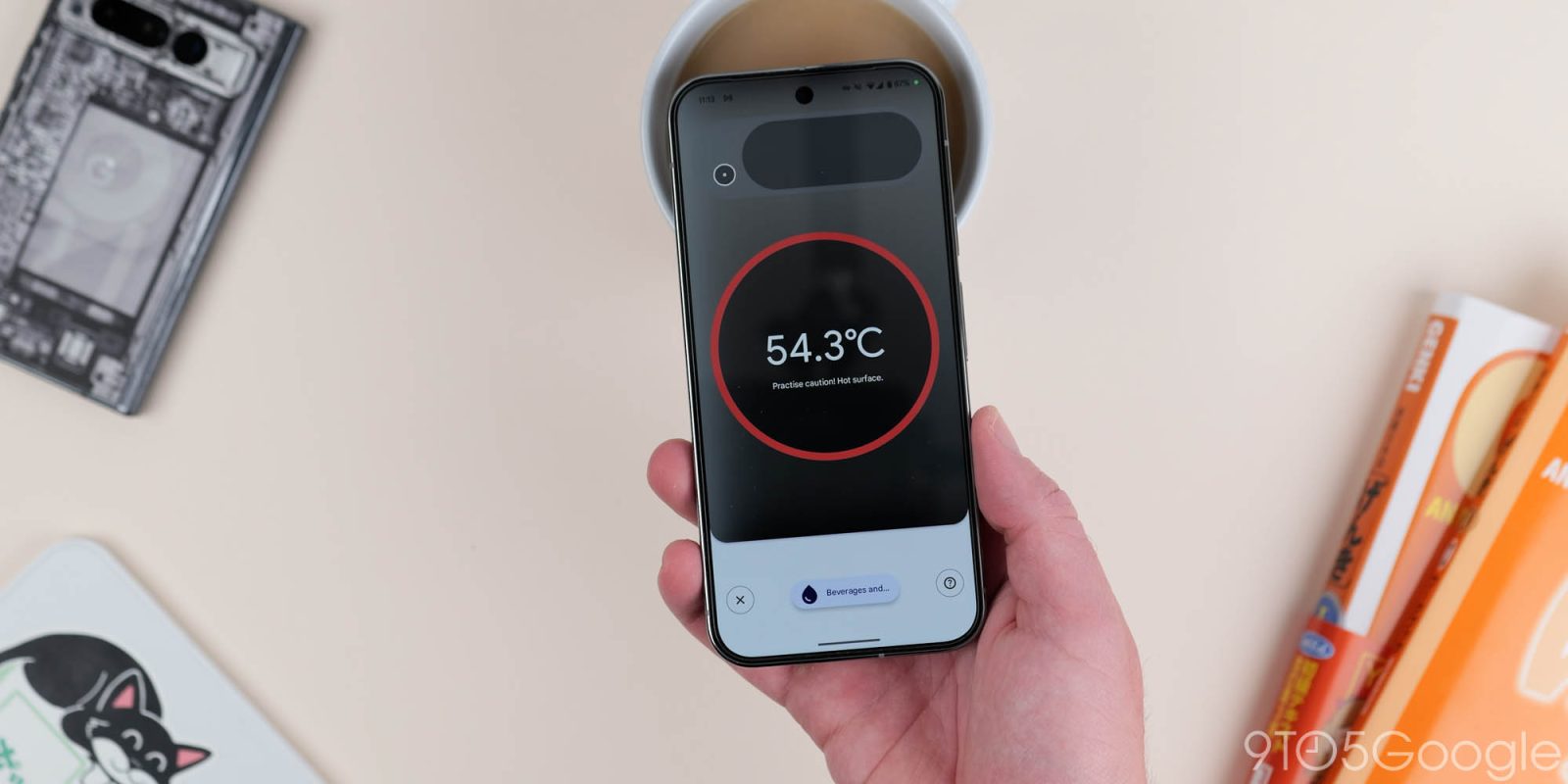
Google's decision to discontinue the temperature sensor from the Pixel 11 Pro, Pixel 11 Pro XL, and Pixel 11 Pro Fold represents a critical market signal for e-commerce sellers in the smartphone accessory and health-tech categories. The feature, introduced in the Pixel 8 Pro in 2023 and maintained through the Pixel 9 Pro and Pixel 10 Pro generations, failed to achieve substantial user adoption despite being positioned as a significant hardware innovation. A Google survey conducted in late 2025 specifically queried Pixel owners about temperature sensor usage frequency, revealing insufficient engagement to justify continued development. The removal accommodates Pixel Glow, Google's new rear-facing LED notification system, indicating a strategic reallocation of design space and engineering resources toward features with broader market appeal.
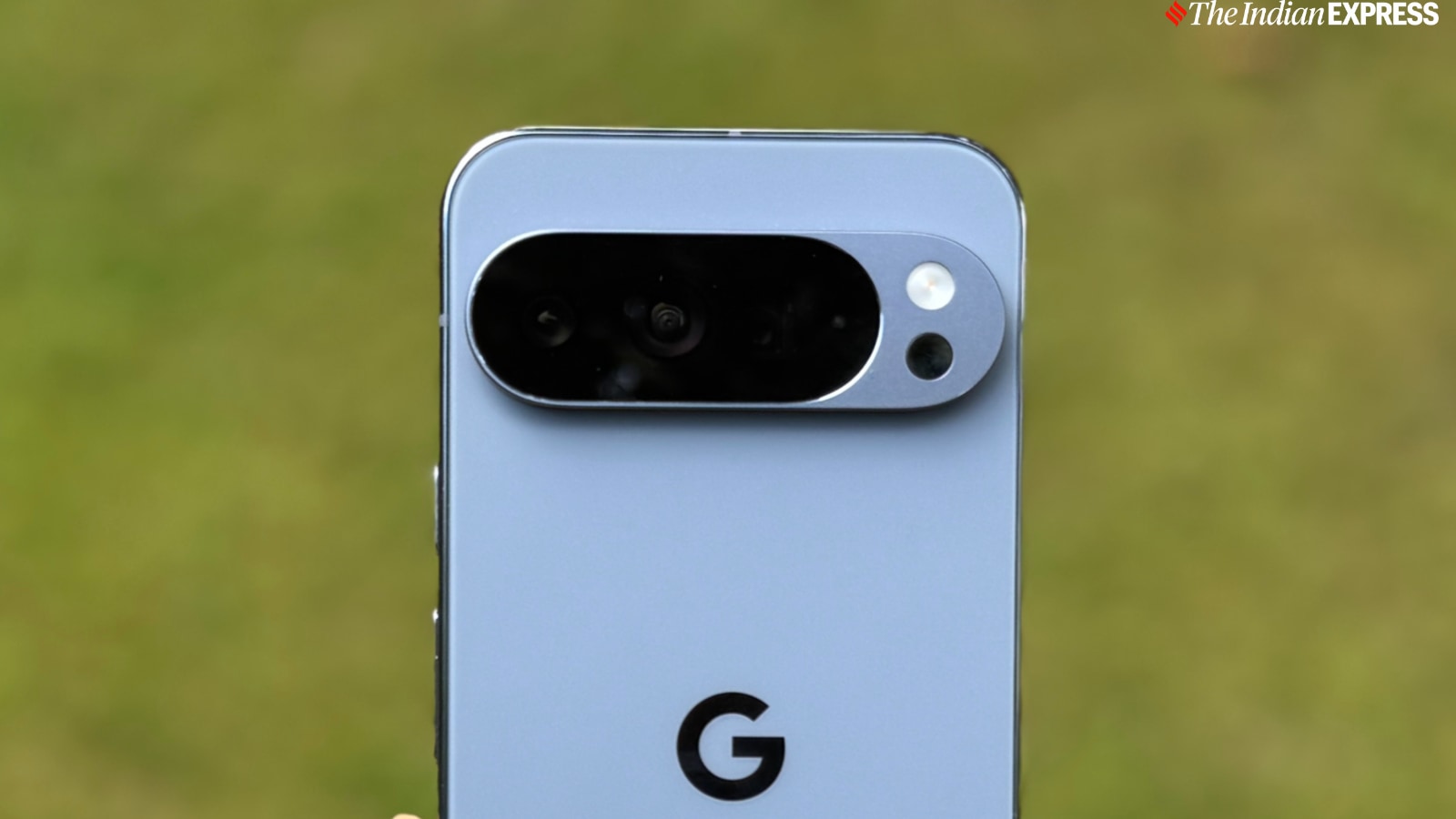
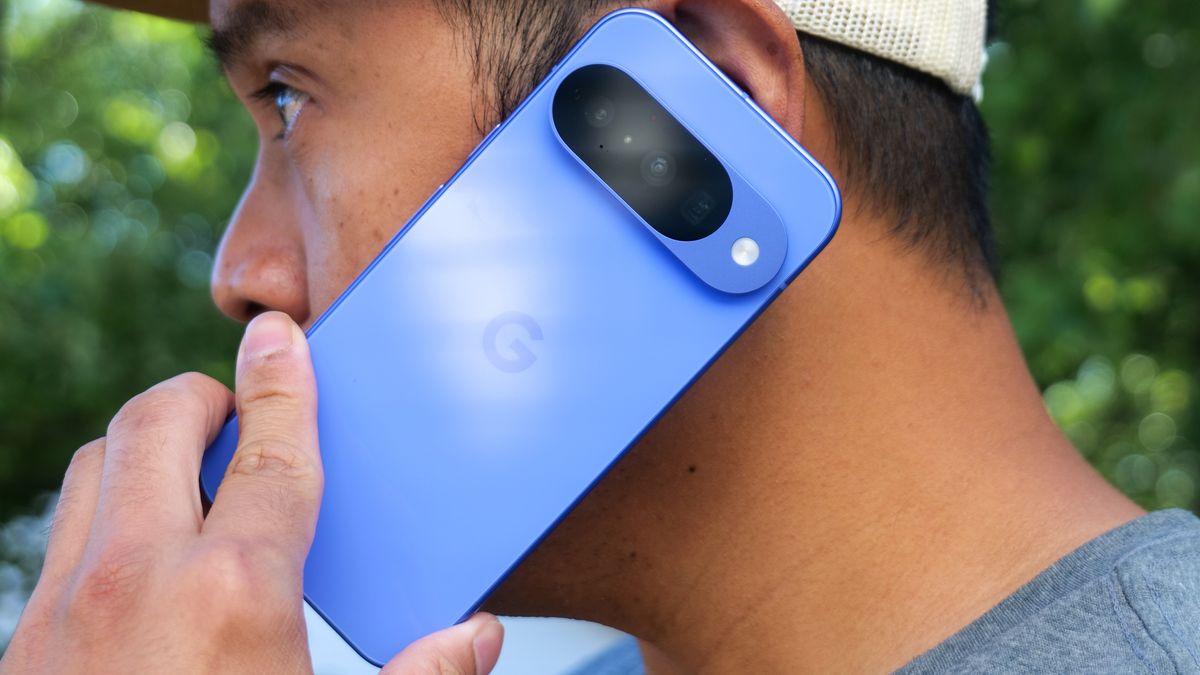
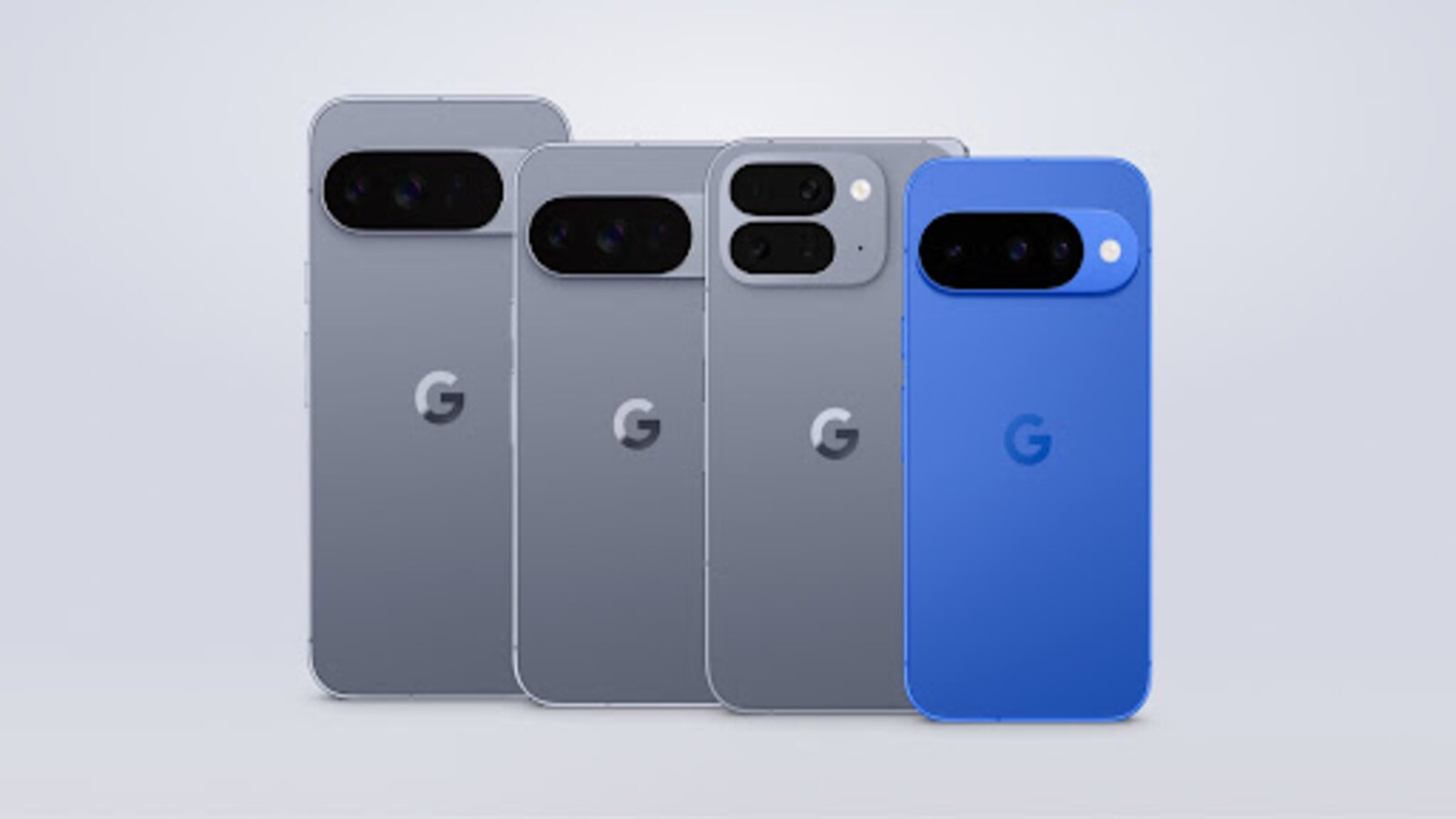
For e-commerce sellers, this discontinuation creates immediate product category disruptions and opportunities. Sellers currently offering third-party temperature sensor accessories, protective cases designed around dual camera cutouts, or health-monitoring apps dependent on Pixel temperature data face inventory obsolescence. The shift from dual to single camera bar cutouts (visible in leaked Pixel 11 Pro images) means existing case inventory for Pixel 8-10 Pro models will not fit new devices, forcing sellers to liquidate stock or repurpose inventory. Simultaneously, this creates a 6-12 month window for sellers to develop and launch Pixel Glow-compatible accessories—LED notification cases, smart notification hubs, and light-reactive protective covers—before competitors saturate the market. Industry data suggests smartphone accessory categories generate 40-60% of device-related e-commerce revenue, with notification and lighting accessories representing a $500M+ global market opportunity.
The broader strategic implication reveals how hardware feature adoption metrics drive marketplace opportunities. Google's internal assessment of temperature sensor viability through direct user surveys demonstrates that even flagship features can be discontinued when engagement fails to materialize. This pattern applies across smartphone manufacturers: features positioned as innovations often lack compelling use cases that drive consumer purchasing decisions. For sellers, this indicates that niche health-tech features (blood oxygen monitors, ECG sensors, thermal imaging) should be validated through market demand signals before investing in inventory or marketing. Sellers who previously built businesses around Pixel temperature sensor compatibility must rapidly pivot to Pixel Glow ecosystem products, while forward-thinking sellers can use Google's feature discontinuation pattern to identify emerging opportunities in notification systems, ambient computing, and always-on display technologies that align with consumer behavior rather than manufacturer speculation.
Questions 8
How can sellers use product discontinuation data to predict future market opportunities?
Sellers can leverage manufacturer feature discontinuation patterns to identify emerging opportunities in categories with strong adoption metrics. Google's pivot from temperature sensing to Pixel Glow indicates that notification systems and ambient computing features align with consumer behavior. Sellers should monitor: (1) manufacturer survey data and feature adoption rates, (2) competitor product launches and marketing emphasis, (3) user review sentiment and feature usage mentions, and (4) patent filings indicating future feature development. This intelligence allows sellers to invest in high-probability product categories (notification systems, always-on displays, ambient computing) while avoiding niche features destined for discontinuation, reducing inventory risk and improving ROI on product development.
What does Google's feature discontinuation pattern reveal about hardware innovation in e-commerce?
Google's discontinuation of the temperature sensor despite three-generation support demonstrates that hardware features positioned as innovations often lack compelling use cases that drive consumer purchasing decisions. The company's late 2025 survey of Pixel owners specifically assessed feature viability, indicating that engagement metrics—not marketing positioning—determine feature survival. For e-commerce sellers, this pattern suggests that niche health-tech features (blood oxygen monitors, ECG sensors, thermal imaging) should be validated through market demand signals before investing in inventory or marketing. Sellers should monitor manufacturer feature adoption rates and user engagement metrics to identify which innovations will survive product cycles versus those destined for discontinuation.