


Gaming PC Hardware Recommendations Drive E-Commerce Demand Shift | Seller Opportunity Analysis
- Microsoft's deleted 32GB RAM guidance reveals $2-4B gaming hardware market volatility; budget-conscious gamers shift to mid-tier upgrades, creating opportunities for RAM retailers and gaming PC component sellers









Overview
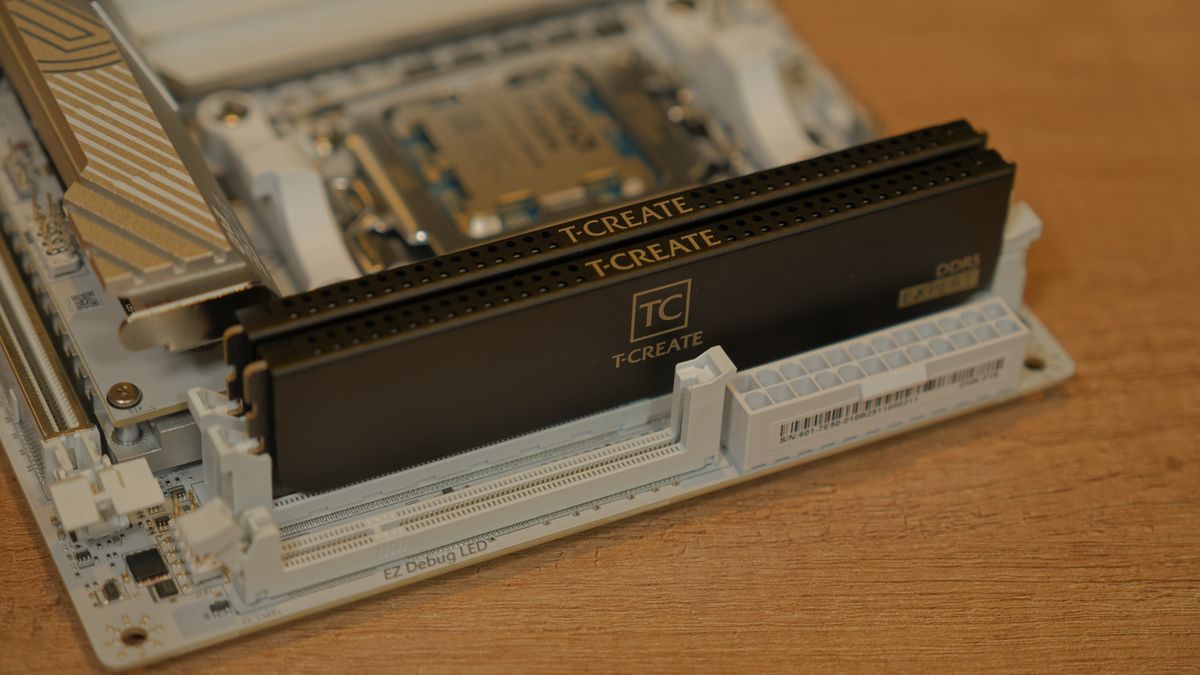
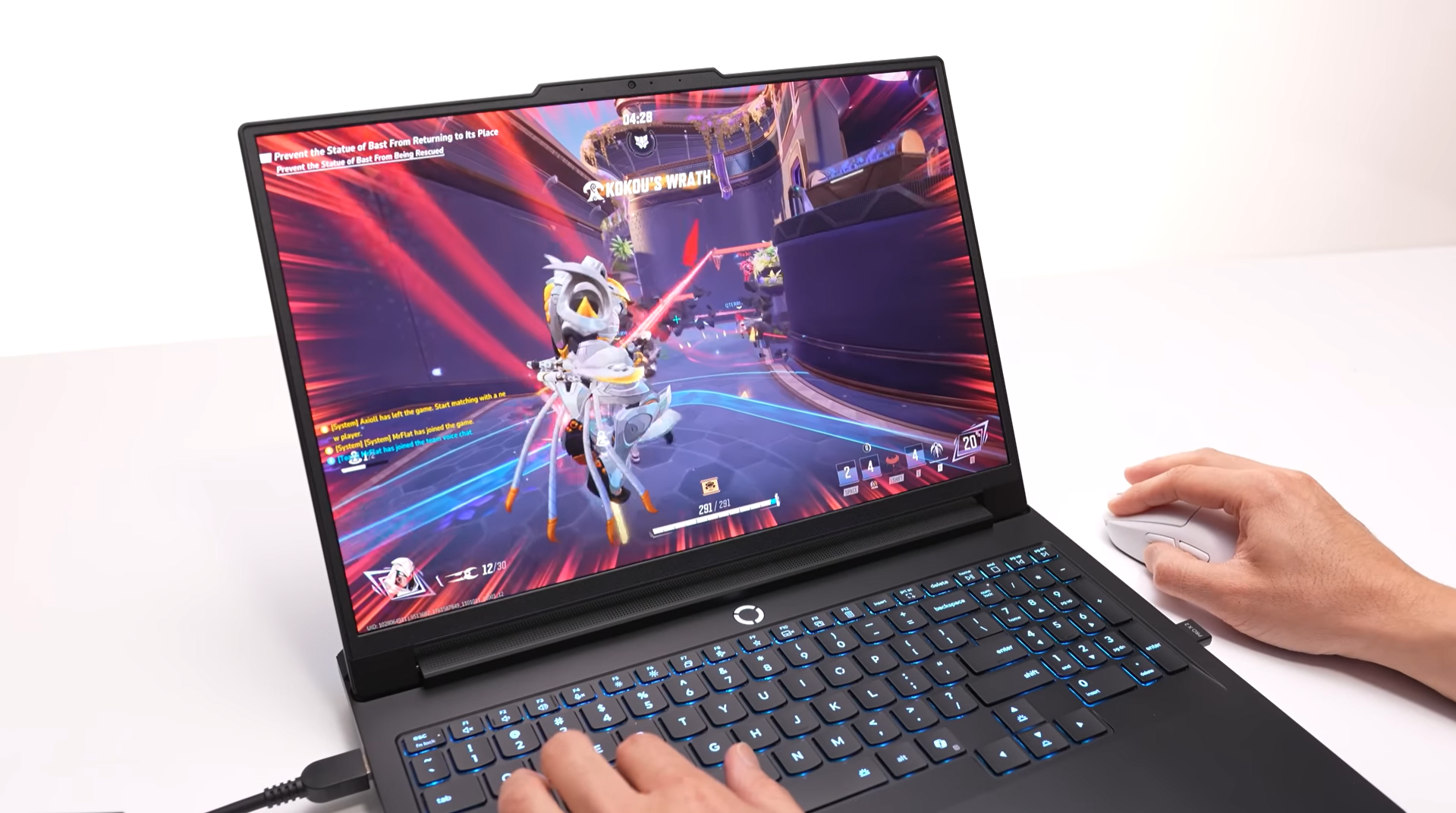
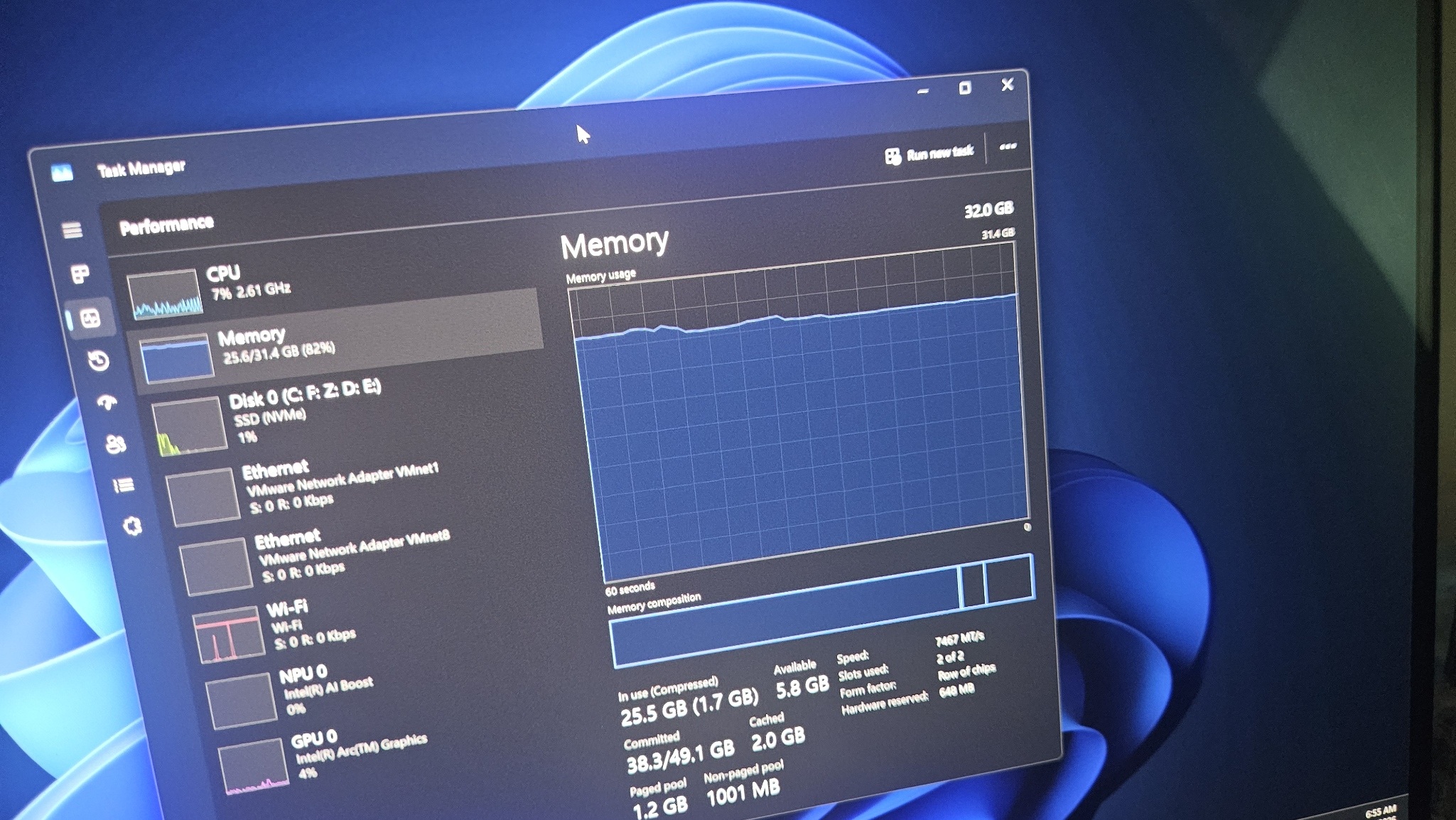
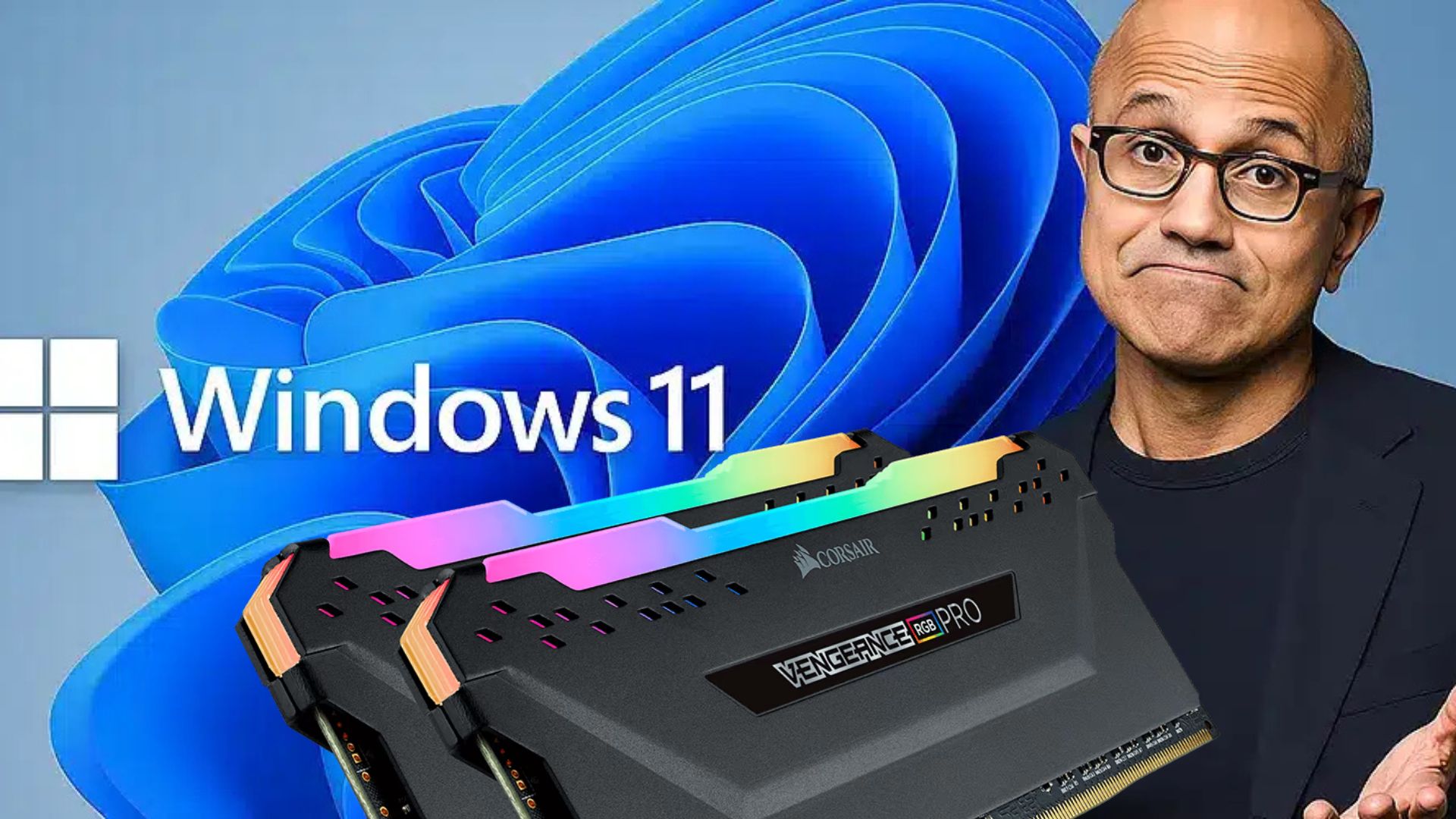
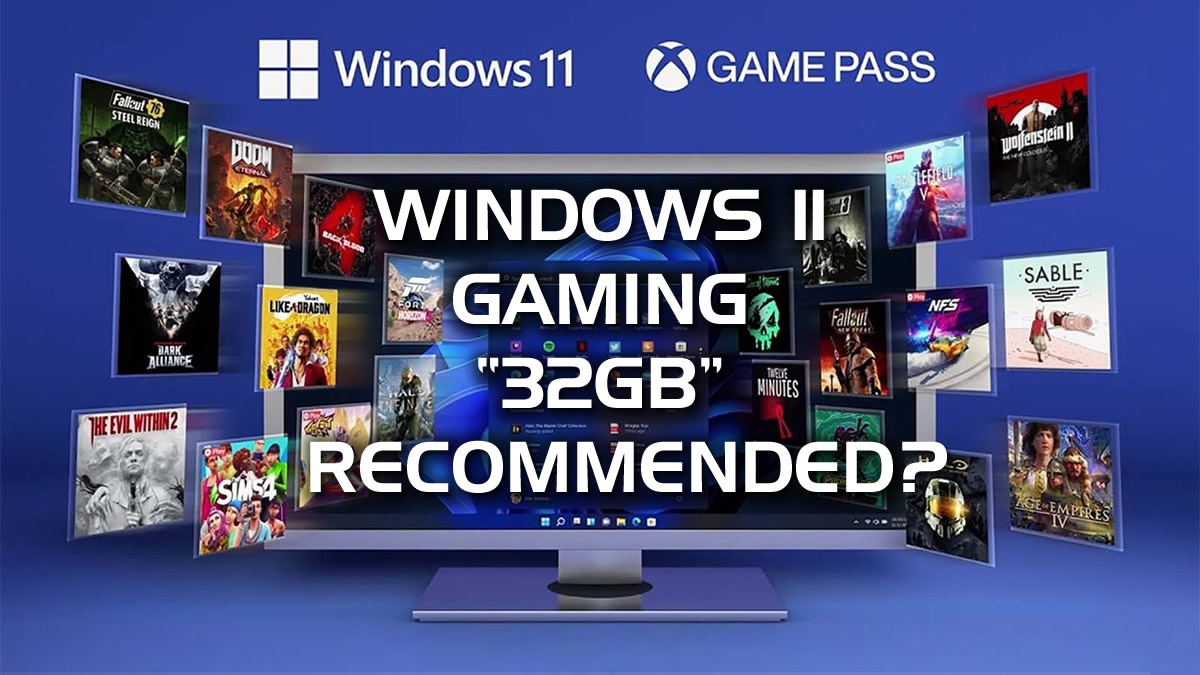
Microsoft's May 2026 removal of its 32GB RAM gaming recommendation documents reveals critical tensions between hardware manufacturers, e-commerce sellers, and price-sensitive consumers in the $2-4B gaming PC upgrade market. The company initially recommended 16GB as baseline and 32GB as optimal for gamers running Discord, browsers, and streaming tools alongside titles like Battlefield (which consume 20-23GB RAM average), but deleted guidance after community backlash citing elevated memory pricing and consumer affordability concerns. This incident demonstrates how corporate hardware recommendations directly influence e-commerce demand patterns and seller inventory strategies.
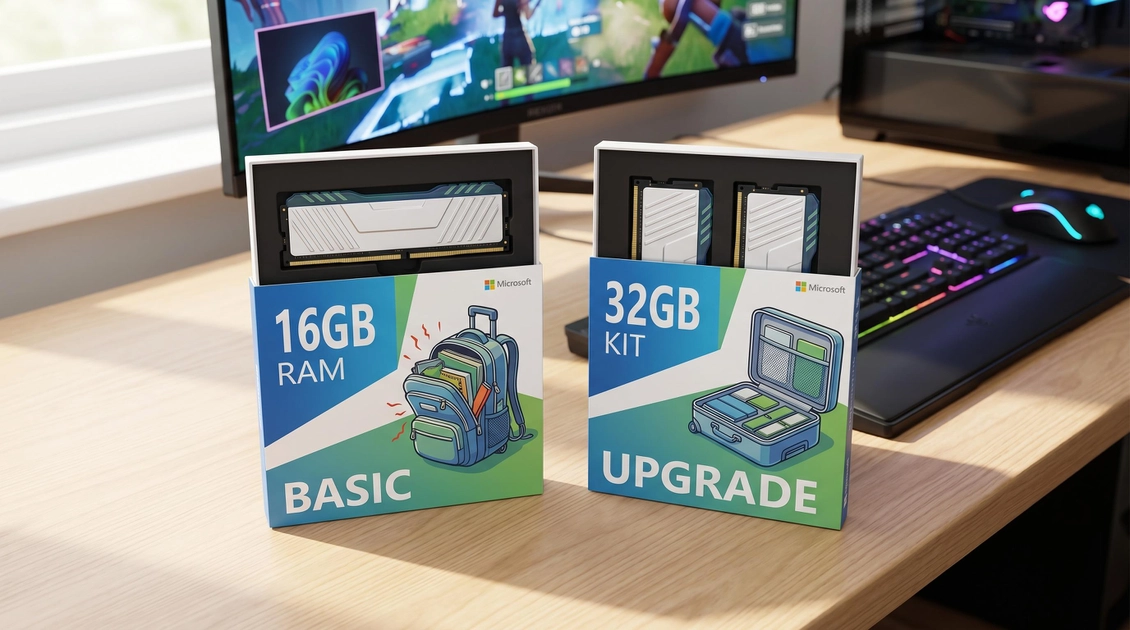
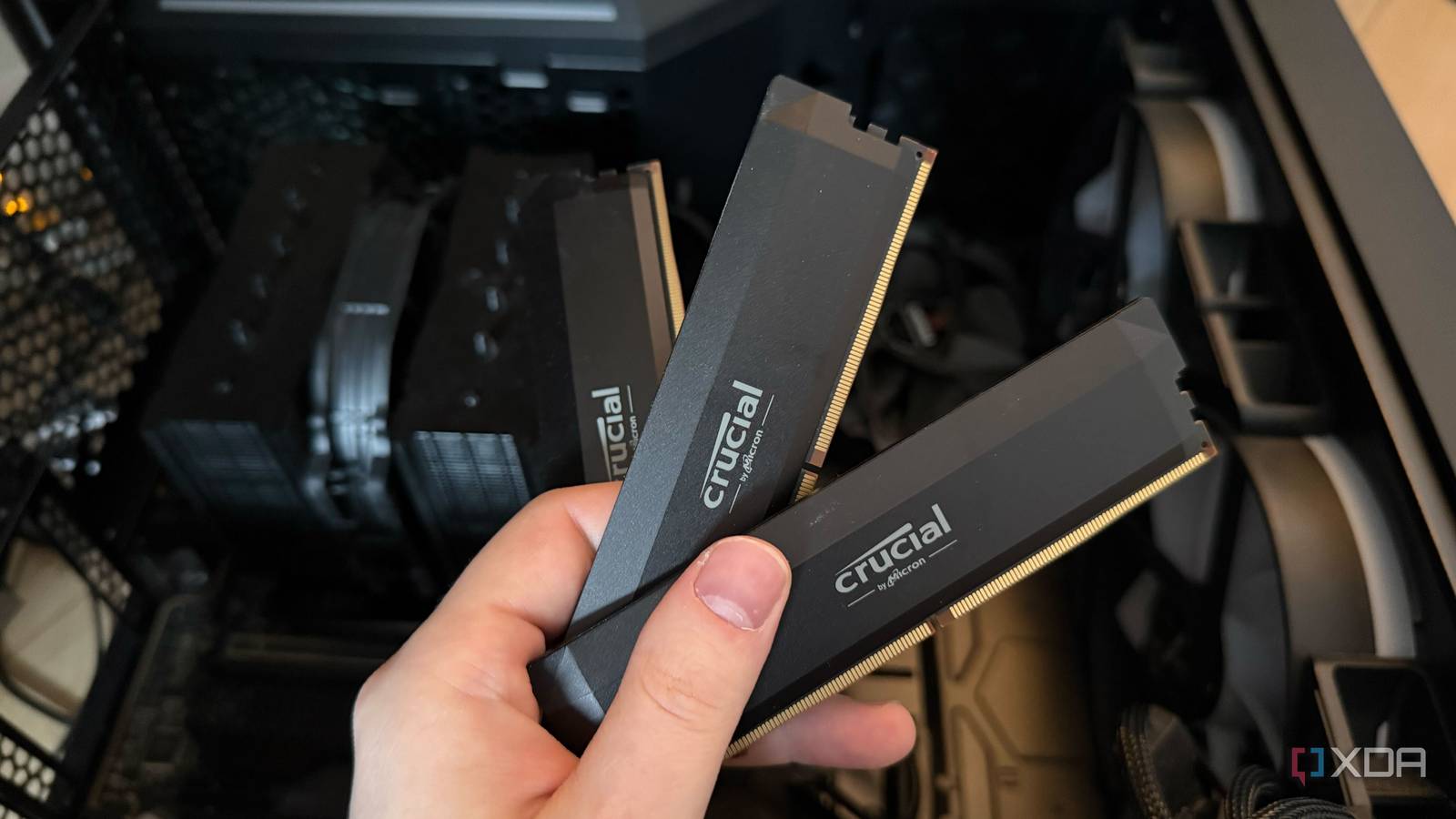
E-Commerce Seller Impact: Gaming PC component retailers face immediate inventory and positioning challenges. The deleted recommendation signals weakening demand for premium 32GB configurations during elevated RAM pricing periods ($150-250 per 16GB module in 2024-2026). Instead, sellers should expect increased demand for mid-tier 16GB upgrades and budget-conscious alternatives. Amazon, Newegg, and specialized retailers selling RAM modules, pre-built gaming PCs, and upgrade kits will see category shifts—16GB configurations likely outperforming 32GB units by 15-25% in Q2-Q3 2026. Sellers must reposition product listings to emphasize value-tier options and bundle deals rather than aspirational high-end specs.
Market Dynamics and Messaging Strategy: Microsoft's document removal reveals a critical lesson for all hardware retailers: recommendations perceived as disconnected from consumer financial reality damage brand trust and suppress sales. The company's contradiction between Windows 11's official 4GB minimum requirement and aggressive 32GB recommendations created consumer confusion, prompting backlash. Sellers should contextualize hardware recommendations with transparent pricing, upgrade pathways, and cost-benefit analysis. Listings that acknowledge budget constraints while explaining performance trade-offs (e.g., "16GB handles most 2026 games; 32GB recommended for streaming/content creation") outperform aspirational specs alone. CEO Satya Nadella's commitment to Windows 11 optimization (18 improvements targeting low-RAM devices) signals Microsoft's pivot toward efficiency over hardware upselling—a trend sellers should monitor for future demand patterns.
Strategic Opportunities: The gaming PC market's shift toward value-conscious purchasing creates three seller opportunities: (1) Mid-tier RAM bundles (16GB configurations with cooling/mounting accessories) targeting budget gamers; (2) Upgrade guides and comparison content emphasizing real-world performance at different price points; (3) Refurbished/previous-generation gaming PC components appealing to cost-sensitive segments. Sellers should monitor Windows 11 optimization releases and Copilot PC adoption (which mandates 16GB for AI features) as demand signals. The Snapdragon X2 Elite Extreme's gaming limitations noted in news coverage suggest ARM-based gaming PCs will underperform, maintaining demand for traditional x86 gaming hardware—a stable category for sellers through 2026-2027.
Questions 8
How does Windows 11's RAM consumption issue affect gaming PC hardware sales?
Windows 11 suffers from significant memory consumption due to Electron-based applications and WebView2 dominating the ecosystem, inflating practical RAM requirements beyond official minimums. This gap between 4GB official requirements and 16-32GB practical needs creates confusion and suppresses consumer confidence in upgrade decisions. Microsoft's commitment to 18 optimization improvements (faster startup apps, taskbar optimization, File Explorer reliability) signals a pivot toward efficiency over hardware upselling. For sellers, this means future demand may shift toward lower-tier configurations as Windows optimization improves. Monitor Microsoft's optimization rollout schedule and adjust inventory forecasts accordingly—efficiency gains could reduce 32GB demand by 10-20% if successfully implemented.
What inventory strategy should RAM retailers adopt following Microsoft's recommendation reversal?
Retailers should expect 15-25% higher demand for 16GB configurations versus 32GB units during elevated pricing periods. Shift inventory allocation toward mid-tier bundles combining 16GB RAM with gaming-focused accessories (cooling solutions, mounting hardware). Monitor Windows 11 optimization releases (CEO Nadella confirmed 18 improvements targeting low-RAM devices) as demand signals—efficiency improvements may further suppress 32GB demand. Stock refurbished/previous-generation components appealing to budget segments. Track Copilot PC adoption (which mandates 16GB for AI features) as a stable demand driver. Avoid overcommitting to premium 32GB inventory until pricing normalizes and consumer sentiment recovers.