


Myanmar's Humanitarian Crisis Escalates: Military's Brutal Hospital Bombing Exposes Deepening Civil Conflict
- Rakhine State Conflict Reveals Systematic Targeting of Civilian Infrastructure and International Humanitarian Norms









Overview
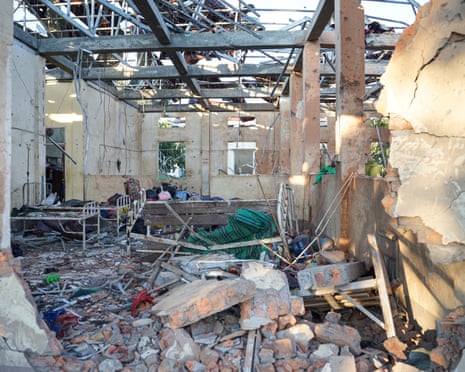
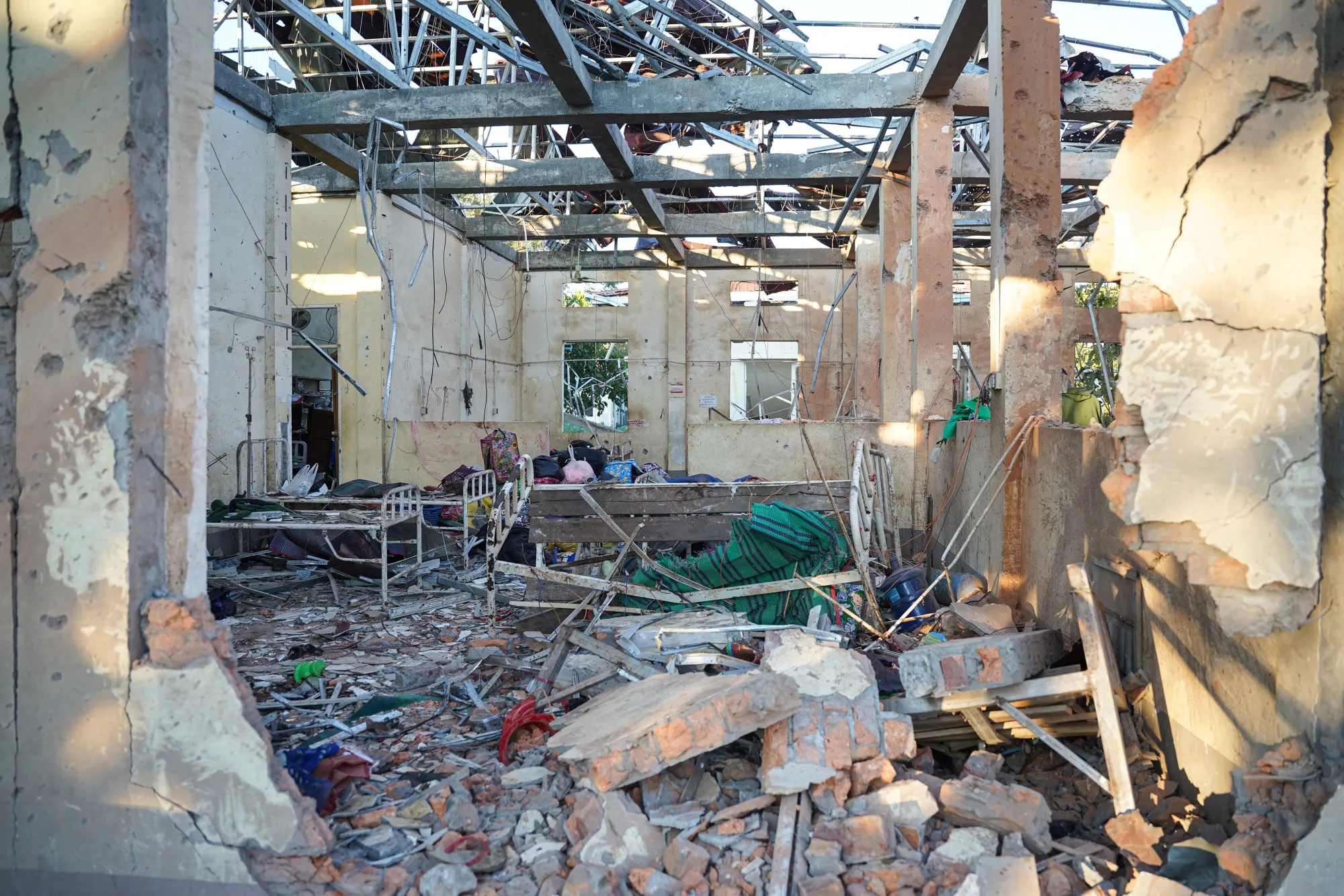
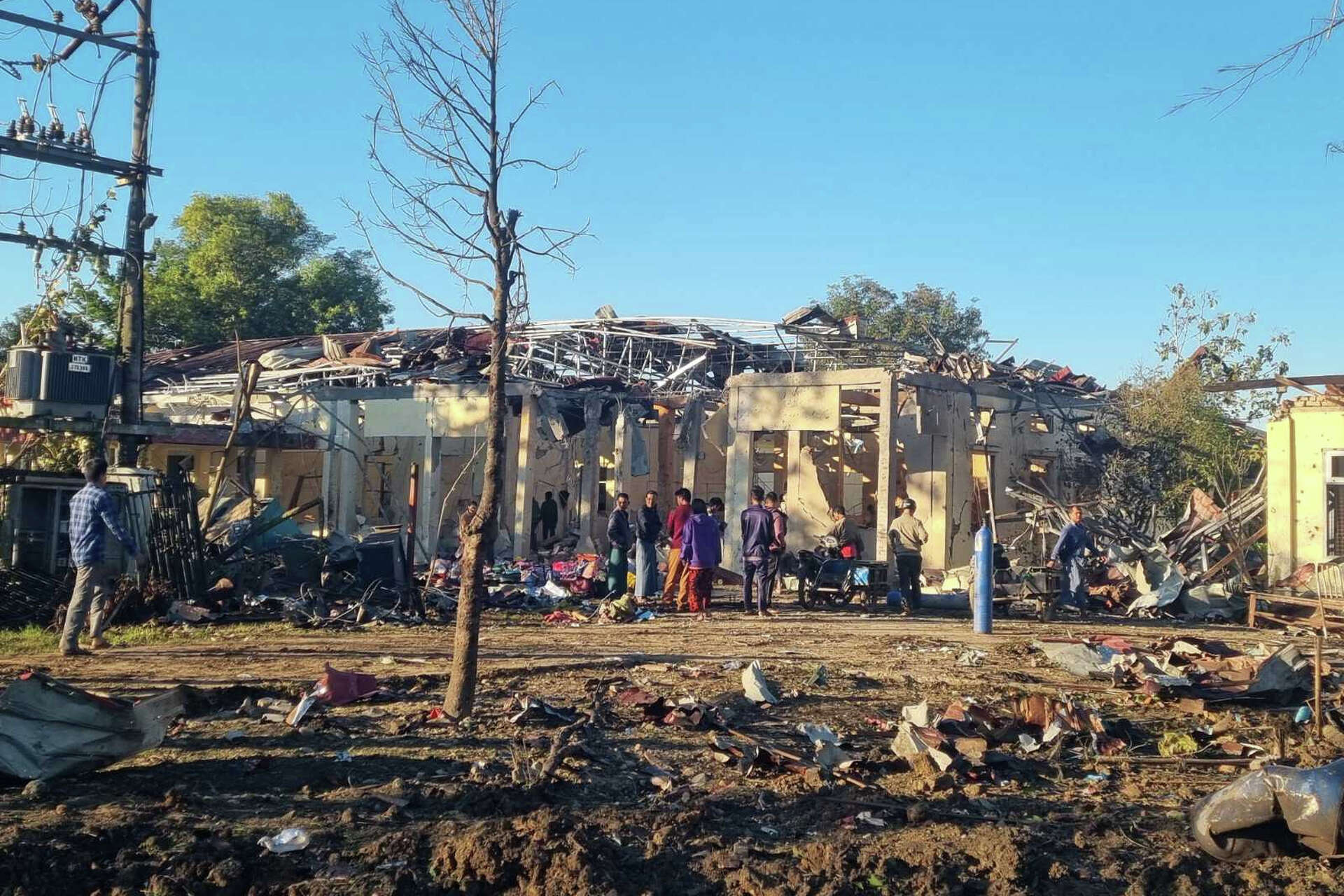
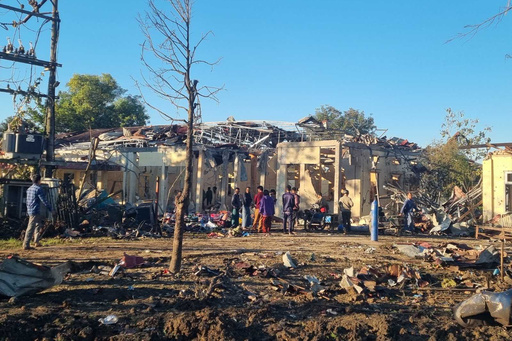
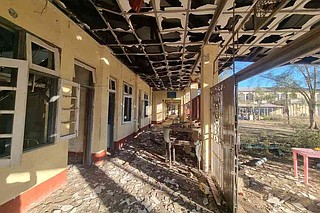
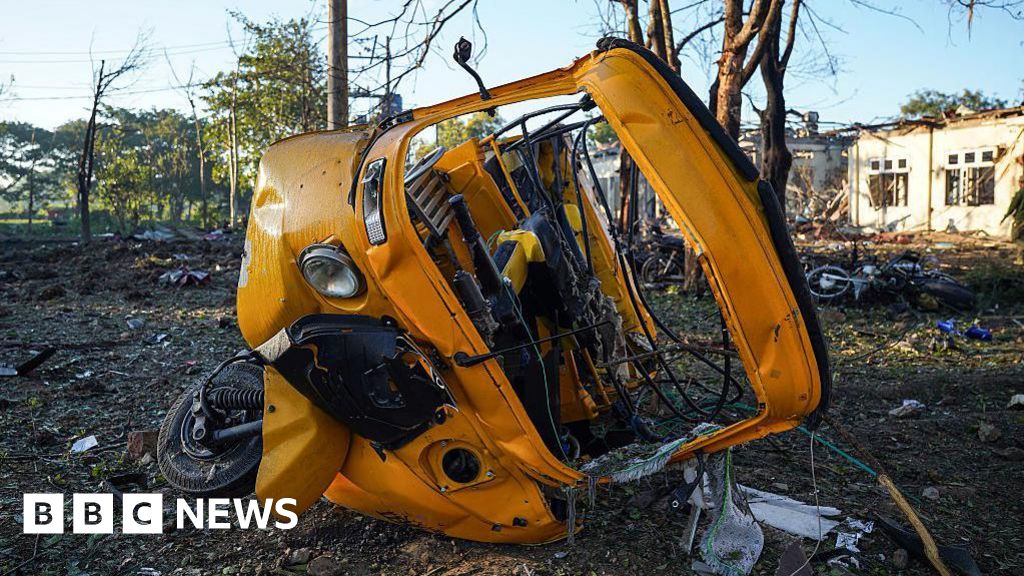
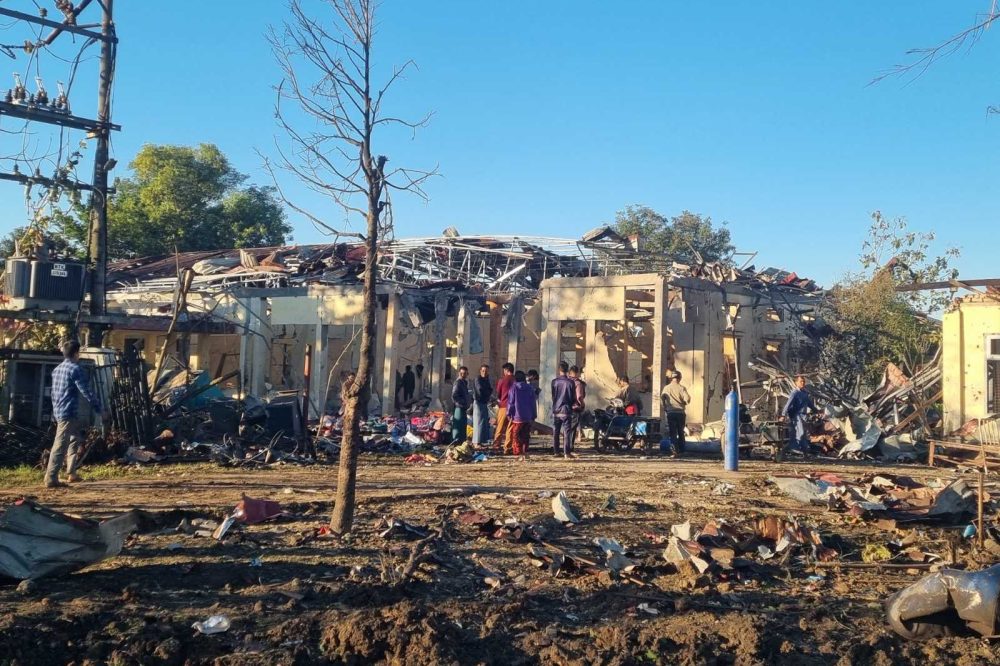
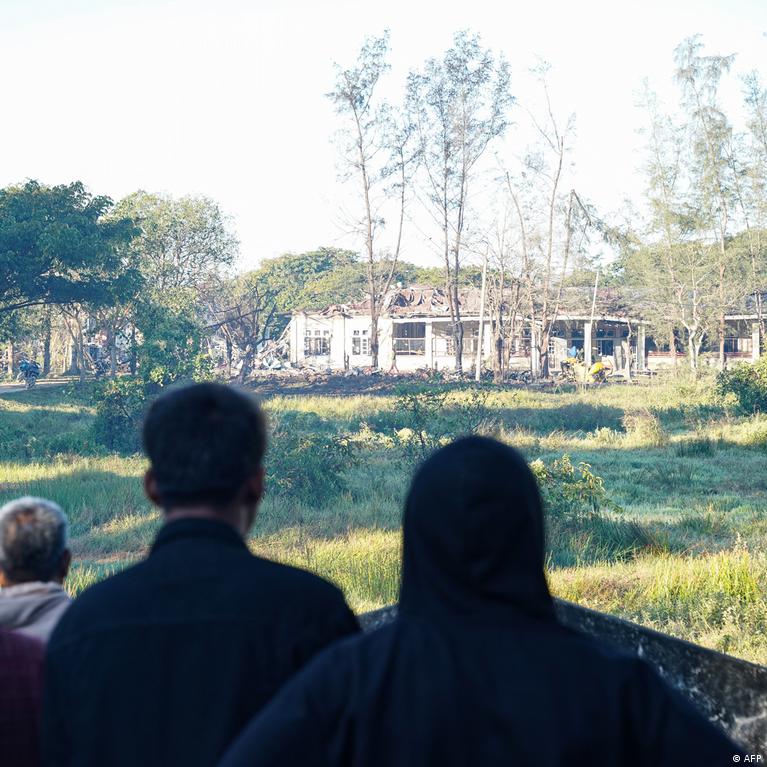
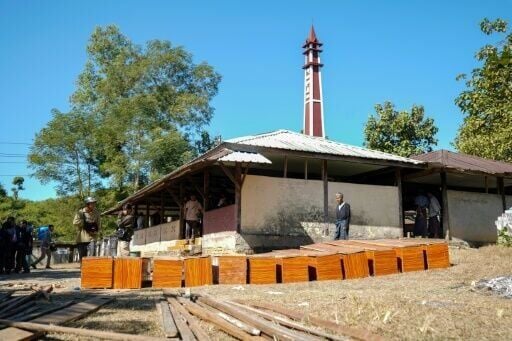
The Myanmar military's deliberate bombing of a hospital in Rakhine state represents a critical inflection point in the country's protracted civil conflict, exposing a systematic strategy of civilian intimidation and infrastructure destruction. On December 11, 2025, an air strike on the Mrauk U General Hospital killed at least 33-34 people, including medical workers and patients, in a calculated assault that goes far beyond traditional military engagement.
Strategic Context and Escalation Dynamics: The attack occurred against the backdrop of Myanmar's complex internal power struggle, with the military preparing for controversial elections on December 28 while simultaneously conducting aggressive military operations. The Arakan Army (AA), an ethnic minority separatist group, has emerged as a formidable opposition force, controlling 14 of Rakhine's 17 townships since the 2021 military coup. This hospital bombing represents the 67th attack on healthcare facilities in Myanmar this year, signaling a deliberate and systematic approach to undermining civilian resilience.
International Response and Humanitarian Implications: The United Nations and global human rights organizations have strongly condemned the attack. UN rights chief Volker Turk suggested the strike may constitute a war crime, while the World Health Organization described the incident as appalling. The military's justification—claiming the hospital was used as a base for armed groups—has been universally rejected by witnesses, aid workers, and international observers.
Deeper Geopolitical Significance: The incident reveals the military's increasingly desperate tactics to maintain control. By targeting critical civilian infrastructure, they are attempting to break the spirit of resistance in Rakhine state. The timing is particularly provocative, occurring just hours after an ostentatious ceremony marking International Human Rights Day, which underscores the stark contradiction between the military's public image and its violent actions.
Strategic Warning: The escalating conflict suggests a dangerous trajectory where humanitarian norms are systematically dismantled. International stakeholders must recognize that this is not an isolated incident, but part of a broader strategy of civilian suppression. The military appears willing to sacrifice international legitimacy to crush opposition, creating a potentially uncontrollable humanitarian emergency with significant regional destabilization risks.
Questions 3
How does this incident relate to the broader Myanmar conflict?
This hospital bombing is the 67th attack on healthcare facilities in Myanmar this year, part of an escalating conflict since the 2021 military coup. It reflects the military's aggressive tactics against the Arakan Army and other opposition groups, particularly in Rakhine state where the ethnic minority is seeking greater autonomy.
Why did the Myanmar military bomb a hospital?
The military claimed the hospital was being used as a base by armed opposition groups like the Arakan Army. However, international observers and witnesses strongly dispute this, asserting that the victims were primarily civilians, including medical workers and patients. This appears to be part of a broader strategy of intimidation and infrastructure destruction.