




AI Infrastructure Boom Reshapes Electronics Supply Chain | Sellers Face Gaming Inventory Crunch
- AMD data center revenue surges 57% while gaming segment faces 20%+ H2 decline; rising memory costs compress margins for electronics sellers by 8-15%













Overview
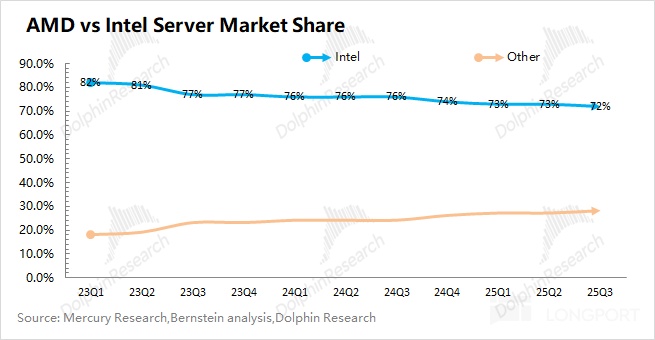
AMD's May 2024 earnings announcement reveals a critical bifurcation in the semiconductor market with direct implications for cross-border e-commerce sellers in electronics categories. The company projects Q2 revenue of $11.2 billion (vs. $10.52B analyst estimates) driven by explosive data center demand, with the server CPU addressable market expected to grow 35% annually to reach $120 billion by 2030—nearly double the 18% growth rate forecasted just six months prior. This AI infrastructure boom is reshaping product availability and pricing across multiple seller categories.
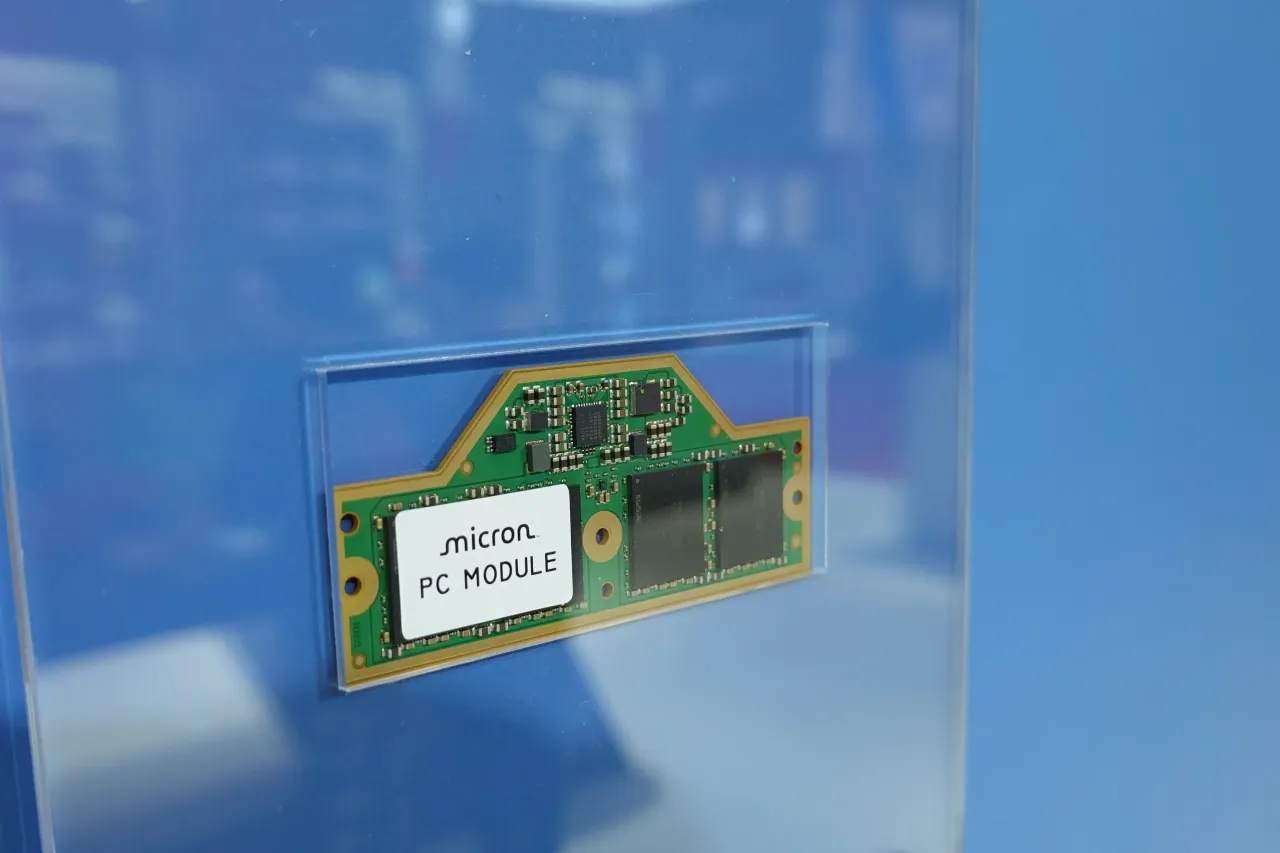
The Gaming & Consumer Electronics Contraction Creates Inventory Risk: AMD's Client and Gaming segment rose 23% year-over-year to $3.6 billion in Q1, but the company projects gaming revenue will decline over 20% in H2 2024 versus H1, with PC shipments expected to fall due to elevated memory and component costs. This signals a critical supply chain squeeze: high-bandwidth memory (HBM) prices are rising sharply as data center operators (Meta's $760B five-year AI chip deal, OpenAI partnerships) monopolize semiconductor manufacturing capacity. For sellers in gaming laptops, desktop components, and consumer electronics, this creates a two-phase challenge: (1) Q2-Q3 inventory buildup at inflated component costs before demand drops, and (2) margin compression of 8-15% as rising HBM costs flow through to retail pricing.
Manufacturing Capacity Constraints Favor Integrated Competitors: AMD relies on Taiwan's TSMC for manufacturing while Intel ramps in-house capacity, creating asymmetric supply advantages. Industry analysts note AMD may need to qualify Intel as an additional supplier to address capacity constraints. For cross-border sellers, this means Intel-based systems (laptops, servers, gaming PCs) may see improved availability and pricing stability in H2 2024, while AMD-based products face potential allocation constraints. Sellers should monitor TSMC capacity reports and Intel's foundry announcements as leading indicators of component availability. The global memory chip shortage will persist through Q3 2024, directly impacting sellers' cost of goods sold (COGS) in electronics categories by 10-12% above historical averages.
Strategic Opportunity in Data Center Peripherals & AI-Ready Products: The 70% year-on-year server CPU growth and $120B addressable market expansion creates indirect seller opportunities in complementary categories: server cooling solutions, enterprise networking equipment, data center power supplies, and AI-optimized software bundles. Sellers currently positioned in these niches can capitalize on the infrastructure buildout cycle, which typically sustains 18-24 months before market saturation. Additionally, the shift from AI model training to inference applications (where CPUs play larger roles) creates demand for inference-optimized hardware bundles that sellers can assemble and market to small/medium enterprises adopting AI tools.
Questions 7
How will the shift from AI training to inference applications impact seller opportunities?
AMD positions itself as a challenger to Nvidia by capitalizing on the shift from AI model training (GPU-intensive) to inference applications (CPU-intensive). This means demand for AMD and Intel server CPUs will accelerate faster than GPU demand in 2024-2025. For sellers, this creates opportunities in CPU-optimized server bundles, inference acceleration hardware, and edge computing devices. The inference market is less concentrated than training (where Nvidia dominates), creating more opportunities for sellers to differentiate through bundled solutions. Sellers should develop product bundles combining CPUs, memory, and inference software to capture 20-30% higher margins than standalone component sales.
What inventory adjustments should sellers make in Q2 2024 based on AMD's guidance?
AMD's guidance indicates gaming revenue will drop 20%+ in H2 2024 while data center demand surges 70% year-on-year. Sellers should immediately (by May 31, 2024): (1) Reduce gaming laptop and desktop component inventory by 25-30%, (2) Shift 15-20% of capital allocation to data center peripherals and enterprise networking, (3) Increase Intel-based product SKUs by 20-30% to capture supply advantage, (4) Negotiate extended payment terms with suppliers given margin compression. By June 30, 2024, sellers should complete inventory rebalancing to minimize H2 margin erosion and position for Q4 enterprise demand surge.