



AI Feature Advertising Compliance Crisis | $250M Apple Settlement Signals Stricter FTC Enforcement for Tech Sellers
- Apple's false Siri claims settlement creates new advertising compliance standards affecting 36M devices; FTC enforcement intensity increases for AI-powered product claims across e-commerce platforms
























.jpeg)





Overview
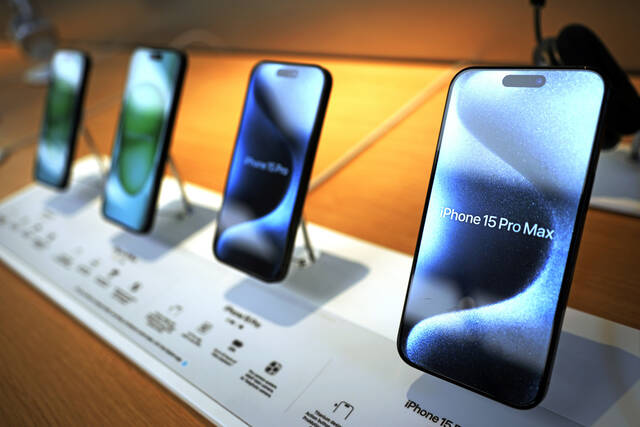
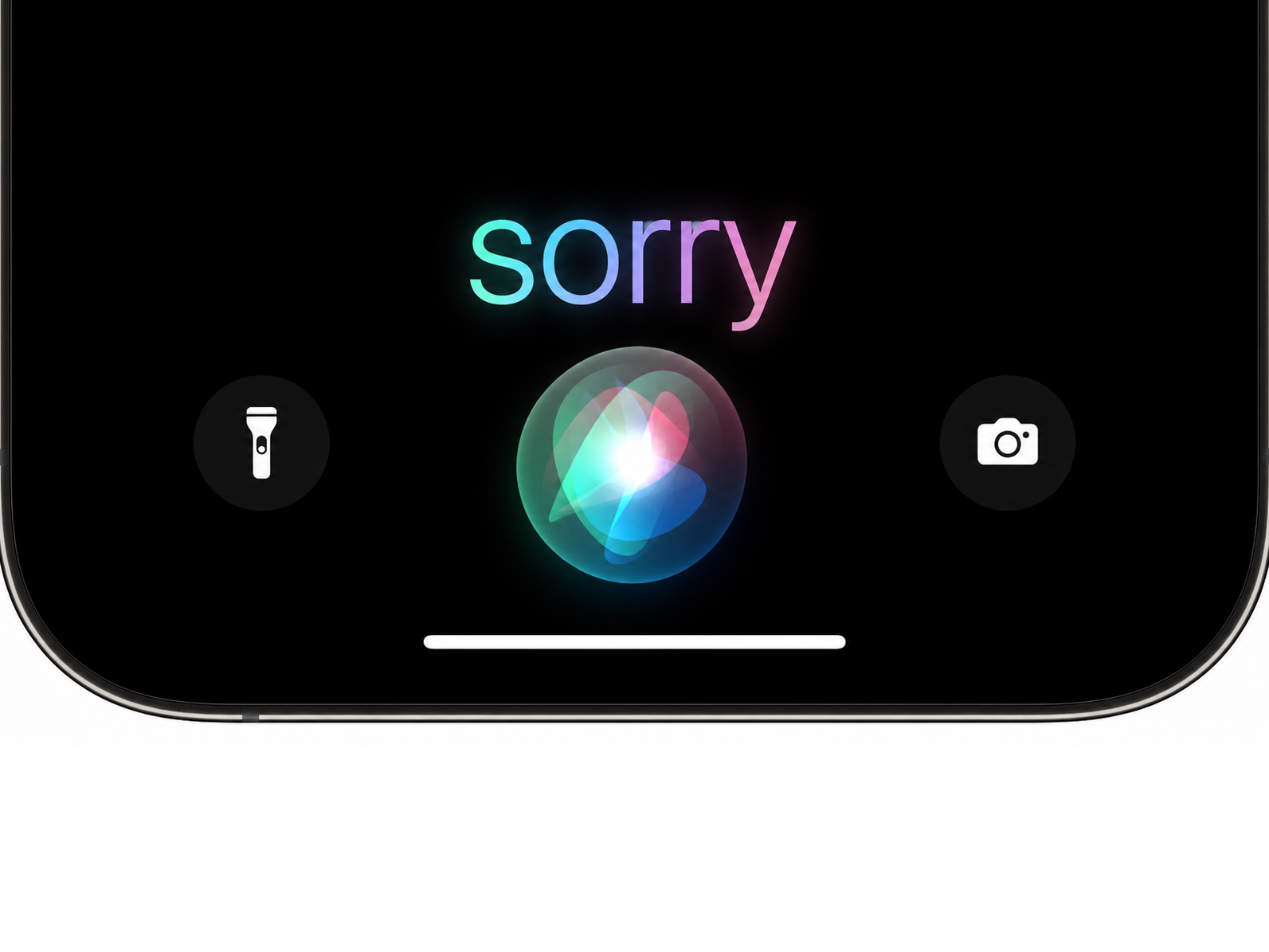
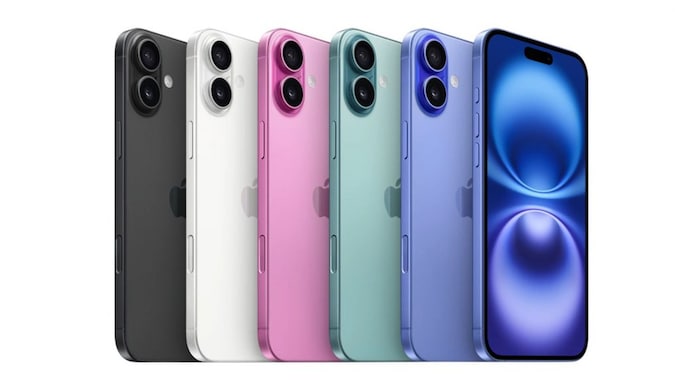
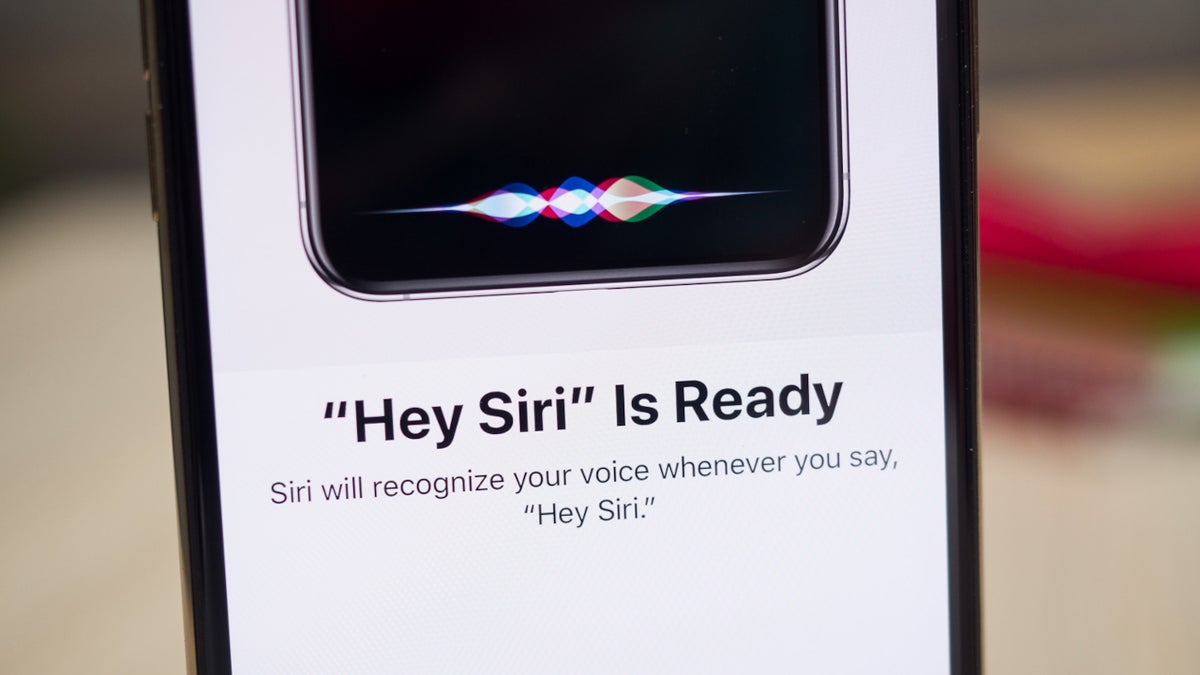
Apple's $250 million settlement for false advertising of AI-powered Siri features represents a watershed moment in regulatory enforcement against misleading technology claims. The settlement covers approximately 36 million eligible devices (iPhone 15 Pro, iPhone 15 Pro Max, iPhone 16) purchased between June 10, 2024, and March 29, 2025, with eligible claimants receiving $25-$95 per device. The Better Business Bureau's National Advertising Division independently concluded that Apple's claim "Apple Intelligence is available now" falsely conveyed that enhanced Siri features were ready at purchase when they were not—and remain unavailable with no confirmed delivery date beyond "future software updates." This enforcement action directly impacts third-party sellers and marketplace operators across multiple compliance dimensions.
For e-commerce sellers, this settlement establishes critical precedent on AI feature substantiation requirements. The lawsuit specifically targeted Apple's "saturation" of deceptive advertisements that induced consumer purchases based on promised capabilities that did not exist at marketing time. This directly parallels how third-party sellers on Amazon, eBay, and Shopify market AI-enhanced products—from smart home devices with promised AI features to electronics with advertised machine learning capabilities. Sellers marketing products with AI functionality must now assume heightened regulatory scrutiny: claims about AI availability, capability timelines, and feature delivery dates face potential FTC challenges if not substantiated with specific technical documentation. The settlement's June 17, 2025 court approval hearing will likely establish enforceable standards for technology product advertising across all platforms.
The regulatory enforcement pattern signals accelerating FTC intervention in AI marketing claims. Apple's settlement—one of the largest in company history—demonstrates that even category-leading brands face substantial penalties for vague AI promises. For marketplace sellers, this creates three immediate compliance risks: (1) Product listings claiming "AI-powered" functionality without technical specifications face removal or account suspension; (2) Marketing campaigns promoting AI features with indefinite delivery timelines mirror Apple's violation pattern; (3) Advertising claims about AI capabilities must include specific availability dates, not aspirational language like "coming soon" or "future updates." Sellers in electronics, smart home, software, and consumer tech categories should audit all product listings and advertising copy for similar language patterns. The settlement documentation explicitly states Apple anticipated delivering features "in future updates at no extra cost"—language that regulators found insufficient to substantiate immediate availability claims.
Strategic implications for sellers extend to marketplace policy enforcement and advertising platform restrictions. Amazon, eBay, and Shopify will likely implement stricter review protocols for AI-related product claims, mirroring the FTC's substantiation standards demonstrated in this case. Sellers should expect increased listing rejections, advertising account restrictions, and potential account suspensions for non-compliant AI claims. The Morgan Stanley survey cited in the complaint revealed that enhanced Siri was the "most anticipated feature" among potential iPhone buyers—demonstrating that AI promises drive purchasing decisions, making false claims particularly damaging to consumer trust and regulatory tolerance. This enforcement action will likely trigger similar investigations into other major tech brands' AI marketing practices, creating a broader compliance tightening across the consumer electronics category.
Questions 7
How does this settlement impact sellers using AI tools to create product descriptions and marketing copy?
AI-generated marketing copy that makes unsubstantiated claims about product capabilities faces heightened scrutiny. Sellers using ChatGPT, Claude, or other AI writing tools to generate product descriptions must manually verify every claim against actual product specifications. The FTC's AI Endorsements Guides (updated 2023) require disclosure when AI generates marketing content, and substantiation of all capability claims regardless of creation method. Sellers should implement a three-step review: (1) AI tool generates draft copy, (2) Human reviewer verifies every claim against technical documentation, (3) Compliance check against FTC standards. This adds 15-30 minutes per product listing but prevents account suspension risk. Marketplace platforms are increasingly detecting AI-generated copy and flagging it for manual review.
What immediate actions should sellers take before the June 17, 2025 settlement approval hearing?
Sellers should complete three urgent tasks by June 1, 2025: (1) Audit all product listings for AI-related claims, removing or revising non-compliant language; (2) Document technical specifications for every AI feature claimed, creating compliance files; (3) Review all active advertising campaigns (PPC, sponsored content) for false availability claims. The settlement approval hearing June 17 will likely trigger immediate FTC enforcement guidance and marketplace policy updates. Sellers should monitor Amazon Seller Central, eBay Seller Hub, and Shopify announcements for new AI advertising policies. Consider hiring compliance consultants for electronics and tech categories—the cost ($500-2,000 per product audit) is minimal compared to account suspension or class-action liability.