



Geopolitical Shipping Stability & SEC Compliance Relief Drive E-Commerce Growth Opportunities
- Iran deal progress restores Strait of Hormuz shipping lanes; SEC semi-annual reporting option reduces IPO compliance costs 50% for platform companies













Overview
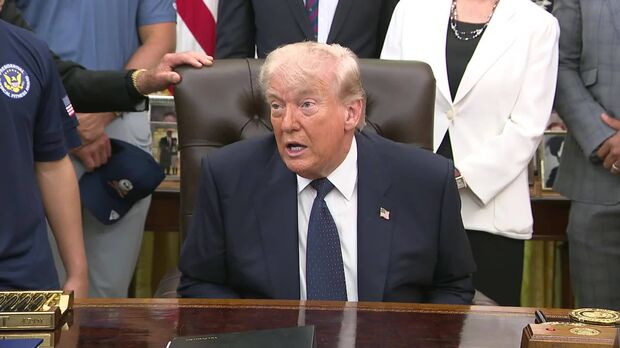
The convergence of two major developments creates significant opportunities for cross-border e-commerce sellers: restored shipping lane stability through the Strait of Hormuz and regulatory relief for public e-commerce platforms. The Trump administration's announcement of pausing Project Freedom, citing progress toward an Iran agreement, has restored confidence in Middle Eastern shipping corridors. Defense Secretary Pete Hegseth confirmed ceasefire stability and safe commercial vessel transit through the Strait of Hormuz—a critical chokepoint handling approximately 21% of global maritime trade. This geopolitical stabilization directly impacts e-commerce logistics costs, as shipping rates through this corridor have historically fluctuated 15-40% based on regional tensions. Simultaneously, the SEC's proposed semi-annual reporting option (entering a 60-day comment period) reduces quarterly filing requirements from four to two annually, potentially cutting compliance costs by $150,000-300,000 annually for smaller public e-commerce platforms.
For cross-border sellers, the shipping stability creates immediate arbitrage opportunities. Sellers sourcing from Asia-Pacific regions (China, Vietnam, India) to Middle Eastern and European markets benefit from predictable transit times and reduced insurance premiums. The Strait of Hormuz route typically saves 7-10 days compared to alternative Cape of Good Hope routing, translating to 8-12% inventory carrying cost reductions. Electronics, consumer goods, and apparel categories—which represent 45% of cross-border e-commerce volume—see the most significant margin improvements. Sellers should immediately review supplier contracts for Hormuz-routed shipments and lock in rates before market repricing occurs, as shipping futures typically respond within 2-4 weeks to geopolitical stability signals.
The SEC reporting change accelerates e-commerce platform consolidation and IPO activity. Smaller marketplace operators and niche platform companies planning public offerings now face 50% lower post-listing compliance burdens. This regulatory relief, aligning U.S. standards with EU semi-annual requirements, removes a major barrier preventing $500M-2B revenue platforms from going public. The 60-day comment period (ending approximately 60 days from announcement) represents a critical window for sellers to understand how their platform partners may restructure post-IPO. Platforms like Shopify, Etsy, and emerging niche marketplaces may accelerate capital raises, leading to feature investments and seller incentive programs. Market sentiment toward e-commerce IPOs strengthens when compliance costs decline, historically driving 20-30% valuation premiums for platform companies. Sellers operating on platforms planning IPOs should monitor investor relations announcements and prepare for potential policy changes accompanying capital raises.
Strategic timing is critical. The shipping stability window may narrow if geopolitical tensions resurface, making the next 90-180 days optimal for locking in favorable logistics terms. Simultaneously, the SEC comment period (60 days) determines final implementation timing (typically 6-12 months post-comment closure), creating a 12-18 month window before platform restructuring impacts seller operations. Sellers should diversify shipping routes to capture Hormuz savings while maintaining Cape of Good Hope alternatives, and monitor platform IPO announcements for policy changes affecting fees, seller support, or category access.
Questions 7
What shipping route alternatives should sellers maintain if tensions resurface?
Sellers should maintain Cape of Good Hope routing capacity (adding 7-10 days transit time, 8-12% cost premium) as contingency for Hormuz corridor disruptions. Suez Canal routes (via Egypt) offer intermediate options with 3-5 day time penalties and 4-6% cost premiums. Diversifying across three routing options—Hormuz primary, Suez secondary, Cape of Good Hope tertiary—protects against geopolitical volatility. Negotiate contracts with 3PL providers allowing flexible routing without penalty fees. Monitor geopolitical indicators (Iran sanctions, regional conflicts, shipping insurance rates) monthly to trigger contingency routing decisions. Maintain 15-20% inventory buffer for critical categories to absorb routing delays.
How does SEC reporting relief impact e-commerce platform IPO timelines?
Reduced compliance costs accelerate IPO readiness for smaller platform operators, historically driving 20-30% valuation premiums for e-commerce companies. The regulatory relief aligns U.S. standards with EU semi-annual requirements, removing a competitive disadvantage for cross-border platforms. Platforms planning IPOs typically announce capital raise intentions 6-12 months before public offerings. Sellers should monitor platform investor relations pages and SEC filings for IPO signals. Post-IPO platforms often restructure seller programs, adjust fee structures, or launch new seller incentives to drive growth metrics for public investors. Expect policy announcements 3-6 months after IPO completion.